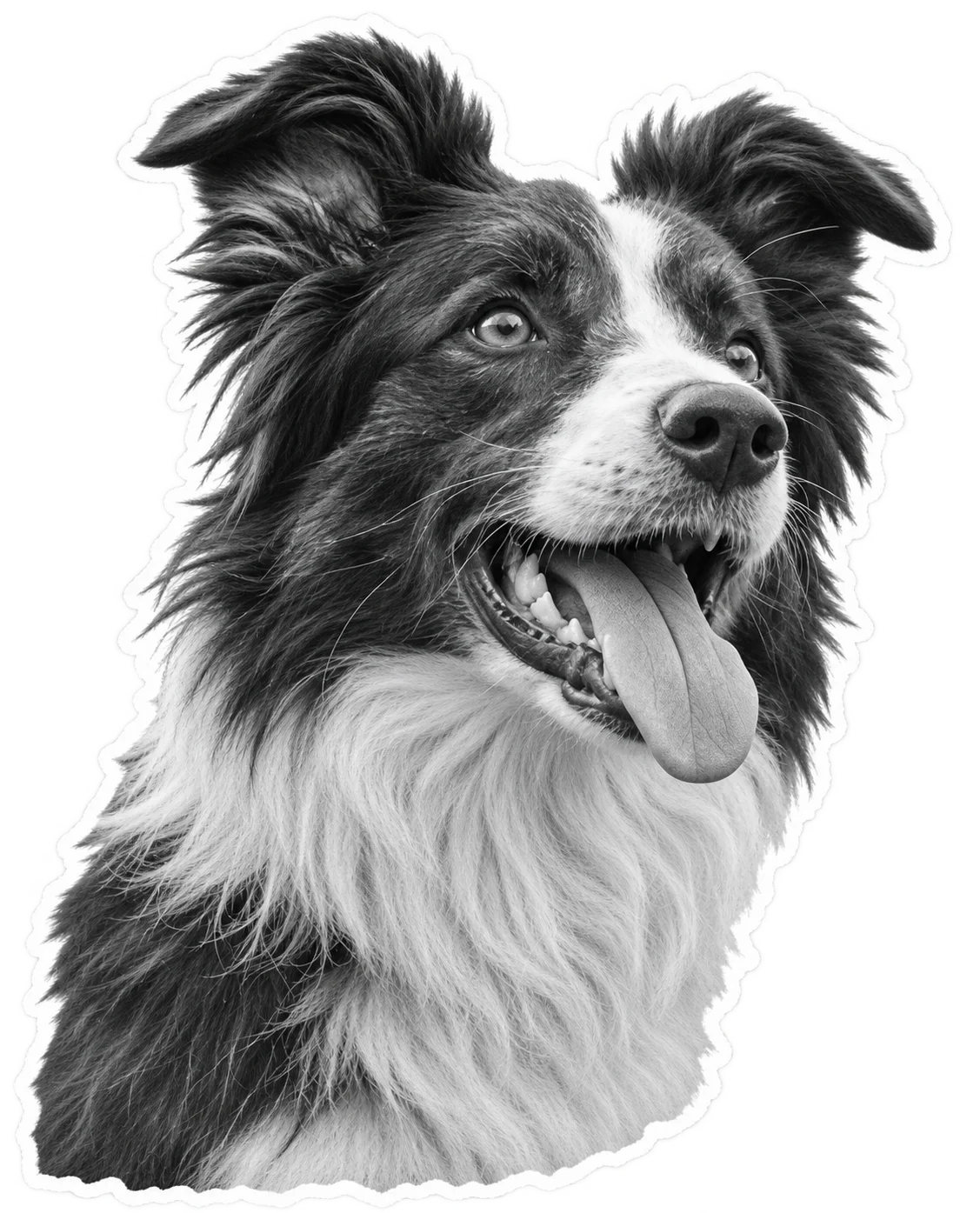
Border Collies are often energetic, attentive and quick to learn. They also need plenty of your time. Battersea’s breed guide rates their exercise, training and daily care needs as high.
Before choosing one, check you can make time for their walks, training and rest.
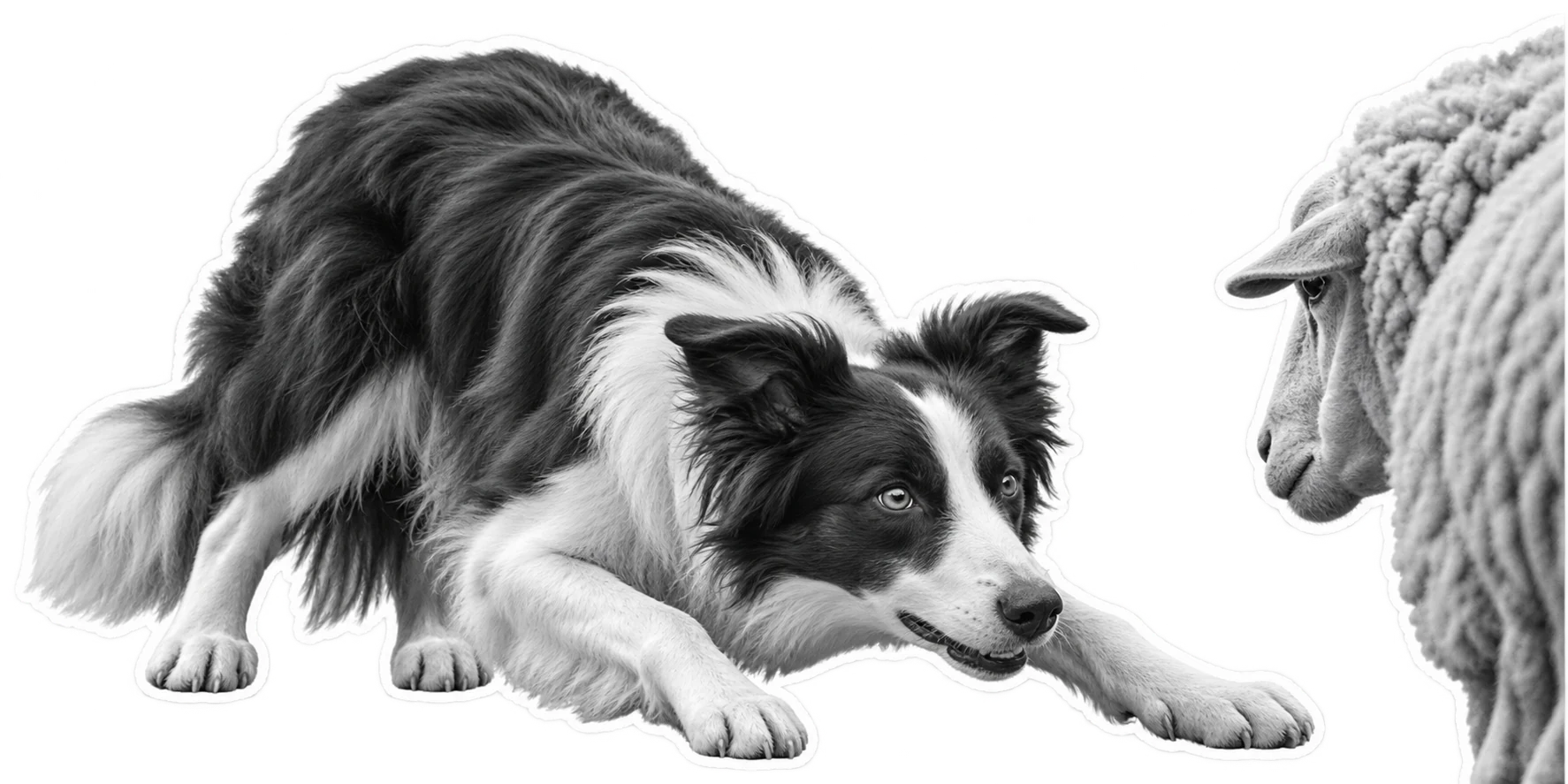
Bred for herding
Border Collies were developed to work livestock. The Royal Kennel Club traces their name to the border regions of England, Scotland and Wales, where they worked sheep across hills and mountains. Royal Kennel Club breed profile
Some try to herd or chase cyclists, cars or running children. Take that seriously: suitable outlets and consistent, reward-based training matter. Battersea’s behaviour advice
Making time for exercise
Battersea suggests that a healthy, fully grown Border Collie typically needs around two hours of exercise a day, alongside activities that use their brain. Battersea’s exercise guidance
The right routine depends on the dog’s age, health and personality. Puppies, older dogs and dogs with health conditions may need a different approach; ask your vet what’s appropriate for yours. Dogs Trust’s care guide
Put those walks in your diary before committing. Allow for travelling somewhere suitable and cleaning up afterwards, too.

A day for a healthy adult Collie, alongside training and activities that use their brain.
Games and training
Sniffing, food searches and suitable toys all give your dog something to do. Dogs Trust suggests a food trail or hiding a favourite toy for them to find. Give them time to sniff on walks as well. Dogs Trust’s enrichment ideas
If a puzzle is frustrating them, make it easier. Use safe materials and supervise games.
For training, choose a reward your dog likes: food, a toy or your attention. Reward the behaviour you want them to repeat. Count food rewards towards their daily intake. Dogs Trust’s reward-based training guide
Learning to settle
Make room for quiet time. Start in a calm place, reward relaxed behaviour and gradually build up the time before adding distractions. A comfortable blanket can help. Dogs Trust’s settle training
Look for small signs of relaxation, such as resting their head or shifting into a comfortable position. Take it at their pace and move somewhere quieter if they’re struggling.
Coats and colours
Border Collies come in a variety of colours. The breed standard recognises smooth and moderately long coats, both with a dense topcoat and a soft, dense undercoat. Royal Kennel Club breed standard
Coat colour tells you very little about whether a particular dog will suit your home.
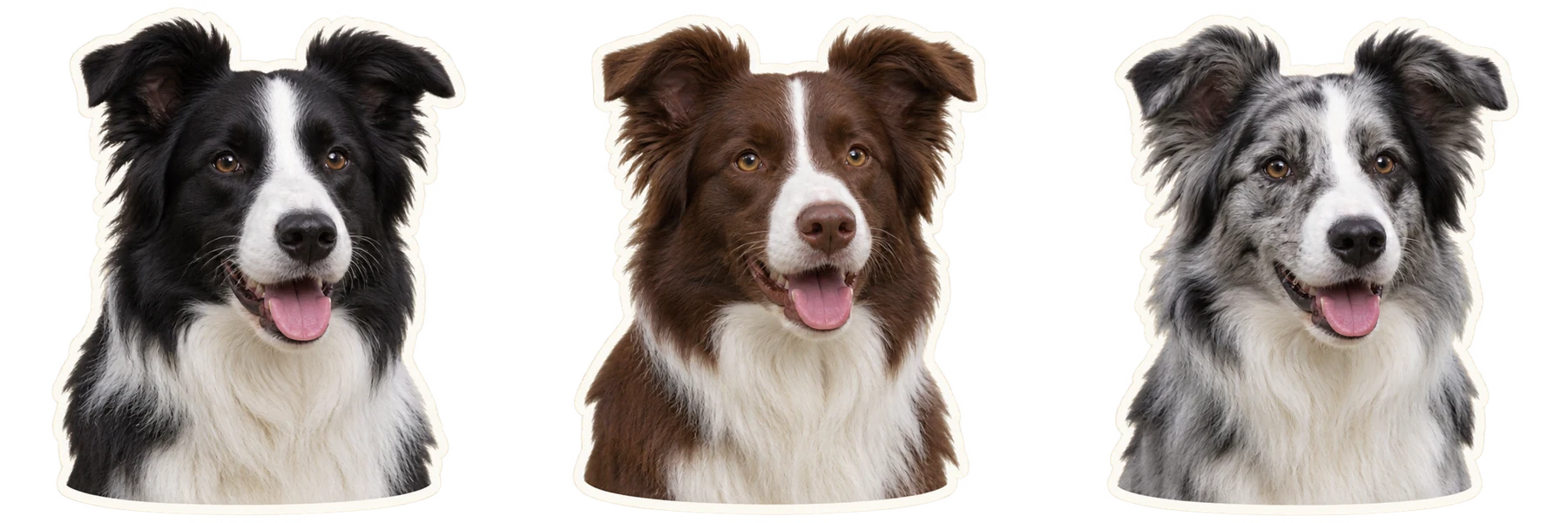
- Black & white
- Brown & white
- Merle
Before you bring one home
Every Border Collie has their own personality and experiences. Ask how the dog gets on with visitors, other animals and the sort of household you have. Dogs Trust’s temperament advice
Talk honestly with a rescue or responsible breeder about your routine. Ask about health, upbringing and any relevant health testing. Battersea’s advice on choosing a dog
Sources checked 15 November 2026. General pet information, not advice for an individual animal. If your pet seems unwell or their behaviour changes suddenly, speak to your vet.
Pet portraits are illustrative artwork. Read our editorial approach.