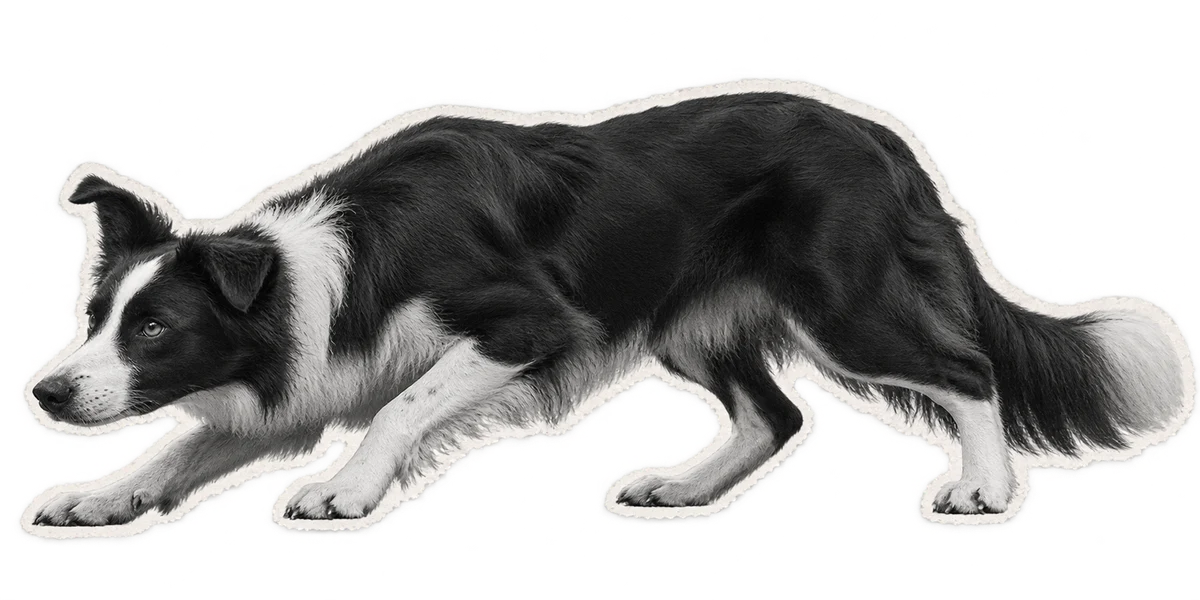
If your cat watches the toy but doesn’t chase it, try changing how it moves. Short movements and pauses give them a chance to stalk, chase and catch.
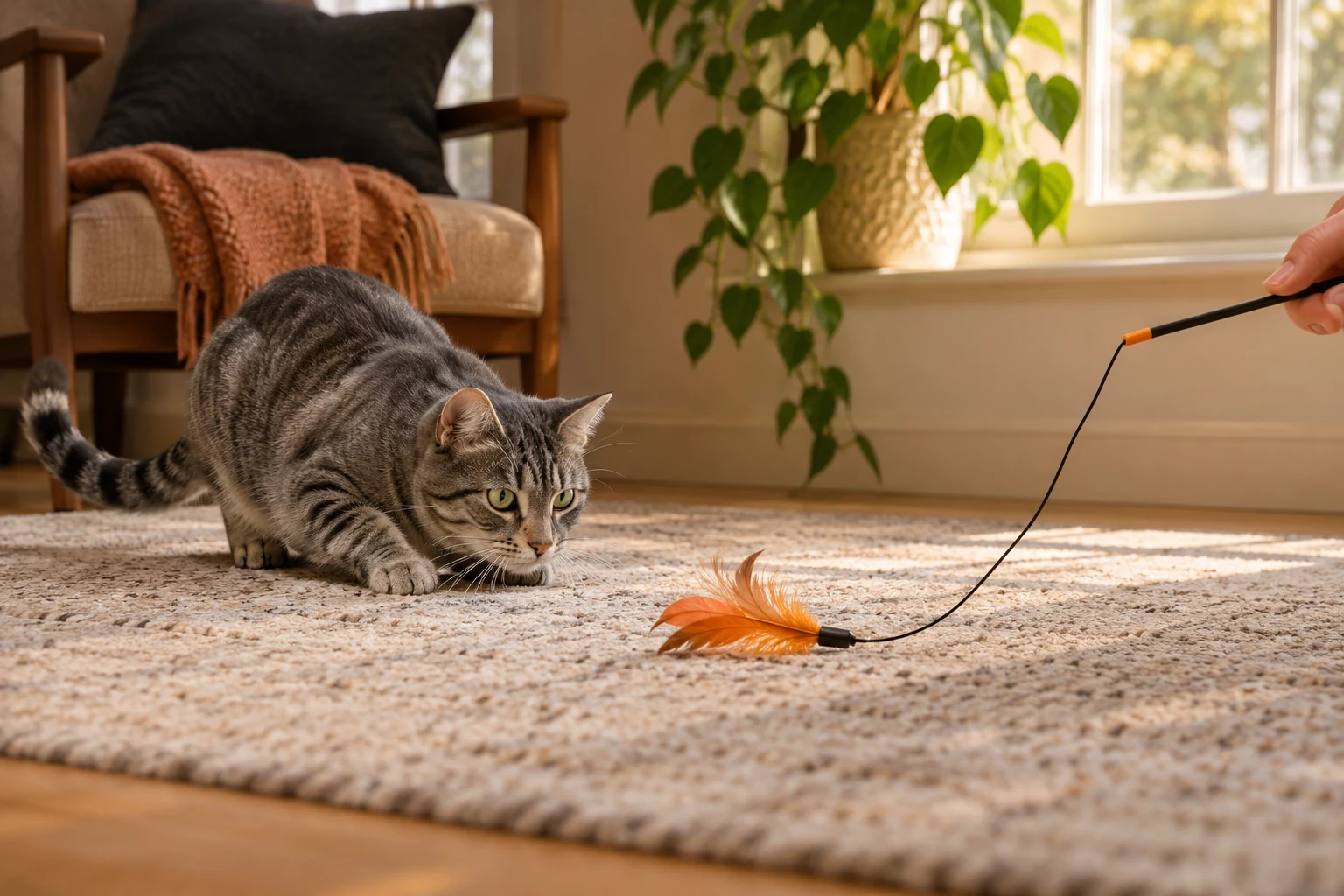
Move it like prey
Move a wand toy along the floor, pause, then move it again. Keep your hands away from the chase. Think of a small animal scurrying and stopping, rather than waving the toy constantly in front of your cat’s face.
Battersea recommends bursts of movement with pauses. Different cats enjoy different targets and movements, so watch what gets a response. Battersea’s play advice
Let them catch it
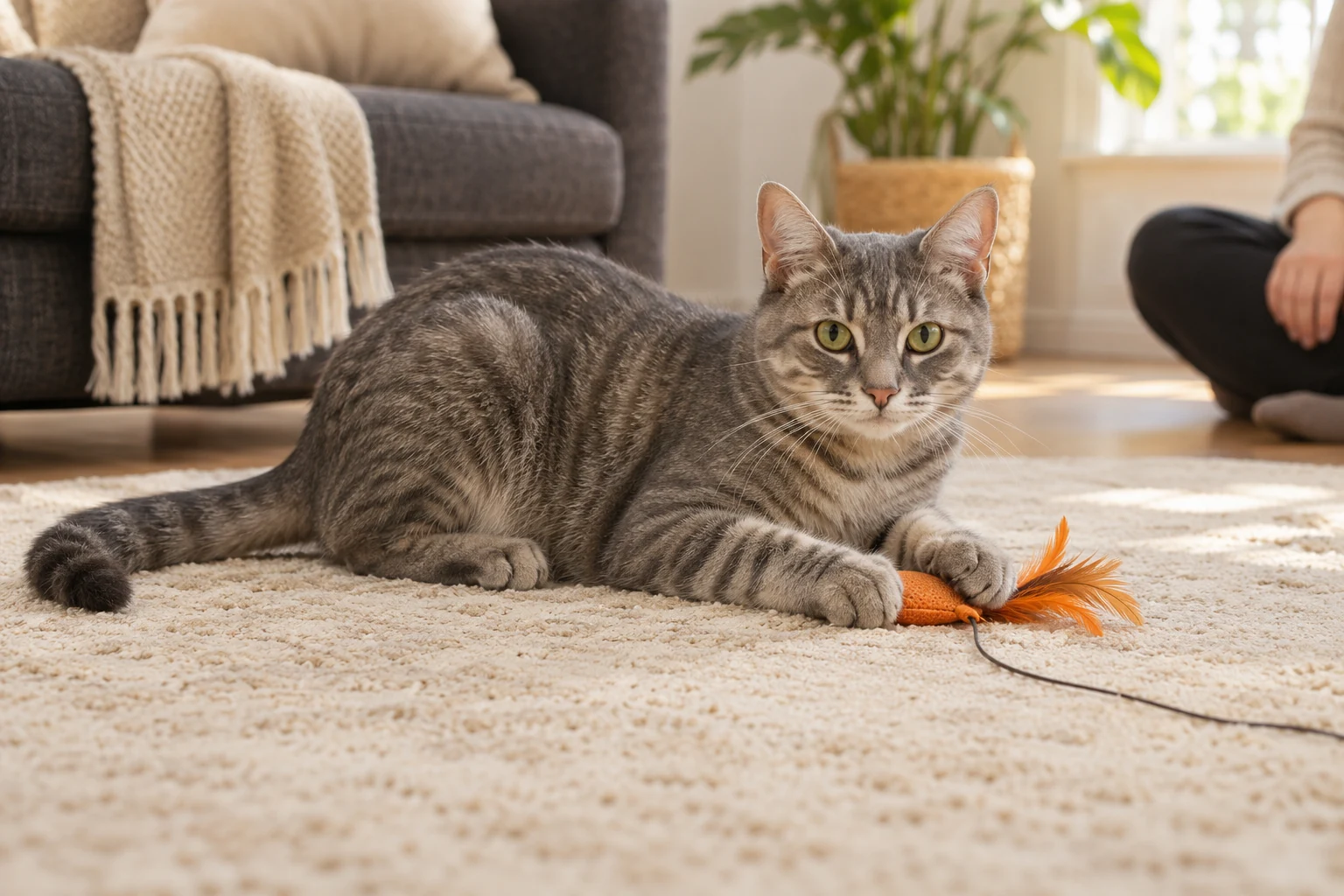
Let your cat catch the toy during the game. Pulling it away every time can be frustrating. Battersea advises against laser pointers because there’s nothing for the cat to grab.
A toy they can get their paws around gives the chase an ending.
Keep sessions short
Cats Protection says games lasting just one or two minutes can be worthwhile. Rotate toys to keep them interesting, and let your cat’s interest guide the game. If they’ve had enough, try again later. Cats Protection’s play guide
Put string toys away afterwards
Check toys for damage. Put away anything your cat could swallow or become tangled in when you’re not there. String and wand toys need supervision.
Use toys to keep the action away from your fingers and toes. Cats Protection recommends keeping your body out of the game so your cat doesn’t learn to bite or scratch it.
Sources checked 15 November 2026. General pet information, not advice for an individual animal. If your pet seems unwell or their behaviour changes suddenly, speak to your vet.
Pet portraits are illustrative artwork. Read our editorial approach.