
Breed guide / Welsh Sheepdog
Living with a Welsh Sheepdog
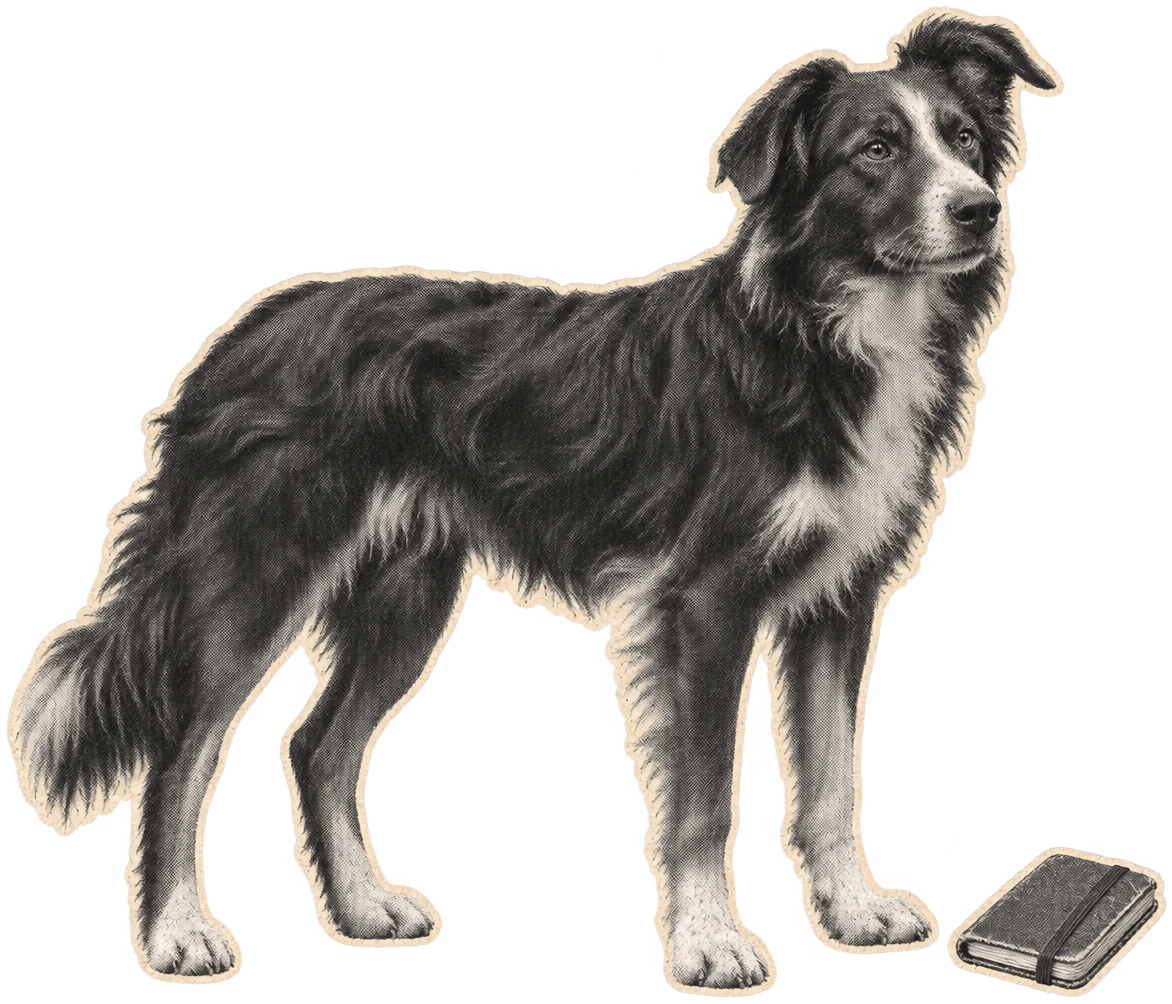
The Welsh Sheepdog is a traditional Welsh farm dog kept for moving livestock. They don’t all look alike, and a dog doesn’t become one by being photographed next to a dry-stone wall. If you live with one away from a farm, the useful thing to learn is what they do when something starts moving. A quiet route and a dog who can turn back towards you beat another hour spent throwing a ball. 1234
Jump to a section
The short version
Work out which bit of movement catches your dog first. It might be a bike coming down the path or a runner behind a hedge. Leave space before they’re staring at it so hard they stop moving with you. If you can’t give them that room, take another route rather than using a busy pavement as a lesson. 4 5 6
Make a quiet resting place where they don’t have to keep watch through the front window, and use a short lead around livestock. A dog who works sheep with a handler isn’t entitled to approach somebody else’s flock on a public walk. 7 8 9
Welsh Sheepdog notes / 01
Where to start
| First job | What to do |
|---|---|
| Moving things | Find a distance at which the dog can still turn with you. 4 6 |
| Livestock | Put the short lead on before reaching the gate. 8 9 |
| Off duty | Give them somewhere away from feet, glass and passing noise. 7 |
| Identity | Ask what’s known about this dog’s actual family and training. 1 2 10 |
Not a Welsh Corgi, not a Welsh address on a Border Collie
Amgueddfa Cymru treats the Welsh Sheepdog as distinct from the Border Collie. The Welsh Sheepdog Society was set up to preserve working dogs of this type, with its own history of assessing and registering them. The Royal Kennel Club’s current breed standards list the Border Collie and both Welsh Corgis separately, but don’t list a Welsh Sheepdog standard. Those are different systems, not a contest over which dogs can work. 1 2 3 10 11 12 13
Welsh Sheepdog notes / 02
Not a Corgi
| The name | What it tells you |
|---|---|
| Welsh Sheepdog | A Welsh working tradition with its own society and register history. 1 2 10 |
| Border Collie | A distinct recognised breed and working tradition; geography alone doesn’t decide the label. 2 11 |
| Pembroke or Cardigan Welsh Corgi | Two separate RKC standards, neither of them the Welsh Sheepdog. 12 13 |
Fit the dog, not the picture in your head
The working tradition matters more here than breeding for one look. For this guide there’s no fixed verified UK show-standard height or weight for a Welsh Sheepdog. Don’t use the size chart for a Border Collie or a Corgi as a stand-in. Check chest and neck measurements on the dog you have. 1 2 3 14
Make sure a harness stays clear of the front legs when the dog turns hard or backs up. Feel for the ribs and waist instead of assuming a dog who likes a long walk will keep the right condition by itself. If the dog does real farm work, talk to the vet about feeding and workload across the seasons. 14 15
Check the feet before the mud dries
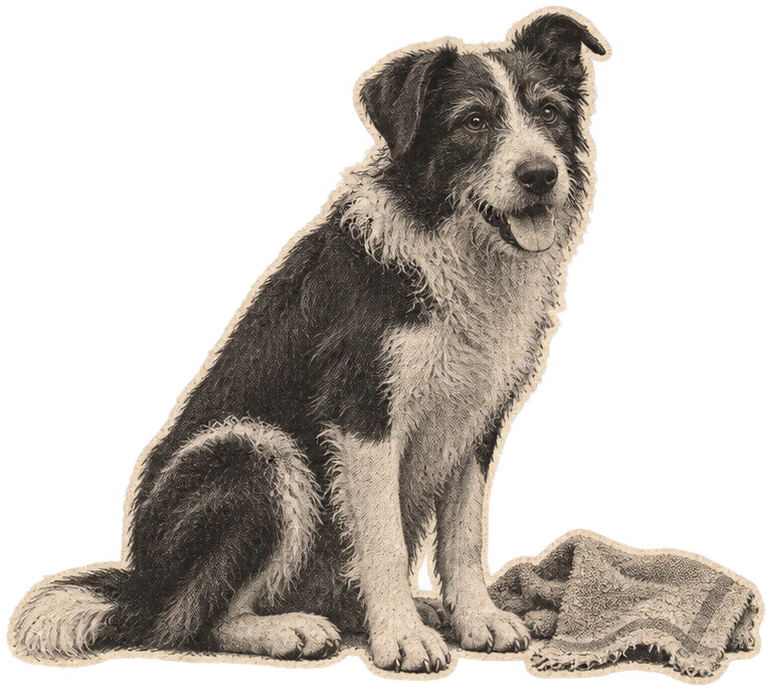
Coats can differ from dog to dog. Use the brush that goes through this one without dragging and part the hair at the back of the legs and where the harness sits. Check between the toes after a wet field or long grass. If the dog keeps licking one foot, it’s worth looking at that foot rather than brushing everything else first. 1 16 17 18
Get them used to the towel and a quick look at one paw before the day they come in soaked and sore. If a paw swells or they keep licking or limping after long grass, speak to your vet; you can’t always see what’s stuck. 17 18 19
Welsh Sheepdog notes / 04
Check the feet
| Area | What’s worth doing |
|---|---|
| Back legs and harness line | Part the coat and check for grit or rubbing. 14 16 |
| Between the toes | Check after rough or grassy ground. 17 18 |
| Coat type | Brush for the hair they actually have and ask for help with tight mats. 1 16 |
| Handling | Start with a brief check while they’re settled and comfortable. 19 |
If the wheels are interesting, start further from the wheels
Watch for the first small change: head lowers, ears turn, the next few steps get quicker. With some dogs it might be a bike; with others it’s a ball game or children running on the other side of a fence. Give them a clear way to turn with you rather than waiting until they’re at the end of the lead. 4 5 6
If they can rest in the back room but not by the front glass, move the bed. If distress only happens when everyone goes out, a short recording can show you more than the state of the doormat when you get back. Keep those problems separate. 7 20 21 22
Welsh Sheepdog notes / 05
See the wheels
Give the work a start and a finish
Try finding a toy by scent, finding a few pieces of the normal food ration, or carrying a toy to a mat if the dog enjoys those jobs. Keep the first version easy; let the dog have a breather afterwards instead of making every good response the opening for a harder one. 7 23
Give recall a lesson of its own away from livestock and traffic. Reward check-ins as they happen. If you want to learn genuine stock work, ask a qualified, experienced sheepdog handler about a lawful, controlled setup with permission. Don’t let a dog have a go at any sheep you find. 5 8 9 10 24
The route matters more than the distance
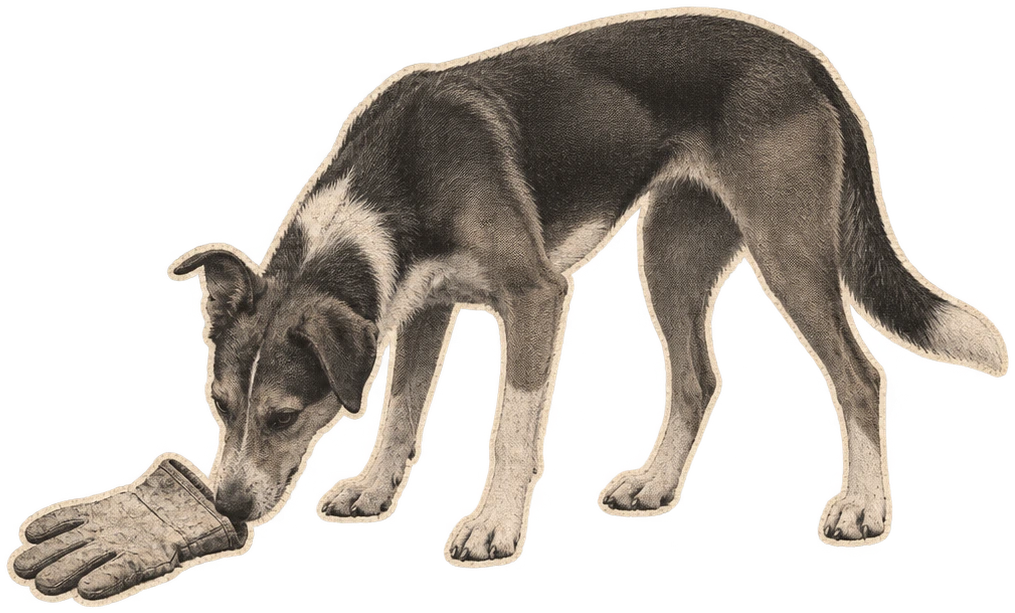
A steady adult outing might have time to sniff, a few rehearsed turns and a quiet bit where the dog doesn’t have to respond to anything. How much exercise is appropriate depends on the dog’s age, health, fitness and work. If the dog spends most of it lunging at moving things, make the route easier before you make it longer. 4 5 6 25
Check Natural Resources Wales advice and signs before setting off. Use a short lead near livestock, keep your distance and take an alternative route if you can’t pass safely. If cattle chase you, official guidance says to let the dog go rather than putting yourself at risk by holding on. 8 9
Welsh Sheepdog notes / 07
Choose the path
| Situation | Do this |
|---|---|
| Bikes or runners on a narrow path | Choose somewhere you can step away in good time. 4 5 |
| Livestock | Use a short lead and keep distance; read local signs. 8 9 |
| Heat or tiredness | Shorten the outing and go at a cooler time if it’s hot. 25 26 |
| New stiffness or a repeated limp | Adjust the outing and ask your vet to assess it. 25 27 |
Off duty needs a bit of help
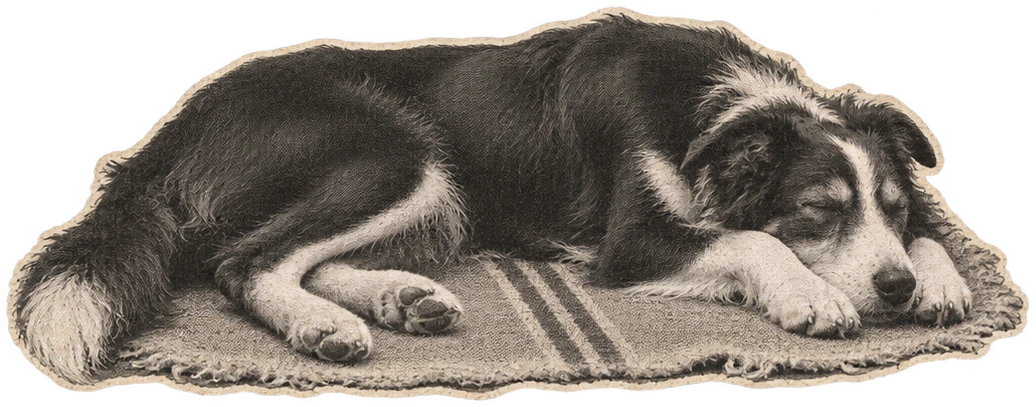
If there’s a view of the delivery van turning every morning, a bed right beside the glass isn’t much of a rest spot. Put something between the dog and the view or choose a quieter room. A mat you can put in the garden or near you during ordinary jobs can give them a familiar place to stop. 7 20
Have a check of gates and the path between the door and bed. It’s easier to keep a dog away from moving cars with a physical barrier than by testing recall every time you open a gate. At home, use a runner or rearrange furniture if the dog skids on a regular turn. 14 28 29
Running children aren’t a training exercise
Separate the dog during busy games if movement sets them off. If children and dog share the same space, supervise actively and give the dog a way to leave that doesn’t take them through the middle of the game. A dog who turns away or walks off doesn’t need bringing back to prove they’re friendly. 6 30
Give cats and other animals separate places for meals and rest. Start introductions with distance and barriers where appropriate. Some individuals will cope well and some will need ongoing separation; a working name isn’t an answer either way. 4 6 31 32
A working record can’t do the vet’s job
There’s no verified Welsh Sheepdog-specific RKC Health Standard tier in the references for this guide. The Welsh Sheepdog Society’s working aims and registration history are different from pre-breeding screening. The Border Collie has its own listed screening; don’t copy it across or infer that closely named or similar-looking dogs have the same disease rates. 1 3 10 11 34
Ask for dated results linked to the actual parents or veterinary history for the individual dog. A vet can explain whether any eye or joint assessment is appropriate based on the dog, its documented ancestry and family history. An eye examination and a DNA result are different, and an existing certificate does not explain a new sore eye or changed gait. 27 34 35 36 37
This guide doesn’t give a Welsh Sheepdog median lifespan or breed prevalence without a sufficiently clear Welsh Sheepdog cohort. The UK Dogs Trust table and study are worth reading as population evidence, not a licence to use the Border Collie number for this dog. 38 39
Welsh Sheepdog notes / 10
Health conditions and screening
| What you want to know | What to look for |
|---|---|
| Working registration | Ask which society the record comes from, and what it actually certifies. 1 10 24 |
| Breed-specific health tests | No verified Welsh Sheepdog RKC tier; ask about identified family and vet advice. 34 35 |
| Parent certificates | Check dog identity, date and test instead of taking “health checked” as a result. 35 36 |
| A suddenly painful eye | Get prompt veterinary advice; don’t rely on an old test. 37 |
| New or repeated lameness | Stop hard work and speak to your vet. 27 |
| UK lifespan | No verified Welsh Sheepdog cohort figure used here. 38 39 |
| Border Collie data | Evidence for the named dogs in that source, not for this population. 11 34 38 |
Budget for the days you can’t do the walk
Think about whether the usual route will work for someone else. A walker who’s happy to walk alone and take a quieter route may be more useful than a big group session. Ask what they do if the dog stares at a cyclist, or if they reach a field full of livestock. 4 8 40
Set aside money for routine vet care, suitably fitted kit and help if something in the routine stops working. If you’re insuring a dog who’s doing real farm work, ask the provider explicitly how that use is treated. 14 41
Welsh Sheepdog notes / 11
Plan for help
| Expense | Ask before committing |
|---|---|
| Walking help | What route and group size can they offer your dog? 40 |
| Equipment | Can the dog move safely in it, and is it right for where they work or walk? 14 |
| Training help | Do they have experience with the actual problem and use reward-based methods? 6 42 |
| Vet and cover | What is included, and what changes if the dog works? 41 |
The history is in the job
Preserving practical farm dogs was the point of the Welsh Sheepdog Society. A contemporary account from the late 1990s records people coming together to form it and assess dogs for registration. That doesn’t establish one appearance for all of them or settle every ancestry story. Amgueddfa Cymru describes the Welsh Sheepdog’s own place in Welsh working life. 1 2 10
Welsh Sheepdog notes / 12
Working Wales
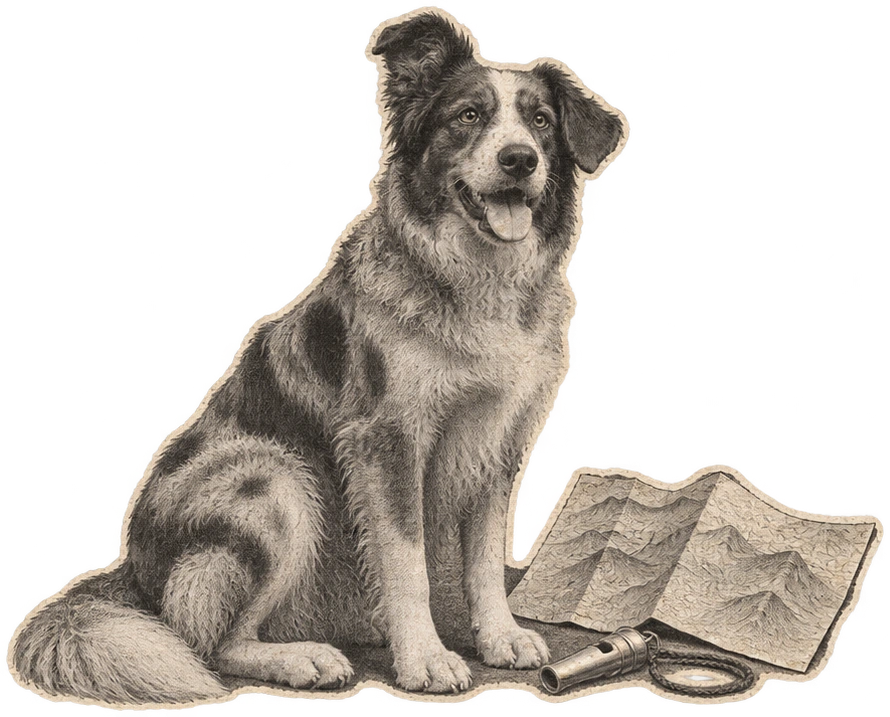
Ask to see the dog when it isn’t putting on a show
Ask about a normal day: where they walk, what they do when a car comes by, and whether they can sleep while people are still moving. For a rescue, get the history they actually have. For a puppy, meet the litter with the mother where they’re raised, see any documents rather than guessing from the description, and ask how to contact the relevant society if its registration is claimed. 1 10 43 44
If your usual day can’t fit a quiet walk at sensible times, a place to settle or sensible management around moving things, be honest about that before you take the dog on. If you already have them, fix one rough bit of the day rather than trying to change the whole dog in a weekend. 4 7 25 43
Welsh Sheepdog notes / 13
Ask about a day
| Ask about | Why |
|---|---|
| A routine walk | See what movement the dog notices and how they respond. 4 43 |
| Rest at home | Find out what helps them stop watching the world. 7 43 |
| Register and vet records | Keep identity, work history and health evidence separate. 1 10 35 |
| Daily demands | Make sure you have more to offer than one long outing when time allows. 23 25 43 |
Sources
- S1Wales.com Welsh Sheepdog overview, working tradition and variationSource · checked 21 November 2026
- S2Amgueddfa Cymru on the Welsh Sheepdog and its distinct identitySource · checked 21 November 2026
- S3Royal Kennel Club full recognised breed standards directorySource · checked 21 November 2026
- S4Dogs Trust recognising and managing chasing behaviourSource · checked 21 November 2026
- S5Dogs Trust recall and long-line trainingSource · checked 21 November 2026
- S6Dogs Trust canine body languageSource · checked 21 November 2026
- S7Dogs Trust building settling skillsSource · checked 21 November 2026
- S8Natural Resources Wales visitor guidance and livestock safetySource · checked 21 November 2026
- S9Welsh Government countryside dog guidance and cattle responseSource · checked 21 November 2026
- S10Aza Pinney contemporary society formation and stud book report, reprinted in Wool PressSource · checked 21 November 2026
- S11Royal Kennel Club separate Border Collie breed profile and screeningSource · checked 21 November 2026
- S12Royal Kennel Club separate Pembroke Welsh Corgi standardSource · checked 21 November 2026
- S13Royal Kennel Club separate Cardigan Welsh Corgi standardSource · checked 21 November 2026
- S14Dogs Trust harness fitting and checking free movementSource · checked 21 November 2026
- S15PDSA body condition at homeSource · checked 21 November 2026
- S16PDSA veterinary grooming and coat maintenanceSource · checked 21 November 2026
- S17PDSA practical home health checksSource · checked 21 November 2026
- S18PDSA veterinary guidance on grass seeds and pawsSource · checked 21 November 2026
- S19Dogs Trust building comfort with handlingSource · checked 21 November 2026
- S20Dogs Trust identifying barking triggersSource · checked 21 November 2026
- S21Dogs Trust introducing time alone, using a recordingSource · checked 21 November 2026
- S22Dogs Trust identifying and getting help for separation distressSource · checked 21 November 2026
- S23Dogs Trust safe enrichment and search gamesSource · checked 21 November 2026
- S24International Sheep Dog Society separate working registration and assessmentSource · checked 21 November 2026
- S25PDSA tailoring activity to age and conditionSource · checked 21 November 2026
- S26Dogs Trust safe outings in hot weatherSource · checked 21 November 2026
- S27PDSA veterinary guidance for a new or persistent limpSource · checked 21 November 2026
- S28Canine Arthritis Management veterinary access and safe flooring guidanceSource · checked 21 November 2026
- S29Dogs Trust checking boundaries and preventing escapesSource · checked 21 November 2026
- S30Dogs Trust children and dog supervisionSource · checked 21 November 2026
- S31Dogs Trust safer dog and cat introductionsSource · checked 21 November 2026
- S32Dogs Trust introductions to another dogSource · checked 21 November 2026
- S33Dogs Trust resource guarding and separate feedingSource · checked 21 November 2026
- S34Royal Kennel Club live central Health Standard and Basset Hound tier rowSource · checked 21 November 2026
- S35British Veterinary Association getting started with canine health screeningSource · checked 21 November 2026
- S36Royal Kennel Club BVA/RKC/ISDS Eye Scheme and screening limitsSource · checked 21 November 2026
- S37PDSA veterinary guidance for painful eyesSource · checked 21 November 2026
- S38Dogs Trust UK longevity study table; not a Welsh Sheepdog proxySource · checked 21 November 2026
- S39McMillan et al. original UK dog longevity studySource · checked 21 November 2026
- S40Dogs Trust finding a suitable walkerSource · checked 21 November 2026
- S41PDSA dog ownership costs and insuranceSource · checked 21 November 2026
- S42Dogs Trust qualified reward-based training and behaviour helpSource · checked 21 November 2026
- S43Dogs Trust settling a rescue dogSource · checked 21 November 2026
- S44RSPCA buying a puppy and seeing mother with the litterSource · checked 21 November 2026
