
Breed guide / Toy Poodle
So you live with a Toy Poodle
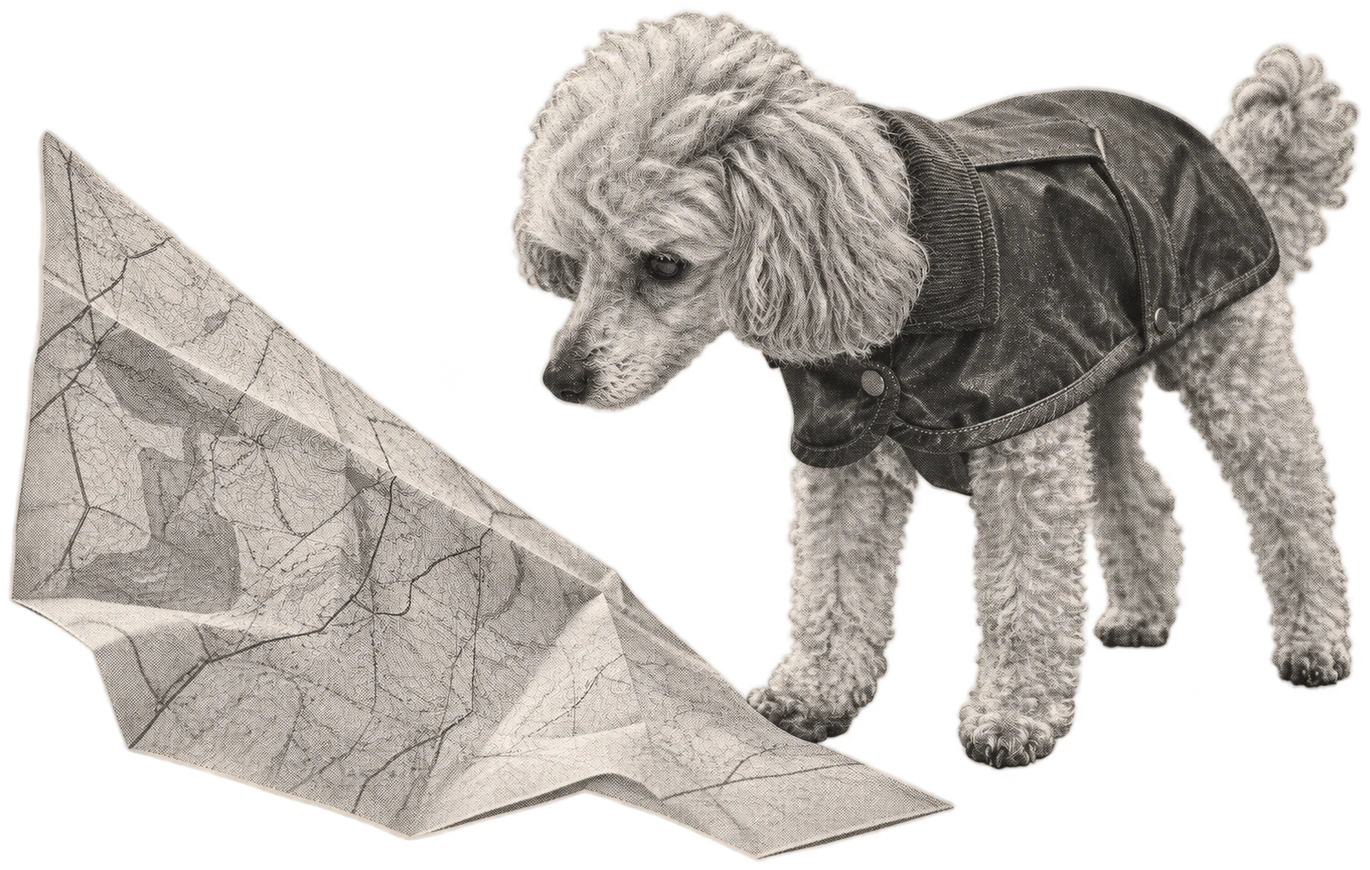
A Toy Poodle is the smallest Poodle the Royal Kennel Club recognises, but living with one is still very much a dog job. The good bit is a compact companion that can sniff round the park, learn the rules of your house and tuck up beside you afterwards. The trade is regular coat work and a dog that may notice which of those rules you only enforce when you can be bothered. Give them walks on their own feet and something to figure out. Put a decent comb next to the lead, because you’ll get plenty of use out of both. 128
Jump to a section
The short version
If yours is already home and you only change two things this week, make brushing a little easier and check what’s happening in their mouth. Start by finding out whether a comb gets through the coat behind each ear without a fight. Then ask your vet or nurse to show you what to look for on the gumline and how to get them used to a toothbrush. The haircut gets plenty of attention. The teeth can go unnoticed because a dog with a sore mouth may still eat dinner. 89
They may be small enough to lift out of trouble. That’ll come in handy sometimes, but a dog carried through every interesting bit of the walk never gets to tell you which bit was interesting. Let them sniff and make a few ordinary decisions somewhere safe. 11
Toy Poodle notes / 01
What to sort first
| Quick question | Useful answer |
|---|---|
| Which Poodle? | Toy, not Miniature or Standard. The UK show height is under 28 cm at the shoulder. 1 |
| What takes time? | Walks and company, plus coat and dental care. Start those handling habits before you need them. 8911 |
| What to ask a breeder for? | The specific prcd-PRA DNA result, clinical eye report and hip score for each parent. 2345 |
| What isn’t known? | A precise UK lifespan or a universal adult pet weight for the Toy is not established by the sources below. 17 |
Toy means a size variety, not a handbag
In Royal Kennel Club terms the three Poodle varieties are Toy, Miniature and Standard. They sit in the Utility group. Toy is the variety we’re talking about here; a picture of a close-clipped apricot puppy won’t tell you which one it is. The separately listed Miniature has its own standard and health recommendations. A Poodle cross is a different proposition again. 123
If the advert says “teacup”, ask the seller to show you where that sits in the RKC standard. It doesn’t. An adult who is as small as advertised still has to move comfortably, breathe properly and manage an ordinary dog’s day. I’d have a much better opinion of someone who shows you two healthy, comfortable parents than someone who can give you a grown-up weight to the nearest teaspoon. 1218
Toy Poodle notes / 02
What the name actually means
| Label | What it tells you |
|---|---|
| Poodle (Toy) | Recognised UK variety. 1 |
| Poodle (Miniature) | Different recognised size variety; look up that specific dog and its screening list separately. 3 |
| “Teacup”, “micro” or similar | Not a separate RKC variety or evidence of health. Look at the real parents and paperwork. 118 |
How big is your dog, without the haircut?
The RKC standard says the Toy should be under 28 cm at the shoulder. That’s a show-standard height, not a prescription for what your pet should weigh. The point to measure is the top of the shoulders, not the top of a properly magnificent haircut. The standard doesn’t give you a Toy weight target. If yours is over show height, that’s not a diagnosis and it’s not a reason to put them on a diet. 1
At home, measure chest and neck against the harness maker’s sizing and check the dog can turn, sit and move their shoulders freely. For their weight, keep track of the same dog on the same scale rather than trying to match a breed chart. Feeling for ribs and waist is more useful than judging what a round coat looks like from the kitchen doorway. Ask the practice to show you body condition if you’re not sure. 10
Toy Poodle notes / 03
Fit things to your own dog
| Measurement | Use it for |
|---|---|
| Under 28 cm at the shoulder | RKC ideal show height, not pet health or adult weight. 1 |
| Chest and neck | Fitting equipment to your dog, then checking fit again after a coat change or growth. |
| Rib feel and waist | Body condition alongside a weight trend; ask your vet or nurse to show you. 10 |
The coat is yours to look after
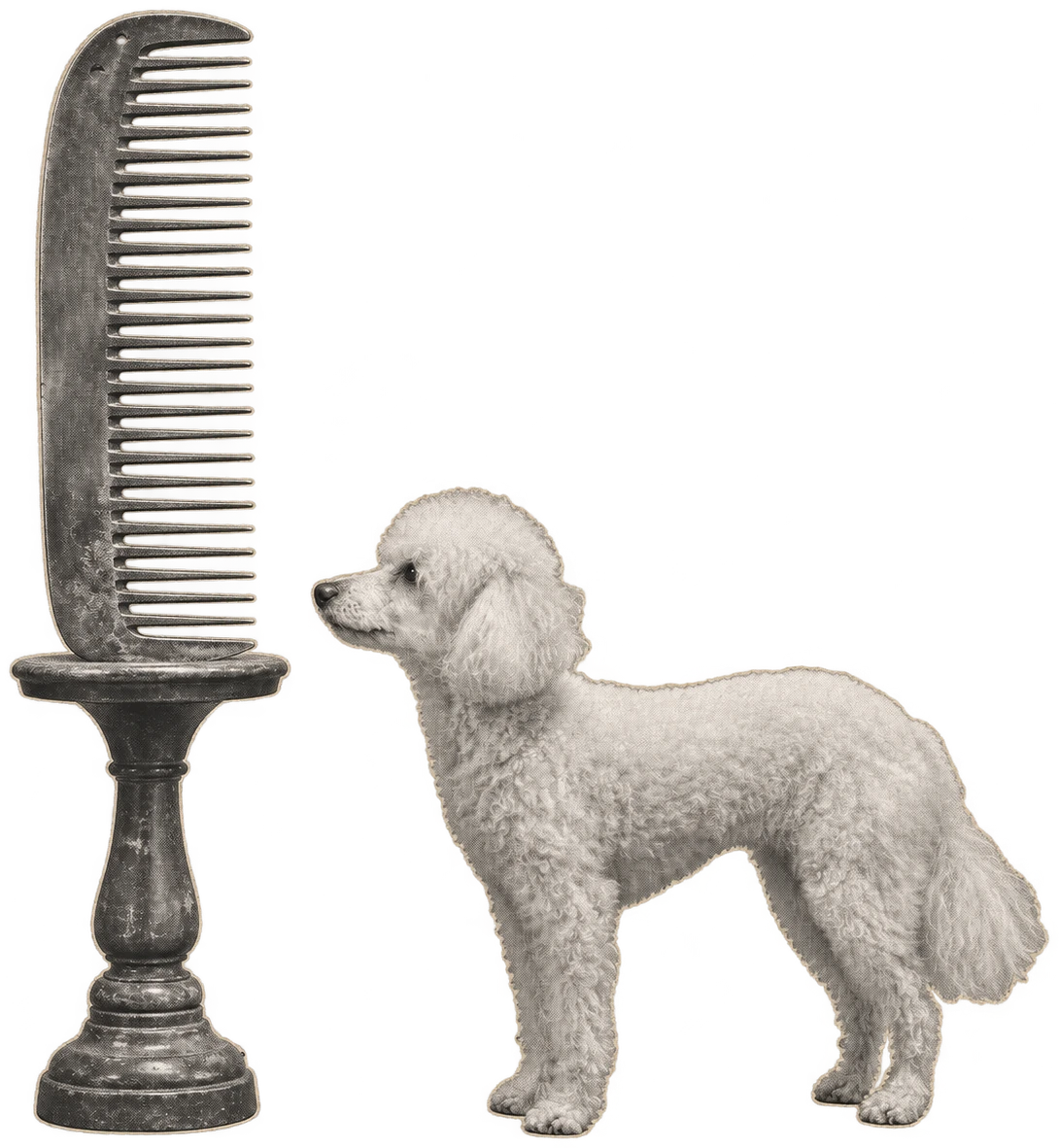
Those tight curls can look fine on top while a little knot has taken up permanent residence where the harness rubs. Work in small sections and ask your groomer to show you how to get a comb through to the roots without dragging it over the skin. Behind the ears, under the front legs and round the chest strap are a better use of your time than doing three extra passes over the middle of the back. 18
A shorter pet clip is fine if that helps you keep the coat comfortable. Agree a workable schedule for the dog rather than trying to copy a show clip. Practise being touched on the feet, face and ears calmly, then stop while the dog can still cope. If the comb catches hard or the skin looks sore, get a professional to help; don’t cut tight mats off with scissors. And don’t buy the dog as a workaround for someone’s allergy. A curly coat doesn’t make a dog allergy-proof. 817
Toy Poodle notes / 04
Places to look under the coat
| Check | What to do |
|---|---|
| Behind ears, under legs, under harness | Check with fingers and a comb where it reaches the coat roots, without pulling. |
| Dog starts ducking away | Make the next session shorter/easier; discuss pain or strong distress with a vet or groomer. |
| Choosing a clip | Pick the length and appointments you can actually maintain; keep the dog comfortable rather than chasing a show silhouette. |
| Allergies | No coat promise; get medical advice appropriate to the person before deciding. 17 |
What they’re like to live with
A Toy Poodle can be involved in the house without being the house manager. If yours is quick to work out that a squeak makes you put your sandwich down, the learning isn’t the problem. Teach another thing that works just as reliably: a soft bed you reward them for using while you finish a job. That’s more useful than telling them off for getting the answer right in a system you accidentally set up. 11
Take their real behaviour over anything you’ve heard about Poodles being clever. Some dogs like visitors immediately, and others are much happier when nobody tries to greet them in the hall. If the dog barks at every shoe outside the flat, block the view or move the bed before you go shopping for some elaborate training gadget. If the dog suddenly stops wanting to be touched or their normal appetite for games changes, flag it to the vet instead of calling it stubbornness.
Toy Poodle notes / 05
Watch the dog, not the size
| If you see | Try |
|---|---|
| Following every move | Give them a comfortable place to settle while you move around, and reward calm there. 11 |
| Door barking | Increase distance and reduce the view; practise calm arrivals with one quiet helper. |
| New withdrawal or defensive handling | Look for a change from normal and ask about pain before training through it. |
Training that earns its keep
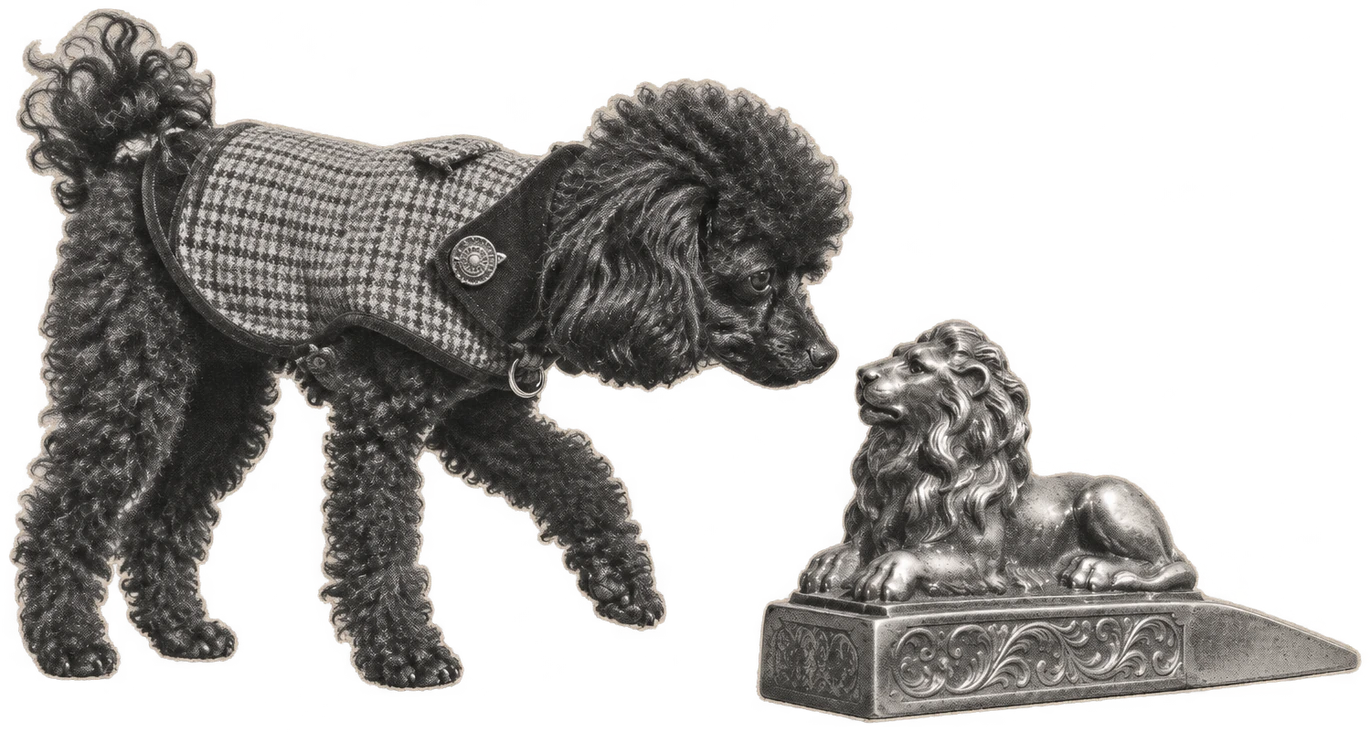
Start with the things you’ll need when the dog is muddy or there’s someone at the door. A chin rest can make face handling easier. Take it in steps: a voluntary chin down, a reward, a break. When they’re comfortable, build towards a brief touch with the comb or looking at a tooth. If they pull away, let them. There’s no point getting good at brushing feet on a dog that’s only staying still because it can’t get out of your grip. 811
Pay for checking in outdoors. If every return to you means the lead clips on and the walk is over, no wonder they take their time. Practise in easy places and sometimes reward them by sending them to sniff again. Use a standard lead where it’s busy, or a long line on a well-fitted harness where there’s space, while recall is still a work in progress. 12
Toy Poodle notes / 06
What’s worth practising
| Teach first | Where it helps |
|---|---|
| Chin rest or relaxed stand | Brushing, wiping paws and routine mouth checks without a scrap. |
| Mat | A place to wait while you open a door, eat or talk to someone. |
| Recall and voluntary check-ins | Real outdoor freedom over time. Keep the lead on when a mistake matters. 12 |
Give the little dog a real walk
A good outing doesn’t have to impress the exercise app. Let them move at a comfortable pace, sniff and take breaks. If your dog wants to investigate the same patch of grass as yesterday, that’s a perfectly good use of a minute. Games at home add something different: tuck some of their normal food into a snuffle mat, hide a toy in a room they know or try a short training play. They’re additions to a routine, not a reason never to get outside. 11
Keep heavy traffic and rough play in mind. Work around icy or hot surfaces and choose a route that suits the individual, not an exercise number invented for every Toy. If they’re normally keen and now they hang back, skip on a leg or start coughing with exercise, ask the practice before trying to condition them through it. 131415
Toy Poodle notes / 07
A walk on their own feet
| What kind of day? | A starting point |
|---|---|
| Normal | Walks at the dog’s pace, time to sniff, and something easy to practise along the way. |
| Bad weather or limited mobility | Short suitable outings and simple indoor scent games; follow your vet’s advice for illness or recovery. |
| Road, livestock or rough play | Use a lead and give space when it’s hard to keep them safe. 12 |
| New change from normal | Make a note of when it happens, then discuss it with the vet. 131415 |
Flat life, office days and a bit of peace
A flat can suit a Toy Poodle, provided you can get them out to the loo and they’ve somewhere quiet to stop listening to the landing. Thick floors aren’t part of the breed standard, unfortunately. Keep the first few trips away small enough to see what they do. A camera can tell you whether they settle after the door closes or keep pacing and calling. If the dog is struggling, turn it down to intervals they cope with and arrange cover for the times you can’t. Get advice early if they’re distressed. 16
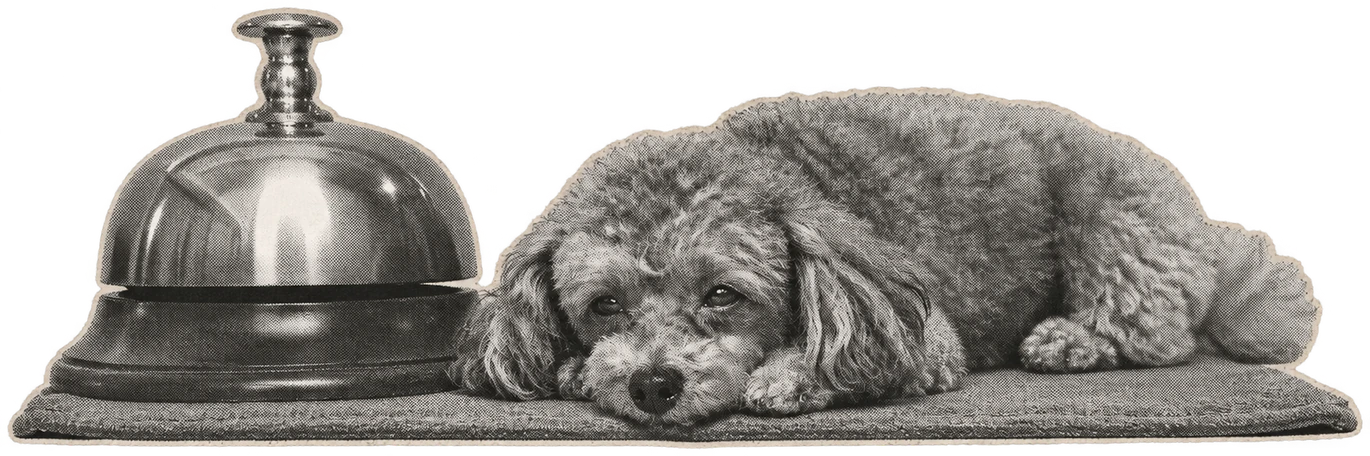
Set up a resting place that doesn’t put a tiny dog under people’s feet on the route to the kettle. A grippy runner where they’re sliding, a low bed and plenty of space to turn are simple. Avoid a blanket rule banning every stair or jump; ask your vet what makes sense for this dog if there’s an injury, weakness or recurring limp. 1314
Toy Poodle notes / 08
Make room for peace and quiet
| Home question | Practical answer |
|---|---|
| Flat? | Reliable toilet access, walks and a quiet spot matter more than floor area. |
| Regular time away? | Judge what the dog actually copes with; organise a handover before a long absence. 16 |
| Slippery floors or painful movement? | Add traction where useful and get a veterinary check on a new mobility change. 1314 |
Kids, bigger dogs and the cat
Don’t ask a child to carry the dog around because it can be carried. Let them roll a toy or help with an easy cue while the dog has room to leave. Stay close enough to step in and separate when you can’t supervise. Make sure children and visitors leave the dog alone when eating, sleeping or retreating. This is also a favour to the child: you’re not asking them to work out what a stiff little dog means on their own. 19
Pick dog company by how they play, not because all dogs supposedly sort it out. Give the smaller dog a way out of a fast collision or an endless chase. With cats, use a barrier early, give the cat a raised route and reward the dog for turning away rather than practising a pursuit. Ask a rescue what happened with animals in the last household, not just whether the listing had a tick next to “cats”. 20
Toy Poodle notes / 09
What to ask about the whole household
| Introduction | Start with |
|---|---|
| Children | Close adult supervision, no forced cuddles, no carrying, and somewhere the dog can retreat. 19 |
| Bigger dogs | Calm dogs and enough room to disengage; interrupt play before one is being knocked around. |
| Cats | Slow introductions, separation and a safe route the cat can choose. 20 |
Health: teeth first, separate the tests
Here’s the strongest specifically Toy-Poodle UK result in this guide. In UK primary-care records from 2016, researchers found periodontal disease recorded in 20 of the 77 Toy Poodles in their random sample of 22,333 dogs. That’s 25.97%, with a 95% confidence interval of 16.64–37.23%. Their separately adjusted model found higher odds than crossbreds (odds ratio 3.97, 95% CI 2.21–7.13); this isn’t four times the probability and the research doesn’t predict what happens to your dog. The denominator is small and the records only tell us what vets saw and documented in that year. It’s still a decent reason to take a look at the teeth. 6
Toy Poodle notes / 10
What the Toy Poodle studies and screens tell you
Recorded conditions and lifespan context
| Evidence | What it supports and what it doesn’t |
|---|---|
| Toy Poodle periodontal disease, 2016 UK records | 20/77 Toys, 25.97% recorded that year; not lifetime prevalence or a current estimate. 6 |
| Adjusted odds ratio versus crossbreds | 3.97 in the same study, 95% CI 2.21–7.13; not a raw percentage or an individual diagnosis. 6 |
| Lifespan | Large UK Dogs Trust table reports a pooled Poodle row (14.0 years, 6,427 dogs, 2,399 deceased). It doesn’t isolate Toy Poodles. We’re not calling it a Toy lifespan. 7 |
Breeding screens, not cures or health guarantees
| RKC level for Toy Poodle | What to look for |
|---|---|
| Good Practice | DNA test for one form of progressive retinal atrophy, prcd-PRA. Check which variant the report names. 24 |
| Best Practice | Good Practice plus clinical BVA/RKC/ISDS eye examination and a BVA/RKC hip dysplasia score. A DNA test is not an examination; ask for both where listed. 25 |
| Useful extra question | Ask about previous kneecap and dental problems in the family. Kneecap history is not presented here as part of the current RKC Good/Best Toy list. Results and dates refer to the actual sire and dam. 2913 |
What owners can look out for
Gum and tooth disease:
brushing with dog toothpaste is useful where the mouth is comfortable. Ask your vet to look at bleeding gums, a change in breath, dropped food or chewing on one side; eating normally doesn’t rule out pain. 69
prcd-PRA and changes in sight:
difficulty in dim light can be noticed with this type of inherited retinal disease, but other things also change how a dog moves. If they start hesitating on a familiar dim route or knocking into things, tell the vet what changed. That’s more useful than deciding from a DNA label what it must be. 421
Other eye problems:
a red, suddenly cloudy or squinting eye is not an inherited screening appointment. Contact the practice promptly; pain or sudden loss of vision needs urgent advice. 521
Kneecap problems:
repeated skips, lifting a hind leg or reluctance to move need checking. A short film of normal movement can help the vet if safe. Don’t force movement or try to put a kneecap back yourself. This is a useful small-dog check, not a Toy-specific prevalence claim. 13
Hip problems:
ask about gait, struggling to rise or a change in normal activity rather than assuming the dog is just getting old. A parent’s score is screening evidence, not a diagnosis in their adult offspring. 514
Cough and breathing:
note when a persistent cough happens and call the vet; don’t assume a breed-related cause. Struggling to breathe or collapsing is urgent. 15
Coat, ears and skin:
if an ear smells, hurts or has discharge, or a mat hides sore skin, ask for a check before doing anything vigorous to the area. No cotton buds or leftover drops unless your vet tells you what to use. 822
Weight change:
with a small dog it’s easy for little extras to become a noticeable share of the day’s food. Follow your own dog’s body condition and weight trend. Unexpected loss or gain is a reason to check with the practice, not to guess a diet from a show measurement. 10
The small dog budget still needs a grooming line
PDSA’s general small-dog estimate, calculated in 2024, gives £415 for setup and £69 a month for listed minimum ongoing basics. It isn’t a Toy Poodle quote, and the figure excludes buying the dog, grooming, illness and injury vet fees and services like training classes or day care. Get actual prices in your area and compare how often you’d realistically use them. 23
When you phone a groomer, ask how long they suggest going between appointments for the coat and clip you want, and what they charge for a coat that arrives knotted. Read insurance exclusions, dental terms, excess and annual limits, not just the number on the first screen. The weekly cost of looking after a small dog usually makes more sense on paper than trying to remember which payment went out when.
Toy Poodle notes / 11
What the small dog still costs
| Cost | Price it this way |
|---|---|
| Basic setup and care | £415 and £69/month are dated PDSA small-dog minimum examples, not your budget. 23 |
| Grooming | Get the actual local price and intended interval; include a useful comb and suitable brush. |
| Vet/insurance | Check dental inclusions and exclusions, excess, renewal, claim limits and actual prices. |
| Puppy or workday cover | Budget for the days you aren’t there, not only the days you work from home. |
Why the Poodle came before the haircut
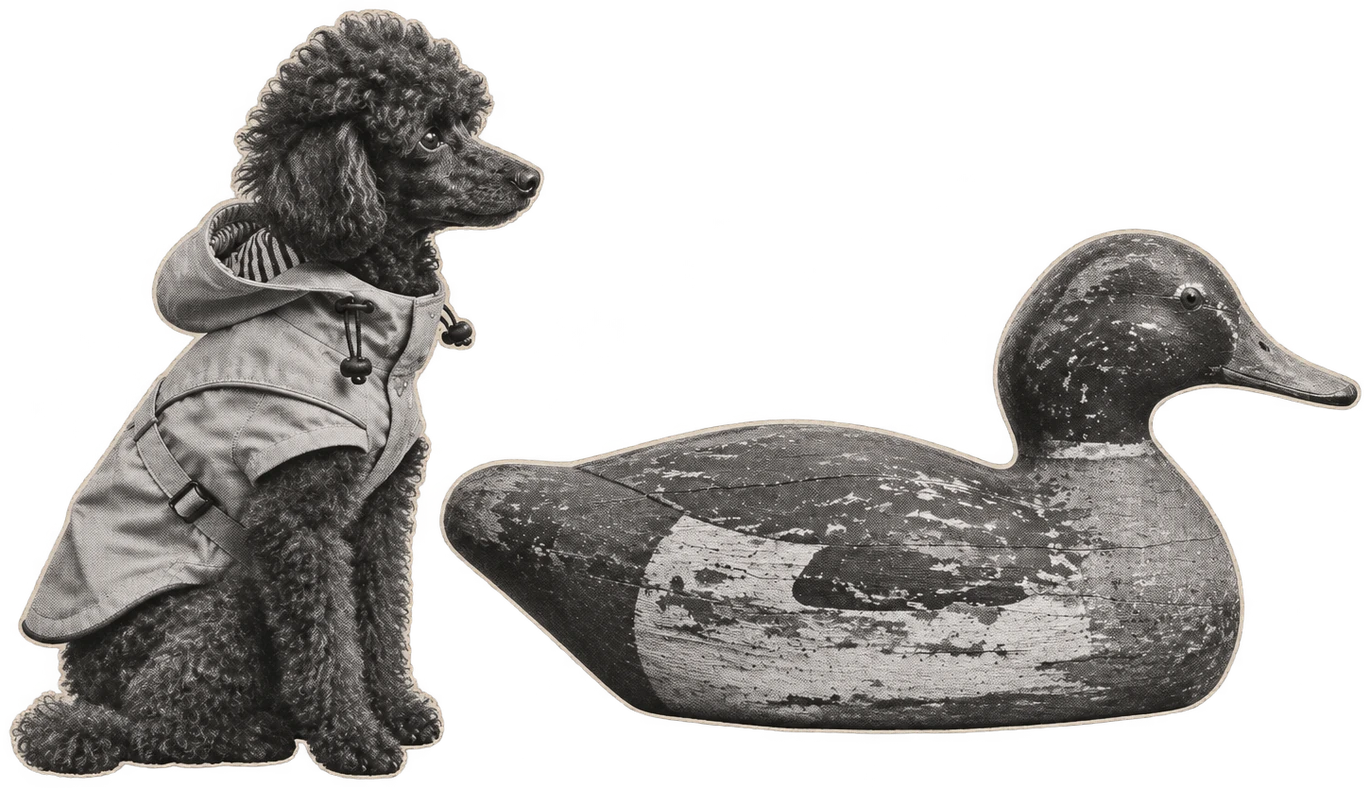
The international Poodle standard traces the Poodle family to work around water and wildfowl. The FCI standard lists France and describes the link with the Barbet. That’s family history, not a job description for every modern Toy or a claim they were all bred to fetch ducks. The RKC has three listed varieties in the UK and puts this one in Utility. 1324
You don’t need to explain every bit of a dog’s behaviour by going back four hundred years. Give the one in your house something they enjoy doing. If they like fetching a soft toy, plenty of games can begin there. If they hate the pond, the family history isn’t going to change their mind.
Toy Poodle notes / 12
The dog behind the haircut
Getting one
An adult rescue can often tell you more about day-to-day life than the best puppy photo. Ask how far they enjoy walking, whether they’re comfortable being combed to the skin, whether they’ve had dental treatment and whether the person who looked after them saw them settle alone. For a household with a cat, ask what the meeting looked like, not just whether they could be ticked as safe.
For a puppy, follow GOV.UK buying guidance and the rules where you live. Meet the puppy with their mum in the place they’re kept, see the adults move freely and ask to see the health records yourself. Read both parents’ identities, date and scheme/lab on the actual reports. Ask the breeder to explain their pairing, especially if a DNA result is described as carrier or hereditary clear, with the scheme records, and get veterinary advice if the evidence is unclear. Walk away from hard pressure or a handover where you can’t see how they’re being raised. 2418
Toy Poodle notes / 13
What to check before deciding
| Before committing | First check |
|---|---|
| The dog and housing | Meet mum with puppy at the premises, check who owns the whole process. For an adult, ask what’s known and unknown. 18 |
| Chemistry | Ask whether they were comfortable being handled, left and around your particular sort of household. |
| Health | Both parents’ exact paperwork, eyes and hips separate from DNA; actual reported health while growing up. 2345 |
| Quiet reality check | Is there enough time and money for grooming, teeth, walks and company once the fuss about the puppy has passed? |
General UK information only, not individual veterinary advice. No clinical review, diagnosis or approval claimed.
Sources
- S1Royal Kennel Club: Poodle (Toy) breed standardReference · checked 20 November 2026
- S2Royal Kennel Club: Poodle (Toy) health and breed profileReference · checked 20 November 2026
- S3Royal Kennel Club: Poodle (Miniature) breed standardReference · checked 20 November 2026
- S4Royal Kennel Club: prcd-PRA DNA test and symptomsReference · checked 20 November 2026
- S5
- S6O’Neill et al., 2021, primary UK VetCompass periodontal disease study, Figure 1/Table 1 and adjusted modelReference · checked 20 November 2026
- S7Dogs Trust/McMillan et al. 2024 original published survival table; pooled Poodle rowReference · checked 20 November 2026
- S8PDSA: grooming and coat careReference · checked 20 November 2026
- S9PDSA: dental disease in dogsReference · checked 20 November 2026
- S10PDSA: your dog’s body condition scoreReference · checked 20 November 2026
- S11Dogs Trust: dog enrichment activitiesReference · checked 20 November 2026
- S12Dogs Trust: recall and long-line trainingReference · checked 20 November 2026
- S13PDSA: luxating patella in dogsReference · checked 20 November 2026
- S14PDSA: hip dysplasia in dogsReference · checked 20 November 2026
- S15PDSA: coughing and breathing difficulty
PDSA: collapse first-aid guidanceReference · checked 20 November 2026 - S16Dogs Trust: separation anxiety signs and supportReference · checked 20 November 2026
- S17Allergy UK factsheet, University Hospitals Dorset NHS hostReference · checked 20 November 2026
- S18GOV.UK: buying a cat or dogReference · checked 20 November 2026
- S19Dogs Trust: getting a dog when you have childrenReference · checked 20 November 2026
- S20Dogs Trust: helping cats and dogs live togetherReference · checked 20 November 2026
- S21PDSA: eye problems in dogsReference · checked 20 November 2026
- S22PDSA: ear problems in dogsReference · checked 20 November 2026
- S23PDSA: cost of owning a dog and 2024 underlying estimatesReference · checked 20 November 2026
- S24FCI: Poodle, standard 172 and its official historyReference · checked 20 November 2026
Five original editorial photo-first newspaper cutouts. These are generated editorial images of plausible Toy Poodles, not photographs documenting individual dogs or clinical findings.
