
Breed guide / Soft Coated Wheaten Terrier
Living with a Soft Coated Wheaten Terrier
The Soft Coated Wheaten Terrier is an Irish working terrier with a silky, wheat-coloured coat that falls in waves. The beard collects half the walk, and a young dog can look freshly brushed while the puppy hair is tangling underneath. Learn how to comb the coat as it changes and how to turn away when your dog spots something worth pursuing. Those will get used more often than anything you read about the show ring. 1234

Jump to a section
The puppy coat can catch you out
The UK breed club describes a period when adult coat comes in among the old puppy hair. If grooming has suddenly got harder, check underneath before you blame the brush. Split the coat in small sections, work gently and go back particularly to areas that catch repeatedly. A breed-experienced groomer can show you the difference between a comb catching and a mat pulling skin. Don’t dig scissors under a tight mat. 3456
Soft Coated Wheaten Terrier notes / 01
Field notes
| After the next walk | Why bother |
|---|---|
| Feel behind elbows and where the harness rubs | Harder-to-see knots can form even when the top looks tidy. 357 |
| Check the beard and feet | You can clear loose debris while it’s easy to reach. 35 |
| Note where a comb starts catching each time | Tell the groomer what you found rather than asking for a new brush without showing the problem. 35 |
Soft coat, not soft furnishings
Soft Coated Wheaten Terrier notes / 02
Field notes
The Wheaten is a compact medium-sized terrier, not a Poodle cross or a soft-haired version of the Irish Terrier. The Royal Kennel Club describes a flowing, soft coat with large loose curls or waves, folded ears and a square muzzle. Young dogs can look darker and can have a different texture as the coat develops. 12348
What the measurements don’t tell you
Soft Coated Wheaten Terrier notes / 03
Field notes
The UK show standard gives approximate heights of 46–49 cm and weights of 16–20.5 kg for males, with females somewhat smaller. It describes the show ideal, not the weight to feed towards. Feel for ribs and assess the waist under the coat. A bulkier-looking winter outline may be hair, but a changed weight or body condition is worth checking rather than guessing. 19
Keep the comb out when nothing needs fixing
Soft Coated Wheaten Terrier notes / 04
Field notes
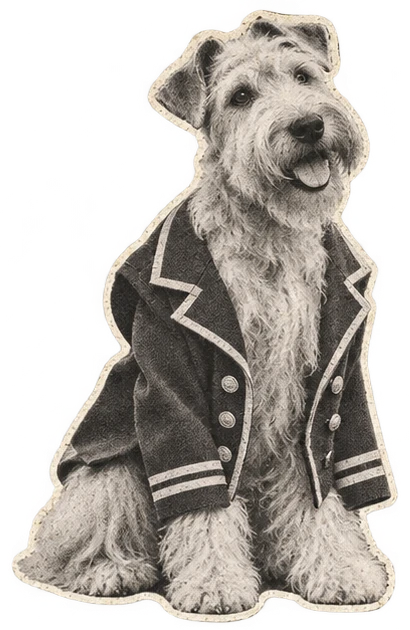
Practise one easy bit of the grooming routine on a dog that’s already comfortable. Let them step away. If they’ll accept the comb down a shoulder but start tensing as you reach a foot, stop treating that as one task. The club has grooming resources, and a groomer can watch your hands and show you where to use less pressure. If handling starts to hurt when it didn’t before, tell your vet. 35610
Let the first greeting happen away from the door
Soft Coated Wheaten Terrier notes / 05
Field notes
If your Wheaten rushes up to everyone, put a gate or other suitable barrier in place before opening the door. Practise walking to where a visitor will actually greet them, well clear of the door; reward when paws are on the floor. Ask the guest to wait instead of stepping in and pushing the dog down. 611
Learn the turn before the dog spots the squirrel
Terrier history doesn’t excuse letting a dog chase. Build a turn with you on a lead where the dog can still respond, then vary the distance. The cue isn’t finished because it worked in your kitchen. If your dog fixes on movement and stops taking notice of you, don’t move closer to prove a point. 1271213
Give the walk room to change
Soft Coated Wheaten Terrier notes / 07
Field notes
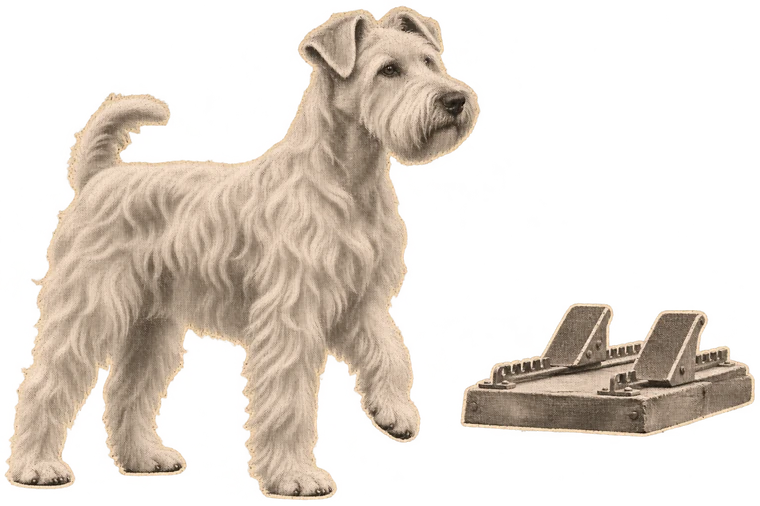
Match outings to the dog’s age, fitness and weather. Use a lead around livestock and wildlife as appropriate, and choose a wider route if passing close would set both you and the dog up to fail. If your Wheaten starts lagging, limping or avoiding something they’d usually do, make a note and have the change assessed rather than putting it down to enthusiasm fading. 12151617
Tell the walker what you’ve actually seen
Soft Coated Wheaten Terrier notes / 08
Field notes

Give anyone taking the lead a specific handover: what they’re likely to encounter, how much space your dog needs and what to do instead of standing there calling their name. Tell them what to check in the coat after an outing and what the dog tolerates. Make it a job a real person can repeat. 3571218
A family dog still gets a way out
Soft Coated Wheaten Terrier notes / 09
Field notes
Kidney checks and DNA reports are different things
The Royal Kennel Club central Health Standard names BVA/RKC/ISDS eye testing and BVA/RKC hip scoring at Best Practice. Its breed profile advises prioritising genetic diversity at Good Practice, but no named test is shown in that central column. The UK Wheaten club separately encourages health monitoring for protein-loss conditions and its code strongly recommends breeding parents’ DNA tests for PLN-associated variants, DM and RBP4-related microphthalmia. That is club guidance, not the Royal Kennel Club test list. 221222324
Soft Coated Wheaten Terrier notes / 10
Field notes
| Read or ask about | What it can and can’t tell you |
|---|---|
| PLN and PLE | Protein-losing nephropathy concerns protein being lost via the kidneys; enteropathy concerns loss via the gut. Either requires clinical investigation, not guesswork about a food or a gene. 222526 |
| PLN-associated DNA result | It describes risk associated with specific inherited variants, not whether the dog is losing protein today. The original association research was in selected dogs; it doesn’t supply a current UK population rate. 222325 |
| Blood and urine checks | Ask your vet what makes sense for this dog, how results like urine protein should be interpreted and when to recheck. Normal monitoring helps describe the dog now; it cannot promise nothing will change. 2227 |
| Changes you can observe | Flag persistent vomiting or diarrhoea, unexplained weight loss or drinking and peeing more. These signs can have several causes; tell the vet what changed and whether it’s getting worse. 26272829 |
| UK lifespan data | The 2024 Dogs Trust study estimated a median of 13.7 years (95% CI 13.2–14.4) in 620 Wheatens, with 173 recorded deaths. It describes that cohort, not this dog’s future. 3031 |
Budget for the coat between appointments
Soft Coated Wheaten Terrier notes / 11
Field notes
Ask the groomer for an assessment before assuming one price fits both puppy and adult coats. Work out which maintenance you’ll do between visits and what help is available if you’re away. Ask the vet what health monitoring they would discuss and check what your insurance covers. A monthly budget for grooming is a different thing from cover for tests when the dog is unwell. 3452232
The Irish working dog behind the beard
Soft Coated Wheaten Terrier notes / 12
Field notes

The Royal Kennel Club records the Wheaten’s Irish working history and recognition by the Irish Kennel Club in 1937, followed by the Kennel Club in 1943. The club describes a farm dog with a range of jobs. There’s no need to turn an old job into a training project; you can give your dog a safe investigation game and leave the wildlife alone. 241214
Before you take one home
Soft Coated Wheaten Terrier notes / 13
Field notes
For a puppy, see the mother where the litter is raised, ask for the dated results on the named parents and get someone to show you how to comb an adult coat. For a rescue, ask what happens when a person clips on the lead, picks up a comb or opens the garden gate, and what hasn’t been seen yet. A dog keeping still for a portrait is not the part you’ll live with. 36212223243334
Sources
- S1Royal Kennel Club Wheaten standard and dimensionsSource · checked 21 November 2026
- S2Royal Kennel Club breed history, health profile, eye/hip and genetic diversitySource · checked 21 November 2026
- S3UK club grooming and puppy-coat changeSource · checked 21 November 2026
- S4UK club breed background and practical lifeSource · checked 21 November 2026
- S5PDSA veterinary grooming guidanceSource · checked 21 November 2026
- S6Dogs Trust positive introduction to handlingSource · checked 21 November 2026
- S7Dogs Trust harness fitSource · checked 21 November 2026
- S8Royal Kennel Club separate Irish Terrier standardSource · checked 21 November 2026
- S9PDSA assessment of body conditionSource · checked 21 November 2026
- S10PDSA home health checksSource · checked 21 November 2026
- S11Dogs Trust training for visitorsSource · checked 21 November 2026
- S12Dogs Trust preventing chasingSource · checked 21 November 2026
- S13Dogs Trust recall and controlled practiceSource · checked 21 November 2026
- S14Dogs Trust safe enrichment activitiesSource · checked 21 November 2026
- S15Natural England Countryside Code and keeping dogs under controlSource · checked 21 November 2026
- S16PDSA veterinary exercise by dogSource · checked 21 November 2026
- S17PDSA limping and stiffnessSource · checked 21 November 2026
- S18Dogs Trust finding a dog walkerSource · checked 21 November 2026
- S19Dogs Trust supervising contact with childrenSource · checked 21 November 2026
- S20Dogs Trust keeping chews and feeding safeSource · checked 21 November 2026
- S21Royal Kennel Club central exact screening tiersSource · checked 21 November 2026
- S22UK Wheaten club clinical and DNA testing guidanceSource · checked 21 November 2026
- S23UK Wheaten club breeding codeSource · checked 21 November 2026
- S24UK Wheaten club DNA tests and namesSource · checked 21 November 2026
- S25Littman et al., original Wheaten NPHS1/KIRREL2 association workSource · checked 21 November 2026
- S26Littman et al., historical clinical series of affected dogs, not a UK rateSource · checked 21 November 2026
- S27PDSA kidney disease in dogsSource · checked 21 November 2026
- S28PDSA unexplained weight lossSource · checked 21 November 2026
- S29PDSA drinking and peeing moreSource · checked 21 November 2026
- S30Dogs Trust research team's original UK lifespan tableSource · checked 21 November 2026
- S31McMillan et al., original methods and resultsSource · checked 21 November 2026
- S32PDSA cost of ownership and vet plansSource · checked 21 November 2026
- S33RSPCA seeing the puppy with the motherSource · checked 21 November 2026
- S34Dogs Trust rescue matchingSource · checked 21 November 2026
