
Breed guide / Small Yorkshire Terrier
Small Yorkshire Terriers: what ‘miniature’ means
A “miniature” Yorkshire Terrier is a small Yorkie, not a separate recognised breed. The label doesn’t tell you how big the dog will get or how healthy it is. If you already live with a little one, look at where they jump down, how the harness fits and whether they’re comfortable having their mouth looked at. Those things will tell you more than the name on an advert. 12345
Jump to a section
The short version
Start at floor level. Put a bed where people won’t back into it, cover a slippery stretch if the dog struggles there and block a drop they keep jumping from. If they’re small enough to vanish behind a cushion, check where they are before you sit down. 3 6 7
Get used to what their mouth and movement look like when they’re well. Build up to tooth brushing in small steps. If eating changes, a cough keeps coming back or the same leg lifts on several walks, ask the vet rather than deciding it’s just part of being little. 5 8 9 10
Small Yorkshire Terrier notes / 01
Useful first changes
| Start here | Do this |
|---|---|
| Floor | Give them a non-slip, unhurried way to move through the house. 3 6 |
| Teeth | Ask a vet nurse to show you a gentle start with dog toothpaste. 8 |
| Walks | Check the harness fits and choose somewhere with room to pass larger dogs. 7 11 |
| Health | Get recurring coughing, limping or difficulties eating checked. 5 9 10 |
It’s a label, not another breed
The Royal Kennel Club has one Yorkshire Terrier breed standard and says it doesn’t recognise teacup breeds. “Miniature”, “micro” and “teacup” don’t give you a separate standard here. A healthy Yorkie can simply be small; that isn’t the same thing as breeding towards ever smaller adult dogs. Welfare organisations warn about marketing extreme size. 1 2 3
Small Yorkshire Terrier notes / 02
A label, not a breed
There’s no target to get them under
The written UK standard says “up to 3.2 kg”. That’s a description of a show ideal, not a cutoff for miniature status or a reason to feed less. Many Yorkshire Terriers in ordinary UK vet records weighed more. Your vet can help you use their frame, body condition and change over time, not a weight from an advert. 1 4 12
Check the actual chest for a harness and watch them walk in it. An adjustable harness should still sit where you put it when they lower their head. Try fitting it again after a trim if the coat usually gets in the way. 11 13
Coat, claws and what’s under the face
Brush in comfortable little sections and check under the legs and around harness straps. Hair can hide a mat or a rubbed patch. If you use a shorter pet trim, keep checking the nails and feet. They don’t get shorter just because the rest of the dog did. 4 11 13
Start handling nails and the face gently when everyone’s calm. Don’t force a mouth open to have a look. Persistent bad breath, bleeding gums, adult and puppy teeth sitting together or dropping food are reasons to ask for a dental check. 8 14 15
Small Yorkshire Terrier notes / 04
Easy handling
| Spot | Useful check |
|---|---|
| Behind ears and straps | Check for a tangle or sore spot underneath. 11 13 |
| Nails | Get help if they’re overgrown or you’re not confident trimming them. 4 13 |
| Teeth | Look gently for changes while cleaning, if the dog’s comfortable. 8 15 |
| Coat around the eyes | Check for irritation and get a painful or closed eye seen urgently. 16 |
Give a small dog some say in the matter
Ask people to let the dog approach on their own feet. If somebody crouches over them and the dog leans away, stop there. Reaching after a dog that’s trying to get away is a good way to make them less keen the next time. 14 17
If yours barks from the window, work out what starts it and give them somewhere else to watch the world from. If they only bark when they’re left, take a different approach: start with time alone they can manage and get help if they can’t settle. 18 19 20
Small Yorkshire Terrier notes / 05
Give them room
Train at the dog’s height
Get down where they can see what you’re offering without putting their paws up your leg. Use a toy or a small piece from their food allowance. Practise a few steps together and reward an easy return, first in a quiet place where they’re actually able to hear you. 7 21 22
Keep handling practice separate from the real job. Touch a paw, stop and reward while they’re still comfortable. For tooth brushing, start with the vet nurse’s advice and don’t turn every practice into an attempt to finish the whole mouth. 8 14 15
Give them walks, just not somebody else’s pace
A small Yorkie still gets to sniff and explore. Pick a route where they can move at their own pace and have enough space from other dogs. If they slow up, start lifting a leg or refuse a step they usually manage, ease off and consider whether it needs a check. 5 7 9 23
Try an easy outing before adding time or distance. Don’t make them keep up with a much larger dog. Stay close when footing is uncertain and use a cooler part of the day when it’s hot. 7 23 24
Small Yorkshire Terrier notes / 07
Choose their pace
| Situation | What helps |
|---|---|
| Other dogs are crowding the path | Move out of the way or turn back before the greeting. 7 17 |
| Young or older dog | Match the outing to ease of movement and recovery. 23 |
| Heat | Cooler times, shade and less effort rather than the full route. 24 |
| Repeat hop or reluctance to walk | Speak to the vet; small size isn’t an explanation. 9 |
A bed they can get to on their own
Put their bed and water where a person won’t have to step over them to open a door. Use a gate or rearrange furniture if the dog repeatedly jumps down from a height they struggle with. Don’t balance a wobbly object next to the sofa and call it a step. 3 6
Keep a measured feeding routine. If a tiny puppy refuses food and seems weak or unusually sleepy, get urgent veterinary advice rather than assuming they’ll eat later. Ask your vet early for an individual feeding plan if you’re particularly concerned about a small puppy. 3 22 25
Small Yorkshire Terrier notes / 08
Easy to get to
Keep important introductions on the floor
Have an adult supervise time with children and put the dog somewhere separate when you can’t watch. Let the child offer a toy at floor level rather than carrying the dog round. Small dogs aren’t toys and being able to lift one doesn’t mean it likes being lifted. 3 14 27
For other pets, arrange somewhere each animal can retreat. Give a larger dog space to move away too. Don’t hold a little Yorkie in the air while a strange dog comes over to sniff. Use barriers and gradual introductions where appropriate. 17 28 29
Health evidence is for Yorkshire Terriers, not a miniature subgroup
In an analysis of 3,308 Yorkshire Terriers from 2016 UK primary-care records, 21.1% had periodontal disease recorded. The researchers did not report a separate “miniature” group. That’s a reason to take dental care seriously, not a way to work out one dog’s risk. Ask about retained baby teeth and getting started with brushing before a problem makes it painful. 4 8 15 30
Get persistent coughing, a distinct skip or a change in eating checked. PDSA lists tracheal collapse as one Yorkshire Terrier concern, but you can’t identify the cause of a cough by its sound alone. Difficulty breathing or collapse warrants immediate veterinary advice. The Royal Kennel Club’s current Yorkshire Terrier row lists neither Good nor Best Practice tests; that doesn’t mean dogs have no health conditions or that a vet check is optional. 5 9 10 31 32 33
The median age at death in the 464 Yorkshire Terriers that died in the 2016 analysis was 13.56 years. That is for the dogs in the study that died during its observation period, not a representative lifespan for Yorkies sold as miniature or a prediction for yours. For breeding and buying, ask about actual family and vet history rather than relying on a claimed size category. 2 3 4 33 34
Small Yorkshire Terrier notes / 10
Health conditions and screening
| Check | Use it this way |
|---|---|
| Gum and tooth care | Set up preventive care; pain or changes in eating need attention. 8 15 |
| Retained puppy teeth | Get the mouth checked if adult and milk teeth are sitting together. 4 8 |
| Persistent cough | Vet assessment; difficulty breathing needs urgent help. 5 10 31 |
| Repeated skipping | Ask the vet to assess the legs, not just the breed label. 4 9 |
| Weak young puppy | Call a vet; don’t assume it’s a normal part of being small. 3 25 |
| Health screening | No specific tests in the current two-tier Yorkshire Terrier row; ask about relevant history. 33 |
| Lifespan evidence | Yorkshire Terrier study only; no separate miniature estimate. 4 |
Little dog, proper bills
Ask your local vet what routine care costs and have a plan for teeth. Read a policy’s dental terms, excess and exclusions rather than assuming a small dog costs less to treat. Work out what grooming you can do comfortably at home and what you need help with. 8 13 35
Take the dog when you choose equipment, if the shop can accommodate them calmly. Ask a walker how they handle size differences in a group. You want somebody who’ll notice the dog behind their boot, not somebody who’ll carry them after the first ten minutes. 11 17 36
Small Yorkshire Terrier notes / 11
Dental costs and daily care
The Yorkie came first
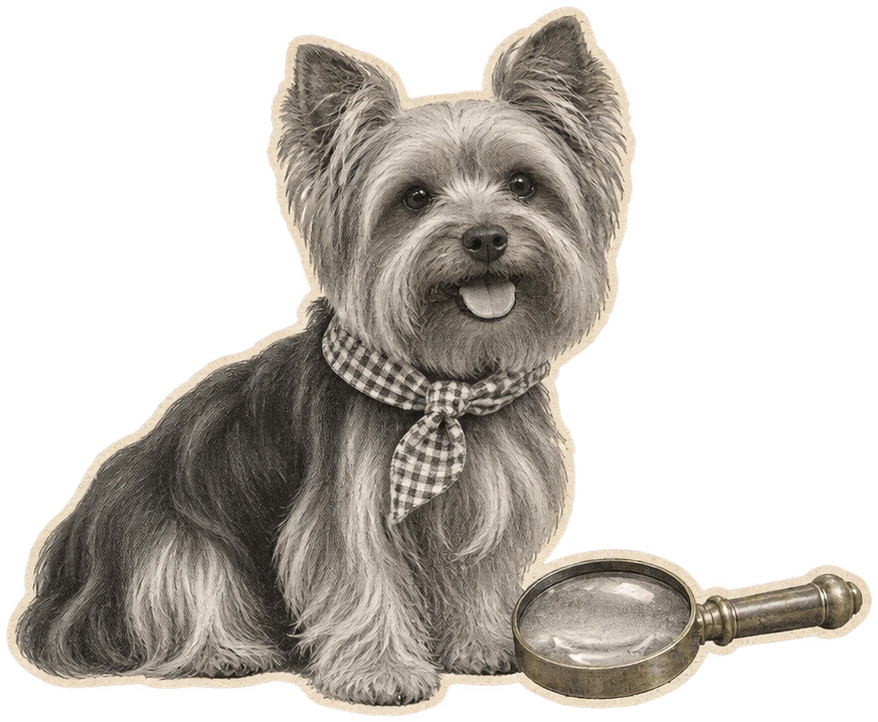
The Royal Kennel Club lists the Yorkshire Terrier as an established British toy breed, with its own history and written standard. The size labels came from how people describe or market particular dogs. They don’t create separate ancestors, health data or a special set of traits. 1 2 37
Ask about the dog, not the advertised weight
If you’re meeting an adult, ask what they eat, how they get around and what dental treatment they’ve had. Ask whether they can walk with you on a quiet route. For a puppy, meet them with their mum where they were bred and ask to see health and veterinary records. Walk away from someone who makes the smallest possible adult weight the main reason to buy. 2 3 34 38
If you already have the dog, pick one thing to make easier today. Give them a safer way down, check where the harness sits or ask the vet nurse to show you how to start tooth brushing. None of those things needs a new name for the dog. 6 8 11
Small Yorkshire Terrier notes / 13
Ask about the dog
| Ask or arrange | Useful detail |
|---|---|
| Records | Mouth checks, health history and how the adult actually moves. 8 34 |
| Feeding | What they’re eating now and any concerns that need vet input. 22 38 |
| Handling | Where they like being touched and what needs practice. 14 |
| House | Quiet rest, safe access and a first route you can both manage. 6 38 |
Sources
- S1Royal Kennel Club Yorkshire Terrier official written standardSource · checked 21 November 2026
- S2Royal Kennel Club teacup label and non-recognition guidanceSource · checked 21 November 2026
- S3Blue Cross veterinary and welfare guidance on extreme size and fragile puppiesSource · checked 21 November 2026
- S4VetCompass original Yorkshire Terriers under UK primary vet care studySource · checked 21 November 2026
- S5PDSA veterinary Yorkshire Terrier breed profile including tracheal diseaseSource · checked 21 November 2026
- S6Canine Arthritis Management veterinary home adaptations for safe footing and movementSource · checked 21 November 2026
- S7Dogs Trust recall and safe long-line useSource · checked 21 November 2026
- S8PDSA veterinary guidance on dental disease and preventionSource · checked 21 November 2026
- S9PDSA luxating patella and checking a repeated skipSource · checked 21 November 2026
- S10American College of Veterinary Surgeons clinical overview of tracheal collapse, not a UK screening sourceSource · checked 21 November 2026
- S11Dogs Trust introducing and fitting a harnessSource · checked 21 November 2026
- S12PDSA checking a dog's body conditionSource · checked 21 November 2026
- S13PDSA grooming and skin checksSource · checked 21 November 2026
- S14Dogs Trust low-pressure handlingSource · checked 21 November 2026
- S15PDSA how to check the mouth and teethSource · checked 21 November 2026
- S16PDSA veterinary advice on eye pain and holding an eye shutSource · checked 21 November 2026
- S17Dogs Trust reading body languageSource · checked 21 November 2026
- S18Dogs Trust recognising barking triggers and keeping space at windowsSource · checked 21 November 2026
- S19Dogs Trust practising time alone graduallySource · checked 21 November 2026
- S20PDSA separation anxiety and veterinary or behaviour helpSource · checked 21 November 2026
- S21Dogs Trust reward-based focus trainingSource · checked 21 November 2026
- S22PDSA practical dog feeding and treatsSource · checked 21 November 2026
- S23PDSA exercise by age, comfort and conditionSource · checked 21 November 2026
- S24Dogs Trust safety in hot weatherSource · checked 21 November 2026
- S25PDSA veterinary guidance on young puppies and signs related to low blood sugarSource · checked 21 November 2026
- S26Dogs Trust mat and settle trainingSource · checked 21 November 2026
- S27Dogs Trust child and dog supervisionSource · checked 21 November 2026
- S28Dogs Trust cat and dog introductionsSource · checked 21 November 2026
- S29Dogs Trust dog-to-dog introductionsSource · checked 21 November 2026
- S30Royal Veterinary College VetCompass study summary and dental adviceSource · checked 21 November 2026
- S31PDSA emergency advice if your dog is struggling to breatheSource · checked 21 November 2026
- S32PDSA emergency advice for a collapsed petSource · checked 21 November 2026
- S33Royal Kennel Club current central Health Standard, Yorkshire Terrier rowSource · checked 21 November 2026
- S34RSPCA advice on selecting and visiting a breederSource · checked 21 November 2026
- S35PDSA dog ownership costs and insurance considerationsSource · checked 21 November 2026
- S36Dogs Trust guidance on finding a walkerSource · checked 21 November 2026
- S37Royal Kennel Club Yorkshire Terrier breed profile and historySource · checked 21 November 2026
- S38Dogs Trust settling a rehomed dogSource · checked 21 November 2026
