
Breed guide / Siberian Husky
Living with a Siberian Husky
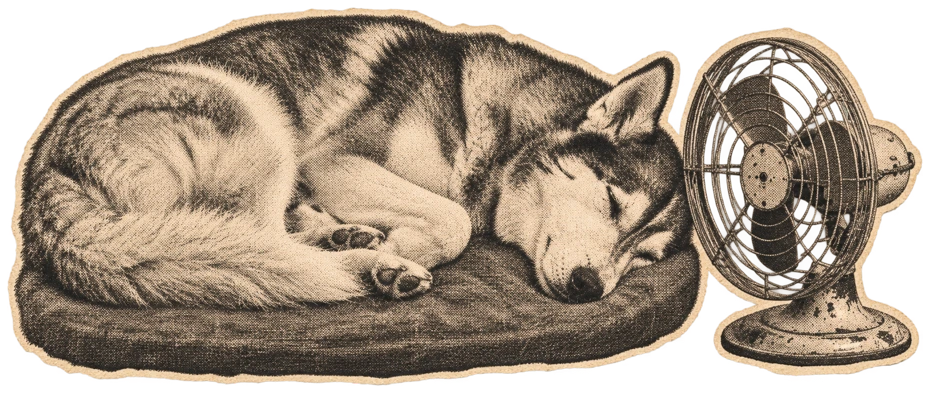
A Siberian sled dog who still has somewhere to be. You’ll need time outdoors, somewhere secure to let them run and a hoover you don’t mind replacing one day.
Jump to a section
The short version
A Siberian Husky is a medium-sized sled dog bred to travel long distances as part of a team. That makes for good company if you like spending proper time outside. It makes for rather a long day if all you wanted was a dog to stand beside you while you put the bins out. You’ll need somewhere safe for exercise, a plan for the noise and enough time to teach them how to stop doing things. 12
You’ve also worked out who does the walk when you’re ill or away. If the whole plan needs perfect off-lead recall in an open park, it’s worth having another look at it. 289
Siberian Husky notes / 01
What you'll actually do with a Siberian Husky
Find somewhere they can stretch their legs without getting out of sight.
| Good fit | You like getting outdoors regularly and know who will walk or look after them when you can’t. 126 |
|---|---|
| Harder fit | Your only plan requires off-lead control in open ground, or the dog will be left alone much of the day with no backup. 289 |
| Everyday jobs | Secure exercise and quiet downtime, managing shedding, and checking ears, feet and coat after an outing. 23631 |
| Screening questions | Ask for both parents’ dated clinical eye and gonioscopy results and hips. 141516 |
Husky is not always Siberian Husky
The Siberian Husky is the breed covered here, classed as Working by the Royal Kennel Club. The FCI puts it in its Nordic sled-dog section. “Husky” in a rescue listing may be shorthand, not confirmation of parentage. Ask what is known, and don’t transfer figures for the registered breed to any dog with a dark mask and an opinion. 34
Siberian Husky notes / 02
Names, ancestry and what to ask
“Husky” is not a receipt for the dog’s ancestry.
| Siberian Husky | Working group in the UK, Nordic sled-dog section in the FCI. 134 |
|---|---|
| Alaskan Malamute | A separate breed. Don’t use the dogs’ similar appearance to assume shared size or care requirements. 34 |
| Alaskan Husky | Not another name for the registered Siberian breed. 34 |
| “Husky type” | May describe appearance rather than confirmed parents. Ask for known history in rescue. 229 |
| Colour and mask | A striking mask doesn’t show where the dog came from or what it can do at home. 234 |
| Clinical records | The UK life-table category is labelled “Husky”, not necessarily exactly the breed as defined in the breed standard. 318 |
| Crosses | Ask what’s known about both parents. Don’t put a type or mix into a pedigree dataset by appearance. 234 |
Built to get somewhere, not to look enormous
These are show-standard ranges, not a weight prescription. The standard calls for weight in proportion to height. Feel the dog’s ribs and ask your vet to show you a healthy body condition rather than grading the dog by the shape of the winter coat. Measure the actual dog for a harness. The gap around the shoulders matters more than the photograph on the box. 35
Siberian Husky notes / 03
Show measurements and the dog you actually have
Look for a waist underneath the winter coat.
| Male show standard | 53–60 cm at the withers and 20–27 kg. 3 |
|---|---|
| Female show standard | 51–56 cm at the withers and 16–23 kg. 3 |
| What those ranges mean | RKC show-standard figures, not a population range or a care target. Weight should be in proportion to height. 3 |
| Body condition | Look at waist and feel ribs; ask the practice to show you rather than guessing through the undercoat. 5 |
| Real equipment | Use your own dog’s chest and shoulder measurements; check a well-fitted harness at rest and as they move. 2911 |
A spare dog’s worth of fluff
There’s a dense undercoat under the outer hair. A regular brush can be enough in ordinary weeks; make more time during heavy shedding. Check where the harness sits and the areas behind the ears rather than just brushing the handsome bit down the back. A washable throw will save you arguing with a cushion about which household it belongs to. 36
Siberian Husky notes / 04
Double coat, brush work and warm days
You'll do more brushing when the undercoat comes out.
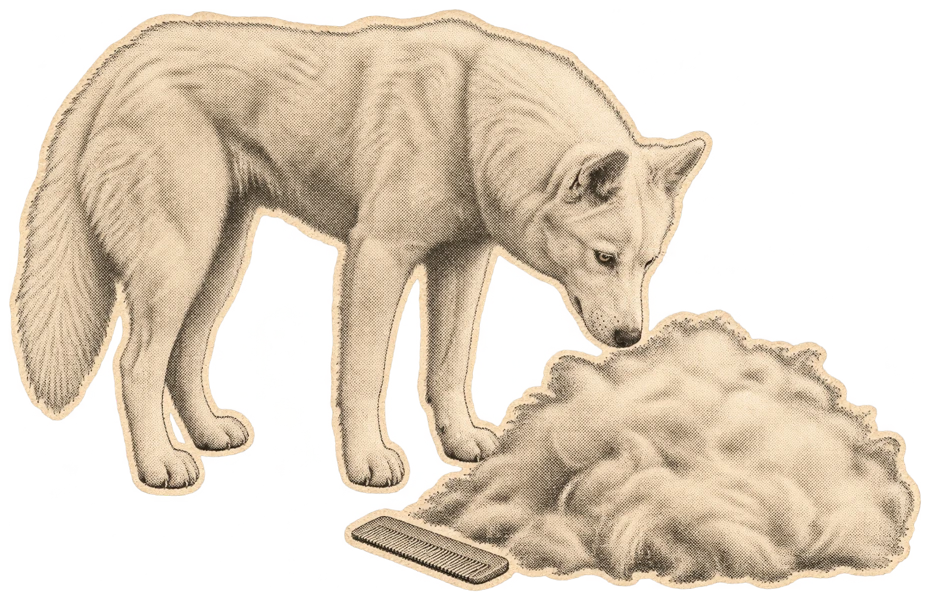
| Double coat | Dense undercoat and outer guard hairs. Plan for seasonal shedding. 36 |
|---|---|
| Check beneath the top layer | Look behind ears, under straps and around legs where hair holds dirt. 36 |
| Handling | Start with a short brush session and build on a calm response. 631 |
| Seasonal kit | A washable throw and a brush their coat tolerates are more useful than a pile of products. 36 |
| After rain | Check where the straps rub while you dry the coat. Get help for persistent skin soreness. 625 |
| In warm weather | Plan cooler outings and breaks; a thick coat isn’t a reliable measure of an individual’s tolerance. 67 |
| Changed skin | Persistent crusting, new flaking or soreness needs a vet’s look rather than trying a supplement. 25 |
Ask what the dog does after hello
A Husky may greet you enthusiastically without being especially interested in what you’d like to do next. Ask how the dog behaves around a passing dog, a door being opened and the owner leaving. Howling can be excitement, frustration or a sign they’re struggling on their own. Take the circumstances seriously rather than putting it all down to personality. 28
Siberian Husky notes / 05
Social, noisy and able to settle?
Find out what they do five minutes after the excitement.
| Greeting | Ask how they handle a dog passing or a door opening, not just whether they looked sociable in a photo. 229 |
|---|---|
| Howling | Can have different triggers; watch what’s going on before and after and whether they settle when left. 28 |
| Recovery | Observe how quickly they can go back to resting after a visitor or new interest. 231 |
| Unknown history | Ask what happened on an ordinary day in a home, not just during a single test. 229 |
A recall isn't an insurance policy
Start somewhere enclosed, reward the return and sometimes let them go back to the sniff they left. Use a suitable long line and well-fitted harness to build up distractions. Near traffic or livestock, keep them on a lead rather than asking a training cue to do the job of one. The dog can be very good at recall and still find the next field more interesting than you. 910
Siberian Husky notes / 06
Returns, doors and a safe fallback
A dog who turns on a quiet path can still choose the next field.
| Recall | Short sessions, reward the return and sometimes let them go back to sniffing in a safe place. 9 |
|---|---|
| Long line | Use suitable kit in a safe area and build distractions gradually. Keep a lead near roads or livestock. 910 |
| Exit route | Practise waiting where it’s easy and set up a barrier before you need to handle a busy door. 1131 |
| Fallback | A genuinely enclosed field can give space and a chance to practise without betting everything on recall. 2911 |
Make a plan you can do in winter
PDSA suggests a minimum of two hours’ exercise daily, and the Royal Kennel Club describes more than two hours. Read them as a warning about the time a healthy adult may need, not a prescription for a puppy, an older dog or one with pain. Spread out walks, include sniffing and training, and ask the vet for a suitable plan if your dog’s health changes. On hot days change the plan rather than trying to finish the minutes. 617
Siberian Husky notes / 07
Safe movement, sniffing and honest time budgets
Who’s going out when it’s chucking it down?
| Daily size of the job | PDSA suggests at least two hours; RKC describes more than two hours. Both are general healthy-dog guidance, not a personal quota. 16 |
|---|---|
| Routine | Split suitable walks and add sniffing and short training. Change the plan when health, age or conditions change. 69 |
| Secure exercise | Check fencing, openings, gates and surface before turning loose, and manage leads near traffic or livestock. 91011 |
| Heat | Go out at cooler times and stop hard activity if worried. Suspected heatstroke or breathing distress requires urgent advice. 724 |
| Backup person | Work out in advance who can do the walk or settle with the dog if you’re unable to get out. 28 |
Inspect the fence from the dog’s side
Check where a dog might dig beneath a fence or go through a gate people regularly leave ajar. A barrier inside the front door is useful if children or visitors are often coming in and out. There’s no prize for doing this with only excellent timing. Give the dog a cool, quiet place to rest. Start short absences and increase them only while the dog stays settled. 118
Siberian Husky notes / 08
Gates, resting and being left
You don't have to win every race to the front door if there's a second barrier.
| Low gaps | Check likely digging spots and gaps underneath, not just the height of the fence. 211 |
|---|---|
| Gate | Test the latch, agree door habits and use a barrier inside if arrivals are busy. 11 |
| Rest | Give them somewhere cool, quiet and out of the route through the house. 7831 |
| Time away | Start with brief separations and increase only while calm. Watch what really happens rather than using a fixed schedule. 8 |
| Noise | Establish when it happens and arrange help if a dog can’t cope alone. 28 |
| Daytime plan | Sort cover and safe outdoor access before bringing them home; change the arrangement if the dog is distressed. 2829 |
Start with distance
A friendly dog can still knock over a small child. Keep greetings on the floor, supervise and give the dog a way to leave. Don’t assume that a dog bred to work alongside dogs will get on with every one it meets. For cats and smaller pets, use known history, barriers and physical separation. A quiet first meeting isn’t enough to leave them together. 12132
Siberian Husky notes / 09
Family, other dogs and small pets
A quiet first meeting isn't a safety guarantee.
| Children | Supervise actively, give exits and space to rest, and separate when attention is elsewhere. 12 |
|---|---|
| Other dogs | Meet with room to move; close or friendly working ancestry does not assure a match. 229 |
| Cats | Ask for real shared-home history, use barriers and keep a cat’s retreat secure. 1329 |
| Small pets | Plan physical separation rather than relying on recall or one quiet meeting. 213 |
Eyes first, then hips and the everyday stuff
The Royal Kennel Club puts clinical eye screening with gonioscopy for pectinate ligament abnormality (PLA) under Good Practice. Best Practice adds BVA/RKC hip scoring. Gonioscopy checks structures in the eye’s drainage angle; it is not a glaucoma diagnosis or a guarantee that the dog will never develop it. Look at the results and dates for both parents. The RKC recommends repeat gonioscopy every three years. 141516
Siberian Husky notes / 10
Lifespan, screening and conditions to discuss
Ask for the parents’ actual dates and results.
Lifespan and UK evidence
| UK multi-source study | Median survival 11.9 years (95% CI 11.7–12.0). Published table records 4,453 labelled Siberian Huskies, with 1,947 recorded deceased; a cohort, not your dog’s prognosis. 17 |
|---|---|
| UK primary-care life table | Life expectancy at birth 9.53 years (95% CI 8.71–9.88), Table 3 lists 154 records under Husky. Different statistic and label, not directly interchangeable with the median. 18 |
| Cataract referral comparison | Huskies seen for cataract assessment were younger than other referred dogs. Referral comparisons don’t give a population prevalence. 19 |
| What’s missing | No representative whole-breed UK disorder-prevalence table was verified for this guide. Don’t use a foreign odds ratio or a referral caseload as that figure. 19252627 |
Screening before breeding
| Good Practice | BVA/RKC/ISDS clinical eye testing including gonioscopy for PLA. 1415 |
|---|---|
| Best Practice adds | BVA/RKC hip scoring, as well as completing Good Practice. 1416 |
| Gonioscopy | Assesses the drainage angle. A result isn’t a glaucoma diagnosis or guarantee. Check the recommended repeat interval (three years in the scheme). 1415 |
| What to ask for | Both parent identities and dated eye and hip records. Ask how scores and family history shaped the choice of parents. 14151630 |
Conditions and what to do
Cataract
New cloudiness or a change in navigation warrants a vet check. You can’t tell the cause of a cloudy eye from a photo. 20
Glaucoma
Call the vet urgently for a painful, red or suddenly cloudy eye, especially with sight changes. A normal blue iris is different from new haze. 21
Progressive retinal atrophy
Difficulty finding their way in dim light is one reason to ask the vet about a change in sight. It does not establish a diagnosis. 22
Hip problems
Stiffness, lameness or a change in enthusiasm for walks deserves an assessment. A parent’s score doesn’t tell you why your dog is limping. 1623
Heatstroke
If they’re distressed, unsteady or struggling to breathe in the heat, stop, start cooling with water and seek emergency veterinary advice. 724
Skin changes
Persistent crusting or soreness around the face or elsewhere is a vet question. Don’t start zinc supplements based on the breed, because other problems can look similar. 25
Increased thirst or weight loss
Get it checked. One Australian study reported increased diabetes odds; a separate UK register study’s Husky comparison did not establish an increase. Neither result diagnoses an individual. 2627
Teeth and gums
If the dog drops food, chews differently or has persistent bad breath or bleeding gums, ask the practice. This is a practical dog-care concern, not a Husky prevalence estimate. 33
Budget for the person doing the walk
PDSA gives £105 per month as a minimum after purchase and setup, not a local quote. Price daytime care and enclosed field hire if your plan depends on either. Ask about insurance excesses and what counts as an existing issue. Get an estimate for the fencing before you put your name down, not after you’ve found out how well the dog likes the front garden. 6
Siberian Husky notes / 11
Setup, running costs, fencing and cover
An enclosed field you can actually get to might matter more than the shiny new lead.
| Breed profile estimate | PDSA gives £105 per month minimum after purchase and setup; not a quote. 6 |
|---|---|
| Separate large-dog comparator | PDSA’s general 2024 minimum model: £560 setup, £116/month. Two different summaries, not additive. 32 |
| Check exclusions | The general estimate excludes purchase, illness/injury treatment, special diets and optional services. 32 |
| Local costs | Price safely enclosed exercise, repairs to fencing, supervision and dog care where needed. 261132 |
| Cover | Compare excesses, condition limits and definitions of existing issues; confirm how out-of-hours bills are handled. 632 |
| Unknown | No representative Husky-only national insurance price verified. Ask for local quotes and an individual plan. 632 |
A dog built for a long day
The breed’s sled-dog roots are with the Chukchi people of northeastern Siberia. Dogs taken to Alaska helped establish the modern breed, which is why the FCI lists the United States as the country of origin while the breed’s working roots are Siberian. In the 1925 Nome serum relay, several teams did the work; Balto led the last leg. Nobody’s asking you to cross Alaska before tea. A decent walk with a job in it makes more sense than hoping a large garden will do the thinking. 1428
Siberian Husky notes / 12
Siberian working roots and the modern registry
The working history explains the time commitment, not a fixed personality.
| Roots | A working sled dog with Chukchi roots in northeastern Siberia. 128 |
|---|---|
| Modern registered history | Dogs brought to Alaska helped establish the breed. The FCI lists the United States as country of origin for the modern breed nomenclature. 428 |
| 1925 relay | Several teams took part in carrying serum to Nome; Balto led the last leg, not the whole route. 28 |
| Modern home | Safe walks and search/play activities help without requiring the household to take up sled work. 26 |
Take a normal walk first
With an adult, ask what the dog does off lead in secure space, how it copes at home alone and what has happened around cats. Take a normal lead walk where possible. With a pup, see the mother where the litter lives, check the records and ask for both parents’ clinical eye and gonioscopy results and hip scores. Nobody sensible will mind you taking the paperwork away to read it. 293014
Before saying yes, make sure the ordinary week works, not just the week you’ve taken off to collect the dog. 229
Siberian Husky notes / 13
Adoption, responsible buying and settling in
Make sure the ordinary week works, not just the week you’ve booked off.
| Meeting an adult | Watch one quiet lead walk and ask how they cope after visitors, when alone, and near other animals. 281329 |
|---|---|
| Before buying | See the mother with the litter where they live; ask for chip and sale paperwork and check parent health records. 1430 |
| What health paperwork? | Both parents’ dated clinical eye and gonioscopy results, hip scores and any relevant family clinical history. 141516 |
| First days | Close gaps, check latches, arrange a quiet bed and plan support for short absences. 81129 |
| First couple of weeks | Check how they recover after ordinary activities before adding new routes or guests. Keep arrivals and departures simple. 81131 |
Sources
- S1RKC: Siberian Husky breed profileUK registry · checked 20 November 2026
- S2Dogs Trust: Siberian Husky guideUK welfare · checked 20 November 2026
- S3RKC: Siberian Husky standardUK registry · checked 20 November 2026
- S4FCI: Siberian Husky nomenclatureInternational breed registry · checked 20 November 2026
- S5PDSA: dog weight and conditionUK vet charity · checked 20 November 2026
- S6PDSA: Siberian Husky care and budgetUK vet charity · checked 20 November 2026
- S7PDSA: heatstrokeUK vet charity · checked 20 November 2026
- S8Dogs Trust: time aloneUK welfare · checked 20 November 2026
- S9Dogs Trust: recallUK welfare · checked 20 November 2026
- S10Defra: Countryside CodeUK government · checked 20 November 2026
- S11Dogs Trust: preventing escapeUK welfare · checked 20 November 2026
- S12Dogs Trust: dogs and child safetyUK welfare · checked 20 November 2026
- S13Dogs Trust: dogs living with catsUK welfare · checked 20 November 2026
- S14RKC: Health StandardUK screening · checked 20 November 2026
- S15BVA: gonioscopy and PLAUK screening · checked 20 November 2026
- S16BVA: hip and elbow scheme FAQsUK screening · checked 20 November 2026
- S17Dogs Trust: UK breed survival tablePrimary UK cohort · checked 20 November 2026
- S18Teng et al.: UK life tablePrimary UK cohort · checked 20 November 2026
- S19Siberian Husky cataract referral studyPrimary referral study · checked 20 November 2026
- S20PDSA: cataractsUK veterinary guidance · checked 20 November 2026
- S21PDSA: glaucomaUK veterinary guidance · checked 20 November 2026
- S22PDSA: eye symptomsUK veterinary guidance · checked 20 November 2026
- S23PDSA: limpingUK veterinary guidance · checked 20 November 2026
- S24RVC: first aid for heat illnessUK veterinary guidance · checked 20 November 2026
- S25UK Siberian Husky health conservation planUK breed health · checked 20 November 2026
- S26Australian diabetes studyPrimary Australian cohort · checked 20 November 2026
- S27UK dog diabetes register researchPrimary UK study · checked 20 November 2026
- S28Siberian Husky Club of America: historyBreed club history · checked 20 November 2026
- S29Dogs Trust: how to adoptUK welfare · checked 20 November 2026
- S30Defra: responsible purchasingUK government · checked 20 November 2026
- S31Dogs Trust: how to settleUK welfare · checked 20 November 2026
- S32PDSA: dog ownership budget comparatorsUK vet charity · checked 20 November 2026
- S33PDSA: dental diseaseUK veterinary guidance · checked 20 November 2026
