
Breed guide / Shorkie
Living with a Shorkie
A Shorkie is a Shih Tzu and Yorkshire Terrier cross. It’s usually a small dog, but the hair, face shape and the things they’ll get worked up about can vary quite a bit. The useful stuff is learning how to brush the bit behind the ears, noticing what their breathing sounds like when they’re comfortable and giving them a place to stand while you’re getting your shoes on. A dog this size can still take up the entire doorway. 12345
Jump to a section
The short version
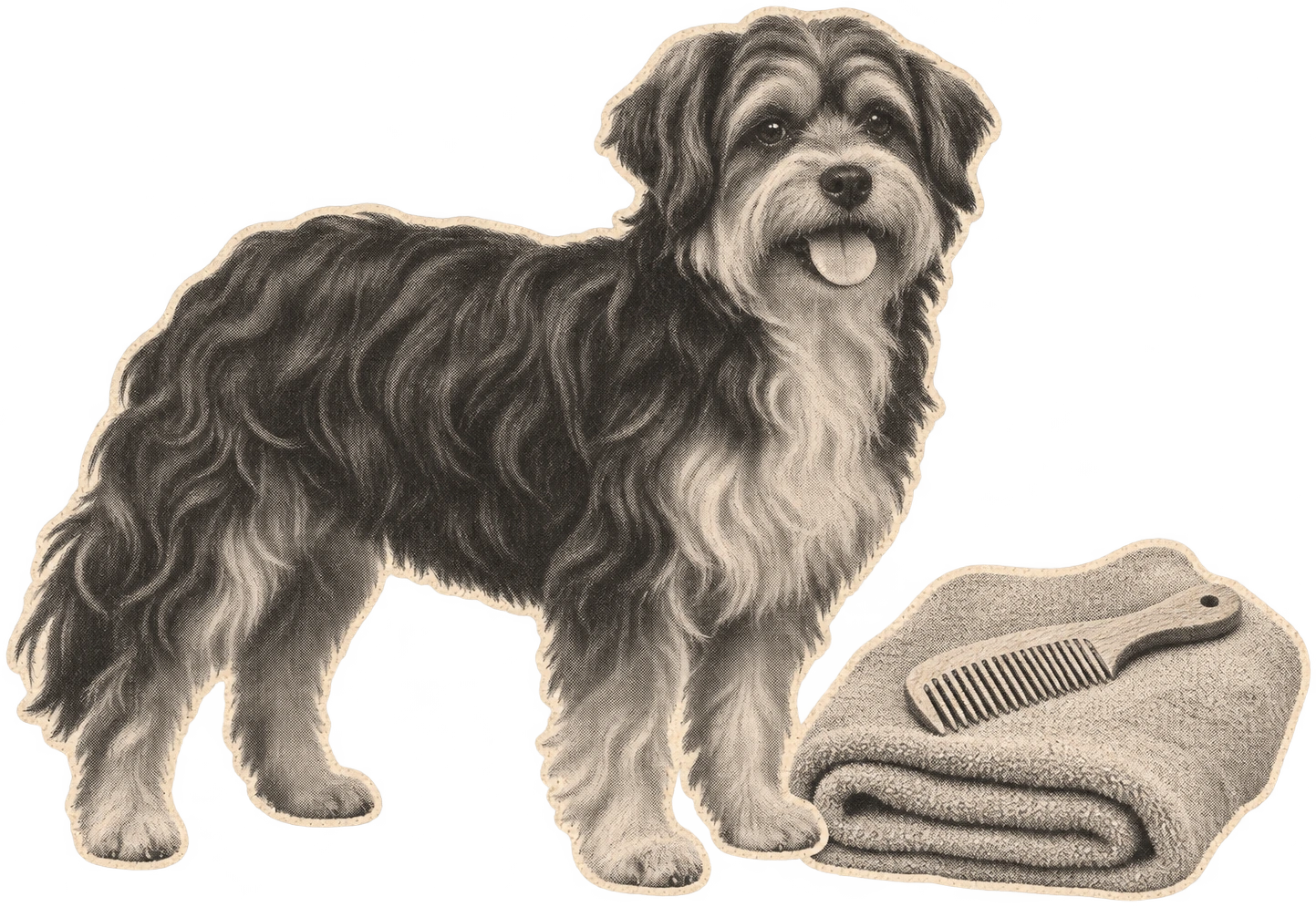
Put a comb where you normally sit with your dog and try one small patch behind an ear. With some coats it’s the knot underneath, not the fringe you can see, that gets uncomfortable first. Don’t turn their favourite place to lie into somewhere they have to dodge you and a brush. 2 6 7
Set up a toothbrushing routine before you’re worried about a smelly mouth. If you’re hearing noisy breathing most walks or they’re taking a long time to recover, speak to the vet. Struggling to breathe needs emergency advice, even if they’ve always made a bit of noise. 8 9 10 11
Shorkie notes / 01
Where to start
The name gives you a parent pair, not a specification
Shorkie describes a Shih Tzu and Yorkshire Terrier cross. It can be used for first crosses and for dogs with that mix further back, so the name doesn’t prove who each parent is. The Royal Kennel Club lists Shih Tzu and Yorkshire Terrier separately; there’s no Royal Kennel Club breed standard for a Shorkie. 1 2 3 4 13
Shorkie notes / 02
The parent pair
Measure before you buy the smallest one in the shop
The two parent breeds are small, but they have different written proportions and there’s no fixed adult size for the cross. Measure the chest and feel for their ribs and waist rather than guessing how much is fur. Your dog might outgrow the harness before it looks like they’ve changed shape at all. 1 3 4 14 15
Check whether the harness shifts when they back up or turn; that’s when a loose one becomes a bigger problem than it looked on the kitchen floor. Small dogs still need a fit that lets them move comfortably. 14 16
Keep the face and the bits beneath the harness comfortable
Both parents can have longer hair, but what you’ll need to brush depends on the coat your dog inherited and how you keep it. Part a small section around the ears or under the straps and see whether the comb can get through without pulling. Get help with a tight mat near the skin, especially close to an eye. 3 4 6 7 17 18
Wipe the hair under the chin if it gets wet after drinking or has food in it. Keep hair out of the dog’s eyes with a practical groomer’s trim if it’s irritating them. A sore eye or one held shut needs advice rather than another wipe. Low shedding doesn’t make this cross allergy-safe. 6 17 19 20
Shorkie notes / 04
Little grooming jobs
Barking tells you something, just not always the same thing
If getting the keys out starts a racket, watch what happens after you leave. A dog might stop when the door’s shut or keep barking and pacing. Try a separation they can manage and add time slowly. It’s worth getting help if they can’t settle rather than hoping a longer practice will somehow make the next one easier. 21 22
If they bark from the top of the sofa every time someone walks past, change the lookout before working on a cue. Notice when they turn their head away from being reached for. If touching a familiar area suddenly bothers them, check for a knot or ask the vet about pain; the fact that you can easily pick them up doesn’t make it a good answer. 7 23 24 25
Shorkie notes / 05
Read the reaction
Teach the little jobs from floor level
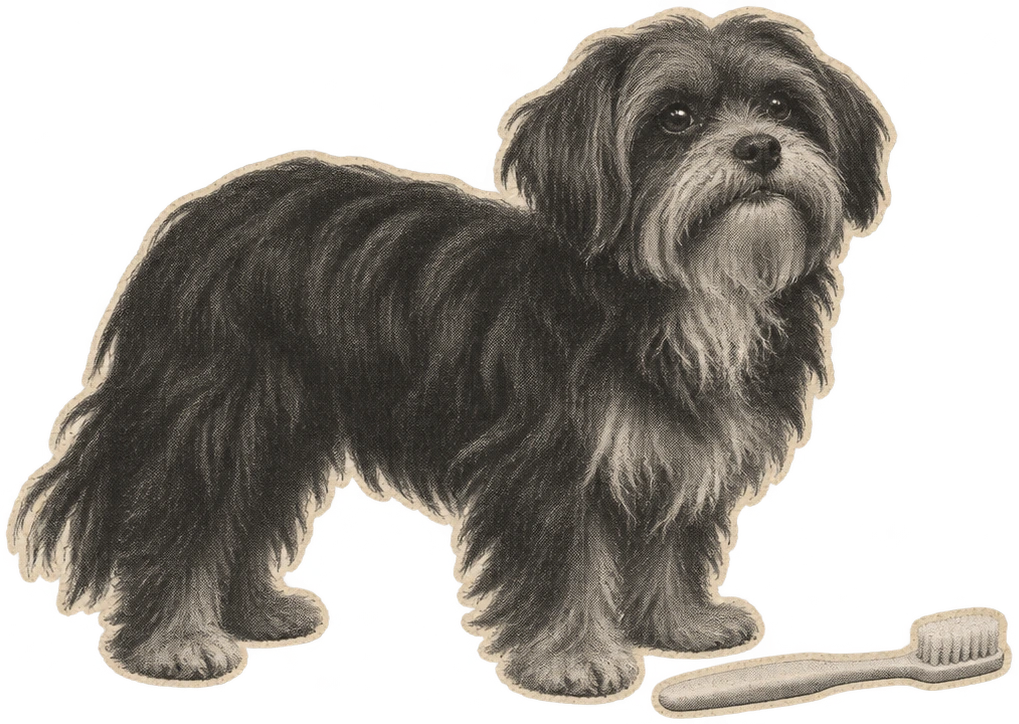
Practise touching the cheek briefly before lifting the lip. Let them sniff a dog toothbrush and get used to dog toothpaste, then build up to gentle brushing, ideally every day. If there’s bleeding, obvious pain or a new change in eating, get it checked rather than trying to get the brushing finished. 7 8 9 25
For toilet training, get them to the right spot after waking, eating or a play session and reward them when they go. If the dog is already trained and suddenly starts having accidents, don’t assume they’ve forgotten. Check what’s changed and ask your vet about any new symptoms. 26 27
Let them do more than the trip to the end of the road
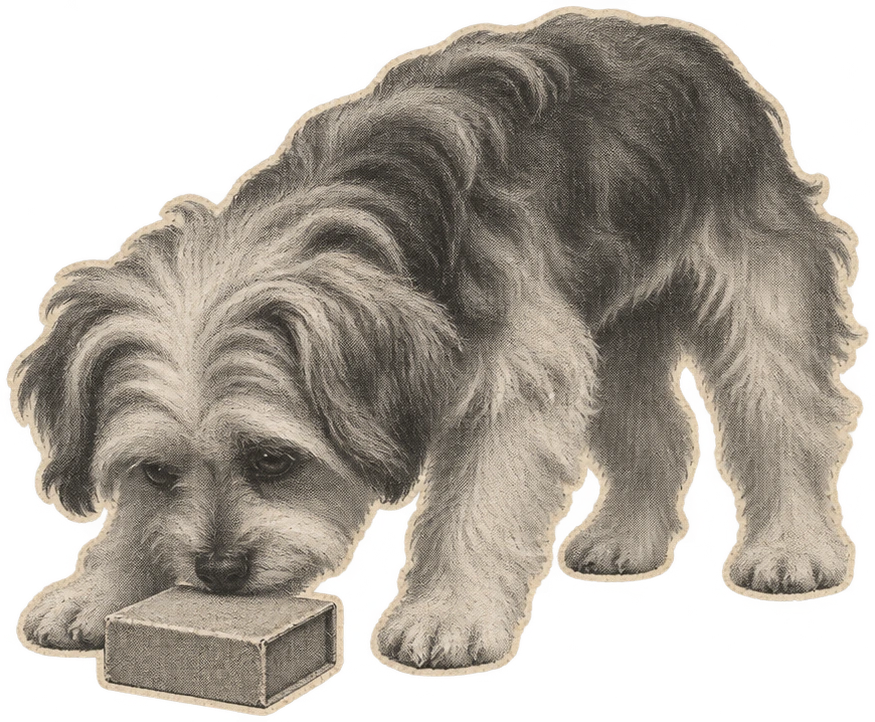
Let a comfortable dog sniff and explore at their own pace. If you have to hold them around traffic, look for another bit of the outing where they can use their own feet safely. Try an easy search with a toy indoors when the weather’s not good for a long walk. 14 28 29
Heat and exertion are worth taking seriously in dogs with shorter muzzles. Choose cooler times and check how your own dog recovers. Persistent noisy breathing, poor recovery or a new limp are reasons to call the vet, not a reason to assume small dogs just get tired sooner. 10 28 30 31
Shorkie notes / 07
Walking at their pace
Check what the house looks like from the floor
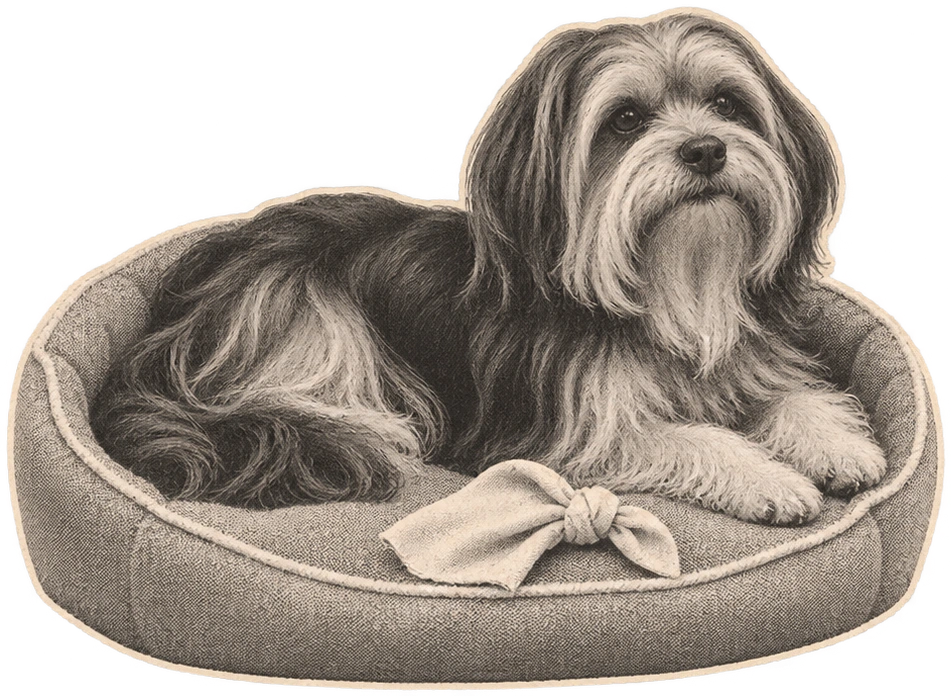
Give them a bed they can walk into, with a clear route away from your feet. In a busy kitchen, put a mat away from the bit where everyone turns around with hot food. If they scramble on a slippery floor, a grippy runner makes more sense than expecting them to be careful. 12 32
Look for gaps in gates from their height and check what happens when the door opens onto the street. Let them learn to wait somewhere away from the door. The dog needn’t be scooped up whenever a parcel arrives. 7 12 16 33
A dog this small still gets to leave a cuddle
Let children sit down and wait for the dog to come to them. Don’t ask the child to pick them up, and have an adult nearby who can end the interaction. If the dog backs away, make sure somebody lets it. 7 24 34
Set up separate places to eat and rest before meeting cats or other dogs. A small dog still needs room to move away. If you’re adopting and the dog’s lived with a cat, ask what happened when the cat actually moved, not just whether they’ve been in the same room. 24 35 36
Health: read the parent studies as parent studies
The Royal Kennel Club lists the clinical Eye Scheme as Good Practice for Shih Tzus. It already lists Shih Tzus as eligible for respiratory function grading and says formal Best Practice inclusion is due from January 2027. For Yorkshire Terriers it currently lists no breed-specific pre-breeding screening recommendation. That isn’t a statement that Yorkshire Terriers have no health issues. These are parent-breed recommendations, not a Shorkie screening scheme or proof of the cross’s eligibility for breathing grading. 37 38 39 40 41
A UK VetCompass study of 3,308 Yorkshire Terriers recorded periodontal disease in 21.1% during its study year. The Shih Tzu primary-care study also reported dental disease. Neither gives a Shorkie rate. If you find what looks like two teeth in the same spot on a young dog, or the dog changes the way it eats, ask your vet rather than waiting for the spare one to sort itself out. 9 25 42 43
The 2024 UK Dogs Trust estimates were 13.3 years median lifespan for Yorkshire Terriers and 12.8 for Shih Tzus. They are two parent-breed estimates, not a range or a prediction for the cross. 44 45
Shorkie notes / 10
Health conditions and screening
| Topic | What to do |
|---|---|
| Eyes | Ask for relevant parent screening. Get a painful eye checked promptly. 19 37 41 |
| Breathing | Discuss regular noise or poor recovery with your vet, no matter what the label says. 10 37 40 |
| Teeth | Build up brushing and ask the vet about sore gums or two teeth in the same position. 8 9 42 |
| Knees and movement | Get repeat skipping or limping checked rather than calling it a breed quirk. 31 46 |
| Lifespan | Don’t average the parent figures and call it a result for Shorkies. 44 45 |
| Breeding and screening | Ask which parent was tested, when and what the result said. 37 38 47 |
| Urgent conditions | Struggling to breathe needs emergency veterinary advice. 11 |
The food bowl’s small. Budget for what’s not in it.
Get a groomer to quote for your dog’s coat, including the face and feet. Ask what kind of trim makes brushing between visits easier and what happens if the dog finds handling stressful. The main cost of a long coat isn’t the price of the comb. 6 7 17 18 48
Check what a policy covers for dental problems, existing conditions and ongoing care. Budget for routine vet checks and practical help when you can’t get home; a short absence and a full day are different prospects. 9 21 48 49
Shorkie notes / 11
Price the routine
Two established parents, one name that came later
The two parent breeds have different backgrounds. The Shih Tzu is listed as a companion breed with roots in Tibet in the RKC account. The Yorkshire Terrier profile describes the development of a small terrier in Britain. Shorkie is a name for combining the breeds, not a separate historic lineage or an explanation of what one dog is going to enjoy. 1 37 38
Shorkie notes / 12
Two parent breeds
Meet the dog while it’s doing something ordinary
If you’re adopting, ask how they are with face handling, walking past movement and being left. Ask where those things were seen, and what the rescue knows about their teeth and breathing. A dog asleep on someone else’s lap isn’t a very useful demonstration of how they’ll cope alone in your house. 7 10 21 50
For a puppy, see the litter with mum and ask for the actual parent health records. Don’t buy on a guarantee about adult size, breathing or allergies. If you can, spend time with a grown one and see how it moves, settles and copes with a bit of brushing. 1 2 20 37 38 47 51
Shorkie notes / 13
Ask about daily life
| Ask | What it gives you |
|---|---|
| Who are the parents, and what was actually checked? | Evidence rather than a label. 1 37 38 47 |
| What happens when you get the brush out? | A sensible starting point for coat care. 6 7 |
| How is the dog on a normal walk? | A chance to observe movement and breathing. 10 28 31 |
| What do they normally do after you leave? | Helps you plan realistic support for the first few weeks. 21 22 50 |
Sources
- S1Purina UK named Shorkie ancestry and generations, naming onlySource · checked 21 November 2026
- S2PetMD veterinarian-reviewed Shorkie ancestry and variable coatSource · checked 21 November 2026
- S3Royal Kennel Club written Shih Tzu parent breed standardSource · checked 21 November 2026
- S4Royal Kennel Club written Yorkshire Terrier parent breed standardSource · checked 21 November 2026
- S5PDSA veterinary Shih Tzu parent breed and daily careSource · checked 21 November 2026
- S6PDSA veterinary grooming and skin checksSource · checked 21 November 2026
- S7Dogs Trust calm and comfortable handlingSource · checked 21 November 2026
- S8PDSA practical dog tooth-brushing adviceSource · checked 21 November 2026
- S9PDSA veterinary canine dental disease and signsSource · checked 21 November 2026
- S10PDSA veterinary signs of airway problems in shorter-muzzled dogsSource · checked 21 November 2026
- S11PDSA emergency advice on pets struggling to breatheSource · checked 21 November 2026
- S12Dogs Trust mat and settle guidanceSource · checked 21 November 2026
- S13Royal Kennel Club official breed standards directorySource · checked 21 November 2026
- S14Dogs Trust fitting a harness and introducing itSource · checked 21 November 2026
- S15PDSA checking body condition on the actual dogSource · checked 21 November 2026
- S16Dogs Trust preventing escapes and checking gatesSource · checked 21 November 2026
- S17PDSA coat and health checks at homeSource · checked 21 November 2026
- S18PDSA veterinary Yorkshire Terrier parent breed profileSource · checked 21 November 2026
- S19PDSA veterinary guidance for painful or held-shut eyesSource · checked 21 November 2026
- S20Vredegoor et al. original study of dog allergens and hypoallergenic claimsSource · checked 21 November 2026
- S21Dogs Trust teaching dogs to cope with time aloneSource · checked 21 November 2026
- S22Dogs Trust separation distress signs and helpSource · checked 21 November 2026
- S23Dogs Trust identifying triggers and managing barkingSource · checked 21 November 2026
- S24Dogs Trust interpreting canine body languageSource · checked 21 November 2026
- S25PDSA veterinary advice on a painful mouthSource · checked 21 November 2026
- S26Dogs Trust house and toilet training guidanceSource · checked 21 November 2026
- S27Dogs Trust what to check when toileting habits changeSource · checked 21 November 2026
- S28PDSA dog exercise by age, fitness and comfortSource · checked 21 November 2026
- S29Dogs Trust enrichment and indoor search ideasSource · checked 21 November 2026
- S30Dogs Trust hot-weather walking safetySource · checked 21 November 2026
- S31PDSA veterinary guidance on new limpingSource · checked 21 November 2026
- S32Canine Arthritis Management veterinary advice on non-slip flooring and ease of accessSource · checked 21 November 2026
- S33Dogs Trust useful visitor and doorway setupsSource · checked 21 November 2026
- S34Dogs Trust safety for children around dogsSource · checked 21 November 2026
- S35Dogs Trust safe dog and cat introductionsSource · checked 21 November 2026
- S36Dogs Trust introducing another dog and separate resourcesSource · checked 21 November 2026
- S37Royal Kennel Club individual Shih Tzu breed profile and future Best Practice dateSource · checked 21 November 2026
- S38Royal Kennel Club Yorkshire Terrier current health profile and breed historySource · checked 21 November 2026
- S39Royal Kennel Club central Health Standard and parent breed rowsSource · checked 21 November 2026
- S40Royal Kennel Club and Cambridge respiratory grading eligibilitySource · checked 21 November 2026
- S41British Veterinary Association clinical Eye Scheme owner informationSource · checked 21 November 2026
- S42O’Neill et al. original UK Yorkshire Terrier primary-care study, 3,308 assessed for disordersSource · checked 21 November 2026
- S43Original UK Shih Tzu primary-care studySource · checked 21 November 2026
- S44McMillan et al. original UK longevity studySource · checked 21 November 2026
- S45Dogs Trust original longevity table for both parent breedsSource · checked 21 November 2026
- S46PDSA veterinary information on skipping and luxating patellaSource · checked 21 November 2026
- S47Royal Kennel Club results lookup for named animalsSource · checked 21 November 2026
- S48PDSA budgeting for dog ownership and insuranceSource · checked 21 November 2026
- S49Dogs Trust finding a suitable dog walkerSource · checked 21 November 2026
- S50Dogs Trust settling a rescue dogSource · checked 21 November 2026
- S51RSPCA visit checks and choosing a responsible breederSource · checked 21 November 2026
