Breed guide / Shetland Sheepdog
Living with a Shetland Sheepdog
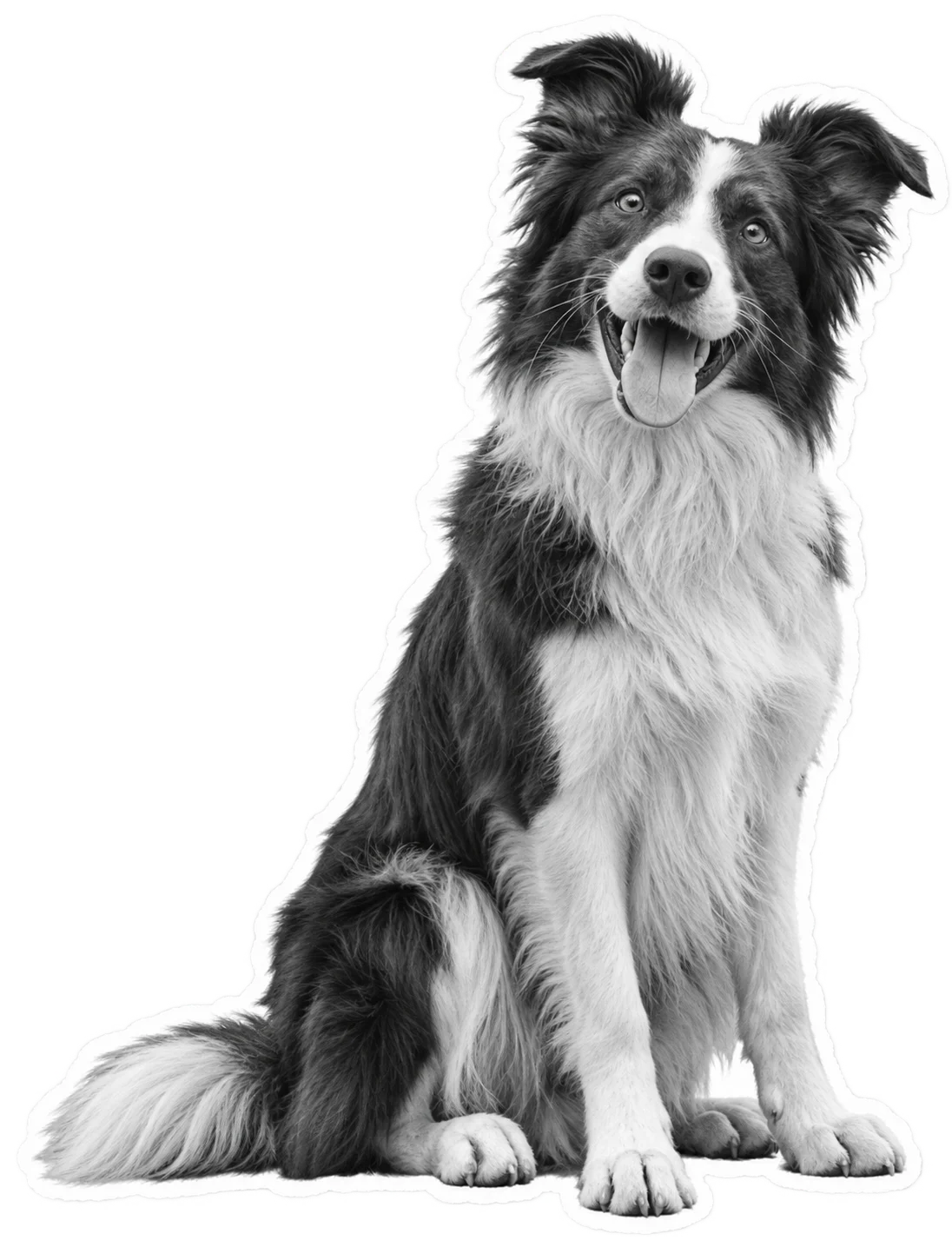
The Shetland Sheepdog, or Sheltie, is a small Scottish working dog with a dense double coat, little tipped ears and an eye for whatever’s changed outside. They’re not a Rough Collie that fits under the table. If yours is always on alert, start by changing where they can watch the street and giving them somewhere quieter to switch off. And check the hair behind the ears before deciding the coat’s got another day in it. 12345
Jump to a section
The short version
See what your dog is watching when the barking starts. If it’s the same stretch of pavement, take away the view and teach the dog a place to go while things are quiet. If it happens after you’ve left, check with a recording: the postie and being alone call for different help. 4 6 7
Part the coat behind the ears and under the harness to look for knots. If you have an MDR1 result, get the vet to put it on the dog’s clinical record before it’s needed. That’s information for choosing medicines, not a reason to stop anything you’ve already been prescribed. 5 8 9
Shetland Sheepdog notes / 01
Where to start
| Start here | Useful first move |
|---|---|
| The view from the window | Interrupt it before they’ve spent the morning watching. 4 |
| Coat behind the ears | Check down to the skin rather than brushing over the top. 3 5 |
| Walks and busy things | Pick a route where you can move away from bikes or dogs in good time. 10 11 |
| MDR1 result | Ask your vet to record it; don’t change medication yourself. 8 9 |
A Sheltie has its own breed standard
The RKC lists the Shetland Sheepdog and the Rough Collie separately. The Border Collie and Welsh Corgis are other pastoral breeds, not different sizes or names for a Sheltie. A broad frill and a narrow face are clues to shape, not a way to check ancestry or borrow another breed’s screening list. 1 2 12 13 14
That ruff isn’t a measurement
The UK standard’s ideal heights are 37 cm for males and 35.5 cm for females, measured at the shoulder. Neither figure tells you what your dog should weigh or what size harness will fit over that chest. Put your fingers through the coat and check the ribs and waist by feel. 2 15 16
Measure against the body rather than around the fluff, and check the harness while the dog turns and backs up. Part the coat under the strap once you’re home. A good day for hair on the sofa can be a bad day for tangles underneath it. 5 15
Get below the top coat
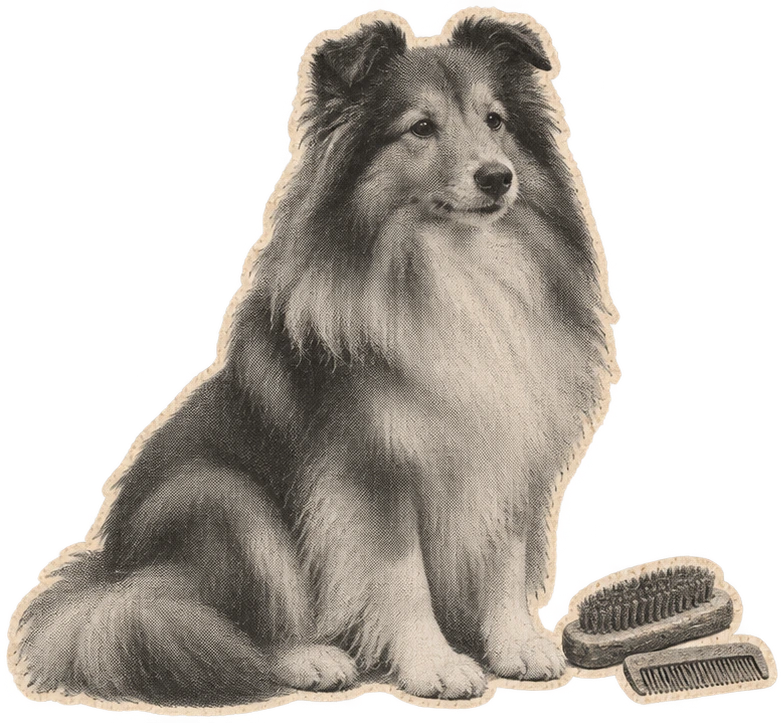
The Sheltie has long outer hair and a dense, softer undercoat. Do a quick daily check and work in small sections as needed. Look behind the ears, inside the legs, under the harness and where the longer hair by the back legs gets wet. If your comb only touches the top layer, you’re not finding the bit that’s about to knot. 2 3 5 17
Get the dog used to a short check when they’re comfortable. Stop if you’re pulling against the skin, and get a groomer to tackle a tight mat instead of going in with scissors. After rough ground, check the feet and speak to your vet if they keep licking a toe or begin to limp. 5 18 19 20
Shetland Sheepdog notes / 04
Check both coats
Take the job off them before you tell them to be quiet
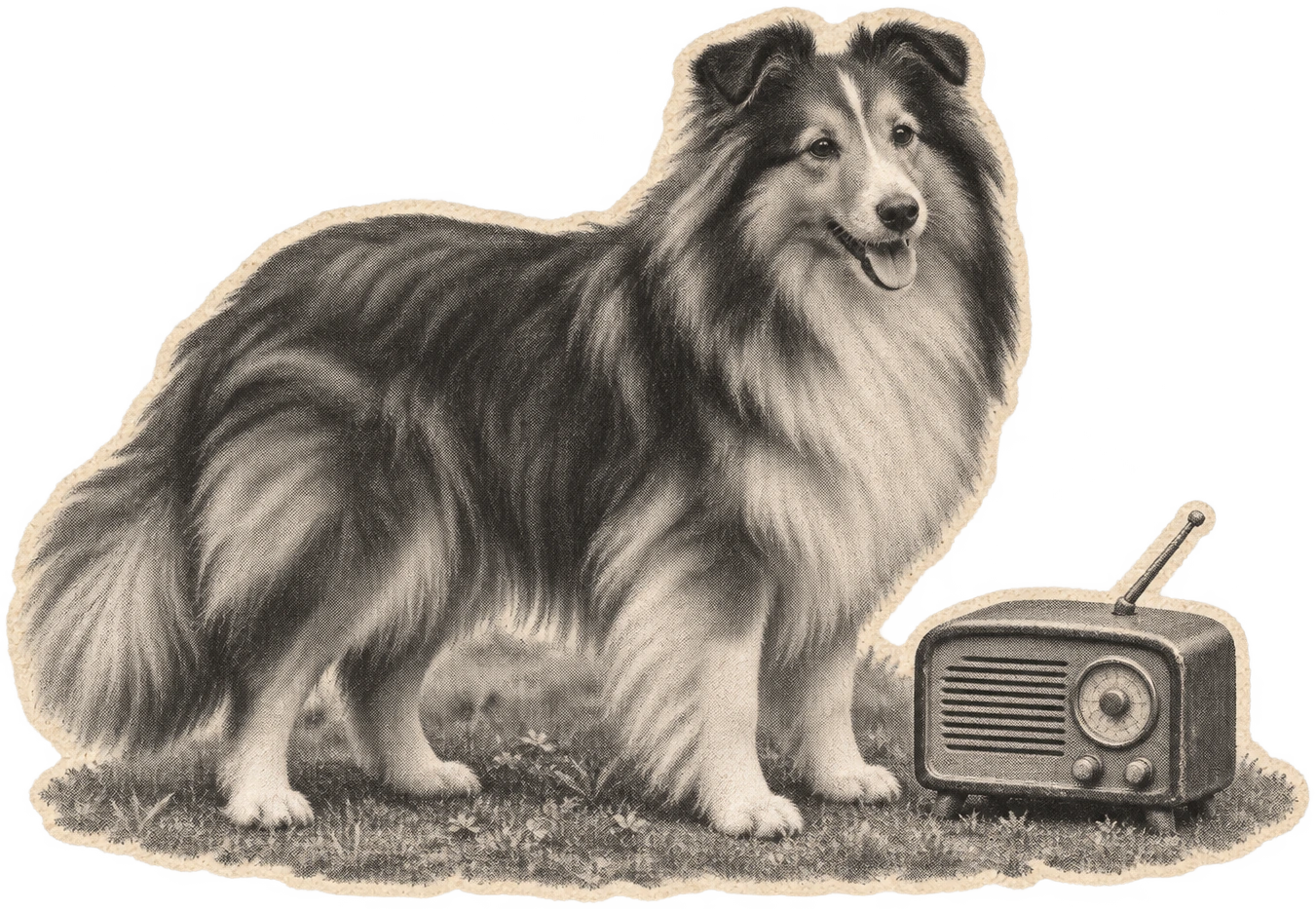
Alertness and a little reserve with unfamiliar people both appear in the UK breed standard. That’s not the same as saying every Sheltie is noise-sensitive, or that a frightened dog should be left to get on with it. Watch the individual: do they notice a noise then recover, or keep scanning the room after it’s gone? 2 4 11 21
If your dog is on duty at the front window, give them an off-duty spot before the first delivery. Have visitors leave room at the door and let the dog choose to approach. If they’re getting more worried, barking for long spells or struggling to settle when alone, ask for help rather than making them endure the same thing at closer range. 4 6 7 21 22
Shetland Sheepdog notes / 05
Let them switch off
| What they do | Try first |
|---|---|
| Alerts to the same outside movement | Block the view and reward moving away. 4 |
| Keeps scanning after a noise | Reduce exposure, make the resting place quieter and seek help if it continues. 11 21 |
| Steps back when visitors approach | Give them a clear route away instead of bringing the person closer. 20 21 |
Practise at the distance where the dog can still think
Go somewhere you can see movement coming. Catch a glance back towards you and reward it, or turn away before the dog fixes on it. Start far enough that your dog can move comfortably with you rather than going straight to the bit of the park with bikes coming from three directions. 10 11 23
Give them a small job with a clear finish. Find a toy, look for a little of the normal ration or practise going to a mat while the room is quiet. End while they’re still interested and leave them somewhere they can rest, not next to the window you’ve spent the morning trying to make less interesting. 4 24 25
An hour of watching bikes isn’t a good walk
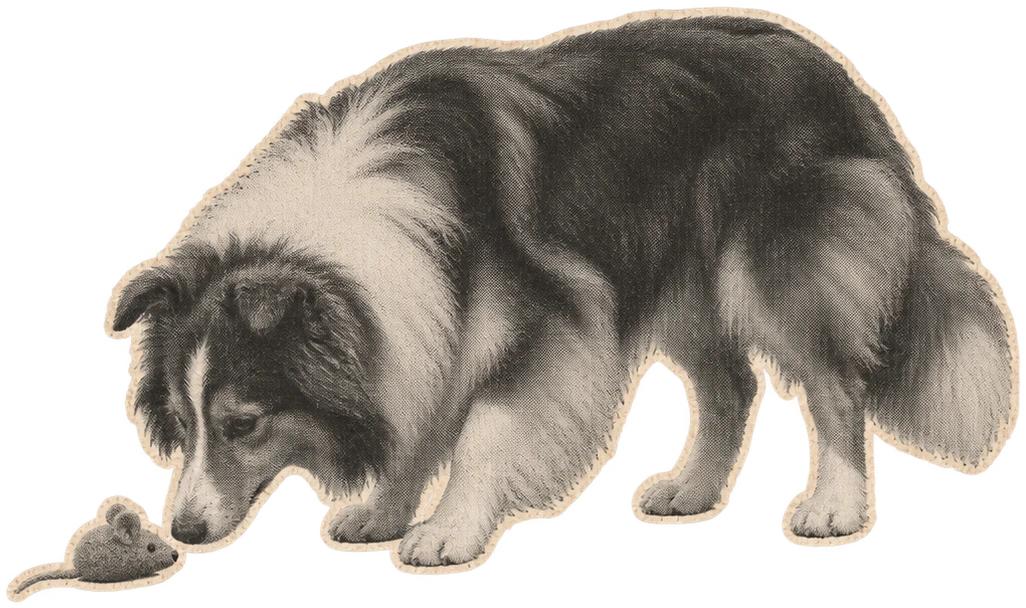
PDSA gives around an hour a day as broad breed guidance. Adjust the outing for age, fitness, conditions and the dog’s response. A quieter loop where they can sniff and move comfortably is more useful than pressing on because you haven’t hit an hour and your Sheltie has barked at every scooter. 3 10 24 26
Keep them on a lead near livestock or traffic, and teach recall first in secure, quiet settings. In heat, make the route shorter or go when it’s cooler. If a dog who normally enjoys the walk repeatedly lags, refuses a step or seems painful afterwards, get advice. 23 26 27 28 29
Shetland Sheepdog notes / 07
Pick a quiet loop
| What’s going on | Do this |
|---|---|
| Comfortable fit adult | Regular walks and short games with space to explore. 3 24 26 |
| Fast traffic, bikes or livestock | Lead where needed, room to turn and a route you can change. 10 23 27 |
| Hot or tiring day | Change time, shorten the route and watch the individual dog. 26 28 |
| New limp or movement change | Stop hard activity and get veterinary advice. 29 |
The bed doesn’t have to face the front gate
Work out where the dog already drops off when the house is busy. Give them a bed with a quiet approach and clear way out. If they’re watching people through glass, use a curtain or move the resting spot rather than relying on good behaviour in the best seat for keeping watch. 4 25 30
Set up a towel and enough floor space at the door to check paws without everybody stepping over them. If the route from the bed to the garden has a slippery turn, try a grippy runner. Practise closing a door briefly while your dog is settled instead of making the first attempt an hour away. 5 6 18 30
Give the dog a way out of the game
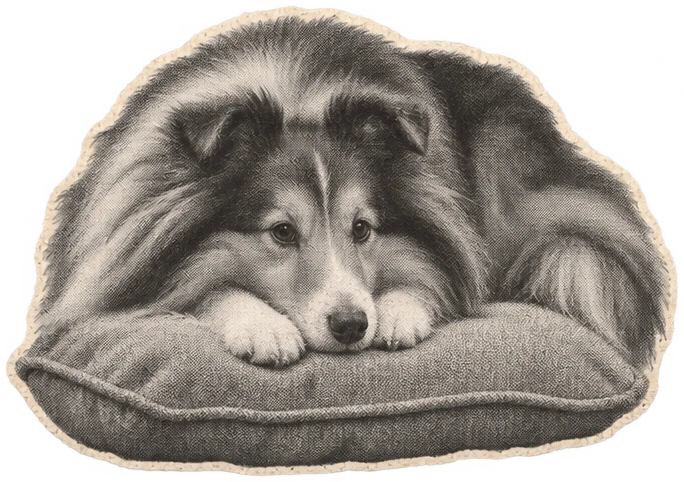
When children are running or making a lot of noise, give the dog another place to be. If they’re together, supervise actively and let the dog leave without being followed. What they can tolerate while the room’s quiet isn’t always what they can tolerate halfway through a chase round the table. 10 21 31
For other dogs or cats, make introductions short, with space to move away. Give the cat access to somewhere the dog can’t follow and use separate feeding areas if either pet is tense. Stepping in early beats waiting to see which animal is prepared to put up with it. 32 33 34
Shetland Sheepdog notes / 09
Give them a way out
The eye check, a DNA result and the dog’s symptoms are different things
For breeding dogs, the RKC lists genetic diversity and BVA/RKC/ISDS eye testing, including litter screening, under Good Practice. Best Practice adds DNA tests for CEA/CH, MDR1, BBS2-PRA, CNGA1-PRA and vWD3-2, plus BVA/RKC hip and elbow screening. A litter eye check is not a substitute for reading the individual parent results, and one clear DNA result doesn’t rule out every eye problem. 1 35 36
MDR1 refers here to a variant in the ABCB1 gene that can affect a dog’s response to certain medicines. Pass any result to your vet; if you don’t know it, ask whether testing could be useful before medicines where it matters. Don’t change doses or skip prescribed preventatives yourself. The published work and available tests identify a variant, not a current percentage of UK Shelties who will react to a medicine. 8 9 37
If the dog has a suddenly painful or closed eye, contact your vet promptly. Changes in vision, unusual bleeding or persistent lameness need assessment, not a search for matching words on a test sheet. In the 2024 Dogs Trust UK dataset, estimated median lifespan was 13.4 years (95% confidence interval 13.1–13.6 years), based on 1,905 Sheltie records including 793 deaths. That’s population context, not an expiry date. 19 29 38 39 40 41
Shetland Sheepdog notes / 10
Health conditions and screening
| What you want to know | Useful answer |
|---|---|
| RKC Good Practice? | Genetic diversity, eye scheme and litter eye screening. 1 35 36 |
| Added Best Practice tests? | The five named DNA tests above and hip and elbow screening. 1 35 |
| MDR1 result? | Tell your vet, who can use it in medication decisions. 8 9 |
| Does a clear DNA result cover the eyes? | Only the relevant variant is addressed; clinical eye screening is separate. 35 36 |
| Sudden eye pain or vision change? | Phone the vet promptly. An older screen isn’t an explanation. 38 |
| Unusual bleeding or ongoing lameness? | Tell the vet; they need the signs and individual history. 29 39 |
| What about lifespan? | 13.4 years was the median in the UK dataset, not an individual forecast. 40 41 |
Budget for the coat and help with the routine
Ask the groomer how they’d handle the coat without turning an appointment into a long wrestling match. If you want help with walking, ask how they space out dogs and what they’d do if one gets worried around traffic. A walker taking a quiet route can be a better match than one offering a longer group outing. 5 11 20 42
Check local vet costs and the insurance limits for investigations, ongoing treatment and pre-existing symptoms. When someone else takes the dog to the vet, make it easy for them to take the relevant health records along too. 8 9 43
Shetland Sheepdog notes / 11
Price the coat
| Plan for | Ask first |
|---|---|
| Coat maintenance | How much to do at home, and when to get professional help. 5 20 |
| Fitted kit | Whether straps stay out of the way of legs and thick coat. 15 |
| Walking and behaviour help | How they handle noise, busy routes and dogs needing more space. 11 22 42 |
| Vet and insurance | What the normal costs and meaningful exclusions look like. 43 |
An island working dog with its own name
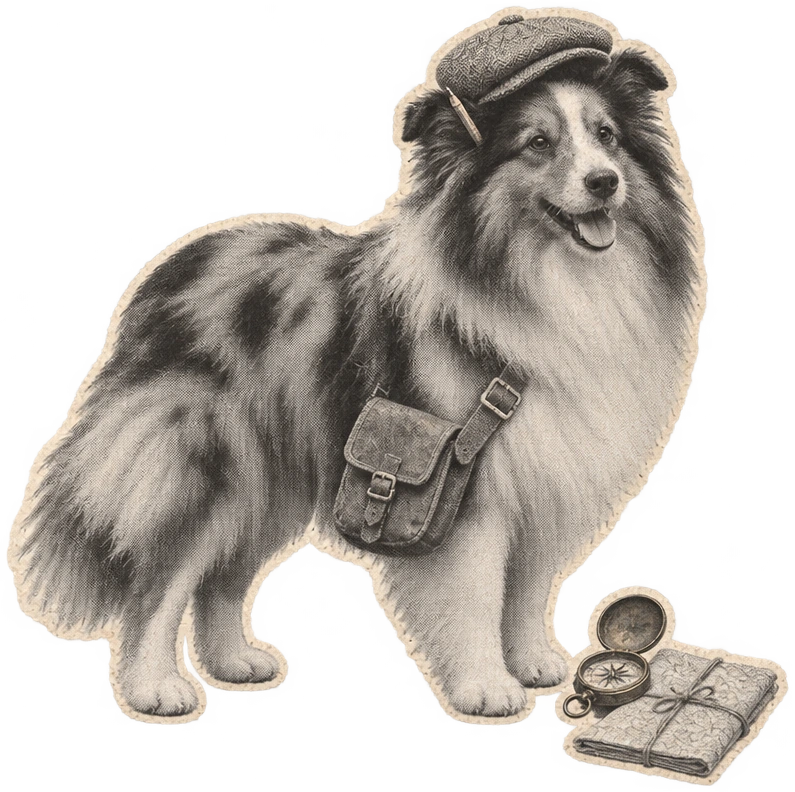
The breed traces its roots to the Shetland Islands, where small dogs were used around crofts. Accounts vary on the precise contributors to the modern breed, so there’s no need to tell a neat story about which older dogs gave them every feature. The Shetland Sheepdog has its own recognised identity and standard despite the obvious resemblance to a Rough Collie. 1 2 12 44
Shetland Sheepdog notes / 12
Shetland roots
| History | How to use it |
|---|---|
| Shetland roots | Context for a small working dog, not a label for every island herder. 1 44 |
| Historic working life | Useful background for the shape and coat, not a promise of temperament. 1 2 |
| Separate named breed | Check Sheltie records rather than assuming Collie results apply. 1 12 35 |
See how they get on when the world isn’t quiet
For rescue, ask how the dog responds to ordinary household sounds, passing people and being left. See how they’re handled around the ears and whether they can relax after a walk. For a puppy, meet the litter with its mother where they’re raised, and ask for dates and named results for the relevant parents and litter. 5 7 20 35 45 46 47
If you already have a Sheltie at home, start with the bit everyone’s working round. Change the view, pick a walk they can recover from, or make the coat check short enough they don’t go and hide at the sound of the grooming bag. Keep what makes the day go better, not what sounds good as a rule for the breed. 4 5 11 20 26
Shetland Sheepdog notes / 13
Ask about a day
| Ask about | What you gain |
|---|---|
| A normal walk and recovery | Find out what the dog can handle on a real route. 11 26 45 |
| Typical noise and time alone | Learn what actually bothers them and which routines help. 4 7 45 |
| Dated named test results | Read the health records as specific tests, not a blanket guarantee. 35 36 46 |
| How the coat is handled | Keep small routines the dog can already cope with. 5 20 |
Sources
- S1Royal Kennel Club Shetland Sheepdog breed profile and live Good/Best guidanceSource · checked 21 November 2026
- S2Royal Kennel Club Shetland Sheepdog breed standardSource · checked 21 November 2026
- S3PDSA veterinary Shetland Sheepdog health and daily owner guidanceSource · checked 21 November 2026
- S4Dogs Trust identifying barking triggersSource · checked 21 November 2026
- S5PDSA veterinary grooming and coat maintenanceSource · checked 21 November 2026
- S6Dogs Trust introducing time alone, using a recordingSource · checked 21 November 2026
- S7Dogs Trust identifying and getting help for separation distressSource · checked 21 November 2026
- S8UC Davis Veterinary Genetics Laboratory MDR1 variant and sharing results with vetsSource · checked 21 November 2026
- S9Washington State University original MDR1 testing programme, clinical interpretationSource · checked 21 November 2026
- S10Dogs Trust safe management around small animals and chasingSource · checked 21 November 2026
- S11Dogs Trust recognising and managing reactive behaviour around movement and noiseSource · checked 21 November 2026
- S12Royal Kennel Club separate Rough Collie standardSource · checked 21 November 2026
- S13Royal Kennel Club separate Border Collie standardSource · checked 21 November 2026
- S14Royal Kennel Club full directory, including both Welsh CorgisSource · checked 21 November 2026
- S15Dogs Trust harness fitting and checking free movementSource · checked 21 November 2026
- S16PDSA body condition at homeSource · checked 21 November 2026
- S17English Shetland Sheepdog Club breed standard and proper double coatSource · checked 21 November 2026
- S18PDSA home health check including feet and skinSource · checked 21 November 2026
- S19PDSA veterinary guidance on grass seeds and pawsSource · checked 21 November 2026
- S20Dogs Trust building comfort with handlingSource · checked 21 November 2026
- S21Dogs Trust reducing dogs’ exposure to frightening noisesSource · checked 21 November 2026
- S22Dogs Trust sourcing qualified behavioural supportSource · checked 21 November 2026
- S23Dogs Trust recall and long-line trainingSource · checked 21 November 2026
- S24Dogs Trust safe enrichment and search gamesSource · checked 21 November 2026
- S25Dogs Trust building settling skillsSource · checked 21 November 2026
- S26PDSA tailoring activity to age and conditionSource · checked 21 November 2026
- S27Natural England Countryside Code, controlling dogs around livestockSource · checked 21 November 2026
- S28Dogs Trust safe outings in hot weatherSource · checked 21 November 2026
- S29PDSA veterinary guidance for a new or persistent limpSource · checked 21 November 2026
- S30Canine Arthritis Management veterinary access and safe flooring guidanceSource · checked 21 November 2026
- S31Dogs Trust children and dog supervisionSource · checked 21 November 2026
- S32Dogs Trust safer dog and cat introductionsSource · checked 21 November 2026
- S33Dogs Trust introductions to another dogSource · checked 21 November 2026
- S34Dogs Trust resource guarding and separate feedingSource · checked 21 November 2026
- S35Royal Kennel Club live central Health Standard and Basset Hound tier rowSource · checked 21 November 2026
- S36Royal Kennel Club BVA/RKC/ISDS Eye Scheme and screening limitsSource · checked 21 November 2026
- S37Neff et al. primary study on MDR1 variant across dog lineagesSource · checked 21 November 2026
- S38PDSA veterinary guidance for painful eyesSource · checked 21 November 2026
- S39UC Davis Veterinary Genetics Laboratory Sheltie panel and vWD type 3 bleeding contextSource · checked 21 November 2026
- S40Dogs Trust 2024 UK breed lifespan table, exact Shetland Sheepdog rowSource · checked 21 November 2026
- S41McMillan et al. original UK dog longevity studySource · checked 21 November 2026
- S42Dogs Trust finding a suitable walkerSource · checked 21 November 2026
- S43PDSA dog ownership costs and insuranceSource · checked 21 November 2026
- S44American Shetland Sheepdog Association breed historian on working and early historySource · checked 21 November 2026
- S45Dogs Trust settling a rescue dogSource · checked 21 November 2026
- S46Royal Kennel Club health results finderSource · checked 21 November 2026
- S47RSPCA buying a puppy and seeing mother with the litterSource · checked 21 November 2026