
Breed guide / Pomchi
Living with a Pomchi
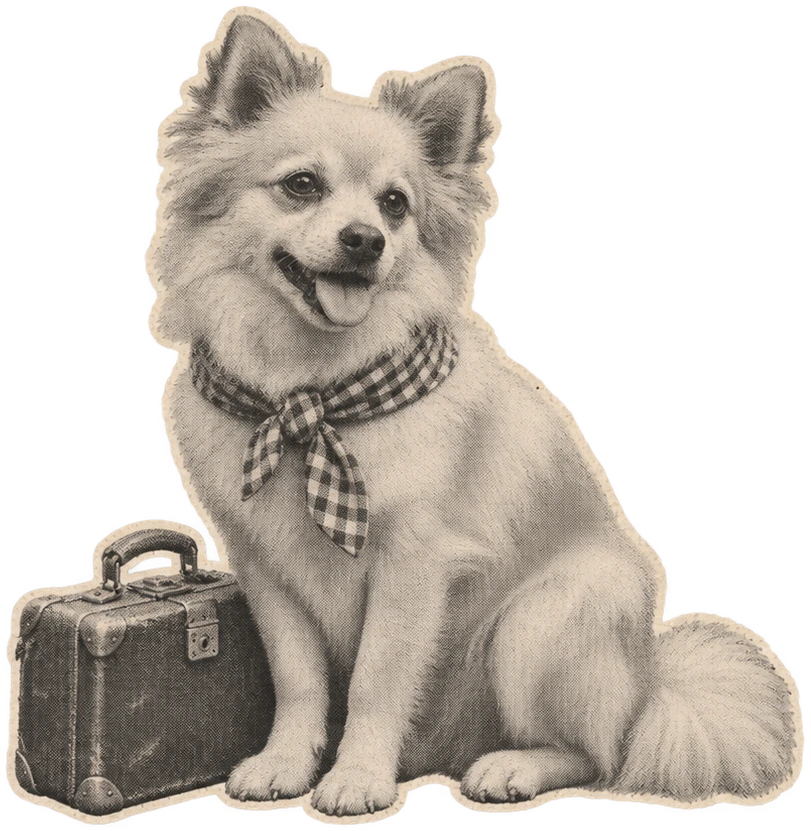
A Pomchi is the name usually given to a Pomeranian and Chihuahua cross. Both parent breeds are small, but you won’t know how much coat you’ll be brushing or what this dog thinks of the front door until you meet them. Start with a walk they can do at their own pace, a place to settle and a gentle way to check their teeth. 12345
Jump to a section
The short version
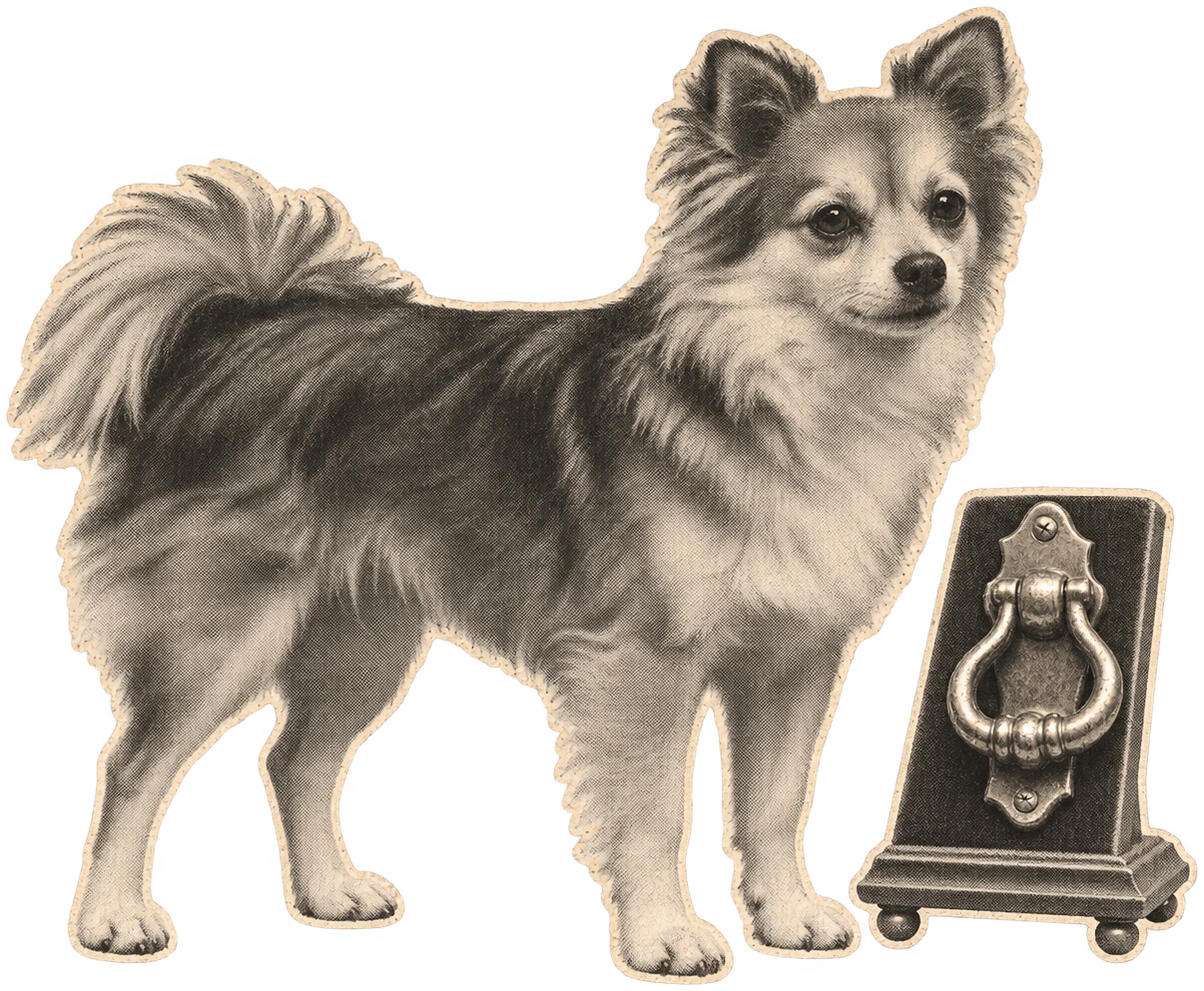
Get low enough to see what the dog sees. A pair of boots in the hall, a visitor leaning over them and a large dog coming straight down a narrow path can all be a bigger deal at their height. Give them space to move away and reward coming back to you when they’re ready. 6 7 8
Look at the coat against the skin, particularly under the harness. Build up to tooth brushing without pinning the dog down. Get a cough, repeated hop or change in eating checked instead of filing it under “little dog stuff”. 9 10 11 12
Pomchi notes / 01
Get down to their level
| Start here | What to try |
|---|---|
| The front door | Set a quiet place to wait while somebody comes in. 6 |
| Walks | Use routes with room to pass and let them do their own sniffing. 7 8 |
| Coat | Check the areas where longer hair packs down or rubs. 9 |
| Health | Pay attention to teeth, movement and breathing during ordinary life. 10 11 12 |
“Pomchi” doesn’t tell you which coat they’ll have
Dogs Trust and Rotherham Dog Rescue use Pomchi for a Pomeranian and Chihuahua cross. That’s a name in use, not proof of the dog’s pedigree, generation or how much it takes after each parent. The Royal Kennel Club lists Pomeranian separately and has Long Coat and Smooth Coat Chihuahua entries. 1 2 3 4 13
Get the harness right for the dog
The UK Pomeranian standard describes male and female ideal weights spanning 1.8–2.5 kg. The Smooth Coat Chihuahua standard gives a preferred 1.8–2.7 kg. Those are written ideals for the parents, not an adult weight range for the cross or a number to aim for in the kitchen. 3 4 14
Use the actual chest measurement. Check how the harness sits when your dog turns their head and trots. Under a thick coat it can look snug even when there’s room for the dog to slip back out of it. Recheck as a young dog grows or after a big coat change. 9 14 15
Work with the coat you’ve got
The Pomeranian standard describes a long outer coat and undercoat. Chihuahuas come in smooth and long coats. Don’t buy a big collection of brushes based on the cross name. Look behind the elbows, around the ears and under straps, then choose what will actually get through that coat without pulling. 3 4 9 13
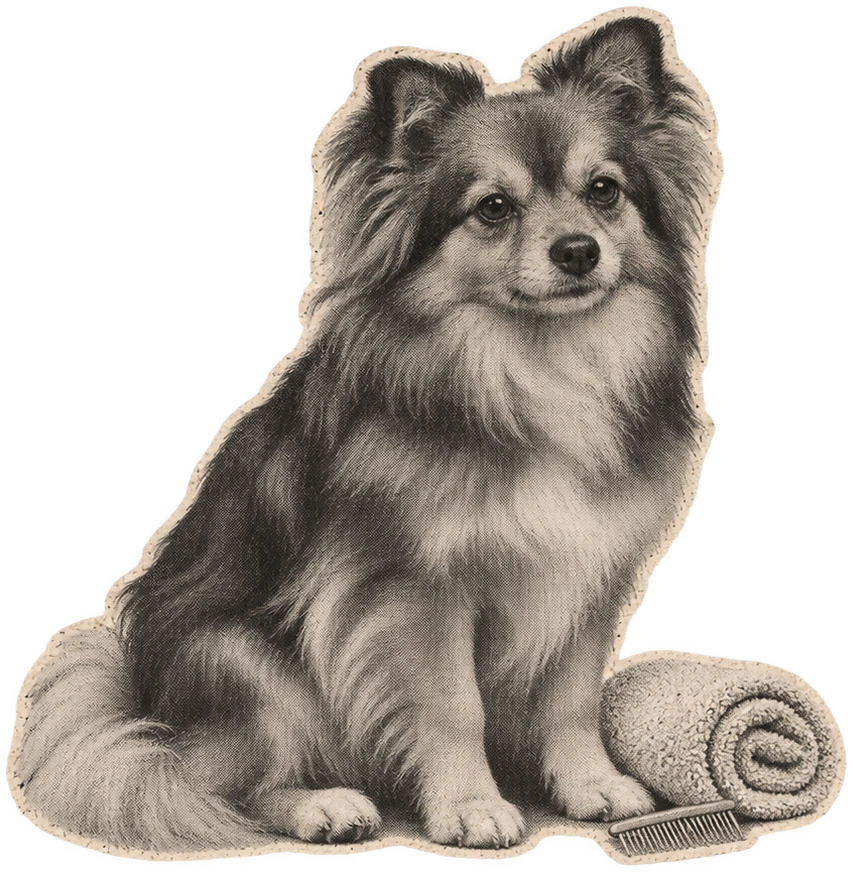
For a longer coat, go section by section and give the dog a break if they want to leave. A smoother coat still needs feet, skin and nails checking. A comb is not a reason to hold the dog still until you’ve finished every inch. 9 17
Pomchi notes / 04
Work with their coat
| Where | What to look for |
|---|---|
| Longer hair | Hidden tangles, especially behind ears and along feathered legs. 9 |
| Shorter hair | Rub marks, soreness or a patch the dog won’t stop licking. 9 15 |
| Nails | Notice if they’re getting long and ask for help if trimming is difficult. 9 17 |
| Mouth | Look gently for changes if the dog is comfortable being checked. 10 18 |
See what happened before the noise
If your dog barks when a person walks past, block the view and practise an easier response away from the window. Reward looking away or coming to find you. If they bark only when you leave, work on short absences they can cope with. The sound might be the same, but that doesn’t make it the same problem. 6 19 20
Don’t have a visitor pick the dog up just because they’re small enough. Let them choose whether to say hello. Ask the person to step back when the dog leans away or tries to leave. 7 17
Pomchi notes / 05
Before the noise
Let them get things right on the floor
Practise a return from a couple of steps away. Reward the dog while their feet are down. A tiny toy or a little piece of measured food can work. If hands keep arriving from overhead, try rewarding lower down rather than asking the dog to jump for it. 8 21 22
Set up a simple floor-level search with a familiar toy or a few pieces of food. Once they’ve finished, let them settle where they like rather than firing up the next game. Two useful minutes indoors can be better than half an hour of both of you getting wound up. 21 22 23
Give them a walk, not a lift the whole way
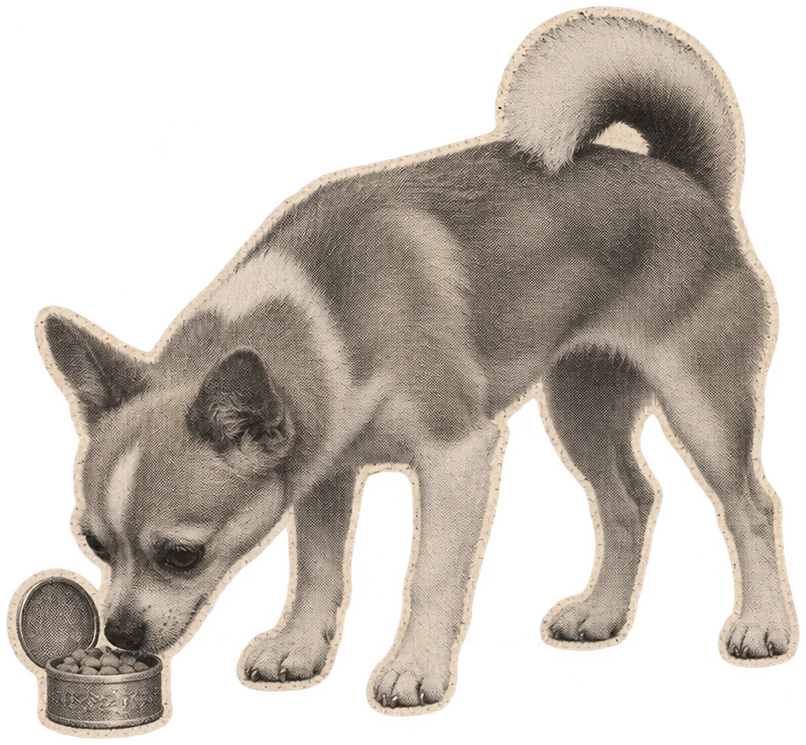
Small dogs still need chances to sniff and explore. Pick an outing your dog can do comfortably without keeping up with somebody else’s stride. Add time gradually and use a quieter path if all they do on the busier one is dodge feet or try to get away from larger dogs. 5 7 24 44
Notice whether they can recover after an ordinary walk. If your dog keeps tiring early, coughing or lifting a leg, book a vet check. A dog struggling to breathe needs emergency help. On a warm day, make the outing easier before the dog has to show you it’s too much. 11 12 24 25 26
Pomchi notes / 07
Let them walk
| Situation | Better plan |
|---|---|
| Passing larger dogs | Give both space or change direction rather than forcing a greeting. 7 |
| Increasing distance | Add a little at a time and watch their pace and recovery. 24 |
| Warm weather | Use cooler hours, shade and less effort. 25 |
| Recurring cough or skip | Ease off and arrange a veterinary assessment. 11 12 |
Turn the hallway into somewhere boring
The dog doesn’t have to supervise the front door. Put their bed somewhere people aren’t coming and going. Practise a quiet arrival with someone familiar and get the dog behind a gate before opening the door for a delivery. It’s easier to find the keys if you aren’t also trying to block a gap with your foot. 6 23 27
Set out a safe route between bed, water and the door to the garden. Move a slippery mat or a step they struggle with rather than making them have another go at it. Keep food portions predictable, including the bits used in training. 14 16 21
A small dog still gets to walk away
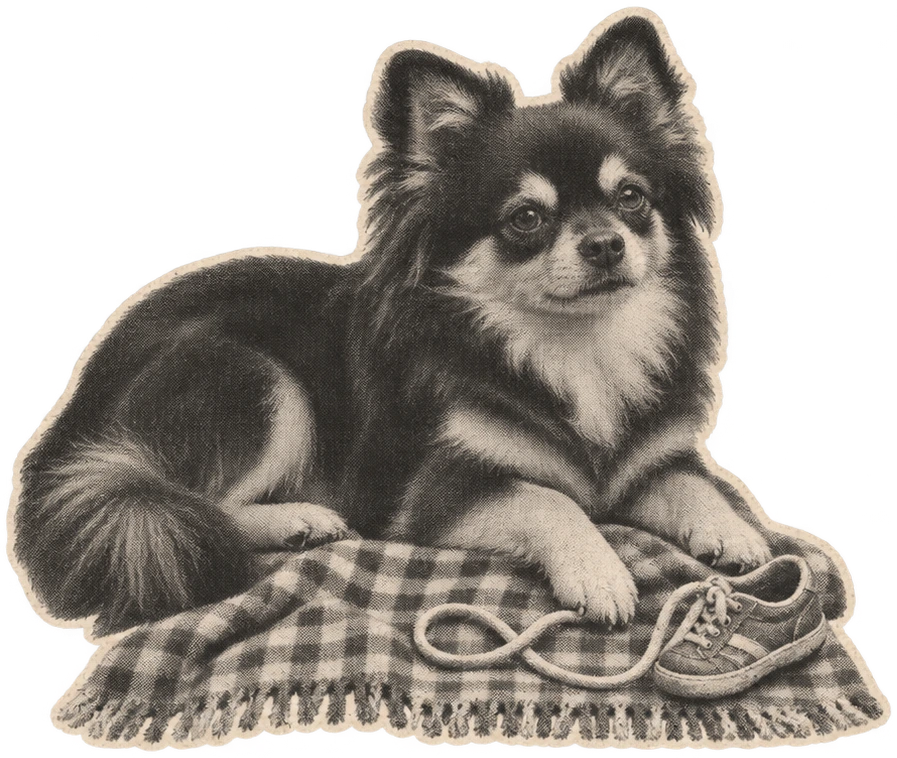
When children and dog are together, have an adult actively supervise. Encourage a child to hide a toy or call the dog over rather than carrying them round the room. Leave them alone when they eat and sleep. 17 28
Give animals separate spaces during introductions. That includes making sure the bigger dog can get away too. Ask what has actually happened around cats and other dogs rather than assuming their small size settles the question. 7 29 30
Health: separate what was measured from what was inherited
A UK study of 5,660 Chihuahuas in 2016 primary-care records found periodontal disease recorded in 13.5%. A different VetCompass study reported higher odds of diagnosed slipping kneecaps in both Chihuahua and Pomeranian groups than in the study’s crossbred comparison group. Neither study gives a Pomchi rate or tells you why an individual dog is limping or not eating. 10 11 31 32
For breeding, the current Royal Kennel Club chart lists clinical eye testing as Best Practice for Pomeranians and both Chihuahua coat entries. The respiratory grading scheme is available to Chihuahua and Pomeranian, but not listed for Pomchi. This is separate from the testing tiers: the RKC says formal addition of respiratory grading to Chihuahua Best Practice is due from January 2027. The Pomeranian row still lists clinical eyes, not respiratory grading as a tiered test. 33 34 35 36 37
Bring new symptoms to the vet rather than trying to work them out from parent records. A persistent cough warrants a check, while a dog struggling to breathe needs emergency care. A dog who is suddenly lame or seems unwell needs advice based on what’s happening to them today. 11 12 26 38
Pomchi notes / 10
Health conditions and screening
| Check | What it tells you |
|---|---|
| Clinical eyes | RKC Best Practice for the three relevant parent entries. 33 35 36 37 |
| Parent respiratory grading | Current eligibility does not make it a Pomchi screening tier. 33 34 |
| Teeth | Ask about brushing, dental checks and retained puppy teeth. 10 18 31 |
| A repeat skip | Ask for a movement check instead of calling it normal for a little dog. 11 32 |
| Coughing or struggling to breathe | Get a persistent cough checked; breathing distress is urgent. 12 26 |
| Ancestry | Ask for records about the actual parents and their results. 13 33 |
| Lifespan | No verified representative Pomchi lifespan used here. 39 |
Price their teeth and coat, not just the food
A small bowl doesn’t guarantee a small bill. Check local routine costs, insurance terms for dental care and whether you’ll need help with trims or nails. If their coat is growing, make sure there’s room in the budget for a harness that fits after they change shape. 9 10 15 40
Ask a walker what they do when a small dog is getting crowded by the rest of the group. Find out what their usual route looks like before you decide that your dog will enjoy it. 7 41
Pomchi notes / 11
Teeth, coat and costs
One name for two different starting points
The Pomeranian and Chihuahua are established breeds with separate histories and standards. Pomchi is a name used for the cross, not evidence of a fixed appearance or an original founding litter. It’s sensible to ask about an actual dog’s background. Chasing an exact story from the ear shape is less helpful. 1 2 3 4 13 37
Ask what life is like this week
For an adult, ask how they are at the door, what they’re like to brush and whether there’s a walk they enjoy. Ask what the rescue knows about their teeth and any cough or limp. For a puppy, see them with their mum where they were raised and ask about the actual parents, not just a photograph or an advert. 1 2 10 33 42 43
Start with a safe floor-level setup and simple outings. Let them find the bed, work out where they’re comfortable and learn who brings dinner. There’s enough to get used to without meeting whoever happens to be passing. 16 23 42
Pomchi notes / 13
Ask about this week
| Ask or set up | Look for |
|---|---|
| Parent and vet history | Named records and observations, rather than a promise. 33 43 |
| Handling | How they cope with a harness, brushing and a mouth check. 9 15 18 |
| Walks | Pace, room around other dogs and an easy first route. 7 24 |
| Rest | A calm place the dog can reach with no help. 16 23 |
Sources
- S1Dogs Trust first-hand Pomchi rescue intake, Pomeranian x ChihuahuaSource · checked 21 November 2026
- S2Rotherham Dog Rescue first-hand use of Pomchi cross labelSource · checked 21 November 2026
- S3Royal Kennel Club Pomeranian written standard and ideal sizeSource · checked 21 November 2026
- S4Royal Kennel Club Chihuahua (Smooth Coat) written standard and preferred weightSource · checked 21 November 2026
- S5PDSA Chihuahua veterinary parent profile and routine careSource · checked 21 November 2026
- S6Dogs Trust leaving a safe distance and preventing escapesSource · checked 21 November 2026
- S7Dogs Trust reading body languageSource · checked 21 November 2026
- S8Dogs Trust recall and safe long-line useSource · checked 21 November 2026
- S9PDSA grooming and skin checksSource · checked 21 November 2026
- S10PDSA veterinary guidance on dental disease and preventionSource · checked 21 November 2026
- S11PDSA luxating patella and checking a repeated skipSource · checked 21 November 2026
- S12American College of Veterinary Surgeons clinical overview of tracheal collapse, not a UK screening sourceSource · checked 21 November 2026
- S13Royal Kennel Club Chihuahua (Long Coat) written standardSource · checked 21 November 2026
- S14PDSA checking a dog's body conditionSource · checked 21 November 2026
- S15Dogs Trust introducing and fitting a harnessSource · checked 21 November 2026
- S16Canine Arthritis Management veterinary home adaptations for safe footing and movementSource · checked 21 November 2026
- S17Dogs Trust low-pressure handlingSource · checked 21 November 2026
- S18PDSA how to check the mouth and teethSource · checked 21 November 2026
- S19Dogs Trust recognising barking triggers and keeping space at windowsSource · checked 21 November 2026
- S20Dogs Trust practising time alone graduallySource · checked 21 November 2026
- S21PDSA practical dog feeding and treatsSource · checked 21 November 2026
- S22Dogs Trust enrichment and search gamesSource · checked 21 November 2026
- S23Dogs Trust mat and settle trainingSource · checked 21 November 2026
- S24PDSA exercise by age, comfort and conditionSource · checked 21 November 2026
- S25Dogs Trust safety in hot weatherSource · checked 21 November 2026
- S26PDSA emergency advice if your dog is struggling to breatheSource · checked 21 November 2026
- S27Dogs Trust calm arrival and visitor managementSource · checked 21 November 2026
- S28Dogs Trust child and dog supervisionSource · checked 21 November 2026
- S29Dogs Trust cat and dog introductionsSource · checked 21 November 2026
- S30Dogs Trust dog-to-dog introductionsSource · checked 21 November 2026
- S31O’Neill et al., original VetCompass Chihuahua study using UK 2016 primary-care recordsSource · checked 21 November 2026
- S32O’Neill et al., original VetCompass patellar luxation study in English vet practicesSource · checked 21 November 2026
- S33Royal Kennel Club central Health Standard, both Chihuahua coats and Pomeranian rowsSource · checked 21 November 2026
- S34Royal Kennel Club and Cambridge current RFG scheme eligibility and scopeSource · checked 21 November 2026
- S35Royal Kennel Club Chihuahua (Smooth Coat) profile including planned RFG dateSource · checked 21 November 2026
- S36Royal Kennel Club Chihuahua (Long Coat) profile including planned RFG dateSource · checked 21 November 2026
- S37Royal Kennel Club Pomeranian breed profile and Best Practice testingSource · checked 21 November 2026
- S38PDSA limp and pain in dogsSource · checked 21 November 2026
- S39McMillan et al. original UK dog longevity cohort, methods and supplementary breed estimatesSource · checked 21 November 2026
- S40PDSA dog ownership costs and insurance considerationsSource · checked 21 November 2026
- S41Dogs Trust guidance on finding a walkerSource · checked 21 November 2026
- S42Dogs Trust settling a rehomed dogSource · checked 21 November 2026
- S43RSPCA advice on selecting and visiting a breederSource · checked 21 November 2026
- S44PDSA Pomeranian veterinary parent profile and relevant conditionsSource · checked 21 November 2026
