
Breed guide / Parson Russell Terrier
Living with a Parson Russell Terrier
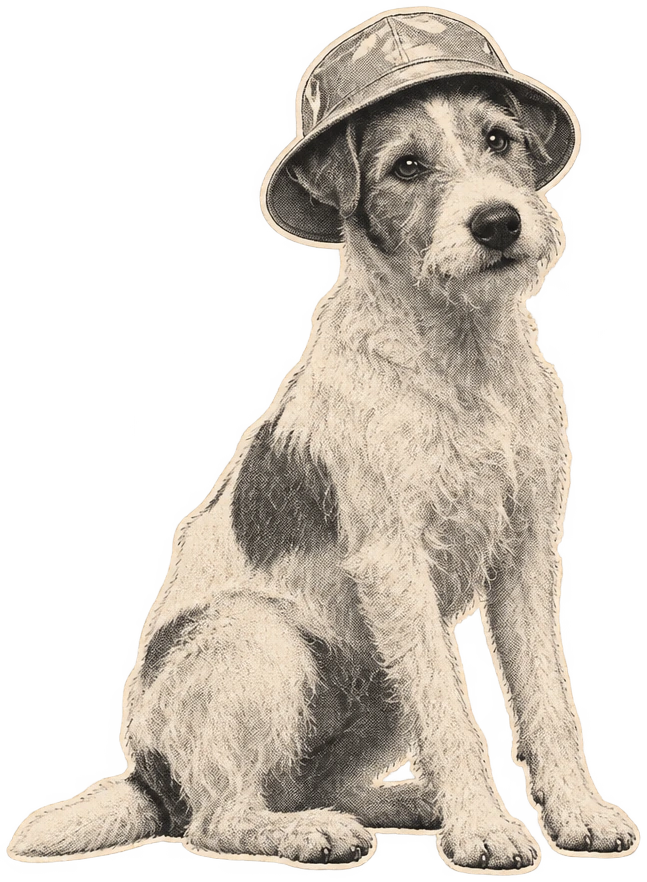
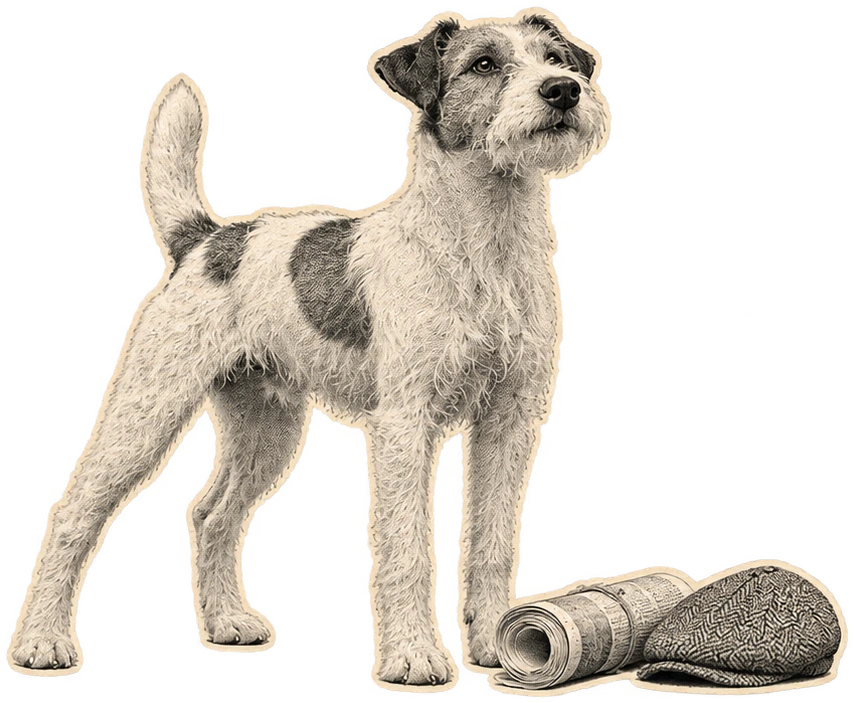
A Parson Russell Terrier is a small British working terrier with a bit more leg than the Jack Russell in the British show standards. All that leg won’t make the dog any easier to call away from a smell. Give them a safe place to follow their nose, and practise leaving it before you’re stood in a field shouting their name to absolutely no effect. 12345
Jump to a section
The short version
Use a harness and long line in a suitable open space if recall isn’t solid. Keep the dog on a lead near roads and livestock. If they’ve found something worth investigating, teach them to turn towards you on easy outings instead of saving the cue for the moment you’re already being dragged into a ditch. 4567
Look at where your dog spends their time at home. If they’re watching every person who goes past the window, move the bed and give them a quieter place to stop working. Count a five-minute sniffing game as something useful, not a poor substitute for more laps of the garden. 8910
Parson Russell Terrier notes / 01
Make walks and rest easier
| Start here | What to do |
|---|---|
| Recall | Practise where the dog can succeed. Keep them safely attached around hazards. 45 |
| Sniffing | Give them a safe search that doesn’t involve wildlife or somebody else’s garden. 58 |
| Rest | Reduce access to the view if they’re running to the window all day. 910 |
| Health records | Ask for the named LOA and PLL results and look at the whole breed screening row. 11 |
Parson Russell and Jack Russell aren’t the same entry
The Royal Kennel Club publishes separate breed standards for the Parson Russell Terrier and Jack Russell Terrier. The Parson is generally presented as the longer-legged dog, but neither a long leg nor a rough coat proves which breed you’re looking at. Both standards describe predominantly white terriers with possible coloured markings. 123
If a rescue or advert says “Parson cross”, ask what’s known about the other parent. Where the answer is “nothing”, don’t treat it as a pedigree. What the dog does near traffic or small animals is more useful for your first walk than guessing from how their ears sit. 31213
Parson Russell Terrier notes / 02
Separate breeds
| Name on the page | What that tells you |
|---|---|
| Parson Russell Terrier | A separate recognised British breed, with its own standard. 1 |
| Jack Russell Terrier | A distinct British breed entry with a shorter standard height band. 2 |
| Parson cross, or a named mix | Check the documented parents; no reliable full profile from the label alone. 1213 |
Small enough for most cars, long enough in the leg
The British standard gives an ideal shoulder height of 36 cm for males and 33 cm for females. Those are ideals, not a UK average. The Jack Russell standard gives 25 to 30 cm, but you don’t have to get the tape measure out to argue with someone at the park about what you’ve got. 12
Use an actual chest measurement when you fit a harness. Watch the dog step forward and turn before deciding it’s right. If they back away when surprised, check they can’t reverse out of it. Let your vet show you what healthy body condition feels like on them rather than feeding to a weight from an advert. 614
A rough coat is still a Parson coat
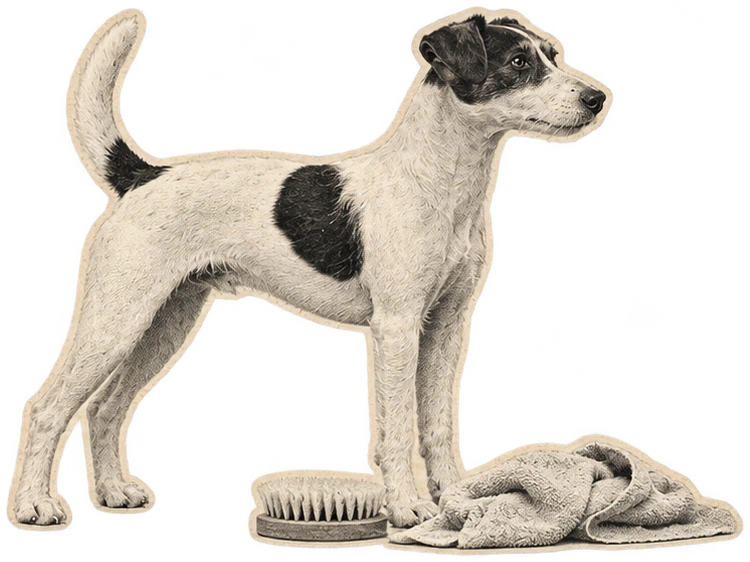
The standard allows rough, broken or smooth coats. They’re all described as having a harsh outer coat and an undercoat. Check behind the ears and under the collar on a rougher dog. With a smoother coat it’s easier to see the skin, but a quick brush is still a good chance to find a sore patch. 11516
Do a paw check when you get in from long grass. If the dog keeps licking one foot or comes back shaking their head, ask your vet about a grass seed, and don’t poke around for it. Let the dog step away from brushing and try again later rather than hanging on to an increasingly annoyed terrier. 161718
Parson Russell Terrier notes / 04
Know your terrier’s coat
| Coat or problem | What to do |
|---|---|
| Smooth | Brush gently and look for changes in the skin. 11516 |
| Rough or broken | Check rougher patches where they rub; ask a groomer what the coat needs. 115 |
| After long grass | Look over feet and outer coat; ask the vet about persistent head shaking or paw licking. 17 |
| Grooming is a struggle | Keep the first session short and reward calm touch. 18 |
Notice when they can’t leave something alone
Some dogs get stuck watching a hedge or another dog; others get on with the walk. If yours stiffens or stops checking in, put some distance between them and the thing they’re watching. The aim is to leave before their front legs are doing the rowing motion. That might mean crossing the road before you wanted to. 519
If watching the front path turns into barking at nearly every sound, block the view for part of the day. Practise settling when things are quiet. A dog who seems worried or reacts more as time goes on needs thoughtful help, not more opportunities to practise getting wound up. 9101920
Parson Russell Terrier notes / 05
Give them room
Put a name to leaving the interesting thing
Start a recall in a quiet space with the dog close by. Say it once and give them a reward worth coming for. On safe outings, let them go back to sniffing after some recalls. If coming back always means getting put straight in the car, there’s a decent chance they’ll work that one out. 421
Teach a toy search indoors using something safe that you know they like. Start where they can find it without a lot of help. Keep it short enough that they can settle at the end; it’s a game, not something they have to win before they can go to bed. 81021
Parson Russell Terrier notes / 06
Useful jobs for a normal day
Exercise that doesn’t have to end at full tilt
Give the adult dog regular walks that fit their age and fitness. A grassy loop with time to smell things can be more interesting than charging up and down the same strip throwing a ball. Make outings for a young dog manageable and build them as they develop. 822
If you’re taking them onto land with livestock, choose a route where you can manage the lead and move away if there’s a problem. Follow local guidance. At home, check the bottom of the fence if the dog keeps going to the same corner. Better to find the gap with your torch than when you’re following paw prints out of it. 71223
Parson Russell Terrier notes / 07
Keep the walk comfortable
| Situation | Better plan |
|---|---|
| Wildlife or livestock nearby | Use a secure lead and leave more room. Follow the current guidance for where you are. 57 |
| Quiet, enclosed area | Try recall and an easy scent game. Take breaks. 48 |
| Growing puppy | Build exercise gradually rather than expecting them to match adult activity. 22 |
| Sudden limp or slowing down | Shorten the outing and seek veterinary advice about the change. 2224 |
A place where they’re off duty
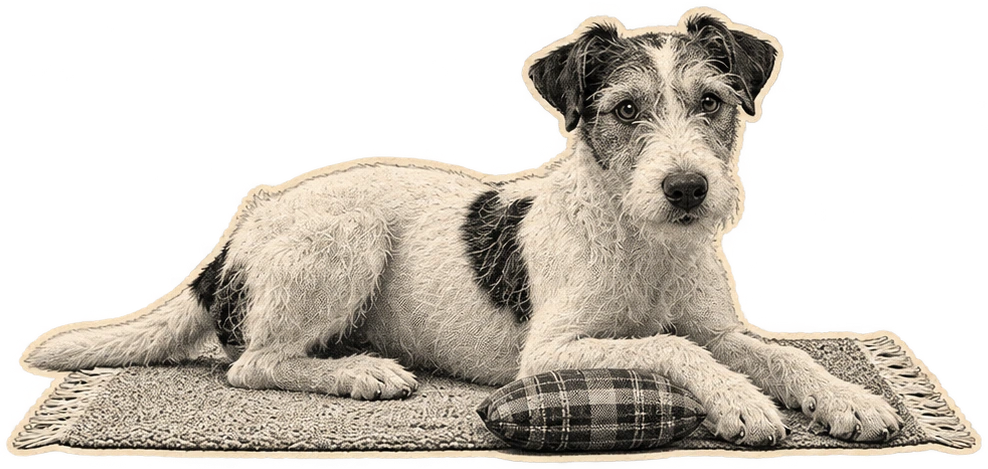
Set the bed where the dog isn’t obliged to see everyone who comes in. Reward a quiet moment there and let them stay put while you do something uninteresting nearby. You’ll learn more about how they settle from that than from another trip round the block to try and wear them out. 91022
Build time alone in small steps and check what happens after you leave. If they patrol the door or can’t settle, use shorter absences for the moment and ask for help. A quiet greeting doesn’t prove a quiet afternoon. 2526
Parson Russell Terrier notes / 08
A place to rest
Kids, cats and other dogs
An adult needs to pay attention while a child and dog are together. Show children how to offer a toy rather than reaching for the one the dog has already got. Give dogs a place to sleep where nobody follows them. Being small enough to pick up doesn’t mean the dog enjoys it. 1827
A cat needs a way out that the dog can’t block. Pay attention to staring and chasing, and don’t use an unprotected small animal to find out what your dog will do. Introduce other dogs with enough room to move away and keep favourite items out of the first meeting. 192829
Parson Russell Terrier notes / 09
Protect everyone’s space
Health checks and which results to ask for
In November 2026 the Royal Kennel Club lists DNA tests for late-onset ataxia (LOA) and primary lens luxation (PLL) as Good Practice. Best Practice adds spinocerebellar ataxia (SCA) DNA and the BVA/RKC/ISDS Eye Scheme. Ask to see results for the breeding dogs. LOA and SCA are separate tests, not interchangeable names for the same certificate. Screening identifies specific inherited risks and cannot diagnose all conditions. 113031323334
If the dog develops a wobbly gait, repeated falls or trouble balancing, ask a vet to assess them. A suddenly sore eye that is held shut or looks cloudy also needs prompt veterinary advice. The 2024 UK study gives a median lifespan of 13.8 years in its Parson Russell Terrier group (95% confidence interval 13.5 to 14.0; 2,600 dogs), not a forecast for any dog you meet. 3536373839
Parson Russell Terrier notes / 10
Health conditions and screening
| Check or sign | What it means |
|---|---|
| Good Practice | LOA and PLL DNA tests on the current RKC breed row. 11 |
| Best Practice additions | SCA DNA and the clinical BVA/RKC/ISDS Eye Scheme. 1134 |
| DNA and eye examination | They answer different questions; one cannot stand in for the other. 3234 |
| Wobbling or poor balance | Call the vet rather than trying to match a test name yourself. 3637 |
| Sudden eye pain or clouding | Contact the vet promptly. 3538 |
| Longevity context | UK study median 13.8 years; don’t read it as an individual lifespan. 3940 |
| What screening can’t do | Don’t use a clear result to dismiss new symptoms. 3334 |
The food bill might be small. Everything else counts.
Get a price from your practice for routine care and check what a policy won’t pay for. That includes anything your dog already has. Ask about the excess and the limit, not just what comes out of the bank each month. A dog doesn’t get a discount on an eye problem because they take up half a cushion. 3441
Check the bits you might not have priced yet. You’ll need safe equipment for training, and a walker who understands why your dog is staying on a lead in some places. A bit of garden fencing might do more for your peace of mind than a heap of toys. 46234142
Parson Russell Terrier notes / 11
Budget beyond the food
| Budget item | What to ask |
|---|---|
| Vet costs | Routine care and the emergency arrangements for your local practice. 41 |
| Cover | Limits, excess and exclusions before you buy something that looks cheaper. 41 |
| Equipment | A harness that fits and a long line for suitable places. 46 |
| Backup care | Who can handle the dog and follow the lead routine you use? 542 |
Why the name changed
The Royal Kennel Club traces the breed to the working terrier type associated with the Reverend John Russell. It recognised the breed in 1990 under the name Parson Jack Russell Terrier and changed it to Parson Russell Terrier in 1999 to distinguish the names. That explains why older photographs and papers can use a label you no longer see on the breed page. 1343
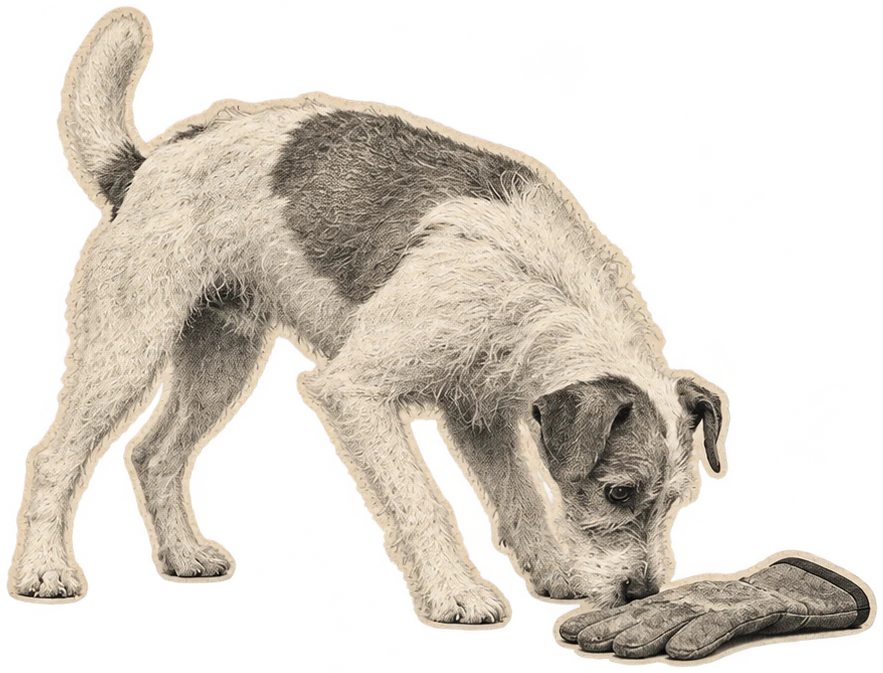
The old working story is a useful bit of context, not a reason to encourage chasing wildlife. You can give a modern terrier something worth investigating in your sitting room without acquiring a country estate. Start with a toy under the edge of a towel and see whether that’s the best part of their day. 358
Before you bring one home
Ask which sort of walk the dog is used to and whether they can turn away from something interesting. With a puppy, meet them with their mum where they were raised and see the breeding records. If a rescue has been looking after the dog, ask what they’ve seen near cats and traffic rather than just whether they’re “good on the lead”. 511124445
If they’re already home, start by making one walk a bit easier. Pick the route with more room, put the safe cue to use and let them sniff where there’s no need to rush. Get the results you were given into the vet record. You can tackle the shouting at the window once there’s somewhere nicer to lie down. 591119
Parson Russell Terrier notes / 13
Ask for evidence you can use
| Find out | What to ask or do |
|---|---|
| The actual dog | Ask about the lead and any places they struggle to disengage. 512 |
| Screening | Ask for results that identify the individual parent dogs. 1144 |
| Everyday life | Check whether the dog has settled around the people and animals you live with. 272845 |
| Aftercare | Ask who can help with behaviour and transition; register with a vet. 204145 |
Sources
- S1Royal Kennel Club Parson Russell Terrier official standardSource · checked 21 November 2026
- S2Royal Kennel Club separate Jack Russell Terrier standardSource · checked 21 November 2026
- S3Royal Kennel Club Parson Russell Terrier history and breed entrySource · checked 21 November 2026
- S4Dogs Trust recall training and long-line useSource · checked 21 November 2026
- S5Dogs Trust managing trigger distance and reactive behaviourSource · checked 21 November 2026
- S6Dogs Trust suitable lead and harness fittingSource · checked 21 November 2026
- S7UK Government Countryside Code livestock and dog controlsSource · checked 21 November 2026
- S8Dogs Trust enrichment and easy scent workSource · checked 21 November 2026
- S9Dogs Trust window barking and barriersSource · checked 21 November 2026
- S10Dogs Trust teaching a quiet settleSource · checked 21 November 2026
- S11Royal Kennel Club November 2026 Health Standard Parson Russell rowSource · checked 21 November 2026
- S12Dogs Trust adopting rescue dogs and discussing matchSource · checked 21 November 2026
- S13Royal Kennel Club guide to what crossbreed terms meanSource · checked 21 November 2026
- S14PDSA checking weight and body conditionSource · checked 21 November 2026
- S15PDSA grooming and coat careSource · checked 21 November 2026
- S16PDSA at-home health checksSource · checked 21 November 2026
- S17PDSA grass-seed symptoms affecting ears and pawsSource · checked 21 November 2026
- S18Dogs Trust gentle handling practiceSource · checked 21 November 2026
- S19Dogs Trust body language and stress signalsSource · checked 21 November 2026
- S20RSPCA reward-based training and professional helpSource · checked 21 November 2026
- S21Dogs Trust positive reinforcement and delivery of rewardsSource · checked 21 November 2026
- S22PDSA exercise for individual dogs and puppiesSource · checked 21 November 2026
- S23Dogs Trust framework for responsible dog care and safe containmentSource · checked 21 November 2026
- S24PDSA limping and stiffness in dogsSource · checked 21 November 2026
- S25Dogs Trust building time alone graduallySource · checked 21 November 2026
- S26PDSA understanding separation distressSource · checked 21 November 2026
- S27Dogs Trust active supervision around childrenSource · checked 21 November 2026
- S28Dogs Trust introducing a dog to a catSource · checked 21 November 2026
- S29Dogs Trust introducing dogs within the householdSource · checked 21 November 2026
- S30Original Parson Russell Terrier genetic study of hereditary ataxia variantsSource · checked 21 November 2026
- S31Original study identifying CAPN1 with a form of ataxia in Parson Russell TerriersSource · checked 21 November 2026
- S32Royal Kennel Club PLL DNA test scopeSource · checked 21 November 2026
- S33British Veterinary Association clinical screening scope and limitsSource · checked 21 November 2026
- S34British Veterinary Association Eye SchemeSource · checked 21 November 2026
- S35PDSA painful or held-shut eye in dogsSource · checked 21 November 2026
- S36PDSA head tilt and balance issuesSource · checked 21 November 2026
- S37Original study of KCNJ10-associated spinocerebellar ataxia in Russell-type dogsSource · checked 21 November 2026
- S38PDSA eye problems and cloudingSource · checked 21 November 2026
- S39Dogs Trust 2024 UK breed lifespan tableSource · checked 21 November 2026
- S40Original 2024 study of longevity of UK dog breedsSource · checked 21 November 2026
- S41PDSA cost of owning a dog and routine careSource · checked 21 November 2026
- S42Dogs Trust choosing a dog walkerSource · checked 21 November 2026
- S43FCI international Parson Russell Terrier classificationSource · checked 21 November 2026
- S44RSPCA choosing a responsible breederSource · checked 21 November 2026
- S45Dogs Trust settling a newly rehomed dogSource · checked 21 November 2026
