
Breed guide / Papillon
Living with a Papillon
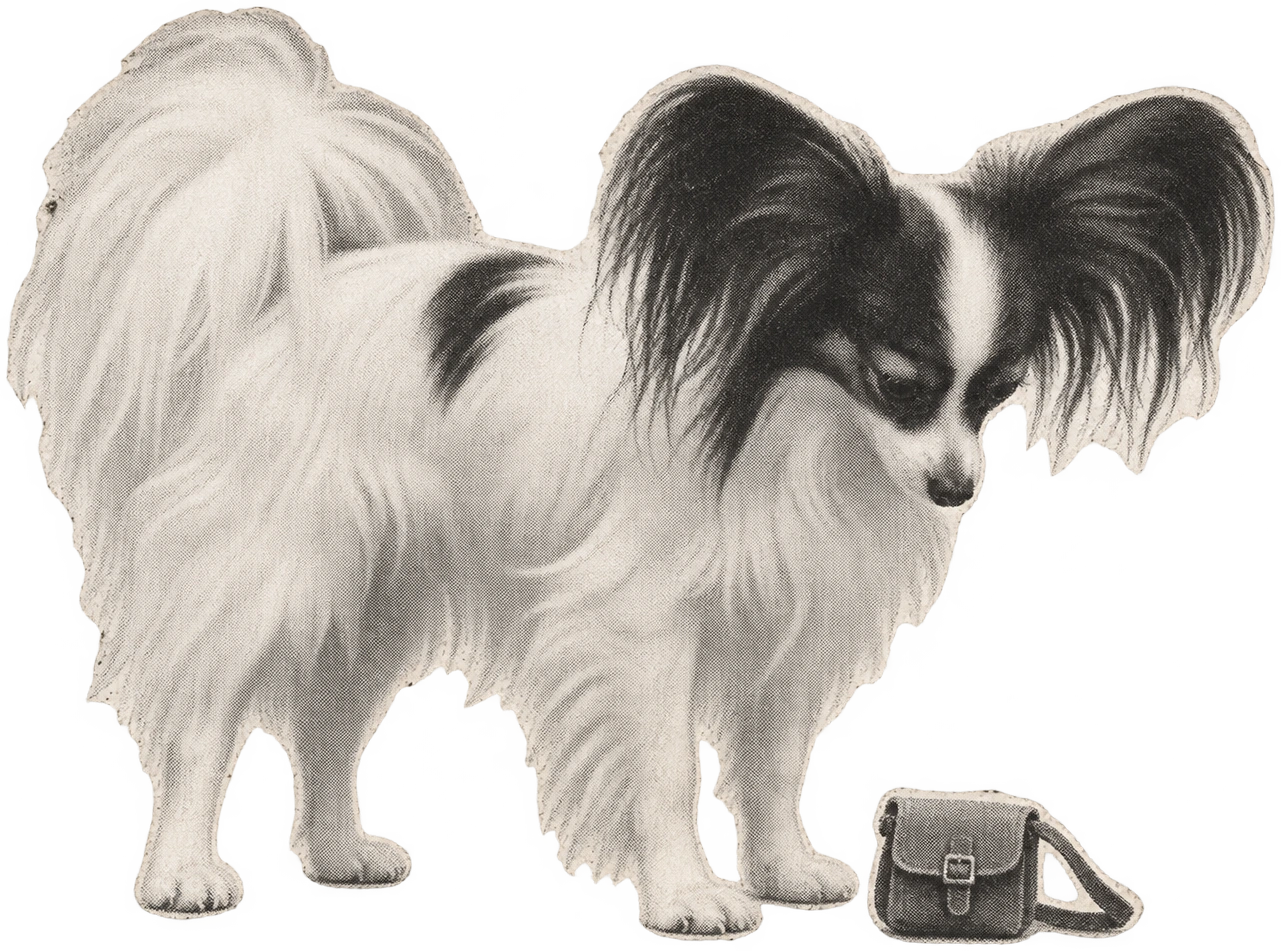
The Papillon is a tiny continental toy spaniel with a long silky coat and, in the better-known type, ears like butterfly wings. The drop-eared Phalène is part of the same breed in the UK. Both are small enough to lose behind a visitor’s feet and lively enough to get there before you. Teach where to wait at the door, let them walk and sniff at their own pace, and get the comb behind those famous ears. 12351525
Jump to a section
The short version
Make sure everyone knows where the dog goes when the front door opens. A mat a few feet back or a gate gives a small dog somewhere to be other than under the person coming in. Try it with somebody already in the house before an actual delivery puts everyone’s timing to the test. 11 14 25
Comb the ear fringes and check the skin, but don’t make grooming the only time you pay attention to how they move. A dog who repeatedly takes a few steps on three legs deserves a vet check, even if they seem fine again when they stop doing it. 4 5 17 18 19
Papillon notes / 01
Where to start
| Start here | What to do |
|---|---|
| Front door | Practise a waiting place away from shoes and the door swing. 11 14 25 |
| Ear fringes | Work in short goes, from loose ends towards the roots. 5 17 |
| Walks | Pick a route where short legs aren’t playing catch-up the whole way. 4 15 29 |
| Repeated hop | Note which leg lifts and tell the vet. 4 19 |
Butterfly or moth?
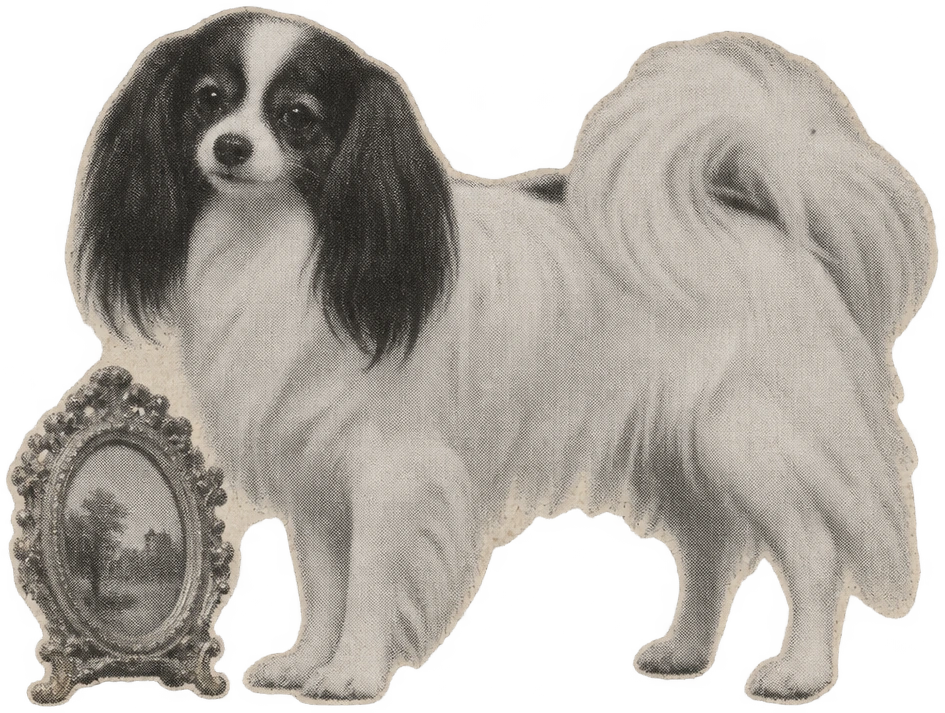
The Royal Kennel Club uses Papillon as the UK breed name. Papillon is also what people call the variety whose ears stand up and out. A Phalène has both ears hanging, not just the long hair dangling off the end of a standing ear. Under the FCI the two varieties sit under Continental Toy Spaniel. Ear carriage tells you which type you’re looking at, not much about that dog’s personality. 1 2 3 8 12
Buy a harness for the dog, not the size on the tag
The UK standard gives 20–28 cm at the shoulder. You can find a pretty convincing amount of dog inside all that hair, but don’t size equipment over the coat by eye. Check whether the harness slides when they turn or back up, and whether the front legs move freely. Feel the ribs and waist rather than judging by the ruff. 2 15 16
The knots are under the ears, not on top
The standard describes a long silky coat without an undercoat. Run a comb gently through feathering behind the ears and on the backs of the legs, then look at the skin under any harness. The smooth bit down the back can look lovely when a knot is quietly building out of sight. Get help with painful or tight mats. 2 5 9 17 18 20
Get the dog used to the brush touching one comfortable spot and stopping. Do that separately from getting tangled ears sorted. Daily toothbrushing with pet toothpaste is another useful habit to build in small steps; ask the vet if the mouth looks sore or the dog backs away from handling that was fine before. 5 13 20 37
Papillon notes / 04
Behind the ears

| Where | What you’re looking for |
|---|---|
| Behind the ears | Start on the bits that comb easily and stop if it pulls. 5 17 |
| Back legs and paws | Look for knots, snagged debris and nails that need attention. 17 18 |
| Harness line | Check for rubbing, damp or tangles after walks. 15 18 |
| Teeth | Work towards daily brushing; get soreness, bleeding or a change in eating checked. 13 37 |
Work out what the bark is about
If your dog runs to the window every time someone walks past, move the chair they’re using as a lookout. Practise going somewhere else before the busy part of the day. If the barking begins after you’ve left, see what’s happening on a short recording instead of assuming it’s the same problem. 6 7 14 21 25
Papillon notes / 05
Let them switch off
Teach a route out of everybody’s way
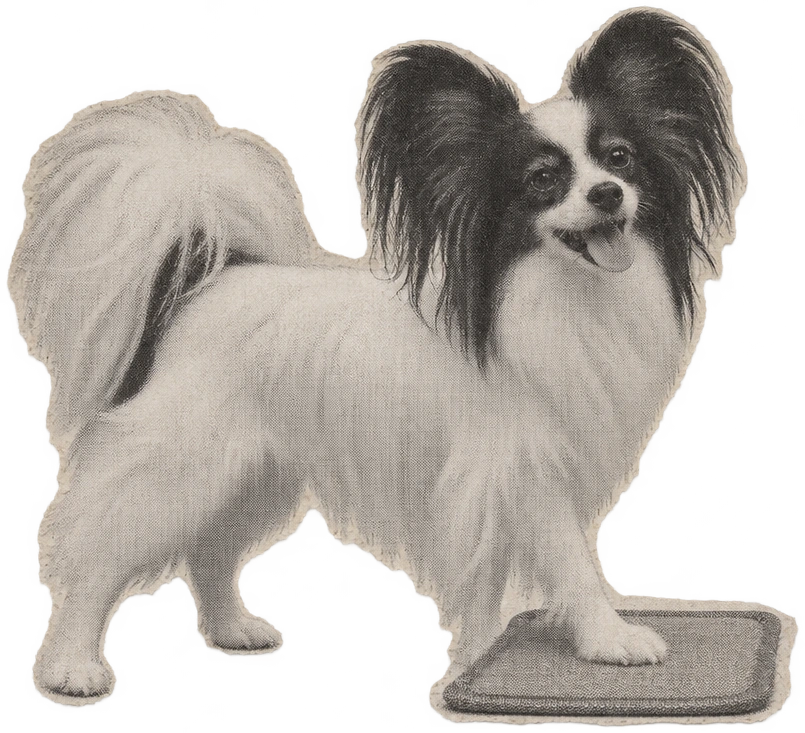
Make the mat earn its keep. Reward them for walking onto it while you’re both relaxed, then try a small movement towards the door. Practise with somebody taking one step indoors rather than starting with the whole family coming home at once. Keep a barrier in place when you cannot supervise the practice. 11 20 25
Keep recall and ordinary dog skills in the picture, too. Try a return across a quiet room or a food search in a place where they can use their nose without being stepped over. A dog being easy to pick up isn’t a substitute for teaching them how to move with you. 15 23 24
Papillon notes / 06
Practise the mat
Let them walk the walk
For a fit adult, plan regular outings on their own feet, with room to sniff and a lead setup that fits. The RKC’s half-hour breed indication is broad guidance, not a ceiling or a timed test. If an outing is wall-to-wall knees or bikes, pick a quieter loop rather than dragging the dog through or carrying them the whole way. 1 4 15 26 29
Papillon notes / 07
Let them sniff
| What’s happening | Better call |
|---|---|
| A quiet pavement or path | Give them a bit of time to sniff without being hurried. 23 26 29 |
| People or wheels filling the path | Move aside earlier or change the route. 21 23 |
| Hot weather | Choose a cooler outing and adjust the plan to the dog. 28 29 |
| A hop that keeps coming back | Speak to the vet without taking them back out to reproduce it. 19 27 |
Look down before you move the chair
Check around swivel chairs, recliners and the spots where people swing heavy doors without looking. Give the dog a bed with a clear, grippy way in and out, not a slot next to the busiest chair. A low barrier can help if you know their first response to the doorbell is to be exactly where your next foot is going. 14 25 30 31
Papillon notes / 08
Move the bed
Nobody needs to pick them up to say hello
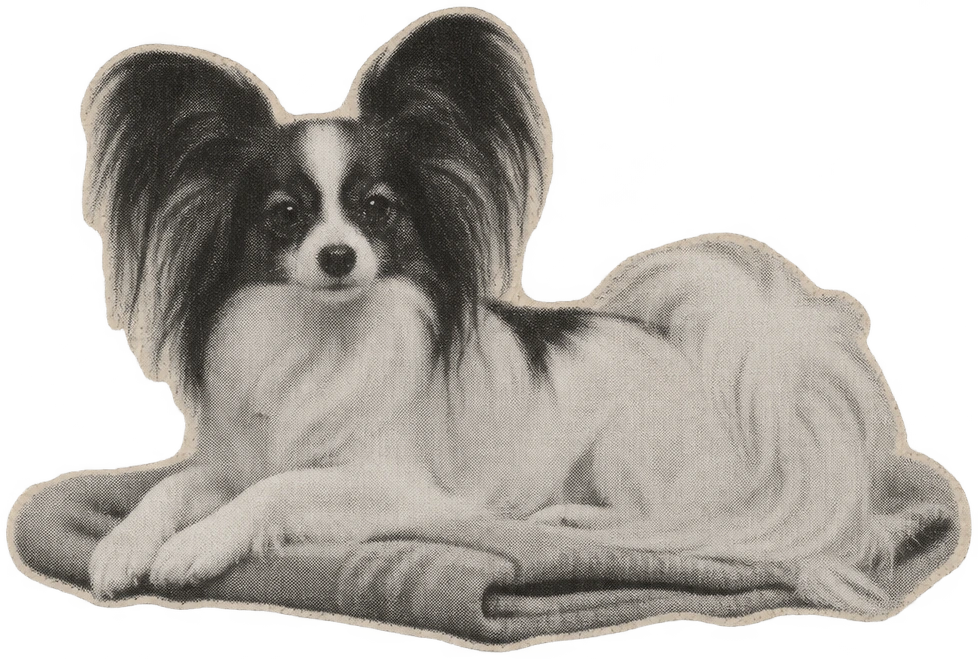
Have children sit down and let the dog approach by choice, with an adult there. Avoid carrying the dog across the room to introduce them to another animal. Make room for a dog to move away, and give cats a route to a place the dog can’t follow. A sedate older dog needs this just as much as a pup who’s up for every game. 20 21 31 32 33
Papillon notes / 09
Give them a way out
Health: look at the dog and the actual result
For breeding, UK Good Practice includes prioritising genetic diversity and the pap-PRA DNA test. The extra Best Practice checks are NAD-PLA2G6 and vWD1 DNA tests plus a BVA/RKC/ISDS eye examination. A primary study linked one CNGB1 variant to a form of progressive retinal atrophy in both Papillons and Phalènes. Another looked at a specific PLA2G6 variant linked to neuroaxonal dystrophy. Neither result is a whole-dog health guarantee, and the eye examination is a separate check. 1 35 36 38 39 43 46
PDSA identifies slipping kneecaps as an issue to look out for. You may see a few skipping steps, but there are other reasons for limping. Ask the vet if it repeats. If the dog hesitates in dim rooms or starts bumping into things, get their eyes checked; sudden vision loss or eye pain needs urgent veterinary attention. 4 19 27 38 42 45
The Dogs Trust UK sample put median lifespan at 14.5 years, with a reported 14.1–14.9-year interval and 427 recorded deaths. It’s an estimate for the cohort, not a figure for either ear type separately or a promise about how long your dog will be free of health conditions. 40 41
Papillon notes / 10
Health conditions and screening
| Health conditions and screening | What’s useful |
|---|---|
| Good Practice | Ask how diversity was considered and check the named pap-PRA DNA result for both parents. 1 35 46 |
| Additional Best Practice | Check NAD-PLA2G6, vWD1 and the eye exam separately. 1 35 36 |
| DNA limitations | Named variants are not a diagnosis or clearance from all related conditions. 38 39 43 |
| Dim-light hesitation | Ask the vet, even if the dog finds their way round in daytime. 38 42 |
| Repeated skipping | Note the leg and discuss it rather than assuming it’s a normal gait. 19 27 |
| Sudden painful eye or vision loss | Seek urgent veterinary advice. 42 45 |
| 14.5 years | Population median lifespan, not an individual forecast. 40 41 |
Tiny dog, still a real vet budget
Put dental care, a proper harness and a vet contingency on the list before accessories. Ask a groomer what a light maintenance appointment covers if you need help. If you use a walker, find out how they group dogs and whether a little dog will be expected to keep up with long-legged ones for the whole round. 13 15 17 44
Papillon notes / 11
Price the coat
| What costs money | What to check |
|---|---|
| Teeth and routine care | Ask the vet about their routine and what needs a separate visit. 13 37 |
| Grooming | Check whether brushing out and nail care are included. 17 18 |
| Walker or daycare | Ask about size mix, pace and how they manage introductions. 21 33 44 |
| Vet bill contingency | Check excess, exclusions and what is actually covered. 44 |
The old toy spaniel behind both names
The FCI gives Belgium and France as the countries of origin for the Continental Toy Spaniel. The British club records its inaugural meeting in 1923. Butterfly and moth describe two ways the ears sit; they aren’t two explanations for how the dog acts on the rug today. 2 3 8 10
Meet one without making a fuss
Ask how the dog reacts to grooming, doorways, children and being left, not only whether they’re affectionate. Let a rescue dog show whether they want to come closer instead of reaching over their head. For a puppy, see its mother in the place the litter was raised and ask for both parents’ actual screening results. Picking between ear types can wait until you know the dog’s day fits yours. 6 20 25 31 35 46 47
Papillon notes / 13
Ask about a day
| Ask this | Listen for |
|---|---|
| What happens when a visitor stands up? | Ordinary examples of where the dog goes and what they need. 14 20 |
| How are grooming and teeth care going? | What the dog copes with, and where they need a pause. 5 13 20 |
| Can I see the actual results? | Named results for both parents when it’s a litter, including eye exams. 35 36 46 |
| What’s the puppy used to at home? | See the set-up with its mother and look for a sensible transition plan. 4 47 |
Sources
- S1Royal Kennel Club official Papillon profile and live health tiersSource · checked 21 November 2026
- S2Royal Kennel Club Papillon breed standard and both ear typesSource · checked 21 November 2026
- S3FCI Continental Toy Spaniel entry and separate ear varietiesSource · checked 21 November 2026
- S4PDSA veterinary Papillon breed guideSource · checked 21 November 2026
- S5PDSA veterinary grooming and coat maintenanceSource · checked 21 November 2026
- S6Dogs Trust introducing time alone, using a recordingSource · checked 21 November 2026
- S7Dogs Trust identifying and getting help for separation distressSource · checked 21 November 2026
- S8Papillon Butterfly Dog Club UK both varieties and owner notesSource · checked 21 November 2026
- S9American Kennel Club Papillon breed coat maintenanceSource · checked 21 November 2026
- S10British breed club history and inaugural meetingSource · checked 21 November 2026
- S11Dogs Trust reward-based trainingSource · checked 21 November 2026
- S12United Kennel Club Papillon breed standard and both varietiesSource · checked 21 November 2026
- S13PDSA veterinary prevention and signs of dental diseaseSource · checked 21 November 2026
- S14Dogs Trust barking triggers and changing the viewSource · checked 21 November 2026
- S15Dogs Trust harness fitting and checking free movementSource · checked 21 November 2026
- S16PDSA body condition at homeSource · checked 21 November 2026
- S17Blue Cross assessing and caring for coat, skin and matsSource · checked 21 November 2026
- S18PDSA home health check including feet and skinSource · checked 21 November 2026
- S19PDSA veterinary advice on a luxating patellaSource · checked 21 November 2026
- S20Dogs Trust building comfort with handlingSource · checked 21 November 2026
- S21Dogs Trust recognising and managing reactivitySource · checked 21 November 2026
- S22Dogs Trust sourcing qualified behavioural supportSource · checked 21 November 2026
- S23Dogs Trust recall and long-line trainingSource · checked 21 November 2026
- S24Dogs Trust safe enrichment and search gamesSource · checked 21 November 2026
- S25Dogs Trust building settling skillsSource · checked 21 November 2026
- S26Dogs Trust daily walks and giving dogs time to sniffSource · checked 21 November 2026
- S27PDSA veterinary advice on a limp and follow-upSource · checked 21 November 2026
- S28Dogs Trust safe outings in hot weatherSource · checked 21 November 2026
- S29PDSA exercise and tailoring to life stageSource · checked 21 November 2026
- S30Canine Arthritis Management veterinary access and safe flooring guidanceSource · checked 21 November 2026
- S31Dogs Trust children and dog supervisionSource · checked 21 November 2026
- S32Dogs Trust safer dog and cat introductionsSource · checked 21 November 2026
- S33Dogs Trust introductions to another dogSource · checked 21 November 2026
- S34Dogs Trust resource guarding and separate feedingSource · checked 21 November 2026
- S35Royal Kennel Club UK central Health Standard exact Papillon tierSource · checked 21 November 2026
- S36Royal Kennel Club BVA/RKC/ISDS Eye SchemeSource · checked 21 November 2026
- S37PDSA vet guidance on daily brushing with dog-safe toothpasteSource · checked 21 November 2026
- S38Primary CNGB1-related retinal atrophy study in Papillon and PhalèneSource · checked 21 November 2026
- S39Primary PLA2G6 survey in Papillons in North America and EuropeSource · checked 21 November 2026
- S40Dogs Trust original 2024 UK breed lifespan table exact Papillon rowSource · checked 21 November 2026
- S41McMillan et al. original UK dog longevity studySource · checked 21 November 2026
- S42PDSA veterinary guidance for blindness and vision changeSource · checked 21 November 2026
- S43Royal Kennel Club named DNA tests and risk interpretationSource · checked 21 November 2026
- S44PDSA costs, insurance and costing extrasSource · checked 21 November 2026
- S45PDSA veterinary advice on eye pain and urgencySource · checked 21 November 2026
- S46Royal Kennel Club health results finderSource · checked 21 November 2026
- S47RSPCA buying a puppy and seeing mother with the litterSource · checked 21 November 2026
