
Breed guide / Olde English Bulldogge
Living with an Olde English Bulldogge
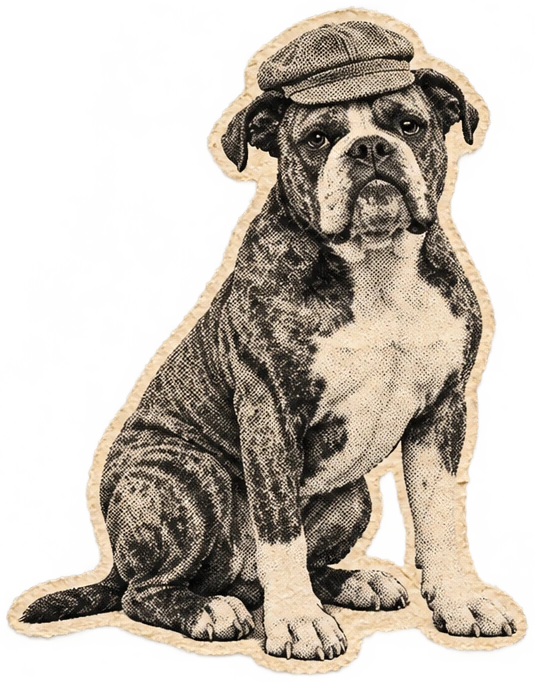
An Olde English Bulldogge is a muscular dog from a modern American project to recreate the look of an earlier Bulldog. There’s a proper breed standard for it in the US, but that isn’t the same breed entry as the Bulldog in Britain. At home, watch how easily your dog breathes and moves. A chest like a kitchen unit is no reason to let them drag you past the school gates, and an impressive pedigree won’t tell you whether they’re comfortable on a warm walk. 123456
Jump to a section
The short version
When you come back from a familiar walk, notice how your dog gets their breath back and how they move after a rest. If they’re noisier than they used to be or seem stiff getting up, make a note of the change and speak to your vet. If they’re struggling to breathe, get emergency veterinary help. You don’t need to work out which bit of their ancestry to blame before you ring. 478
Teach an easy turn on the lead and practise it where there’s nothing much to pull towards. A heavy dog that knows how to follow you out of a narrow spot is easier to live with than one that can do a beautiful sit while everything else stands still. Give them room and reward the turn before they hit the end of the lead. 569
Olde English Bulldogge notes / 01
Breathing, movement and lead
| Sort this first | What to do |
|---|---|
| Breathing | Know what’s usual at rest and on familiar walks. Struggling to breathe means emergency help. 47 |
| Lead manners | Practise following you before the dog is already leaning into the lead. 56 |
| Skin and eyes | Check any folds for soreness and ask about red or painful eyes. 1011 |
| Paperwork | Get the actual registry and family health information, not a claim that the name means “healthier”. 1212 |
Olde English Bulldogge isn’t another spelling of Bulldog
The United Kennel Club (UKC) in the US recognises the Olde English Bulldogge. The Royal Kennel Club (RKC) in Britain has a separate standard for its Bulldog and doesn’t list the Olde English Bulldogge in its published breed standards. It’s easy to read “UKC” on an advert and think the U stands for Britain. It doesn’t. Ask which organisation issued any paperwork. 123
The Leavitt Bulldog Association uses its own name for the line associated with the founder’s project. Similar labels such as Old English or Olde Tyme crop up in other registry or advertising contexts. They don’t prove that a dog is from the same line or registered under the same standard. If the history isn’t known, write down what you know about the dog rather than guessing the rest. 121314
Olde English Bulldogge notes / 02
Check who issued the papers
| Label | What it means here |
|---|---|
| Olde English Bulldogge | Modern breed recognised by the US United Kennel Club. 1 |
| Bulldog | A separate breed in the British Royal Kennel Club’s standards. 23 |
| Leavitt, Old English or Olde Tyme | Check the individual registry and family records before treating different labels as interchangeable. 121314 |
Size, strength and fitting the kit
The US UKC standard gives adult males 17 to 20 inches at the shoulder and 60 to 80 lb. For females it gives 16 to 19 inches and 50 to 70 lb. Those figures apply from age two in that standard, and are not measurements from a UK survey. Use body condition and your vet’s advice to work out what’s healthy for your individual dog. Heavier is not the goal. 115
Put the harness on and check it while the dog walks. A deep chest can make the size chart less useful than a fitting in person. Leave the shoulders free, check for rubbing at the front legs and make sure the dog can’t back out. If they pull hard, get help teaching them to walk with you before trying it on a busy pavement. 15616
Olde English Bulldogge notes / 03
Fit the kit to the actual dog
The coat’s short. Check what’s underneath.
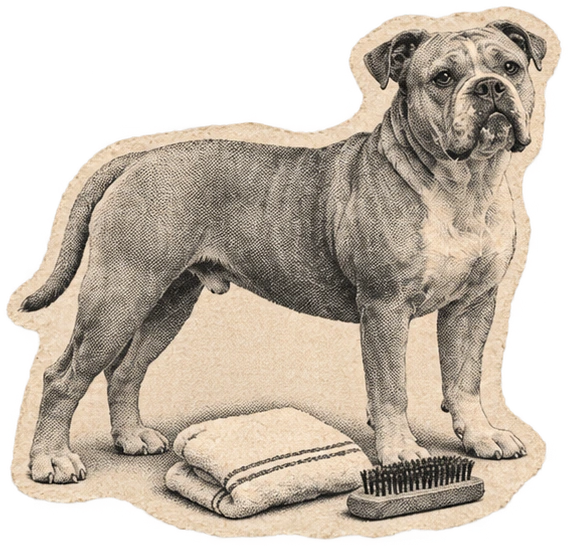
A quick brush will usually do more for the short coat than any elaborate grooming routine. If your dog has folds around the face or tail, look at the skin itself. Redness, soreness or a smell can mean the skin needs attention. Speak to your vet before putting products on it, especially near the eyes. 11017
Use small handling sessions for the awkward bits. Check one paw when the dog is settled, reward it and let go. If they start objecting to a place they used to let you touch, you’ve learned something useful for the vet. That’s a better outcome than both of you persisting until they decide the brush is trouble. 81018
Olde English Bulldogge notes / 04
Check under the short coat
| Where to look | A practical habit |
|---|---|
| Short coat | Gentle brushing and a quick look for sore areas. 117 |
| Folds, if present | Check for redness, discomfort or odour; get veterinary advice. 10 |
| Eyes | A sudden red, painful or cloudy eye is a reason to call the vet promptly. 11 |
| Under the harness | Check skin where straps sit, especially if a walk leaves the kit wet. 517 |
Build tells you less than behaviour
A breed standard tells you what the registry is aiming for. It doesn’t tell you how your dog will cope when a visitor walks straight up to their bed. Give them a way to move away in the first place. If they freeze, turn their head or retreat as someone reaches over, stop the interaction. You don’t need to find out how many warnings they’re prepared to give. 161920
If the front door gets hectic, put the dog behind a secure barrier before you open it. Practise calm arrivals separately. A visitor leaning over them in the hall isn’t a fair test of what all that training has done. If the dog repeatedly rushes or snaps, get qualified help and manage the space so they don’t have to rehearse it. 192021
Olde English Bulldogge notes / 05
Give them room at the door
| What you notice | What to do now |
|---|---|
| Moves away from hands | Let them leave. Ask people to give them space. 1920 |
| Gets overexcited at the door | Arrange physical space first; practise the greeting on another day. 1921 |
| Snaps, lunges or has bitten | Separate safely and ask a vet or qualified behaviourist for help. 2021 |
Train something ordinary that you’ll actually use
Start a turn in the house: take a step away and reward the dog for following. Move that to a quiet stretch of pavement while the lead is slack. Once you can both do it without thinking too hard, it’s something to call on when a pushchair comes round a blind corner and neither party wants an introduction. 569
For play indoors, hide a toy the dog can safely carry and let them find it. If tug or chasing a ball gets them too wound up, make the game shorter and stop when the dog can still settle. A short search gives them something to do on the days when heat or mobility makes the usual outing a poor idea. 222324
Olde English Bulldogge notes / 06
Useful jobs for a normal day
Keep walks within what the dog can manage
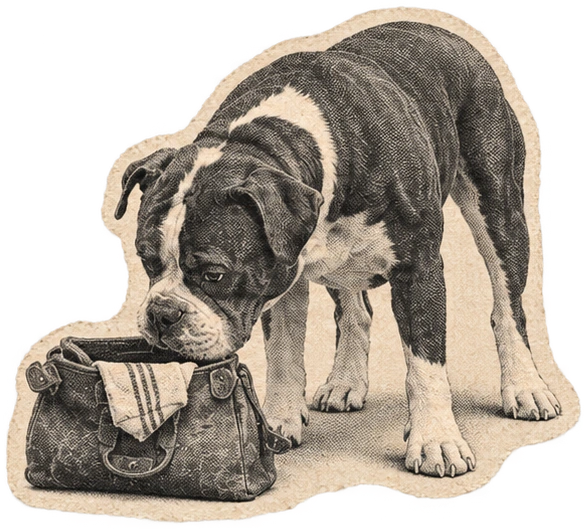
Some dogs of this build move easily and enjoy getting out. Others struggle more with heat or effort. Choose a pace at which your dog is comfortable, give them sniffing breaks and go out in cooler conditions on hot days. Heat and extra weight can both make things harder for a dog with a shorter face. If the dog is starting to struggle, don’t turn the end of the walk into a fitness test. 4232426
Notice changes across the same route. If they’ve started falling behind, making more breathing noise or needing longer to recover, bring that up with the vet. If they’re struggling to breathe or you suspect heatstroke, get emergency advice straight away. The UKC’s aim of easy breathing is not a promise about the individual dog. 14723
Olde English Bulldogge notes / 07
Keep the walk comfortable
| Situation | Make the change |
|---|---|
| Fit and comfortable | Regular activity suited to the dog, with breaks and opportunities to sniff. 2224 |
| Warm weather | Pick a cooler time and avoid pushing on if the dog is uncomfortable. 23 |
| New noise, tiredness or stiffness | Tell the vet what’s different on familiar outings. 48 |
| Struggling to breathe | Contact the emergency vet. 7 |
Make rest easy when you get home
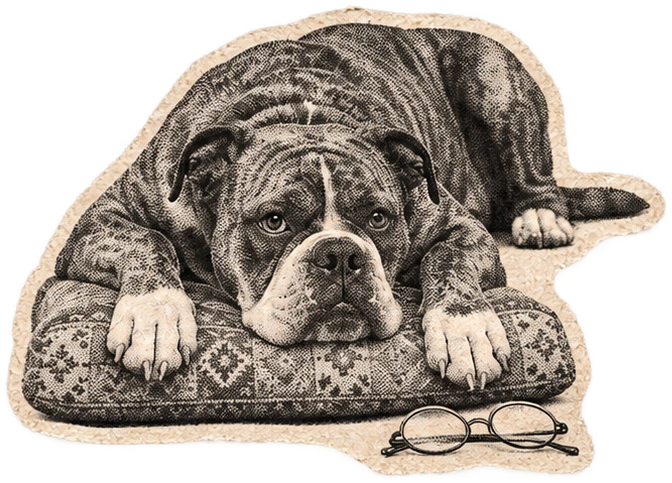
A sturdy dog can still struggle on a slippery floor. Give them a bed they can get into without jumping and a grippy route to the door if they’re sliding. If a bit of furniture is the only comfortable place they know, make the floor-level option worth using. They don’t need to learn this while you and two visitors are trying to fit on the sofa. 82728
If they find being left difficult, practise a very short absence while they’re relaxed. Don’t assume a quiet house means a dog is coping; check how they actually behave. Shorten the next practice if they pace, whine or scratch at the door, and get help if that persists. 282930
Olde English Bulldogge notes / 08
A place to rest
Kids and other animals
A powerful dog doesn’t have to be angry to knock a child over. Keep an adult actively supervising around children and give the dog a way to get out of the activity. Separate them for food or chews, and teach children to leave the dog’s bed alone. A resting dog shouldn’t have to negotiate for its personal space. 1931
Look at what the individual dog has actually done around other pets. Start with room to move away. Keep a cat’s food and sanctuary out of the dog’s reach, and use a barrier for early introductions. With another dog, plan a calmer meeting so neither has to put up with being crowded at the front door. 193233
Olde English Bulldogge notes / 09
Protect everyone’s space
Health checks and what the studies don’t say
The US standard asks for functional breathing and treats narrow slit-like nostrils and excessive wrinkling as faults. That’s a description for judging and breeding. It isn’t a clinical screening result. Research across dogs links a shorter muzzle with greater risk of brachycephalic obstructive airway syndrome (BOAS), but you can’t diagnose it by looking at muzzle length. Ask a vet about noisy breathing when awake, poor recovery or difficulty exercising. 1426
The British RKC and Cambridge respiratory grading scheme includes the Bulldog on its eligible list. Olde English Bulldogge isn’t listed there as of the sources checked. That doesn’t stop your vet assessing how your own dog breathes or recommending further checks. The 2026 UK study of 14 other short-faced breeds did not establish a figure for the Olde English Bulldogge either. 73435
UK VetCompass research on the English Bulldog can’t be used to give an Olde English Bulldogge prevalence figure. I couldn’t verify a reliable representative UK lifespan estimate for the Olde English Bulldogge in the longevity sources checked. Use the vet’s findings and the dog’s family records rather than somebody else’s breed statistics. If there are skin folds, sore eyes or repeated stiffness, get those assessed on their own merits. 81011363738
Olde English Bulldogge notes / 10
Health conditions and screening
| Condition or check | What an owner can do |
|---|---|
| Noisy breathing or poor recovery | Speak to your vet; the pedigree and the look of the nose are not an assessment. 426 |
| Difficulty breathing | Get emergency veterinary help. 7 |
| Heatstroke | Get emergency help and follow your vet’s instructions. 23 |
| Sore folds | Ask what’s appropriate for the actual skin, especially near the eye. 10 |
| New stiffness or limp | Talk to the vet about changes in movement and body condition. 815 |
| Screening | Ask a vet which checks are appropriate; do not pass off a British Bulldog scheme result as one for this breed. 3439 |
| UK lifespan | No reliable breed-specific UK estimate established in sources checked. 3738 |
What you’ll pay for beyond food
A short coat is fairly cheap to look after. The rest of the dog doesn’t come with that promise. Get equipment that fits, and price a walker you’d trust to manage a strong dog without getting dragged into the road. Ask a local vet what a routine appointment costs and where they send people after hours, rather than finding out when you’ve got a dog struggling to breathe. 571740
Compare insurance using accurate details for the dog. Check exclusions for pre-existing breathing or joint problems if either is relevant and budget for the care the policy doesn’t pay for. A breeder’s line name doesn’t pay an emergency bill. 3640
Olde English Bulldogge notes / 11
Budget beyond the food
| Budget for | Ask about |
|---|---|
| Equipment | Actual harness fit and a lead you can handle safely. 516 |
| Training or care | Price experienced support that suits the dog’s strength and behaviour. 202140 |
| Vet care | Routine appointments and access to out-of-hours help. 740 |
| Insurance | Policy limits, exclusions and care you’ll still have to pay for. 40 |
A modern dog with an old look in mind
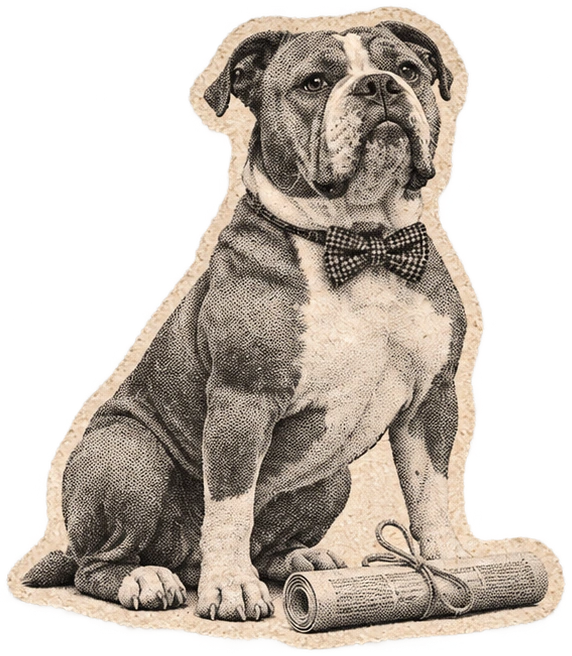
According to the United Kennel Club’s history, the project began in 1971 to recreate the appearance of the Regency-era Bulldog. The Leavitt Bulldog Association names David Leavitt as its founder and describes the separate identity it now uses for the original project’s lines. The modern dog wasn’t sitting in a Regency drawing room under this breed name. That old look was the reference. Breeding these dogs came much later. 112
The American United Kennel Club recognised the Olde English Bulldogge in January 2014. Its standard puts an emphasis on moderation and easy movement. That’s a reasonable thing to look for in a dog you’ll take home, whichever bit of history drew you to the name. Watch how the dog goes about an ordinary day. 1413
Olde English Bulldogge notes / 12
A modern recreation
| Which part of the story? | What’s documented |
|---|---|
| Historic reference | The appearance of earlier British Bulldogs inspired the modern project. 112 |
| Modern development | The 1971 project is associated with David Leavitt. 112 |
| Recognition | The US United Kennel Club recognised the breed in 2014; the British Royal Kennel Club Bulldog is separate. 123 |
Bringing one home or getting help with the one you have
Ask who issued the paperwork and what it tells you about the parents. If buying a puppy, see the mother with the litter and ask for actual dated veterinary records rather than a claim that the older-looking type can’t have breathing problems. If you see noisy breathing while awake or difficulty moving, don’t accept that it’s part of the look. Ask a vet about what you’ve noticed. 14123941
If you’re looking at an adult through a rescue, ask how they walk in hot weather, what handling they’re comfortable with and how they behave when visitors come in. If you already have the dog, go to the vet with examples rather than a guess about the line. Knowing they slowed down halfway round a familiar walk is more useful than debating how many e’s belong in the name. 4203342
Olde English Bulldogge notes / 13
Ask for evidence you can use
| Ask for | What you’re checking |
|---|---|
| Parentage and registry | Which registry is it, and are the records for these actual parents? 11241 |
| Dated health evidence | Ask what was looked at, by whom, and when. 343941 |
| An ordinary outing | Ask about movement and recovery rather than the longest walk they’ve ever done. 424 |
| Help after they come home | Ask who you can turn to about care or behaviour. 2142 |
Sources
- S1US United Kennel Club official Olde English Bulldogge standardSource · checked 21 November 2026
- S2British Royal Kennel Club Bulldog breed standardSource · checked 21 November 2026
- S3British Royal Kennel Club published breed standards indexSource · checked 21 November 2026
- S4PDSA breathing problems in short-faced dogsSource · checked 21 November 2026
- S5Dogs Trust walking on lead and suitable equipmentSource · checked 21 November 2026
- S6Dogs Trust walking and managing reactivitySource · checked 21 November 2026
- S7PDSA urgent advice for pets struggling to breatheSource · checked 21 November 2026
- S8PDSA limping and stiffness guidanceSource · checked 21 November 2026
- S9Dogs Trust reward trainingSource · checked 21 November 2026
- S10PDSA skin-fold dermatitisSource · checked 21 November 2026
- S11British Royal Kennel Club eye emergenciesSource · checked 21 November 2026
- S12Leavitt Bulldog Association history and its own standardSource · checked 21 November 2026
- S13International Olde English Bulldogge Association separate registry standardSource · checked 21 November 2026
- S14UK Bulldog Breed Council on Old English and Olde Tyme labelsSource · checked 21 November 2026
- S15PDSA body condition and weightSource · checked 21 November 2026
- S16Woodgreen on dogs that chase or fear trafficSource · checked 21 November 2026
- S17PDSA grooming and short coatsSource · checked 21 November 2026
- S18Dogs Trust gentle handling practiceSource · checked 21 November 2026
- S19Dogs Trust preparing the house for visitorsSource · checked 21 November 2026
- S20Dogs Trust on managing aggressive behaviour towards visitorsSource · checked 21 November 2026
- S21RSPCA reward-based training and seeking qualified helpSource · checked 21 November 2026
- S22Dogs Trust enrichment and scent workSource · checked 21 November 2026
- S23PDSA heatstroke risk and emergency guidanceSource · checked 21 November 2026
- S24PDSA healthy exercise for individual dogsSource · checked 21 November 2026
- S25Dogs Trust doorway trainingSource · checked 21 November 2026
- S26Packer et al. facial shape association with airway diseaseSource · checked 21 November 2026
- S27PDSA improving footing and joint comfort at homeSource · checked 21 November 2026
- S28Dogs Trust teaching a dog to settleSource · checked 21 November 2026
- S29Dogs Trust learning time alone graduallySource · checked 21 November 2026
- S30PDSA separation distress and veterinary helpSource · checked 21 November 2026
- S31Dogs Trust supervision and dogs around childrenSource · checked 21 November 2026
- S32Dogs Trust introducing a dog to a catSource · checked 21 November 2026
- S33Dogs Trust introductions between dogs in a householdSource · checked 21 November 2026
- S34RKC and Cambridge Respiratory Function Grading scheme, eligible breed listSource · checked 21 November 2026
- S352026 UK BOAS research into 14 named breedsSource · checked 21 November 2026
- S362022 VetCompass English Bulldog study, a different study populationSource · checked 21 November 2026
- S37Dogs Trust breed-level UK longevity tableSource · checked 21 November 2026
- S38Original 2024 UK dog lifespan studySource · checked 21 November 2026
- S39British Veterinary Association on scope of clinical screeningSource · checked 21 November 2026
- S40PDSA dog ownership costs and health coverSource · checked 21 November 2026
- S41RSPCA questions to ask a responsible breederSource · checked 21 November 2026
- S42Dogs Trust help for an adopted dog settling inSource · checked 21 November 2026
