
Breed guide / Nova Scotia Duck Tolling Retriever
Living with a Nova Scotia Duck Tolling Retriever
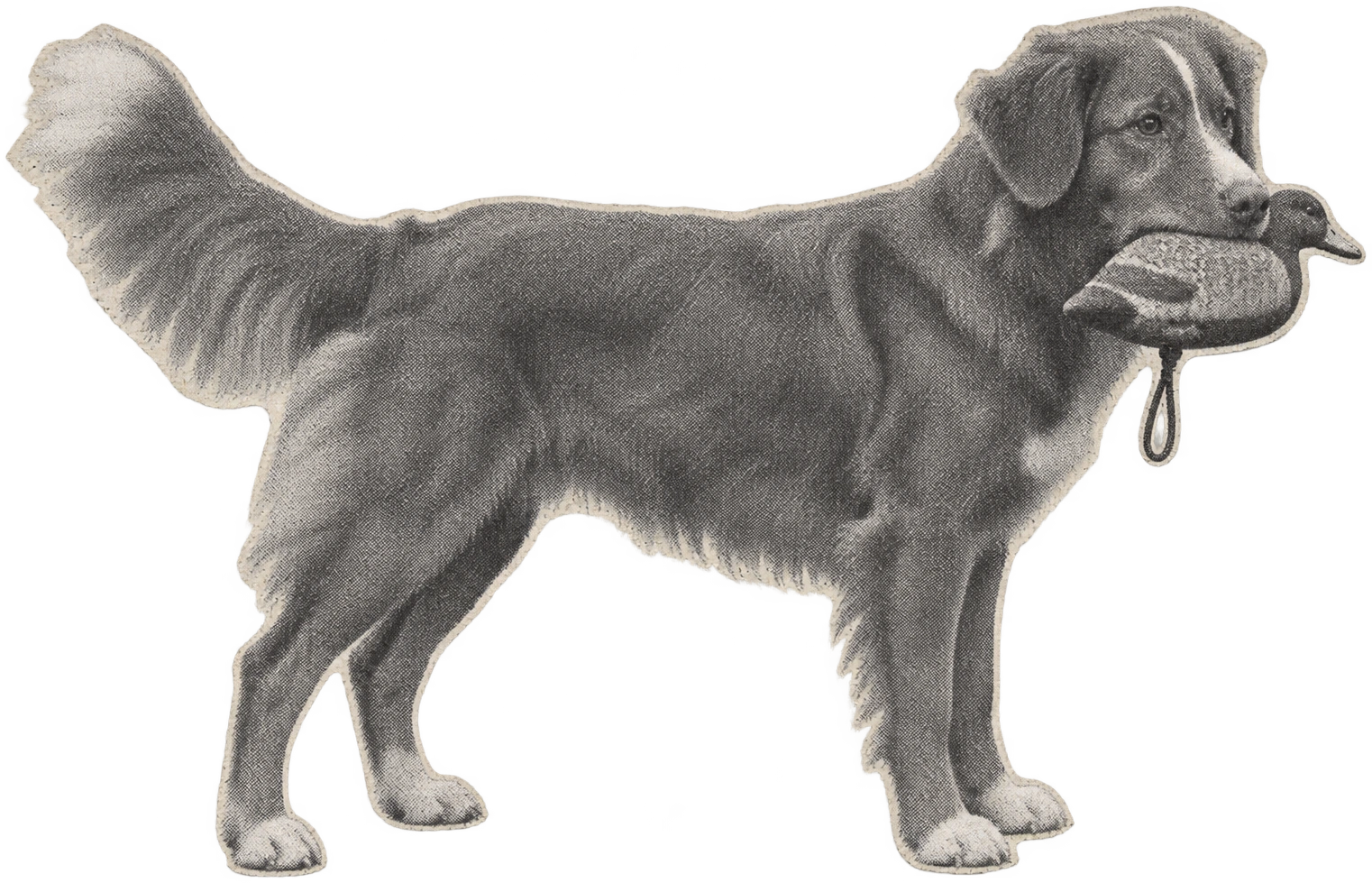
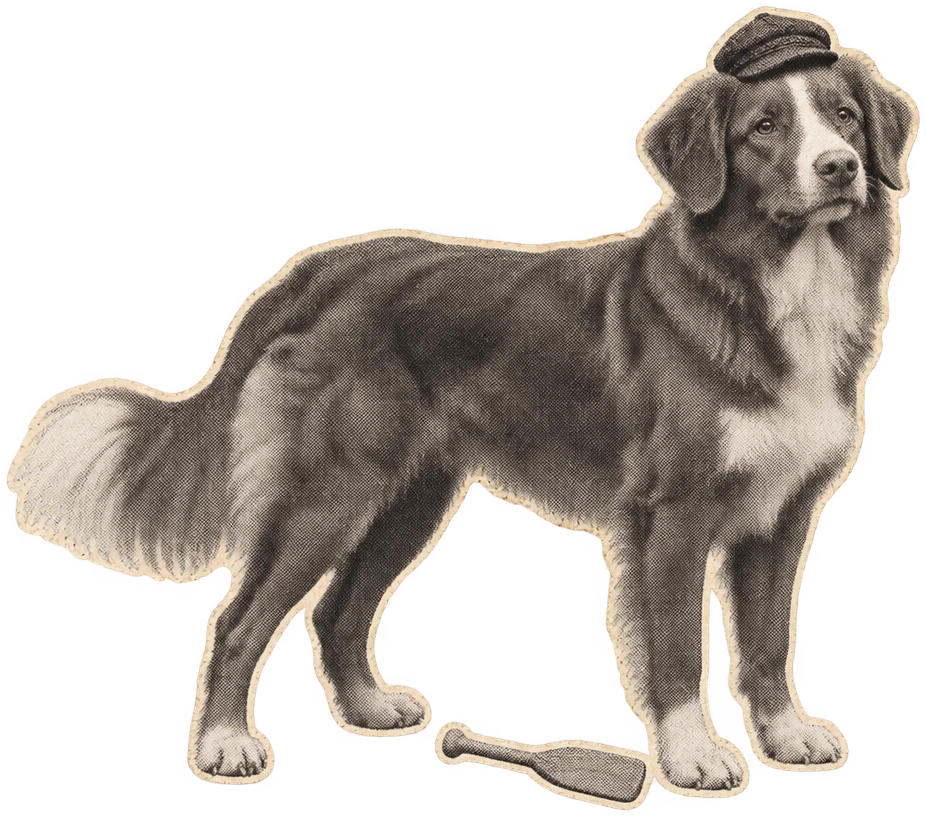
The Nova Scotia Duck Tolling Retriever is the compact red retriever bred to lure ducks towards the bank and retrieve them from cold water. You’ll hear people call them Tollers. At home, think of a dog who may be very good at switching on, not necessarily one who knows when the game is over. If yours can barely stand still at the sight of a tennis ball, show them how to wait and finish the game as well as how to fetch it. 12341125
Jump to a section
The short version
Give the dog permission to finish. A short retrieve can end with the toy out of sight and a wander to sniff rather than with somebody throwing it farther because the dog still looks keen. Practise that routine on dry ground before testing it at the edge of a lake. 11 23 24 25 27
The breed’s water-resistant coat is not a reason to let them swim anywhere. Look for a way out and keep them back from steep banks, strong currents and water with algae warnings. Check the feathering and dry underneath when you get home. 2 5 19 26 27
Nova Scotia Duck Tolling Retriever notes / 01
Where to start
| Start here | What to try |
|---|---|
| A game with an end | Put the toy away, then give the dog time to potter. 11 24 25 |
| The edge of water | Make the decision from dry land while the dog is still on lead. 23 26 27 |
| Wet feathering | Check behind the ears, round the collar and along the backs of the legs. 2 5 19 |
| An alarming screech | Notice when it happens and whether it’s new, rather than assuming it’s always excitement. 4 7 18 |
A Toller isn’t a small Golden Retriever
The Royal Kennel Club lists this breed as Retriever (Nova Scotia Duck Tolling). The same breed has its full Nova Scotia Duck Tolling Retriever name in Canada. It’s a separate working history and a distinct standard, not a red-coated Golden Retriever, and white marks alone don’t identify one. 1 2 3 12
Nova Scotia Duck Tolling Retriever notes / 02
Check the name
Compact doesn’t mean slight
The UK standard gives ideal heights of 48–51 cm for males and 45–48 cm for females. It describes a muscular medium-sized dog, with a feathered tail and white marks often found on the chest, feet, blaze or tail tip. Some have no white. Use your own dog’s measurements for a harness or car crate, and check ribs and waist with your hands. An impressive coat can hide several months of enthusiastic treating. 2 15 16
Nova Scotia Duck Tolling Retriever notes / 03
Measure yours
| Detail | Why it matters |
|---|---|
| Height | 48–51 cm males and 45–48 cm females are the UK ideal ranges, not rules for each dog. 2 |
| Chest and shoulders | Watch them walk in the harness; check that it stays in place without crowding the front legs. 15 |
| Body condition | Feel the ribs and check for a waist instead of judging through the feathering. 16 |
They can look dry and still be damp underneath
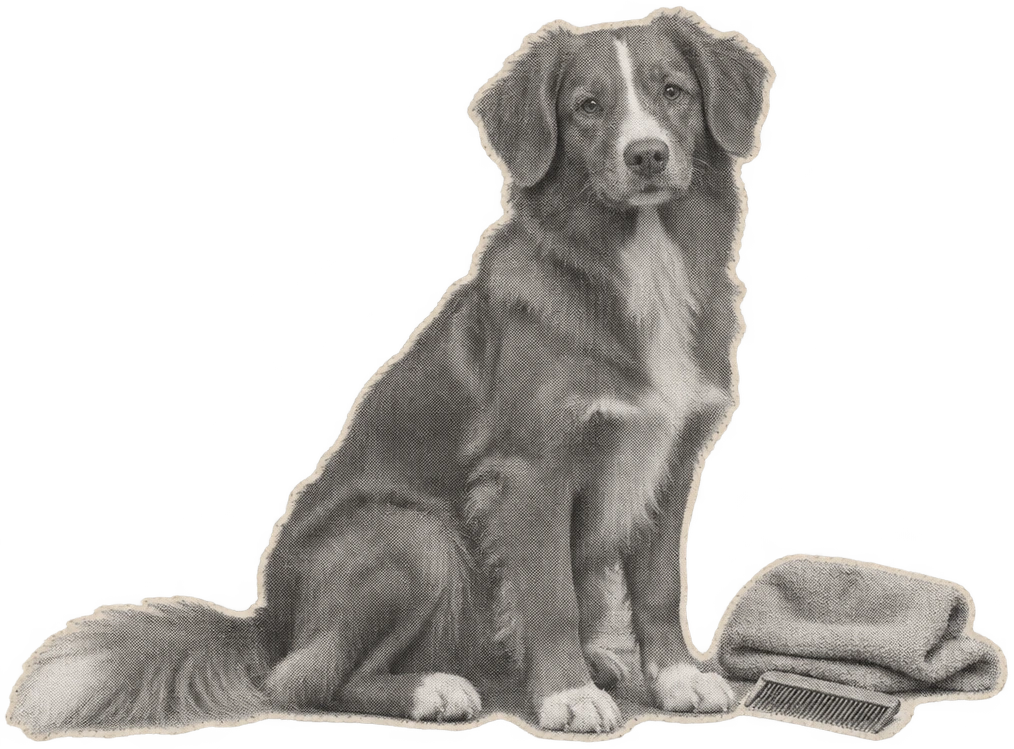
A Toller’s coat has a water-repellent outer layer and a dense, softer undercoat. After a wet outing, check at skin level behind the ears and under their harness instead of just ruffling the top. Once they’re comfortable, comb a small section of feathering and reward them before they’re fed up. If a mat is close to the skin or hurts, ask a groomer or vet rather than trying your luck with scissors. 2 5 17 20 26
Nova Scotia Duck Tolling Retriever notes / 04
Dry underneath
| Where | What to do |
|---|---|
| Behind the ears | Part the coat and check for moisture, new knots or red skin. 2 5 17 |
| Back legs and tail | Comb small sections rather than pulling a tangle through the whole feather. 2 17 |
| After grass or a swim | Check paws, rinse off as needed and towel-dry. 19 26 |
| Sore patch or painful mat | Stop brushing that spot and get help. 17 18 |
The noise has a reason, even if it sounds ridiculous
The Canadian breed club describes a high-pitched sound some Tollers make when excited. It’s not universal. If yours does it while you’re getting a toy out, try bringing the excitement down before the next turn: put the toy away, let them move off and reward a quieter moment. If the noise begins when they’re alone, or comes with pain or other changes, treat it as a different problem. 4 6 7 11 18
Nova Scotia Duck Tolling Retriever notes / 05
Let them switch off
| When it happens | Where to start |
|---|---|
| Before you throw | Pause, make the set-up less exciting and reward quiet waiting. 4 11 25 |
| When someone walks past | Create distance or reduce the view and practise an easier response. 14 21 |
| After you leave | Check a short recording and get qualified help if they’re distressed. 6 7 22 |
Teach fetching when you don't need to throw far
Start by getting an easy return across the room or garden. Swap the object for something the dog likes rather than grabbing it or chasing them for it. Then put the toy down, reward a pause and only restart if they can settle into the game again. A dog who can bring a toy back and walk off with you has learnt more useful things than one who can do twenty throws without looking up. 10 11 23 24 25
Nova Scotia Duck Tolling Retriever notes / 06
Finish the game
You don't have to get in the water
Give an adult regular movement and work that suits their condition; a dry scent trail or a gentle walk with time to sniff can be a perfectly good outing. If you do go near water, look at the exit first. Keep the dog from entering near strong currents, steep banks, cold deep water or blue-green algae. Never force a dog to swim. If you think they’ve touched suspect algae, call a vet immediately rather than waiting for symptoms. 23 24 26 27 28
Nova Scotia Duck Tolling Retriever notes / 07
Check the water
| Situation | Safer choice |
|---|---|
| Waterside path | Decide where to keep the dog back before reaching the bank. 23 26 |
| Heat or a tiring dog | Pick an easier, cooler route and adjust for the actual dog. 28 29 |
| Suspect algae or a warning sign | Stay clear entirely; phone a vet right away after possible exposure. 27 |
| A growing puppy | Keep the game gentle and ask the vet about age-appropriate activity. 29 |
Let them be off duty at home
Hang the leads and put toys away somewhere the dog doesn’t have to stare at all afternoon. Have a towel near the back door and clear a dry path to the bed. Reward settling when you’re doing normal things, not only when you’ve set aside half an hour to train. If the bed looks like a front-row seat for the school run, put it somewhere less interesting. 11 14 20 25 30
Nova Scotia Duck Tolling Retriever notes / 08
Move the bed
Don't make the kids the automatic ball throwers
A child and a dog can get each other wound up very quickly, even if they both started out quietly. Supervise, finish the game before it starts getting frantic and give the dog a place to leave. Introduce cats or other dogs with room and control; don’t try it with an exciting toy in the middle of the floor, and feed apart if sharing makes either dog uncomfortable. 10 31 32 33 34
Nova Scotia Duck Tolling Retriever notes / 09
Give them a way out
Health: know what a result does and doesn’t tell you
The UK Good Practice guidance prioritises genetic diversity and includes DNA tests for DM and prcd-PRA. To meet Best Practice, the Royal Kennel Club additionally lists CEA/CH, DE and JADD DNA tests, BVA/RKC/ISDS eye screening and BVA/RKC hip and elbow screening. Ask for the named results and the latest eye certificate for both parents when checking a litter. “We had a panel done” is a start, not the result itself. 1 35 36 37 43 46
A 2026 primary study linked a RESF1 variant with some juvenile-onset Addison’s and an autoimmune syndrome in Tollers, using samples from five countries. It doesn’t tell us how often every UK Toller will have Addison’s, and a JADD result doesn’t diagnose or rule out all forms of the disease. Repeated vomiting, weakness or loss of appetite warrant a call to your vet, regardless of a DNA result. Collapse is an emergency. 38 39 42 45
The Dogs Trust UK study reported a 13.2-year median for the Toller, with 47 recorded deaths, a lower confidence limit of 12.2 years and no upper limit shown in its published table. Useful as a broad lifespan reference, not a promise about an individual dog or their time free of health conditions. 40 41
Nova Scotia Duck Tolling Retriever notes / 10
Health conditions and screening
| Health conditions and screening | What to do with the information |
|---|---|
| Good Practice | Verify DM and prcd-PRA results and ask how diversity factored into breeding. 1 35 |
| Additional Best Practice DNA | Look for named CEA/CH, DE and JADD results. 1 35 43 |
| Eye, hip and elbow checks | These are separate from DNA results; read each official result. 1 35 36 37 |
| Juvenile Addison’s evidence | Specific variant and study population, not all cases or UK incidence. 38 43 |
| Repeated weakness or vomiting | Speak to the vet; a breed label or panel is no diagnosis. 39 42 |
| Collapse | Contact a vet immediately. 45 |
| 13.2 years | Published UK sample estimate, not a forecast for yours. 40 41 |
Budget for the dog you have, not the walks you imagine
If you need a walker, ask how they handle dogs who get excited by toys or water and whether they’ll respect your rules about when the dog stays on lead. Set aside the costs of a suitable harness, regular grooming if you want help and a vet contingency. Read what an insurance renewal or a previous condition means for coverage. 13 15 17 29 44
Nova Scotia Duck Tolling Retriever notes / 11
Price the coat
| Expense | Check before booking or buying |
|---|---|
| Walker or day care | Their rules around water, group walks and settling. 13 21 26 44 |
| Groomer | What’s included for a double coat and whether the dog can have pauses. 17 20 |
| Vet and insurance | Check the excess, exclusions and what you could pay yourself. 44 |
| Equipment | Fit around shoulders and replace worn kit rather than doubling up purchases. 15 30 |
What “tolling” actually means
The breed comes from Nova Scotia in eastern Canada. In this context tolling means luring waterfowl closer by moving near the bank; retrieving was the separate job of bringing birds back. The Canadian Kennel Club recognised the breed in 1945. You can appreciate the history without asking your dog to reenact it with the ducks at the local pond. 1 3 4 9 26
Nova Scotia Duck Tolling Retriever notes / 12
What tolling means
Meet one when the ball isn’t out
Ask about a normal evening, sound sensitivity and how the dog acts after play, not just whether they can fetch in the garden. If you’re adopting, ask how they cope indoors, with animals and when left. If you’re considering a puppy, see it with its mother where it was raised and look at the actual screening results for both parents. A nice visit proves you had a nice visit; don’t make it stand in for the paperwork or a proper conversation. 6 25 31 32 35 46 47
Nova Scotia Duck Tolling Retriever notes / 13
Ask about a day
| Ask this | Listen for |
|---|---|
| What happens when the game ends? | What they do next and how long they take to settle. 4 25 |
| How do they handle normal noise and time alone? | Examples from everyday life, not just yes or no. 6 7 22 |
| Can I read the health results? | The actual reports for both parents and an explanation of their limits. 1 35 46 |
| Where have the puppies been living? | Meet the mother and litter in their own surroundings. 47 |
Sources
- S1Royal Kennel Club official UK Toller profile and live health tiersSource · checked 21 November 2026
- S2Royal Kennel Club Toller breed standardSource · checked 21 November 2026
- S3Canadian Kennel Club registry profile, origin, coat and recognitionSource · checked 21 November 2026
- S4Nova Scotia Duck Tolling Retriever Club of Canada breed description and vocalisationSource · checked 21 November 2026
- S5PDSA veterinary grooming and coat maintenanceSource · checked 21 November 2026
- S6Dogs Trust introducing time alone, using a recordingSource · checked 21 November 2026
- S7Dogs Trust identifying and getting help for separation distressSource · checked 21 November 2026
- S8Dogs Trust safe management around small animals and chasingSource · checked 21 November 2026
- S9United Kennel Club original breed standard and historical workSource · checked 21 November 2026
- S10Battersea teaching a dog to trade or drop a toySource · checked 21 November 2026
- S11Dogs Trust reward-based trainingSource · checked 21 November 2026
- S12Royal Kennel Club separate Golden Retriever standardSource · checked 21 November 2026
- S13Dogs Trust choosing a suitable dog walkerSource · checked 21 November 2026
- S14Dogs Trust barking triggers and changing the viewSource · checked 21 November 2026
- S15Dogs Trust harness fitting and checking free movementSource · checked 21 November 2026
- S16PDSA body condition at homeSource · checked 21 November 2026
- S17Blue Cross assessing and caring for coat, skin and matsSource · checked 21 November 2026
- S18PDSA home health check including feet and skinSource · checked 21 November 2026
- S19PDSA veterinary guidance on grass seeds and pawsSource · checked 21 November 2026
- S20Dogs Trust building comfort with handlingSource · checked 21 November 2026
- S21Dogs Trust recognising and managing reactivitySource · checked 21 November 2026
- S22Dogs Trust sourcing qualified behavioural supportSource · checked 21 November 2026
- S23Dogs Trust recall and long-line trainingSource · checked 21 November 2026
- S24Dogs Trust safe enrichment and search gamesSource · checked 21 November 2026
- S25Dogs Trust building settling skillsSource · checked 21 November 2026
- S26PDSA dog water safety, suitable access and wash after swimSource · checked 21 November 2026
- S27PDSA veterinary advice on blue-green algae poisoningSource · checked 21 November 2026
- S28Dogs Trust safe outings in hot weatherSource · checked 21 November 2026
- S29PDSA exercise and tailoring to life stageSource · checked 21 November 2026
- S30Canine Arthritis Management veterinary access and safe flooring guidanceSource · checked 21 November 2026
- S31Dogs Trust children and dog supervisionSource · checked 21 November 2026
- S32Dogs Trust safer dog and cat introductionsSource · checked 21 November 2026
- S33Dogs Trust introductions to another dogSource · checked 21 November 2026
- S34Dogs Trust resource guarding and separate feedingSource · checked 21 November 2026
- S35Royal Kennel Club central Health Standard exact Toller rowSource · checked 21 November 2026
- S36Royal Kennel Club BVA/RKC/ISDS Eye SchemeSource · checked 21 November 2026
- S37British Veterinary Association hip scheme and reportingSource · checked 21 November 2026
- S382026 primary Toller juvenile Addison’s RESF1 studySource · checked 21 November 2026
- S39PDSA veterinary Addison’s disease guidanceSource · checked 21 November 2026
- S40Dogs Trust 2024 UK breed lifespan table, exact Toller rowSource · checked 21 November 2026
- S41McMillan et al. original UK dog longevity studySource · checked 21 November 2026
- S42PDSA signs and triage for vomiting in dogsSource · checked 21 November 2026
- S43Royal Kennel Club named DNA tests and risk interpretationSource · checked 21 November 2026
- S44PDSA costs, insurance and costing extrasSource · checked 21 November 2026
- S45PDSA veterinary first aid for collapsed petsSource · checked 21 November 2026
- S46Royal Kennel Club health results finderSource · checked 21 November 2026
- S47RSPCA buying a puppy and seeing mother with the litterSource · checked 21 November 2026
