
Breed guide / Norfolk Terrier
Living with a Norfolk Terrier
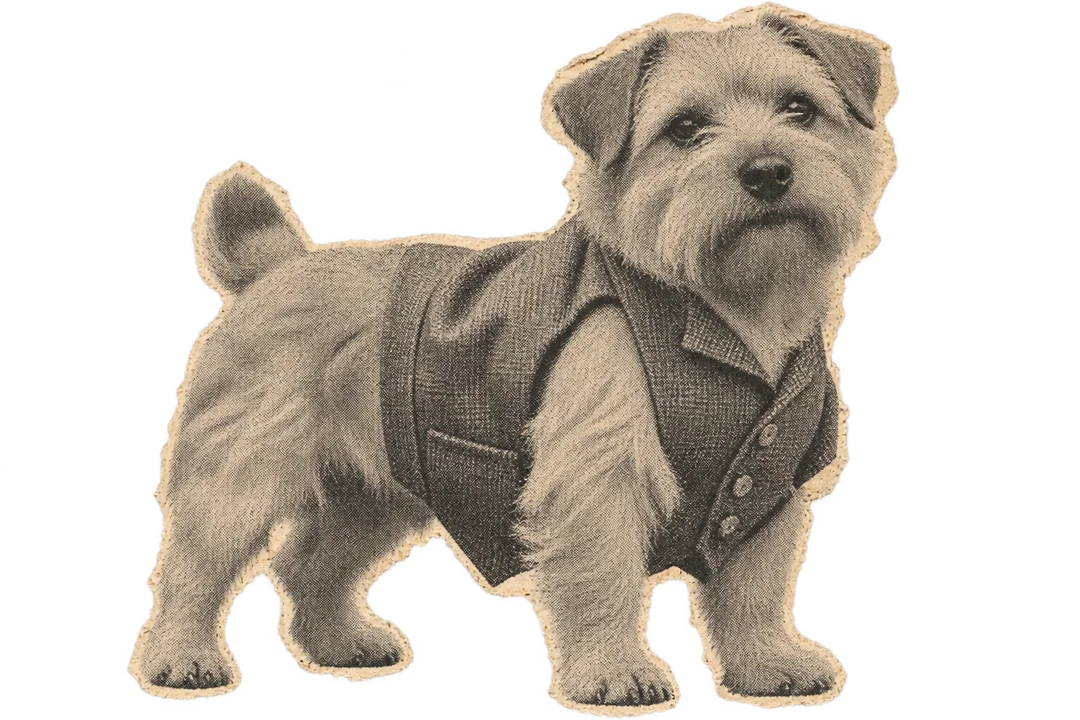
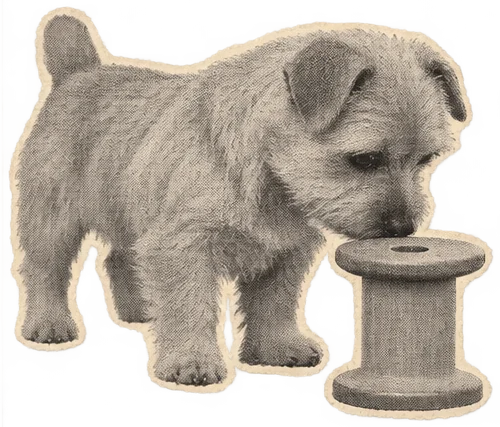
A Norfolk Terrier is a small, wiry East Anglian working terrier with neat ears that fold forward. From a standing start it can get a remarkable amount of itself under a hedge. That’s useful if you’re dealing with an old farm full of rats. On a walk round the housing estate, you may prefer to teach them which bits of the job aren’t needed. 1 2 3 4
Jump to a section
Start with what’s happening at ground level
Crouch and look at where the lead goes tight. Wobbly fence bottoms, the strip below a bush and gaps behind the recycling bin are all at the dog’s eye level, not yours. On an easy walk, reward a turn away before they get right up to the thing they want to inspect. 11 19 26 27
Get the dog used to brief checks of feet, beard and harness contact while they’re comfortable. Ask the vet about a new limp, repeated coughing or unusual changes in how they move. Keep notes when it happens; the dog may not repeat it on the way into the practice. 9 13 15 32
Norfolk Terrier notes / 01
Short version
| First check | Start here |
|---|---|
| Small gap in the garden | Secure it and supervise outside. 11 27 |
| Very interested in a hedge | Rehearse turning away at a distance that still works. 11 26 |
| New cough or different stamina | Ask the vet what needs checking. 9 |
| Struggling to breathe or collapse | Call the emergency vet immediately. 9 39 |
Norfolk is the one with the folded ears
The Norfolk standard describes V-shaped ears that fold forward close to the cheek. The Norwich has upright, pricked ears. Both were registered together as Norwich Terriers from 1932 before the UK split in 1964. They are separate breeds now, not two versions of the same current UK entry. 1 2 3 4 6
Ear carriage gives you a useful comparison between the official standards. It isn’t a pedigree check on an individual rescue dog. If somebody says Norfolk-type, ask what they know besides what the ears look like. 2 3 10
Small enough to fit through things you wouldn’t consider gaps
The UK standard’s ideal shoulder height is 25 cm. This is a breed-standard description, not a size every adult has to match. Check ribs and waist rather than treating the body outline as a weight measure, and fit kit around the dog you have. 2 18 19
Small harnesses still need a movement check. See if it can shift into the legs or back over the shoulders when the dog reverses. Choose a safe restraint separately for travel. 19 20
The wire coat wants a bit of attention
The standard calls for a hard, wiry outer coat. After a damp walk check under the collar, around the beard and between the toes. Brushes outside the coat don't always find what’s caught underneath. If you need grooming help, ask somebody familiar with wire coats about a routine you and the dog can tolerate. 2 13 15 16 17
For a dog who isn’t keen on handling, choose a tiny job they can get right. One paw, then a break. If it’s sore, don’t keep trying your new training cue on it. Get it checked. 13 15 21 32
Busy and relaxed are both useful skills
If your dog notices everything on the other side of the window, give them another place to rest. Practise a short settle when the street’s quiet. If they’re unsure of visitors, let them move away instead of picking them up to finish the greeting. 12 13 14 41
Practise calm departures while they can settle, and check what happens when you’re out. For barking or pacing that points to distress, get support. Don’t assume a more tiring walk is the only thing missing. 23 24 25
Practise leaving the exciting bit before you get there
Reward a check-in on an easy walk and teach a turn you can do without pulling. If you need the dog to come away from an interesting smell, give yourself enough room to walk together. Don’t wait until the dog’s face and most of the lead have already gone into the undergrowth. 11 19 26 27
A short search for a safe toy is a decent job for a terrier. Show them how it finishes as well. Around wildlife, traffic and livestock, secure management beats trying a cue right where everything’s harder. 12 27 28 30
They’re short, not exempt from proper walks
Offer walking and room to sniff, adjusted to age, health, temperature and fitness. Notice how the dog moves afterwards. A new hop or skip that keeps showing up deserves a vet discussion, even if they go back to four feet again. 15 29 31 32
Use a lead if there’s a risk of chasing or no safe place to practise. A long line in thick cover or near wheels can create a new problem. Choose a quieter route, particularly if the day is hot or the dog’s not recovering comfortably. 11 19 27 30 31
The house doesn’t have to be one long investigation
Make arrivals manageable with a barrier before the door opens, and let the dog practise resting somewhere without a view of every parcel delivery. If a dog tries to rocket through the door, solve the physical setup before testing whether they’ll stay on a mat. 12 19 26 41
Check low gates, side passages and familiar furniture gaps. A short supervised search can keep their interest where you want it without turning the garden into a test of whether they can get out. 11 27 28
Let the dog choose to come over
A Norfolk is easy to lift, which doesn’t mean they always want to be lifted. Let older children learn to wait and let the dog approach. Supervise, keep children away from the bed and don’t expect a dog to accept being picked up or carried as part of a game. 13 34
Introduce other animals with actual distance and separate feeding or chews where needed. Cats need a route that doesn’t take them past the dog. If there’s repeated chasing or fixation, separate and get qualified help instead of running it again. 11 25 33 35 36
A blank screening row doesn’t mean nothing to ask about
The Royal Kennel Club’s current Norfolk Terrier row lists no named Good or Best Practice screening tests and its breed profile says none are currently recommended by that programme. That’s a statement about the RKC standard, not a clean bill of health for every dog. Ask about the parents’ health, available veterinary results and any specific scheme a breeder mentions. 1 5 37 46
Studies in a Swedish club-recruited group and a selected group of older Norfolk Terriers examined mitral valve findings. These are not present-day UK rates or estimates for all ages, and a finding on imaging is not the same as a forecast of future illness. Mention a new cough, breathlessness or unusual tiredness to the vet. Breathing difficulty or collapse needs emergency care. 7 8 9 39
Norfolk Terrier notes / 10
Health
| Evidence or sign | What to do with it |
|---|---|
| Royal Kennel Club row | No named current Good or Best Practice tests. Compare actual documents rather than borrowing Norwich or overseas lists. 1 3 37 |
| Heart studies | Real observational evidence with selection limits; not a UK personal risk percentage. 7 8 |
| New coughing or exercise change | Ask the vet. Immediate care if struggling to breathe or collapsed. 9 39 |
| Eyes | Specialist background is separate from formal UK tiers. Sudden pain or a closed eye warrants urgent advice. 37 38 40 |
| Knees and movement | Repeated skipping or new pain warrants assessment, not an automatic kneecap diagnosis. 32 |
| Report wording | Look for scheme name, dog identity, date and result. 37 46 |
| Lifespan | The 2024 UK cohort estimated 13.5 years median, 95% CI 13.1–13.8, with 297 deaths in the breed table. It is not an individual forecast. 42 43 |
Look up the bits that cost money, not the average price of a terrier
Ask a groomer what your individual coat needs and price suitable harness and transport equipment. If you’ll use a dog walker, ask how they handle a dog who wants to inspect the hedge or under the gate rather than assuming a small dog is always easy in a group. 16 19 20 44
Read cover, renewal and out-of-hours payment details. Budgeting for a small dog means more than buying smaller bags of food. 45
Before the ears decided the name
The Norfolk and Norwich share roots in East Anglian working terriers. The official histories describe the drop-eared and prick-eared dogs before the division. That explains the family resemblance without making one a substitute for the other in a breed profile. 1 3 4 6
Support the useful part of the old role by giving a dog safe things to do with its nose and training the end of the job. There’s no need to set them a real quarry to find or give them final say on the layout of the flower bed. 11 26 28
Ask the unglamorous questions
Meet adults if you can, ask how they manage around other animals and find out what happens when the door opens. See the mother where a litter is raised and ask about any screening or health reports. With a rescue, ask what they know and what they’re still learning. 10 13 27 37 46 47
If you can give them a safe place to investigate, a dog-sized way to get away from people and time to look after the coat, you’ve thought beyond the folded ears. The ears are still a good bit. 12 13 16 28
Norfolk Terrier notes / 13
Bringing one home
Sources
- S1Royal Kennel Club Norfolk Terrier UK breed profileSource · checked 21 November 2026
- S2Royal Kennel Club Norfolk Terrier official UK standardSource · checked 21 November 2026
- S3Royal Kennel Club Norwich Terrier historical distinction and separate breedSource · checked 21 November 2026
- S4FCI Norfolk Terrier official standard and historySource · checked 21 November 2026
- S5Norfolk Terrier Club of Great BritainSource · checked 21 November 2026
- S6Norwich Terrier Club history of the two ear types and separationSource · checked 21 November 2026
- S7Original Swedish club sample of 79 asymptomatic Norfolk Terriers and mitral regurgitationSource · checked 21 November 2026
- S8Original veterinary study in a selected group of older Norfolk TerriersSource · checked 21 November 2026
- S9PDSA veterinary signs requiring assessment for potential heart problemsSource · checked 21 November 2026
- S10Dogs Trust adoption and matchingSource · checked 21 November 2026
- S11Dogs Trust preventing or managing chasingSource · checked 21 November 2026
- S12Dogs Trust settling practiceSource · checked 21 November 2026
- S13Dogs Trust comfortable handlingSource · checked 21 November 2026
- S14Dogs Trust reactivity and spaceSource · checked 21 November 2026
- S15PDSA vet guidance on home health checksSource · checked 21 November 2026
- S16PDSA vet guidance on groomingSource · checked 21 November 2026
- S17Blue Cross general grooming supportSource · checked 21 November 2026
- S18PDSA vet guidance on body conditionSource · checked 21 November 2026
- S19Dogs Trust harness fittingSource · checked 21 November 2026
- S20Dogs Trust safe travelSource · checked 21 November 2026
- S21PDSA vet guidance on grass seedsSource · checked 21 November 2026
- S22PDSA vet guidance on ear symptomsSource · checked 21 November 2026
- S23Dogs Trust introducing time aloneSource · checked 21 November 2026
- S24Dogs Trust recognising separation distressSource · checked 21 November 2026
- S25Dogs Trust sourcing behaviour supportSource · checked 21 November 2026
- S26Dogs Trust positive reinforcementSource · checked 21 November 2026
- S27Dogs Trust recall and long lineSource · checked 21 November 2026
- S28Dogs Trust enrichment and search gamesSource · checked 21 November 2026
- S29PDSA vet guidance on exerciseSource · checked 21 November 2026
- S30Natural England keeping dogs under control in the countrysideSource · checked 21 November 2026
- S31Dogs Trust warm-weather careSource · checked 21 November 2026
- S32PDSA vet guidance on stiffness and limpingSource · checked 21 November 2026
- S33Dogs Trust resource guardingSource · checked 21 November 2026
- S34Dogs Trust supervising dogs around childrenSource · checked 21 November 2026
- S35Dogs Trust introducing dogs and catsSource · checked 21 November 2026
- S36Dogs Trust introducing dogsSource · checked 21 November 2026
- S37Royal Kennel Club exact Norfolk Terrier Health Standard rowSource · checked 21 November 2026
- S38European College of Veterinary Ophthalmologists Norfolk Terrier manualSource · checked 21 November 2026
- S39Blue Cross dog emergencies and immediate vet attentionSource · checked 21 November 2026
- S40PDSA veterinary advice on a painful or closed eyeSource · checked 21 November 2026
- S41Dogs Trust identifying barking patternsSource · checked 21 November 2026
- S42Dogs Trust original UK breed lifespan tableSource · checked 21 November 2026
- S43McMillan et al. original lifespan study and methodsSource · checked 21 November 2026
- S44Dogs Trust finding a dog walkerSource · checked 21 November 2026
- S45PDSA costs and insuranceSource · checked 21 November 2026
- S46Royal Kennel Club Health Test Results FinderSource · checked 21 November 2026
- S47RSPCA buying a puppy and seeing the motherSource · checked 21 November 2026
