
Breed guide / Morkie
Living with a Morkie
A Morkie is a Maltese crossed with a Yorkshire Terrier. That usually means a small dog, but it doesn’t tell you whether their ears will stand up, what sort of coat you’ll be combing or how much they’ll have to say about your neighbours. The useful things to get right are daily teeth care they can cope with, walks on their own four feet and a way off the sofa that doesn’t involve a leap into the coffee table. 12345

Jump to a section
The short version
Get the dog used to you touching the side of their mouth while you’re not trying to get a brush in there. If they pull away as soon as you lift a lip, pause and make the next attempt easier. Check low down where harness straps and the coat meet. You can miss a knot under a dog that looks freshly brushed from above. 5 6 7 8
Set up a grippy way to get between bed, water and the back door. Teach one easy cue for moving away from the front door before the dog hears the latch go. Their weight isn’t a good reason to pick them up every time you need to get them out of the way. 4 9 10
Morkie notes / 01
Where to start
Two parents, and no neat little formula
Morkie and Morkshire Terrier are labels used for the Maltese–Yorkshire Terrier cross. A Maltipoo has Poodle ancestry instead of Yorkshire Terrier; a Yorkie Poo has Poodle ancestry instead of Maltese. A rescue may be working from somebody’s best guess, and a breeder using a familiar nickname can still be describing a later-generation litter. Ask what’s known about the actual parents. 1 2 3 11 12
Buy the harness for the dog you can measure
The Maltese and Yorkshire Terrier are both small pedigree breeds with their own standards. There’s no Royal Kennel Club Morkie breed standard, so neither parent’s limits are a target for the cross. “Teacup” doesn’t add a size class or make it a good idea to choose for extreme smallness. 2 3 13 14
Measure the dog under the coat. Check for a gap at the neck of the harness when they back up and give it an ordinary trial indoors before heading out. When people say a dog looks bigger after a groom, feel for the ribs and waist instead of guessing from how fluffy they are. 8 15 16
Get the comb under the top layer
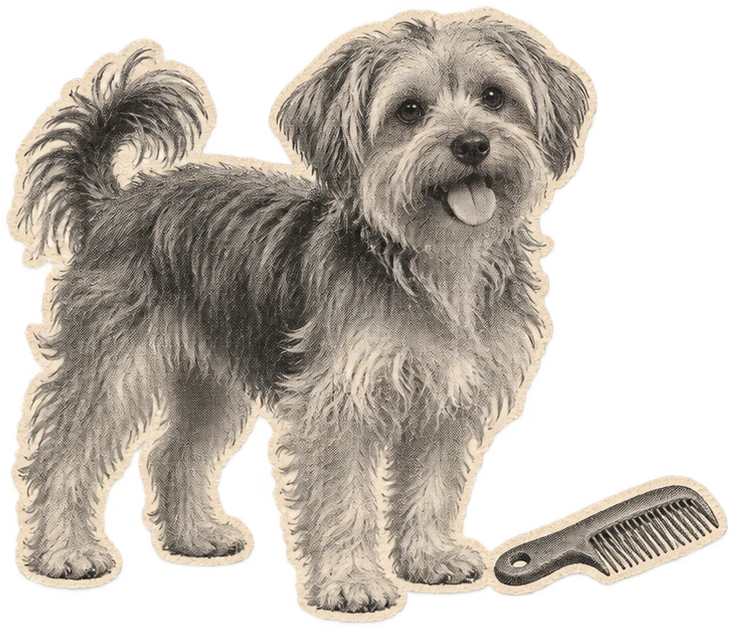
The Maltese and Yorkshire Terrier standards both describe long hair, but you’ll need to work with the coat that comes through on this dog. Check the collar line, armpits and behind the ears. Separate hair with your fingers then start with small sections; if a knot sits tight against the skin, let the groomer take a look instead of working scissors in underneath. 2 3 7 17
Ask the groomer to show you which bits are knotting fastest and how much home grooming the cut needs. Use a damp cloth to clear obvious food or dirt from the face if it’s comfortable for the dog. Don’t treat a sore eye as a grooming problem; new eye pain or heavy squinting needs prompt vet advice. A short cut can make coat care easier, but it doesn’t make a dog allergy-safe. 7 16 17 18 19
Morkie notes / 04
Under the coat
| Part of the coat | Practical check |
|---|---|
| Behind ears and under legs | Feel close to the skin for hidden knots. 7 17 |
| Face | Clear ordinary wet food or dirt gently; seek advice if the eye looks sore. 17 18 |
| Harness line | Check for damp and rubbing after going out. 7 8 |
| Allergy claims | A hair type or grooming style isn’t a guarantee against reactions. 19 |
Work out what the barking’s about
A dog who barks through a glass door isn’t necessarily bothered by the same thing as one who barks when the house empties. Notice what happens immediately before the noise, whether they move away with you and how long it takes them to settle. Shut off the view if it’s the path outside; set up a short recording if it starts when you leave. 20 21 22
Keep changes to alone time small enough that the dog can actually rest. If they pace, refuse food or keep looking for you rather than settling, stop adding duration and ask for help. You don’t have to toughen up a small dog by making them sit through what’s already too much. 21 22 23
Morkie notes / 05
Hear the trigger
| What you see | Where to start |
|---|---|
| Barking at the same window | Interrupt the view and offer an easier thing to do. 20 |
| Following around when you get ready | Practise short, calm separations as a separate exercise. 21 |
| Ongoing distress alone | Ask for behaviour help rather than increasing the length of absence. 22 23 |
Teach the dog two ways to get what they want
Start a mat cue a few steps from the front door and reward the dog for stepping on it. Then practise before anybody rings the bell. Outside, pay attention when they check back on their own, rather than waiting for them to find something exciting and then asking for their first recall. 9 10 24
Let them find some of their own food in an easy sniff search, away from other pets if food makes them tense. They’re allowed to sniff the garden without it becoming a lesson. For grooming and teeth, short sessions they can opt out of will get you further than bundling them under your arm and hoping they won’t mind next time. 5 6 16 25 26
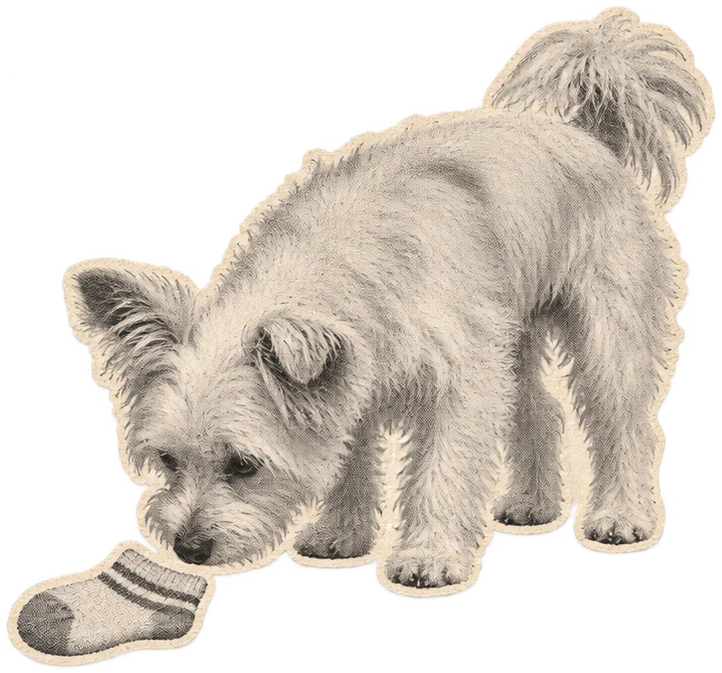
A pair of short legs still deserves a proper sniff
Give them a few predictable chances to move and explore under their own steam. Think surface, traffic and how close a dog can pass, not just minutes on a timer. A small dog at the edge of a busy path can spend half the walk dealing with feet and wheels rather than smelling anything. 23 24 27
If there’s a new hopping step, note which leg and whether it repeats. A dog putting a leg down again may still need an assessment. If they’re in severe pain or can’t bear weight, phone the vet urgently rather than carrying them round and trying again later. 28 29
Morkie notes / 07
A proper sniff
| Situation | Useful adjustment |
|---|---|
| Fit adult | Build a routine with sniff breaks on quieter ground. 24 25 27 |
| Busy street | Use room to move away rather than holding a tight lead in a crowd. 8 23 |
| Puppy, older dog or hot day | Fit the walk to the dog’s current needs and conditions. 27 30 |
| New repeated skip or limp | Note when it happens and ask your vet. 28 29 |
See how they get out of the living room
Watch one normal trip from bed to door. These dogs can fit between chair legs, but that’s also where feet move without much warning. If the surface is slippery, use a stable runner or move the bed where the traffic goes round it. Put water somewhere the dog doesn’t have to dodge people to reach. 4 9 31
If they’re making big drops from furniture, close off access or give them a stable, manageable way down. The new route won’t be obvious to them: start at floor height and let them work it out with rewards. Give them a quiet bed at floor level even if they prefer to supervise the whole room from your lap. 4 9 16
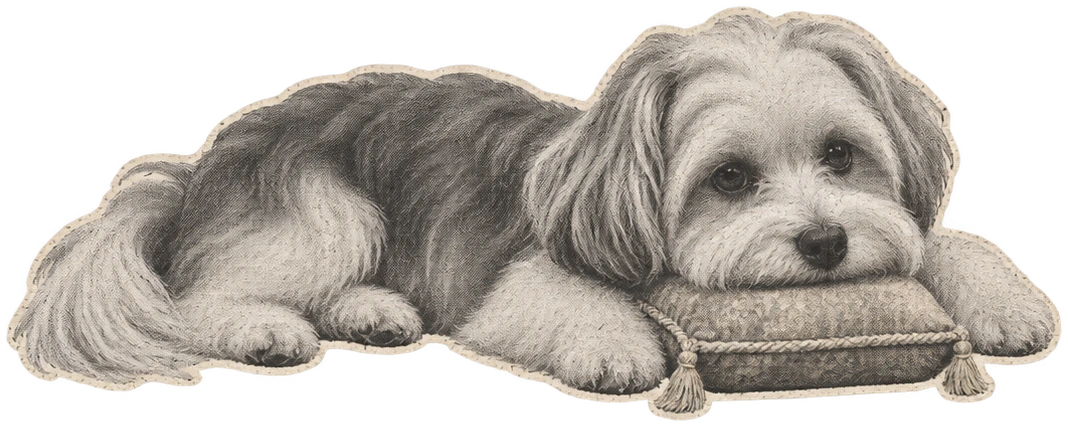
Let a little dog say no
Keep children and dog in sight of an adult when they’re together, especially if they share a low sofa or a busy patch of floor. Let children offer interaction without picking the dog up or following them under furniture. If the dog ducks away or leaves, the interaction is over; don’t fetch them back for another go. 16 23 31
For other animals in the home, start with room to leave and don’t make the first meeting a test of how much one will put up with. Use a gate or a door to give everyone a separate feeding spot if they’re tense. A small dog can feel cornered just as easily as a large one. 23 26 32 33
The useful parent evidence is not a Morkie forecast
A UK VetCompass study published in 2025 used Yorkshire Terrier primary-care records from 2016. In its reviewed sample of 3,308 Yorkies, 21.10% had recorded periodontal disease and 3.57% had recorded persistent baby teeth. Those are Yorkshire Terrier figures, not Morkie figures. They make a reasonable case for taking an adult tooth coming through next to a baby tooth seriously. If their breath changes, gums bleed or they start dropping food, book a mouth check. 5 34 35
PDSA lists slipping kneecaps as a condition worth knowing about in Yorkshire Terriers. A repeated skip can have several causes and needs an exam. For breeding dogs, the Royal Kennel Club lists BVA/RKC/ISDS eye screening as Best Practice on its Maltese page, but its Yorkshire Terrier Health Standard row doesn’t currently list a breed-specific test. That doesn’t make a Yorkie parent free of health conditions and neither entry is a Morkie screening scheme. 28 29 36 37 38 39
There isn’t a reliable sourced UK lifespan figure for the cross in this guide. A parent statistic or a number in an advert is not a forecast for your dog. If you’re adopting, ask what the vet has seen and what care is already underway, especially for teeth, eyes or recurring trouble walking. 34 36 37 40
Morkie notes / 10
Health conditions and screening
| What you’re checking | What matters |
|---|---|
| Breath, bleeding or dropping food | Book a vet mouth check rather than covering it with a chew. 5 35 |
| Two teeth in the same spot | Show the vet if the adult tooth has erupted beside a baby tooth. 34 35 |
| Repeated skip or pain | Ask for an assessment; a label doesn’t diagnose a knee. 28 29 |
| Maltese parent | Verify the dated eye examination under the BVA/RKC/ISDS scheme. 37 39 |
| Yorkshire Terrier parent | No breed-specific RKC tier listed; ask about the individual’s history. 36 38 |
| Cross-specific screening | Don’t present parent recommendations as a cross certificate. 36 37 38 |
| Cross-specific lifespan | No robust UK figure used; care for the dog you have. 34 40 |
Budget for what takes time, not what fits in a bag
Ask a groomer what a coat like yours costs to keep comfortable, and ask your vet what routine mouth checks cover. Insurance may not include everything you expect for teeth, so read the dental wording, including routine care and pre-existing issues, before assuming it will pay. 5 7 41
If you need walking help, look for somebody who can make a walk work at the dog’s pace. Ask how they handle bigger dogs approaching and whether the dog will get an actual sniff break or spend the outing in someone’s arms. 23 27 42
Morkie notes / 11
Price their care
Two breed histories, one modern label
The Yorkshire Terrier’s history is tied to the development of small terriers in Britain. The Royal Kennel Club describes a different history for the Maltese, including longstanding records of the small companion dog. That’s evidence of different breed origins, not a way to tell whether your dog will dig, bark or spend the whole afternoon on someone’s knee. 2 3 34 36 37
Morkie notes / 12
Two breed histories

Ask whether somebody can get a comb behind the ears
For a rescue, ask what they’re like with ordinary coat care, whether a vet has noticed anything about their mouth or knees and how they travel. For a puppy, ask who both parents are, see the litter with the mother where they were raised and look at actual dated parent results. Walk away from pressure to buy for an unusually tiny size, a promise that they won’t cause allergies or a contract that encourages you to decide without seeing the dogs. 13 19 37 38 39 40 43
If you already have the dog, pick one thing to make easier this week. For some people it’ll be a way off the furniture; for others it’ll be getting a good look at the teeth without a chase round the kitchen. Start with what your dog can manage, not your best attempt to finish the whole job in one go. 4 5 6 16
Morkie notes / 13
Ask about the comb
| Ask to see | Why |
|---|---|
| Everyday handling routine | Learn what the dog can do comfortably now. 16 40 |
| Recent vet history | Pick up any current mouth, eye or movement care. 5 28 40 |
| Both parents’ identities and records | Confirm which ancestry and results are actually documented. 37 38 39 43 |
| Normal movement and size | Choose the dog you can live with, not an extreme sales label. 13 40 |
Sources
- S1PetMD veterinarian-reviewed Morkie name and parentage onlySource · checked 21 November 2026
- S2Royal Kennel Club Maltese written standardSource · checked 21 November 2026
- S3Royal Kennel Club Yorkshire Terrier written standardSource · checked 21 November 2026
- S4Canine Arthritis Management veterinary access and safe flooring guidanceSource · checked 21 November 2026
- S5PDSA veterinary dental disease guidanceSource · checked 21 November 2026
- S6Dogs Trust gradual gentle toothbrushing trainingSource · checked 21 November 2026
- S7PDSA veterinary grooming and coat maintenanceSource · checked 21 November 2026
- S8Dogs Trust harness fitting and checking free movementSource · checked 21 November 2026
- S9Dogs Trust building settling skillsSource · checked 21 November 2026
- S10Dogs Trust calm doorway trainingSource · checked 21 November 2026
- S11PetMD veterinarian-reviewed Maltipoo parentage onlySource · checked 21 November 2026
- S12PetMD veterinarian-reviewed Yorkiepoo parentage onlySource · checked 21 November 2026
- S13Royal Kennel Club on extreme size and teacup labelsSource · checked 21 November 2026
- S14Royal Kennel Club complete list of recognised pedigree breedsSource · checked 21 November 2026
- S15PDSA body condition at homeSource · checked 21 November 2026
- S16Dogs Trust building comfort with handlingSource · checked 21 November 2026
- S17PDSA practical home health checksSource · checked 21 November 2026
- S18PDSA veterinary guidance for painful eyesSource · checked 21 November 2026
- S19Vredegoor et al. original dog allergen study; no hypoallergenic guaranteeSource · checked 21 November 2026
- S20Dogs Trust identifying barking triggersSource · checked 21 November 2026
- S21Dogs Trust introducing time alone, using a recordingSource · checked 21 November 2026
- S22Dogs Trust identifying and getting help for separation distressSource · checked 21 November 2026
- S23Dogs Trust canine body languageSource · checked 21 November 2026
- S24Dogs Trust recall and long-line trainingSource · checked 21 November 2026
- S25Dogs Trust safe enrichment and search gamesSource · checked 21 November 2026
- S26Dogs Trust resource guarding and separate feedingSource · checked 21 November 2026
- S27PDSA tailoring activity to age and conditionSource · checked 21 November 2026
- S28PDSA slipping kneecap signs, assessment and Yorkshire Terrier contextSource · checked 21 November 2026
- S29PDSA veterinary guidance for a new or persistent limpSource · checked 21 November 2026
- S30Dogs Trust safe outings in hot weatherSource · checked 21 November 2026
- S31Dogs Trust children and dog supervisionSource · checked 21 November 2026
- S32Dogs Trust safer dog and cat introductionsSource · checked 21 November 2026
- S33Dogs Trust introductions to another dogSource · checked 21 November 2026
- S34O’Neill et al. original UK VetCompass Yorkshire Terrier 2016 records studySource · checked 21 November 2026
- S35PDSA veterinary mouth check and signs to show a vetSource · checked 21 November 2026
- S36Royal Kennel Club Yorkshire Terrier profile and current screening statementSource · checked 21 November 2026
- S37Royal Kennel Club Maltese profile and current parent screening tierSource · checked 21 November 2026
- S38Royal Kennel Club live central Health Standard and Basset Hound tier rowSource · checked 21 November 2026
- S39Royal Kennel Club BVA/RKC/ISDS Eye Scheme and screening limitsSource · checked 21 November 2026
- S40Dogs Trust settling a rescue dogSource · checked 21 November 2026
- S41PDSA dog ownership costs and insuranceSource · checked 21 November 2026
- S42Dogs Trust finding a suitable walkerSource · checked 21 November 2026
- S43RSPCA buying a puppy and seeing mother with the litterSource · checked 21 November 2026
