
Label explainer / Bulldog (Miniature)
What does “Miniature Bulldog” mean?
“Miniature Bulldog” can mean a smaller dog described as a Bulldog, or a Bulldog-type cross. It doesn’t tell you which parents the dog had, how big they’ll get or whether they’ll breathe comfortably. There’s no separate UK Royal Kennel Club breed standard for the label. If you already live with one, start with the dog you’ve got: watch their breathing on an easy walk, check the skin where it folds and don’t take “mini” as a health check. 12381842
Jump to a section
The short version
First, ask what’s known about the dog rather than what “mini” means to the seller. A record showing the parents is more useful than a photo, a size promise or a certificate whose scope you can’t see. If you’re adopting and the information isn’t there, let it stay unknown. 1 2 3 8 47
Get repeated noisy breathing or struggling to keep up checked. If a dog is labouring to breathe at rest, has blue or grey gums or collapses, call an emergency vet immediately. That applies regardless of what the paperwork says. 18 28 42 45
Bulldog (Miniature) notes / 01
Where to start
| Start here | What to do |
|---|---|
| Name and parents | Ask what is documented and who issued the records. 1 2 3 8 |
| Repeated breathing noise | Note when it happens and ask the vet. 18 42 |
| Skin folds if present | Look for moisture, redness, smell or soreness. 17 19 |
| Breathing emergency | Call a vet immediately for severe difficulty, blue or grey gums, or collapse. 42 45 |
The same words get used for different dogs
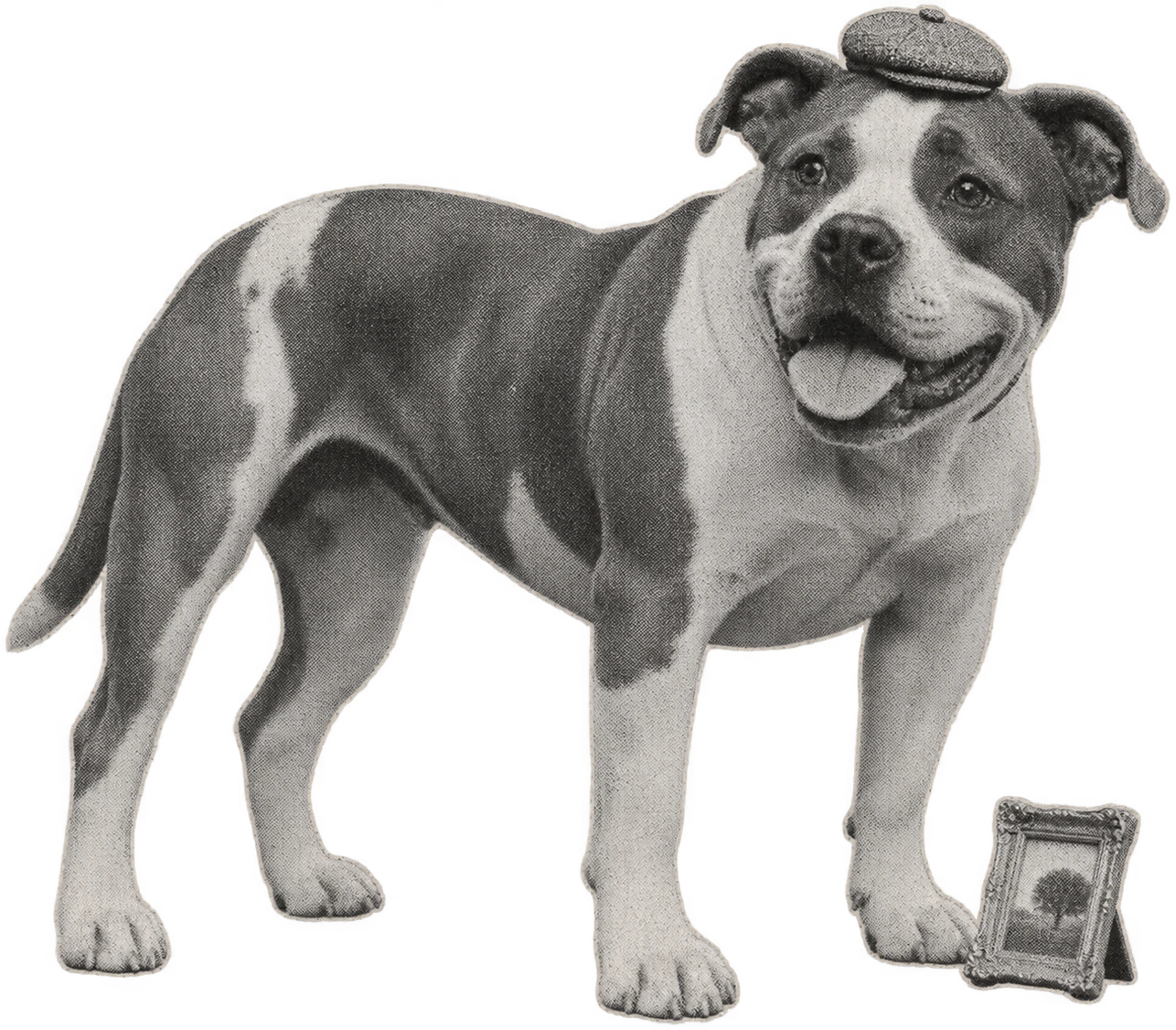
The Royal Kennel Club lists Bulldog, French Bulldog and Pug as separate breeds. It does not have a distinct Miniature Bulldog standard. Some private registries use similar names for smaller dogs of Bulldog ancestry, and others describe Bulldog-type crosses, including possible Pug ancestry. Those are examples of how the words are used, not proof of what any one dog is. The pictures show individual possibilities, not a checklist for identifying one. 1 2 3 8 9 12
Bulldog (Miniature) notes / 02
Check the name
| What it says | How to read it |
|---|---|
| Bulldog | The modern RKC breed name, unless the speaker is using it generically. 1 2 |
| Miniature, mini or toy Bulldog | Ask what the speaker means and whether it’s supported by ancestry records. 3 8 |
| Bulldog-type cross | Ask which other ancestry is known; don’t assume Pug or French Bulldog from the label. 8 9 12 |
Don’t buy the smallest dog in the room
There’s no single adult height, weight or body shape attached to this description. Don’t substitute the Bulldog standard’s measurements for your own dog. If you’re choosing a dog, their ability to walk, cool down and breathe comfortably matters more than fitting the smallest advertised size. A smaller body doesn’t undo an exaggerated face or a walking problem. 1 2 10 13 42
Bulldog (Miniature) notes / 03
Measure yours
Check the skin the air doesn’t get to
Where the skin folds over, look gently for damp, soreness and trapped muck. Dry those areas after a wash or wet outing. If the skin smells different, looks raw or is painful, ask the vet rather than trying a cream or scrubbing it. A dog with barely any folds does not need the same routine as one with deep ones. 5 17 18 19 20
Don’t assume watery eyes or squinting comes with a flat face. A newly painful or closed eye warrants urgent veterinary advice. Keep wipes, shampoo and anything else the vet hasn’t recommended away from the eye itself. 18 29
Bulldog (Miniature) notes / 04
Check any folds
| Where | What helps |
|---|---|
| Folds that are present | Check the skin, clean gently if needed and dry well. 17 19 |
| Harness line | Look for redness or moisture where the straps actually sit. 15 17 |
| Eye | New squint, redness or discomfort needs advice, not more wiping. 29 |
| Skin that hurts or smells | Ask the vet how to deal with it rather than covering it up. 19 |
Don’t mistake discomfort for a personality trait
If the dog repeatedly stops on a walk, think about heat, breathing and pain as well as whether the route is interesting. If they suddenly stop enjoying touch around the head or shoulders, don’t make that the place you practise handling. Tell the vet what’s changed. Pacing or noise only when they’re left is different; a short recording may help show what’s happening. 6 7 18 20 22 26 42
Bulldog (Miniature) notes / 05
Let them switch off
| What you see | Useful first step |
|---|---|
| Stops or slows much sooner | Make the outing easier and get repeated changes assessed. 18 26 42 |
| Moves away when touched | Give room and think about whether the area could hurt. 18 20 |
| Distressed when left | Check a recording and get help rather than making absences longer. 6 7 22 |
Make the useful jobs easy to practise
Teach a short wait by a quiet doorway and reward the move to a mat. For handling, touch a comfortable bit of shoulder, pause and let the dog move away if they want to. A simple food search in a cool room can be good on a day you’re avoiding the heat. Don’t keep doing it if the dog’s struggling to breathe or seems worn out. 11 20 24 25 28 42
Watch how the dog recovers, not just how far they went
Let a comfortable adult move and sniff at an easy pace. In warm or humid weather, shorten the outing or skip it if the dog is at risk, and choose cooler parts of the day. If they repeatedly stop, get noisy or struggle after gentle activity, don’t use another lap to see how bad it gets. Trouble breathing at rest, discoloured gums and collapse are emergencies. 15 18 26 28 42 45
Bulldog (Miniature) notes / 07
Look ahead
| Situation | Better call |
|---|---|
| Easy weather and comfortable dog | Regular outings with room to sniff and adjust the pace. 23 26 |
| Hot or humid conditions | Use the cooler part of the day or skip exercise if your dog is vulnerable. 28 42 |
| Repeated noise or slow recovery | Stop exertion and seek veterinary assessment. 18 42 |
| Struggling to breathe at rest | Contact an emergency vet straight away. 45 |
Give them a cool place to rest that’s easy to reach
Use a clear, grippy route to a resting space. Notice where the dog skids when getting up or turns sharply around chair legs. Keep fresh water available, and don’t rely on a hot conservatory or garden as the only quiet place to get away from the household. 25 28 30 31
Keep greetings low-key
Supervise children and stop rough play before the dog has no room to leave. A dog who is smaller than expected may still be strong, or may simply not want to be carried around. Give other animals their own space, let them move away from an introduction, and keep food and chews separate if sharing becomes uncomfortable. 20 21 31 32 33 34
Bulldog (Miniature) notes / 09
Give them a way out
Health: ask about breathing, not simply the label
For breeding registered Bulldogs or Pugs, the current UK RKC lists the Cambridge respiratory grading scheme and the eye scheme in Good Practice. Bulldog additional Best Practice lists hips, elbows and HUU DNA; Pug lists hips and PDE DNA. Those are named parent-breed screening recommendations. “Miniature Bulldog” is not named as a separate breed on the respiratory grading scheme’s list. Ask an approved assessor about eligibility for an individual dog and ask your usual vet about symptoms irrespective of eligibility. 2 9 35 36 38 46
UK VetCompass research describes health problems in recognised English Bulldogs and in Pugs, including breathing and skin-fold conditions. Those are separate studied populations, not figures you can use for a loosely applied size label. A previous grade, reassuring parent reports or an apparently longer muzzle are not a diagnosis or a guarantee of comfortable breathing. There’s no lifespan figure to borrow from the parent breed and use here. 39 40 41 43
Bulldog (Miniature) notes / 10
Health conditions and screening
| Health conditions and screening | What’s useful |
|---|---|
| Documented Bulldog parent | Check current official breathing, eye and additional Best Practice records. 35 36 38 |
| Documented Pug parent | Check that parent’s own official records; not all labels include Pug. 8 9 35 |
| Frequent snorting or exercise intolerance | Speak to the vet rather than assuming it’s normal. 18 42 |
| Severe difficulty, blue or grey gums, collapse | Call an emergency vet immediately. 42 45 |
| Painful eye or red, sore folds | Get assessed; an eye held shut needs urgent advice. 19 29 |
| Label and lifespan | The name isn’t a single studied population for a lifespan estimate. 1 8 39 40 |
| Official respiratory grade | A screening assessment on that dog, not a clearance for future symptoms. 36 42 |
Don’t budget for a smaller vet bill
Ask about the cost of routine checks and how insurance treats existing breathing, skin or eye signs. Read policy wording before counting on cover. If you’ll use a walker or day care, explain what the dog can comfortably do and make sure they understand when to cut outings short in the heat. 14 18 28 44
Bulldog (Miniature) notes / 11
Price the coat
| Cost | What to check |
|---|---|
| Vet and insurance | Limits, excess, exclusions and what you would have to pay yourself. 44 |
| Outdoor support | Whether the walker can adapt pace and heat plans. 14 28 |
| Home and travel | A safe harness and a travel setup with appropriate ventilation and room. 4 15 28 |
| Emergency contact | Keep the current out-of-hours number handy. 42 45 |
The old Toy Bulldog name doesn’t prove a family tree
The RKC’s French Bulldog history mentions small British dogs historically called Toy Bulldogs as one part of that breed’s background. That’s a historical use of the words, separate from somebody’s description of a dog as “mini” today. An old name in a story is not evidence that the dog in an advert comes from that line. 3 8 12 37
Bulldog (Miniature) notes / 12
Old and new names
Look at the dog away from the camera
If you’re adopting, ask what happens after an easy outing, how the dog handles hot days and whether they’ve had operations or ongoing care. For a litter, meet the mother where they live and ask for genuine parent reports. If the selling point is the smallest body or the flattest face, don’t treat that as a reason to go ahead. Put free movement and comfortable breathing ahead of looks, and get independent veterinary advice if unsure. 10 13 35 36 42 46 47
Bulldog (Miniature) notes / 13
Ask about a day
| Ask this | Useful evidence |
|---|---|
| Are the parents known? | Records and actual names, rather than “mini” alone. 1 3 8 |
| How does the dog do on an easy walk? | Ordinary movement and recovery, with any concerns disclosed. 26 42 |
| Can I read the official reports? | Named results and dates for the parents, and known medical history. 35 36 46 |
| Can I see the puppy where it was raised? | Meet the mother and litter in the usual surroundings. 47 |
Sources
- S1Royal Kennel Club full breed standards directory of named recognised breedsSource · checked 21 November 2026
- S2Royal Kennel Club separate Bulldog official breed standardSource · checked 21 November 2026
- S3Independent US Designer Kennel Club use of Miniature English Bulldog; terminology onlySource · checked 21 November 2026
- S4Dogs Trust safe dog travel in the carSource · checked 21 November 2026
- S5PDSA veterinary grooming and coat maintenanceSource · checked 21 November 2026
- S6Dogs Trust introducing time alone, using a recordingSource · checked 21 November 2026
- S7Dogs Trust recognising and getting help for separation distressSource · checked 21 November 2026
- S8Private NEBKC use of Miniature Bulldog and varied ancestry, terminology onlySource · checked 21 November 2026
- S9Royal Kennel Club separate Pug official breed standardSource · checked 21 November 2026
- S10British Veterinary Association policy on extreme animal conformationSource · checked 21 November 2026
- S11Dogs Trust reward-based trainingSource · checked 21 November 2026
- S12Royal Kennel Club separate French Bulldog and account mentioning historical Toy BulldogsSource · checked 21 November 2026
- S13British Veterinary Association policy on welfare and flat-faced dogsSource · checked 21 November 2026
- S14Dogs Trust finding a suitable dog walkerSource · checked 21 November 2026
- S15Dogs Trust harness fitting and checking free movementSource · checked 21 November 2026
- S16PDSA body condition at homeSource · checked 21 November 2026
- S17Blue Cross assessing and caring for coat, skin and matsSource · checked 21 November 2026
- S18PDSA veterinary overview of signs to watch for in flat-faced dogsSource · checked 21 November 2026
- S19PDSA veterinary guidance on skin fold dermatitisSource · checked 21 November 2026
- S20Dogs Trust building comfort with handlingSource · checked 21 November 2026
- S21Dogs Trust recognising and managing reactivitySource · checked 21 November 2026
- S22Dogs Trust sourcing qualified behavioural supportSource · checked 21 November 2026
- S23Dogs Trust recall and long-line trainingSource · checked 21 November 2026
- S24Dogs Trust safe enrichment and search gamesSource · checked 21 November 2026
- S25Dogs Trust building settling skillsSource · checked 21 November 2026
- S26PDSA tailoring dog exercise to the individualSource · checked 21 November 2026
- S27Natural England Countryside Code on keeping dogs under controlSource · checked 21 November 2026
- S28PDSA veterinary advice on heatstroke and short-faced dogsSource · checked 21 November 2026
- S29PDSA veterinary guidance on painful or closed eyesSource · checked 21 November 2026
- S30Canine Arthritis Management veterinary access and safe flooring guidanceSource · checked 21 November 2026
- S31Dogs Trust children and dog supervisionSource · checked 21 November 2026
- S32Dogs Trust safer dog and cat introductionsSource · checked 21 November 2026
- S33Dogs Trust introductions to another dogSource · checked 21 November 2026
- S34Dogs Trust resource guarding and separate feedingSource · checked 21 November 2026
- S35Royal Kennel Club live central Health Standard current Bulldog and Pug rowsSource · checked 21 November 2026
- S36RKC and Cambridge respiratory grading, current scheme list and limitsSource · checked 21 November 2026
- S37United Kennel Club separate French Bulldog breed history discussing Toy BulldogsSource · checked 21 November 2026
- S38Royal Kennel Club Bulldog official breed and health profileSource · checked 21 November 2026
- S39Original UK VetCompass English Bulldog disorder study, not mini labelsSource · checked 21 November 2026
- S40Original UK VetCompass Pug disorder study, not cross-label outcomesSource · checked 21 November 2026
- S41Original UK VetCompass skin-fold dermatitis study across named breedsSource · checked 21 November 2026
- S42PDSA veterinary BOAS signs and owner guidance; not the current eligibility sourceSource · checked 21 November 2026
- S43University of Cambridge on recognition and diagnosis of BOASSource · checked 21 November 2026
- S44PDSA costs and insuranceSource · checked 21 November 2026
- S45PDSA veterinary emergency guidance for pets struggling to breatheSource · checked 21 November 2026
- S46Royal Kennel Club health results finderSource · checked 21 November 2026
- S47RSPCA buying a puppy and seeing mother with the litterSource · checked 21 November 2026
