
Breed guide / Kokoni
Living with a Kokoni
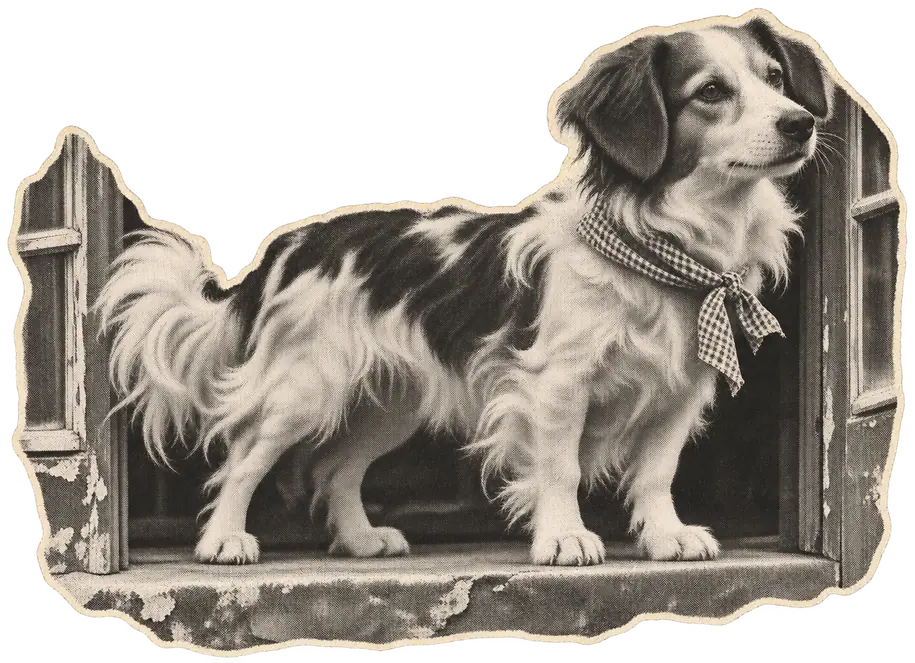
The Kokoni is a small Greek companion dog with folded ears, a body a little longer than it is tall and a tail with far more hair than its face. If yours arrived through a rescue, there’s a useful distinction: the breed name describes a dog, but the notes from its foster home describe your dog. Find out which door they used to go out, what they did when a lead went on and where they chose to sleep. That’s the head start. 12345
Jump to a section
Ask how the last home worked
Get an account of a real day, preferably from the person who lived with the dog. Did they toilet on grass, a yard or during a walk? Would they go through a narrow doorway in a harness? Could the person touch their feet? If nobody has seen your dog in a home, say so and plan for those jobs to be new. 45
Kokoni notes / 01
Field notes
| Find out | Set up in the new place |
|---|---|
| How they went out to toilet | Offer them an easy route to the same kind of surface if you can. 46 |
| Who could clip on the lead | Start with the approach and touch they already tolerate. 578 |
| Where they picked to rest | Leave them a similar option away from people coming through. 45 |
A national breed and a description are not the same
Kokoni notes / 02
Field notes
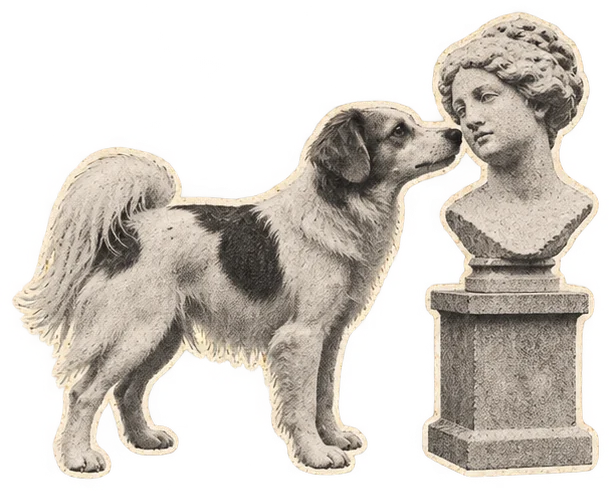
The Kennel Club of Greece lists Kokoni at its shows and places it among Greek national breeds; its cited catalogue separates it from FCI-recognised breeds. There is no Kokoni entry in the Royal Kennel Club’s UK breed standards directory. If a rescue writes “Kokoni type”, keep the qualifier. A dog from Greece with the right ears and tail may look the part without having known ancestry. 1239
Fit the small dog in front of you
Kokoni notes / 03
Field notes
The Kennel Club of Greece’s standard gives 24–28 cm for males, 23–27 cm for females and 4–8 kg. Those are standard figures, not a weight to aim for or what every Kokoni-type dog will grow into. Measure for a harness and check the dog can’t step or back out. For an animal still getting used to you, manage the front door before worrying about polished lead manners. 14810
Brush the coat where the rain ends up
Kokoni notes / 04
Field notes
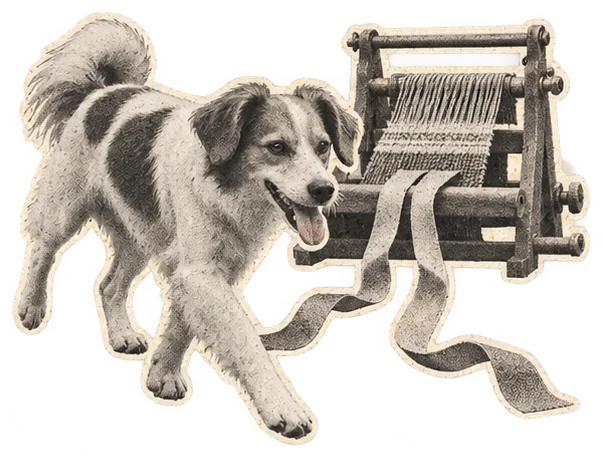
The Greek description gives a short face coat, more hair over the body and longer fringes round the back legs and tail. That’s why only brushing where you can see is a bad deal for the dog. Part the hair at the base of the tail and the back of the thighs first. Pick out loose debris without pulling, and get help with a tight mat rather than putting scissors next to the skin. 171112
Let the dog see a visitor without being collected
Kokoni notes / 05
Field notes
The Greek description includes an alerting role. If your dog announces visitors, the guest still doesn’t need to move directly towards it. Arrange a place the dog can watch from and another way to leave. If it approaches, let it finish the greeting when it wants to. Never pick it up just to take it over to see somebody. 171314
Start with the walk you can repeat
Kokoni notes / 06
Field notes
Use a safe quiet loop you can repeat while you find out what’s unfamiliar. Notice changes at gates, bin lorries and busy pavements rather than adding all of them at once. Give space if the dog freezes or starts trying to get away. Reward a voluntary look or turn instead of pulling the dog through because the destination is just round the corner. 8101415
Change activity by the dog, not the postcode
Kokoni notes / 07
Field notes
A foster dog that’s spent most of its time outdoors may still need to build up to your route or your pace. Make walks exploratory, with opportunities to stop, and use shorter outings if health, age or the weather calls for it. Let the dog approach safe new surfaces; don’t hurry across a slippery one to prove it can. A new limp is information for a vet, not part of being a little dog. 415161718
Check whether company is a comfort or a necessity
Kokoni notes / 08
Field notes
Don’t assume a dog who has lived with other dogs needs another one, or that a dog who follows you indoors is unable to stay alone. Ask what has been seen. When the dog is ready, record short tolerable absences, and seek help if they can’t settle rather than leaving them longer to see whether things improve. 51920
Don’t use your cat as the test
Kokoni notes / 09
Field notes
Ask whether the dog has actually shared space with cats or children; a pass in an outdoor kennel doesn’t answer that. Start behind a barrier with escape options and watch both animals. Give the dog a separate undisturbed place for meals and sleep, and never leave children to arrange greetings by themselves. 5212223
The health file is more useful than a guessed breed average
The Royal Kennel Club’s central list has no named Kokoni screening row, and the UK longevity study cited here doesn’t give the breed its own result. That doesn’t mean there are no breed concerns or that a healthy-looking dog needs no checks. Bring the vet the record you have and name what is missing. If your dog was imported, tell your practice its travel and testing history and ask what checks are relevant. 92425262728
Kokoni notes / 10
Field notes
| Bring to the appointment | Why |
|---|---|
| Microchip information and the rescue’s records | Gives the vet a way to match previous notes to the dog. 4525 |
| Countries lived in and actual test reports, if imported | Vets assess travel exposure and interpret results; a breed name does neither. 25262728 |
| A new change you can describe | What changed, when, and a natural video if helpful are more useful than a condition guessed online. 1825 |
Include the handover in the cost
Kokoni notes / 11
Field notes
Find out whether the rescue offers support after the dog arrives and how it handles issues that were unknown. Price a secure harness, suitable care and grooming for this dog. For insurance, ask about exclusions and previous conditions, and keep routine spend separate from what you might need quickly for treatment. 4581129
Greece is the real history, not the sales pitch
Kokoni notes / 12
Field notes
The Greek standard describes a small household dog with a companion and alerting role. It also connects the modern breed to small dogs shown in older Greek art. Those images are an interesting historical comparison, not proof every dog under the modern name has a continuous documented pedigree. The recent Greek national-breed record is easier to verify. 123
If you're adopting or buying
Kokoni notes / 13
Field notes

Ask whether the dog is already in your country, where you can meet them and which records you’ll receive. If you’re taking a puppy from a breeder, see the mother with the litter at home. If the plan involves bringing a dog to Great Britain because it’s being rehomed, sold or transferred, check the current government commercial import guidance, which expressly includes rescue. Talk to a vet before committing if travel or tests are unclear. 52627283031
Sources
- S1Kennel Club of Greece, official Kokoni description, measurements and coatSource · checked 21 November 2026
- S2Kennel Club of Greece 20 June 2025 catalogue, printed pages 50–51, FCI distinctionSource · checked 21 November 2026
- S3Kennel Club of Greece 2026 Best National Breed resultSource · checked 21 November 2026
- S4Dogs Trust settling a rescue dogSource · checked 21 November 2026
- S5Dogs Trust useful questions when adoptingSource · checked 21 November 2026
- S6Dogs Trust toilet trainingSource · checked 21 November 2026
- S7Dogs Trust comfortable handlingSource · checked 21 November 2026
- S8Dogs Trust harness fitSource · checked 21 November 2026
- S9Royal Kennel Club UK breed standardsSource · checked 21 November 2026
- S10Dogs Trust managing escape and doorsSource · checked 21 November 2026
- S11PDSA gentle grooming and matsSource · checked 21 November 2026
- S12PDSA grass seed and skin careSource · checked 21 November 2026
- S13Dogs Trust visitor trainingSource · checked 21 November 2026
- S14Dogs Trust triggers and reactivitySource · checked 21 November 2026
- S15Dogs Trust signs a dog may be stressedSource · checked 21 November 2026
- S16PDSA exercise by individual and life stageSource · checked 21 November 2026
- S17Dogs Trust warm weather and adjusting walksSource · checked 21 November 2026
- S18PDSA vet guidance on limping and stiffnessSource · checked 21 November 2026
- S19Dogs Trust time aloneSource · checked 21 November 2026
- S20Dogs Trust separation distressSource · checked 21 November 2026
- S21Dogs Trust dogs and catsSource · checked 21 November 2026
- S22Dogs Trust children and dogsSource · checked 21 November 2026
- S23Dogs Trust resource guarding and safe separationSource · checked 21 November 2026
- S24Royal Kennel Club UK Health StandardSource · checked 21 November 2026
- S25PDSA home health checksSource · checked 21 November 2026
- S26British Veterinary Association advice for dog owners about overseas testingSource · checked 21 November 2026
- S27UK health authorities, imported dogs and vet guidanceSource · checked 21 November 2026
- S28Dogs Trust research team’s original UK longevity breed tableSource · checked 21 November 2026
- S29PDSA budgeting and vet costsSource · checked 21 November 2026
- S30RSPCA seeing the mother and litterSource · checked 21 November 2026
- S31GOV.UK import guidance for ownership transfers including rescue, scoped to Great BritainSource · checked 21 November 2026
