
Breed guide / Japanese Shiba Inu
Living with a Japanese Shiba Inu
The Japanese Shiba Inu is a small, sturdy spitz with pricked ears and a curl of tail over its back. It was bred to hunt small game. Out on a walk, the important bit isn’t whether they know their name in the kitchen. It’s whether they can hear you over whatever just moved in the hedge. Give them a way to explore safely and teach the return somewhere you stand a chance of getting it. 1234
Jump to a section
The short version
Start by making the front door less interesting. You can have a dog behind an internal door or a gate while you bring the shopping in. That’s a more reliable arrangement than asking a visitor to hold the door at exactly the right angle while you get a lead on. 5 6
On walks, reward the times your dog checks in without being called. That might be a glance your way while they’re still perfectly happy doing their own thing. On the other hand, if they’re staring into the hedge and can’t turn away, make space before trying to get their attention. 4 7 8
Japanese Shiba Inu notes / 01
Doors, walks and eyes
| Start here | What to try |
|---|---|
| Door | Set up a barrier before you actually need it. 5 |
| Walking | Use a long line on a fitted harness where recall isn’t reliable and it’s safe to use one. 4 |
| Socialisation | Let them watch from a distance where they can still relax. They don’t have to greet. 8 9 |
| Eyes | Call the vet straight away if they’re holding an eye shut or it’s suddenly cloudy and painful. 10 11 |
Which Japanese spitz is this?
The full UK Royal Kennel Club name is Japanese Shiba Inu. Shiba and Shiba Inu usually mean the same breed. Japanese Akita Inu and Japanese Spitz are separate UK listings with their own histories and standards. A Shiba isn’t just a little Akita, and eye and joint advice should come from the right breed entry. 1 2 12 13 14
Japanese Shiba Inu notes / 02
Not an Akita or Japanese Spitz
Fitting a compact dog
The UK standard gives ideal shoulder heights of 39.5 cm for males and 36.5 cm for females, with 2 cm either way. Those figures describe a breed ideal rather than the dimensions each adult must grow to. Use your own dog’s chest measurement when buying walking kit, and watch how it sits when they turn. 2 15
Practise putting the harness on outside the routine of leaving. If every buckle means a walk is about to happen, your dog has a lot going on while you’re trying to get the fit right. Try approaching it in small steps, with the dog free to move away. If they already back out of walking gear, get a professional to help check fit and security. 5 15 16
Japanese Shiba Inu notes / 03
Get the fit right
There’s more coat than it looks like
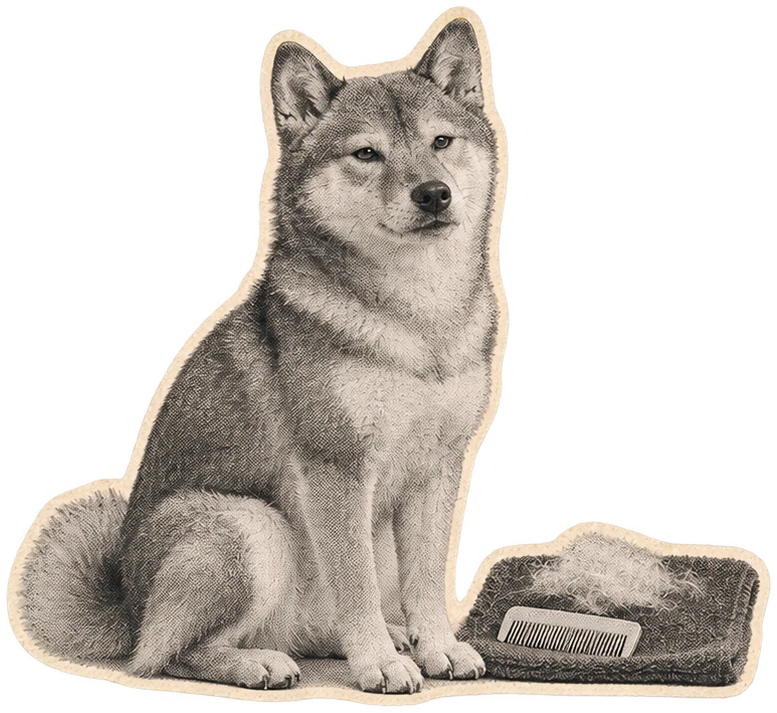
The Shiba’s short coat has a firm outer layer and a softer undercoat. When the loose coat starts coming out, small brushing sessions are easier than a big clear-out once it’s on every pair of trousers you own. Run your hand the other way over a patch if you want to see what’s already loose. 2 3 18
Introduce the brush without having to finish the whole dog. One gentle pass on the shoulder might be enough for a dog who doesn’t yet like it. If it’s licking at its feet every day or the skin is red, speak to your vet. Shedding and being persistently itchy aren’t the same thing. 16 18 19
Japanese Shiba Inu notes / 04
Coat, skin and comfort
| Coat or skin | What helps |
|---|---|
| Loose undercoat | Brush short stretches and go more often when it’s shedding heavily. 3 18 |
| Handling | Start on a part of the body they’re comfortable having touched. 16 |
| Quiet patches | Look under the coat where the harness sits and check for rubbing. 15 20 |
| Constant scratching | Ask the vet what’s behind it rather than just brushing more. 19 |
Socialisation without the awkward handshakes
A dog can get used to people walking past without being stroked by all of them. For a puppy, match new experiences to what the vet advises while vaccinations are in progress. At other times, sit far enough away that your dog can watch a skateboard roll by and then go back to sniffing. If they can’t look away, move a little further back. 8 9 21
For an adult who doesn’t want to greet, you can say no for them. Don’t lure them into touching distance and then let someone lean in while they’re eating. Pay attention if their usual response changes suddenly. A dog that now objects to everyday touching might be uncomfortable rather than making a point. 8 16 22
Japanese Shiba Inu notes / 05
There’s no need to greet
That recall you did in the kitchen
Practise the return before you need it. Pick a quiet space, wait until they aren’t absorbed in anything and call once. Reward them when they come right back. If it’s safe, let them go back to sniffing afterwards. Coming to you needn’t mean the good bit’s over. 4 7 23
Add distractions in steps. Increase the distance or make the setting busier, but don’t do both the first time it works. Out in the open, a long line gives you room to practise while keeping the dog attached. If you’ve only ever had a good return on a football pitch in the rain with nobody else there, that’s a useful start, not a pass for the woods. 4 24
Japanese Shiba Inu notes / 06
Build the return in steps
Outing plans that survive an actual Shiba
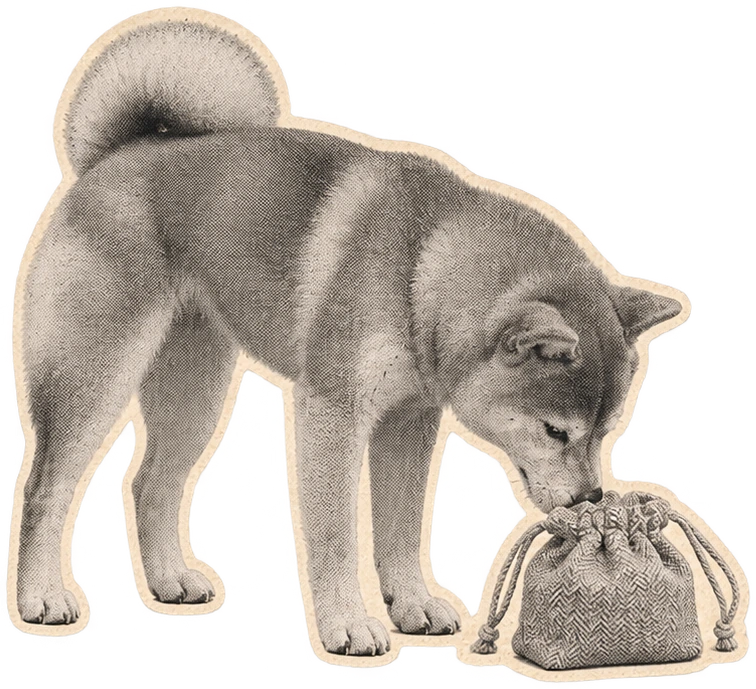
Give your dog time to investigate rather than expecting a short lead and a brisk pace to suit every outing. Choose quiet routes where you can change direction early if something’s too much for them. If they’re safe and relaxed, a sniff walk on a line can be a proper walk without your ever unclipping it. 3 4 8 26
Use a field with secure fencing for off-lead practice when you aren’t ready to try it out in the open. Check gaps under the gate and let everyone know when it’s being used. Keep the dog well clear of livestock and put the long line away in places where it is likely to tangle or where you need close control. 4 5 27
Japanese Shiba Inu notes / 07
Take the lead that fits the route
| On walk | Decision that helps |
|---|---|
| Distractions too close | Add space before you ask for a return. 4 8 |
| New field | Check the gate and fencing instead of assuming an enclosed sign means secure. 5 |
| Heat | Choose cooler times and shorten the walk in hot conditions. 28 |
| Sudden skipping or stiffness | Film it if it happens naturally and tell the vet. Don’t keep recreating it. 29 30 |
Put a buffer between the dog and the street
A gate inside the hall means a loose front door doesn’t have to become an escape route. Get everyone to use the same arrangement, including whoever brings the bins in. If the dog gets worked up watching the street, check whether moving their favourite lookout one room back makes it easier for them to switch off. 5 31
Start with very short periods alone when the dog is comfortable. Look at how they behave after you’ve left, rather than just how pleased they look when you return. A dog making noise because they’re distressed needs help, not practice at being distressed for longer. 32 33
Family, cats and another dog
Give a child a job that doesn’t involve picking the dog up, such as helping you set out a toy to find. An adult stays involved during contact, and the dog can get up and leave. Don’t give the dog a bed in the middle of the play area and expect everyone to remember not to jump over it. 16 34
With a resident cat, provide a safe route away and use a barrier until both are comfortable. Running can prompt some dogs to chase, especially if it’s already something they enjoy. Your Shiba living well with one particular cat isn’t proof of how they’ll respond to a different one. 3 35
Japanese Shiba Inu notes / 09
Let them leave the room
Health
In McMillan and colleagues’ 2024 UK data, the Shiba Inu median lifespan estimate was 14.6 years (95% CI 14.0–15.1). The records covered 423 Shibas, of which 91 were recorded as deceased. That figure is a survival estimate, not the age reached by every dog in the study or a forecast. 37 38
For breeding, the Royal Kennel Club lists the clinical Eye Scheme and gonioscopy under Good Practice. Best Practice adds hip scoring and two separate gangliosidosis DNA tests, GM1_2 and GM2_2. Gonioscopy examines the drainage angle of the eye and helps assess risk of a form of glaucoma. Screening for inherited conditions doesn’t replace looking at a sore eye today. 11 14 39 40 41
The 2022 Kennel Club survey kept 638 usable owner responses in total and recorded 30 reports of luxating patella. Not every owner answered the same questions and the reports are not a representative UK breed prevalence. If you notice repeated skipping or trouble bearing weight, let the vet assess it rather than working backwards from a survey. 29 30 42
Japanese Shiba Inu notes / 10
Health conditions and screening
| What to watch | When to act |
|---|---|
| Painful or suddenly cloudy eye | Ask for prompt veterinary advice; a painful eye needs urgent assessment. 10 11 |
| Eye records | Look for the clinical Eye Scheme and separate gonioscopy result. 14 39 |
| Repeated skipping | Ask the vet about the actual gait change; a kneecap problem is one possible cause. 29 30 |
| Hip screening | Check each parent’s result, not just the name of the scheme. 14 43 |
| GM1 and GM2 | Check for both named results. The breed club describes separate genetic conditions. 14 40 41 50 |
| Ongoing itching | Report where it happens and any redness. Don’t assume it is ordinary seasonal shedding. 19 20 |
| Evidence limits | A long median lifespan and a set of screening results tell you different things. 14 37 38 |
The everyday budget
When you price the basics, make room for the equipment your dog actually tolerates. A harness with a good fit and a session with a reward-based trainer can be more useful than a drawer full of kits bought online because a dog with the same measurements wore them. 15 23 44
If you’ll need a regular walker, ask how they deal with a dog that stays on a lead and doesn’t need to greet every dog they see. Factor in ongoing vet costs and compare policy exclusions and excesses before making a decision. 44 45
Japanese Shiba Inu notes / 11
Pay for what they use
| Cost | What to price |
|---|---|
| Walking kit | A correctly fitted harness and suitable leads for the routes you use. 4 15 |
| Support | A walker or trainer happy to use the plan your dog is actually on. 23 45 |
| Grooming | Home equipment and a professional visit if the dog needs more help. 18 44 |
| Vet care | Routine care and what you’d pay for an unexpected problem. 44 |
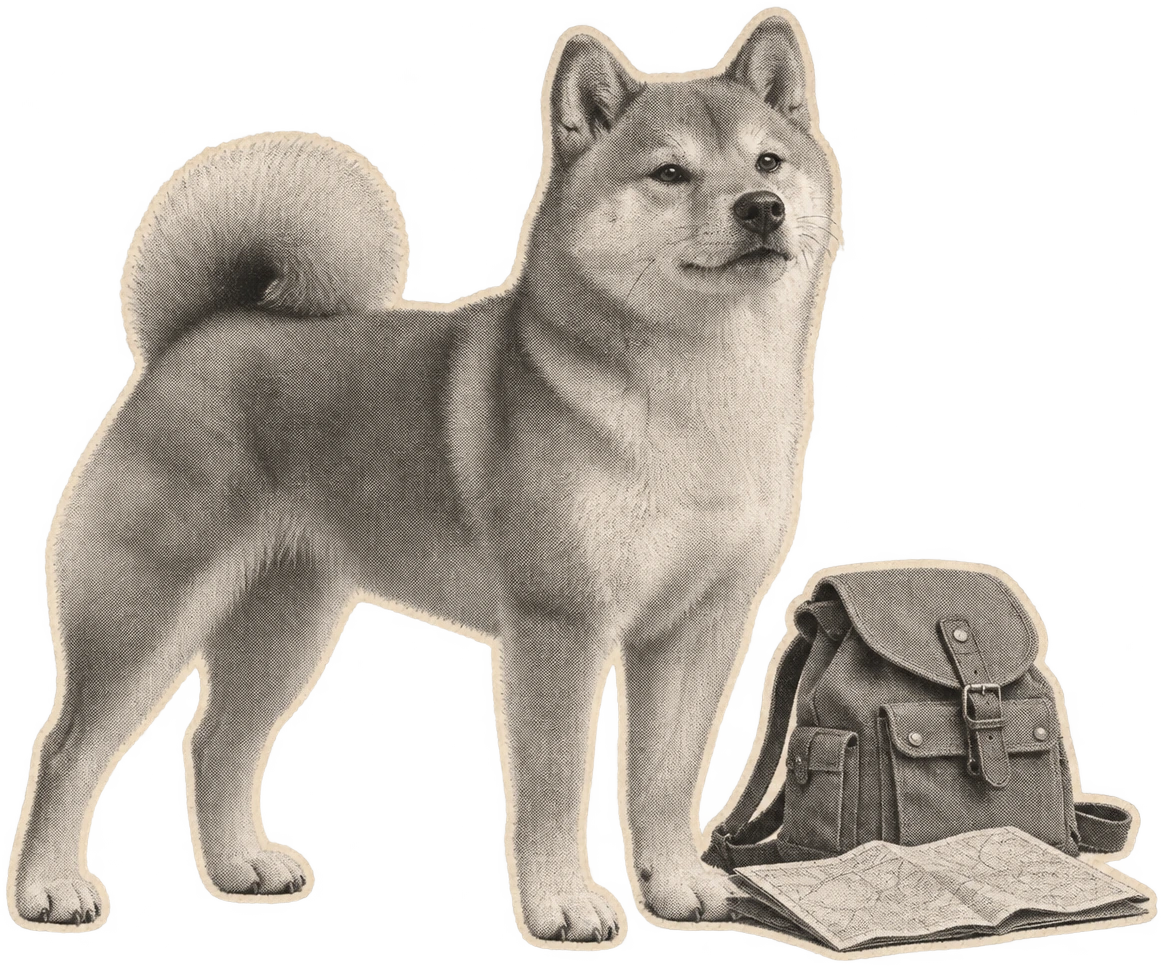
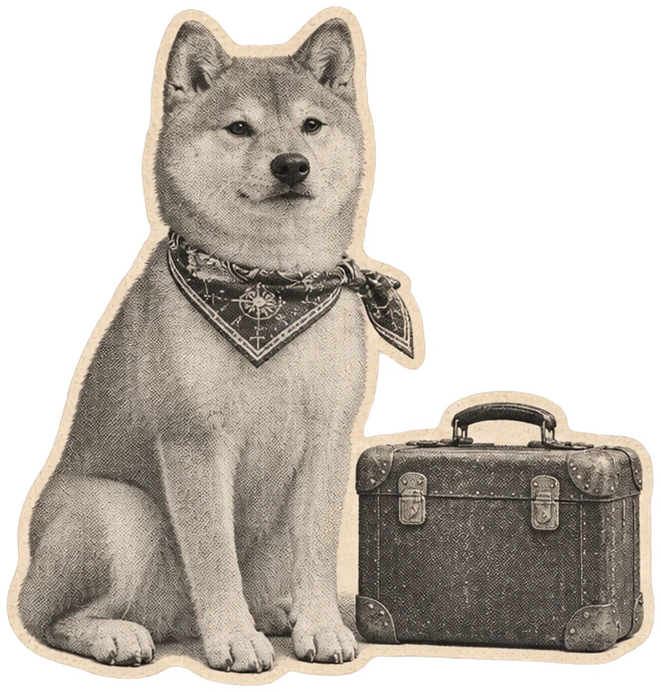
Before the photos in hiking gear
Accounts from the Royal Kennel Club and the FCI describe a Japanese breed used to hunt small animals and birds. The UK account mentions several regional forms and work to conserve the breed. You don’t have to go hunting or hiking to give a Shiba a useful day. A chance to get their nose into something new is reason enough to take the long way home. 1 25 46
Japanese Shiba Inu notes / 12
Where the Shiba began
If you’re bringing one home
With a rehomed adult, ask what they do in a doorway and whether they already have a harness they’ll wear. Find out how the rescue walks them around passing dogs. Those answers let you plan the first week without finding out everything at once on a crowded pavement. 3 5 47
With a puppy, meet the mother in the place the litter is being raised and ask to see each parent’s actual screening records. Find out what ordinary sounds and people the puppies have already met, and what was easy for this one. A good breeder should be able to tell you more than that they’ve seen a vacuum cleaner. 9 14 48 49
Japanese Shiba Inu notes / 13
Ask about real routines
| Good question | What to look for |
|---|---|
| Health | Named results for both parents that match the current UK breed screening advice. 14 49 |
| Socialisation so far | Real examples of what they noticed calmly or needed distance from. 9 48 |
| Daily safety | Known lead and harness habits, plus how the dog comes back in easier places. 4 5 15 |
| Settling | What helps in a new room or during a quiet moment on their own. 32 47 |
Sources
- S1Royal Kennel Club Japanese Shiba Inu profile and historySource · checked 21 November 2026
- S2Royal Kennel Club Japanese Shiba Inu written breed standardSource · checked 21 November 2026
- S3Dogs Trust Japanese Shiba Inu UK profile, exercise and healthSource · checked 21 November 2026
- S4Dogs Trust recall and use of long line and harnessSource · checked 21 November 2026
- S5Dogs Trust preventing a dog escaping and managing front doorsSource · checked 21 November 2026
- S6Dogs Trust puppy management with household barriersSource · checked 21 November 2026
- S7Dogs Trust focus and attention trainingSource · checked 21 November 2026
- S8Dogs Trust walking around triggers and making spaceSource · checked 21 November 2026
- S9Dogs Trust puppy socialisation and vaccination contextSource · checked 21 November 2026
- S10PDSA painful eye and urgent actionSource · checked 21 November 2026
- S11PDSA vet advice on glaucoma signsSource · checked 21 November 2026
- S12Royal Kennel Club Japanese Akita Inu standardSource · checked 21 November 2026
- S13Royal Kennel Club Japanese Spitz standardSource · checked 21 November 2026
- S14Royal Kennel Club Health Standard, Japanese Shiba Inu rowSource · checked 21 November 2026
- S15Dogs Trust fitting and introducing a harnessSource · checked 21 November 2026
- S16Dogs Trust handling preferences and letting the dog moveSource · checked 21 November 2026
- S17PDSA body condition and healthy dog weightSource · checked 21 November 2026
- S18PDSA grooming dogs with different coatsSource · checked 21 November 2026
- S19PDSA itchy skin and veterinary reviewSource · checked 21 November 2026
- S20PDSA systematic at-home pet health checkSource · checked 21 November 2026
- S21Dogs Trust introducing a puppy to other dogsSource · checked 21 November 2026
- S22Dogs Trust body language and consent signalsSource · checked 21 November 2026
- S23Dogs Trust positive reinforcementSource · checked 21 November 2026
- S24RSPCA building recall from low-distraction practiceSource · checked 21 November 2026
- S25Dogs Trust practical hide and seek toy gameSource · checked 21 November 2026
- S26PDSA adapting exercise for the individual dogSource · checked 21 November 2026
- S27Dogs Trust keeping a dog under control around livestockSource · checked 21 November 2026
- S28Dogs Trust hot weather safetySource · checked 21 November 2026
- S29PDSA new limping, stiffness and veterinary helpSource · checked 21 November 2026
- S30PDSA knee symptoms and veterinary diagnosisSource · checked 21 November 2026
- S31Dogs Trust barking and reducing view of triggersSource · checked 21 November 2026
- S32Dogs Trust gradual time-alone trainingSource · checked 21 November 2026
- S33PDSA separation anxiety and veterinary or behaviour helpSource · checked 21 November 2026
- S34Dogs Trust active supervision for children and dogsSource · checked 21 November 2026
- S35Dogs Trust safe cat and dog introductionsSource · checked 21 November 2026
- S36Dogs Trust introducing a dog to another dogSource · checked 21 November 2026
- S37Dogs Trust 2024 longevity table, exact Shiba Inu rowSource · checked 21 November 2026
- S38Original UK study, McMillan et al. (2024), scientific method and overall medianSource · checked 21 November 2026
- S39BVA clinical Eye Scheme and gonioscopy FAQSource · checked 21 November 2026
- S40Royal Kennel Club GM1 DNA testingSource · checked 21 November 2026
- S41Royal Kennel Club GM2 DNA testingSource · checked 21 November 2026
- S42Kennel Club Japanese Shiba Inu owner health survey, 2022, executive summarySource · checked 21 November 2026
- S43BVA Hip Dysplasia SchemeSource · checked 21 November 2026
- S44PDSA typical dog ownership costs and insurance considerationsSource · checked 21 November 2026
- S45Dogs Trust how to choose a dog walkerSource · checked 21 November 2026
- S46FCI Shiba standard supplied by the Japan Kennel ClubSource · checked 21 November 2026
- S47Dogs Trust settling a rehomed dog at homeSource · checked 21 November 2026
- S48RSPCA responsible puppy purchase and meeting the motherSource · checked 21 November 2026
- S49Royal Kennel Club Health Test Results FinderSource · checked 21 November 2026
- S50Japanese Shiba Inu Club of Great Britain health and distinct genetic testsSource · checked 21 November 2026
