
Breed guide / Jackapoo
Living with a Jackapoo
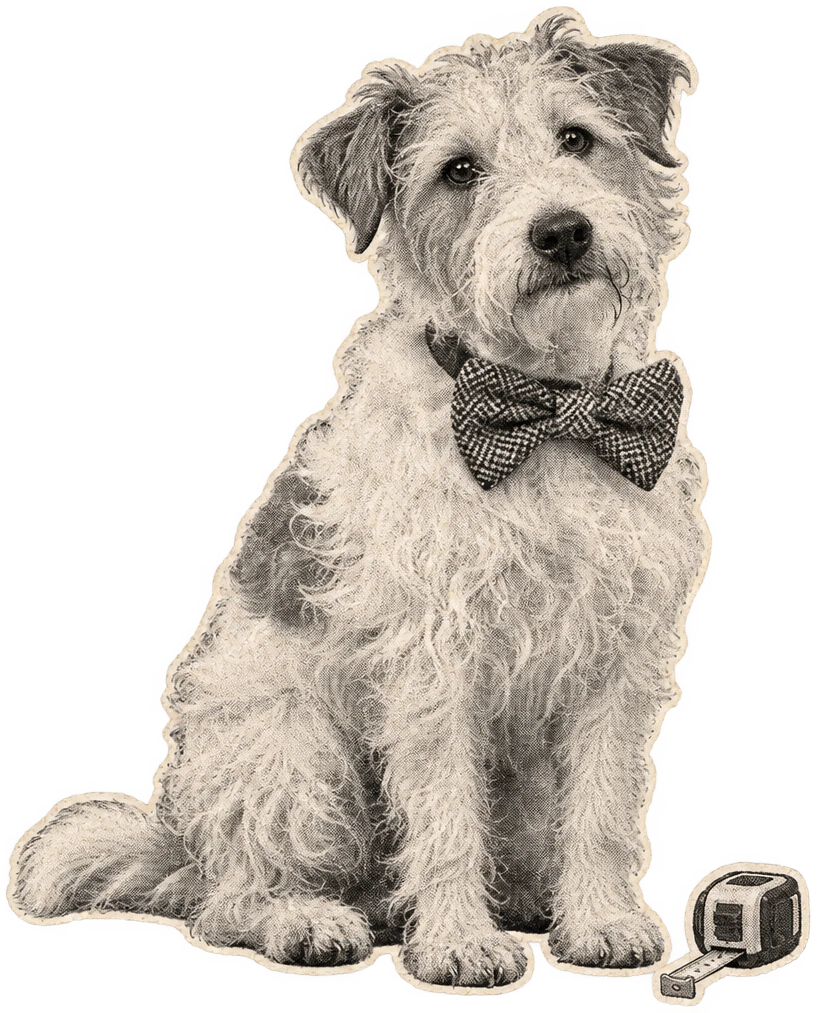
A Jackapoo is what people call a Jack Russell Terrier and Poodle cross. There’s no standard-issue dog at the end of that recipe. You might have a scruffy coat you can brush in a minute, or curls that hang on to every burr within a three-mile radius. If yours stops dead at a hedge and won’t come away, the useful thing to know isn’t which parent’s fault it is. It’s how far back you need to stand for the dog to hear you again. 12345
Jump to a section
The short version
Try the comb before you buy the fancy brush. Check behind the ears and where the harness rubs. If the top looks smooth but the comb catches lower down, that’s the bit to sort with your groomer. A short, wiry back doesn’t mean the fluffier legs need the same treatment. 346
Work on coming away from a smell halfway through an ordinary walk, while the dog still has a bit of attention to spare. Sometimes let them go straight back to sniffing after the reward. You don’t want them to work out that coming when called means all the good stuff has finished. 578
Jackapoo notes / 01
Check the coat and recall
| Start here | What to do |
|---|---|
| Coat | Check different parts of the dog before choosing the brush or clip. 346 |
| Recall | Start well away from things they might chase. Use a lead or long line as appropriate. 57 |
| Unwinding | Give them a quiet resting spot away from the front window. 910 |
| Health | Find out which Poodle variety is documented and check both sides’ records. 311 |
The name tells you the intended cross, not the whole family tree
Jackapoo is an informal name for Jack Russell Terrier and Poodle ancestry. An F1 means one parent from each of those breeds. The word on its own doesn’t prove first generation or tell you whether the Poodle was Toy, Miniature or another variety. Ask what the breeder or rescue can actually document. 12311
The Jack Russell and Parson Russell Terrier have separate British standards. Don’t assume a Parson was used just because the dog is longer in the leg. If the ancestry’s uncertain, call it uncertain. You don’t need a verdict before you can work out if the dog is comfortable on the lead. 121314
Jackapoo notes / 02
Separate breeds
| Label | What it means for this guide |
|---|---|
| Jackapoo | Informal Jack Russell Terrier and Poodle cross label; not a British pedigree breed standard. 1215 |
| F1 | First-generation cross, with one parent of each breed. 3 |
| Poodle variety or Russell type not documented | Ask, but don’t fill in the missing ancestor from a photograph. 3111213 |
Measure the dog, not the name
The British standards for the parent breeds describe different sizes, particularly across the Poodle varieties. That doesn’t produce a reliable halfway measurement for the puppies. If space or travel is tight, ask about the parents’ actual sizes and check previous adult offspring if there’s good information. An adult dog is easier to measure than a prediction. 312161718
Use the dog’s chest measurement when buying a harness. Check the fit while they step forward and when they turn. A dog who freezes and backs up can get out of equipment that looked fine in the hall. Ask your vet to show you what healthy body condition feels like through this coat. 1419
Jackapoo notes / 03
Fit the kit to the actual dog
Don’t assume every bit of the coat behaves the same
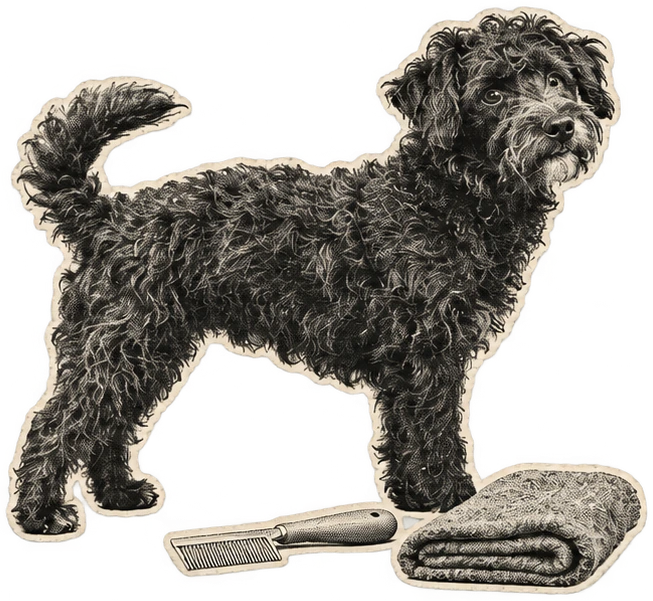
Work through a small patch of coat on the chest or behind an ear. The hair may be wirier down the back and finer around the legs, so check before assuming one brush will do the lot. Ask a groomer to show you how to reach the roots without dragging the skin. If the mat is tight, put the scissors down. 346
Low shedding isn’t a clinical guarantee. Dog allergens can come from saliva and dander, not just hairs you can see on the cushion. If somebody in the house already reacts to dogs, take advice before committing, rather than trying to settle it by feeling a puppy’s coat. 2122
Jackapoo notes / 04
The comb test
| Where to look | What helps |
|---|---|
| Behind ears | Part the coat and check that the comb runs through rather than skating over the top. 46 |
| Harness line and legs | Check the parts that get wet or rub. Get help with recurring tight knots. 46 |
| Paws after long grass | Look for loose debris. Contact the vet if a paw stays sore or they keep licking it. 23 |
| Allergy-sensitive household | Seek clinical advice; no coat type guarantees they won’t react. 2122 |
See what gets their attention and what gets it back
Some Jack Russell relatives like to follow movement, but your dog’s actual reaction is what counts. If you notice a long stare at a squirrel or a bike, get more room before trying to get them moving again. It’s easier to pay attention to you if the thing isn’t halfway across their nose. 52425
If the dog rushes to every sound at home, give them a spot away from the front of the house. Reward them for checking in and staying there. If worry or barking is getting worse, get help rather than testing how close you can put them to the thing that sets them off. 9102526
Use the nose before the legs go into gear
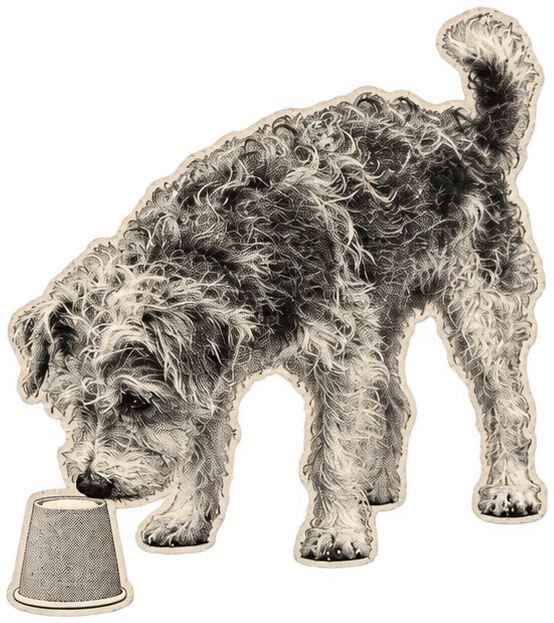
Put a few pieces of their usual food into open cardboard cups and let the dog look while you’re there. If they start chewing the cardboard, switch to something sturdier that they can’t swallow. Start easy enough that they actually find the food. It’s meant to be a little search, not an assessment centre. 828
Teach a swap for anything the dog likes carrying. Offer the reward before reaching for the object and return the safe toy sometimes. If they stiffen, guard it or have picked up something dangerous, don’t put a hand into their mouth; get appropriate help. 2629
Jackapoo notes / 06
Useful jobs for a normal day
Find a walk that isn’t one long argument
Pick a route where the dog can sniff and you can make space. Use a harness and long line only where it’s safe to manage it; near roads or stock, keep the dog on a suitably short lead. If they ignore you every time you walk past the same hedge, there’s no prize for bringing them closer to repeat the experiment. 571430
Build activity to suit the dog’s age and how they move. You won’t know how much a puppy can comfortably do from a Poodle variety on an advert. If they repeatedly skip on a back leg or start limping, change the outing and ask the vet what’s going on. 313233
Jackapoo notes / 07
Keep the walk comfortable
| Situation | What to change |
|---|---|
| Wildlife, traffic or livestock | Use the right lead length and leave space. Follow local guidance. 5730 |
| Quiet enclosed area | Practise coming back, then let the dog go back to investigating. 78 |
| Puppy | Build activity gradually instead of training to a fixed breed quota. 31 |
| Repeated skipping or stiffness | Get the vet to check instead of lengthening the walk. 3233 |
A corner where nothing needs investigating
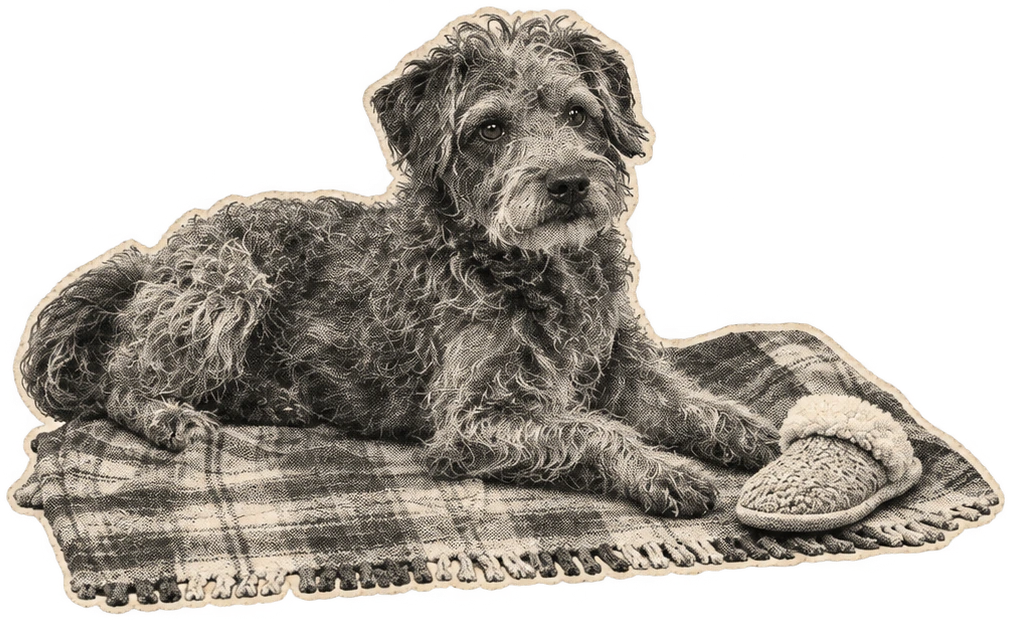
Move the bed away from the window if the dog keeps getting up to shout at people. Reward a quiet moment there and make it somewhere they can stay without everyone stepping over them. You can’t expect a nap if they’ve got the best seat for the street. 910
Build time alone gradually. When you leave, use a camera if you can and see whether they settle after the door goes. If they pace or bark repeatedly, make it easier next time and get help. Throwing in a longer absence because they’re small won’t make it feel shorter to them. 3435
Kids, cats and small pets
Supervise children while they’re together and make sure the dog has somewhere nobody follows them. Teach the children to trade a toy through an adult rather than taking it from the dog. Small and scruffy doesn’t make a dog any happier about being picked up when they’re asleep. 272936
Give cats their own escape route and manage introductions with physical separation at first. Don’t use a rabbit or other small pet to test whether the dog’s chase response is “really terrier”. For dogs meeting dogs, choose a spot with room for both of them to leave. 5253738
Jackapoo notes / 09
Protect everyone’s space
Read both parents’ screening rows
The November 2026 Royal Kennel Club Jack Russell row lists PLL DNA in Good Practice. Best Practice adds LOA and SCA DNA plus the clinical Eye Scheme. The Toy Poodle row puts prcd-PRA DNA under Good Practice and lists eyes and hips under Best Practice. With Miniature Poodles, the row puts eyes and hips alongside prcd-PRA and osteochondrodysplasia (OC) DNA in Best Practice. A documented Standard Poodle parent has its own row. These are breeding recommendations for the parent breeds, not a new Jackapoo screening standard. 3113948
Take the records to your vet and ask what they tell you about this dog. Family screening doesn’t rule out all conditions or diagnose an eye that’s gone sore today. The large 2024 UK doodle health study covered other crosses, not Jackapoos. Neither that study nor the separate UK lifespan table gives a representative Jackapoo lifespan or condition rate. 40414243
Jackapoo notes / 10
Health conditions and screening
| Check | What to ask |
|---|---|
| Jack Russell parent | PLL in Good Practice; LOA, SCA and the Eye Scheme in Best Practice. Ask for results. 11 |
| Toy Poodle parent | prcd-PRA in Good Practice; clinical eyes and hips in Best Practice. 11 |
| Miniature Poodle parent | Clinical eyes and hips plus prcd-PRA and OC DNA in Best Practice. 11 |
| Standard or unclear Poodle ancestry | Check which variety is documented, then use the relevant row with the vet. 311 |
| Repeated skipping or a limp | Vet assessment rather than a guess from ancestry. 3233 |
| Cloudy, painful or closed eye | Contact the vet promptly. Don’t wait on a DNA result. 41 |
| Lifespan and rates | No representative UK Jackapoo figure in these sources; no substitution from the parents. 4243 |
Coat money, walk money and actual vet bills
Ask what a groomer would charge to keep your dog in a style you can maintain. If the curly bits knot up first, ask what to do there between visits rather than paying for the groomer to start from scratch every time. A regular appointment is particularly worth pricing if you’re used to a short-coated terrier. 34644
Find out what your practice charges for routine care and what the insurance won’t cover. Then put a name against backup walks. You want someone who gets why a certain stretch is walked on a short lead, not someone who thinks it’ll be all right because the dog came back once. 574445
Jackapoo notes / 11
Budget beyond the food
Two parent histories, no invented origin date
The two parent breeds have separate stories. The Royal Kennel Club describes the Jack Russell as a working terrier and lists Poodles by variety, with roots in water work in its Poodle history. A Jack Russell/Poodle cross even appears in the club’s 2023 Scruffts results, entered as a cross, not a new pedigree breed. 212161718
That event is one documented dog, not a foundation date or a prediction for every puppy. A family tree might give you clues about the coat. To find out what your own dog enjoys, drag a toy halfway under a towel and let them have a go. 238
Jackapoo notes / 12
Two different parent breeds
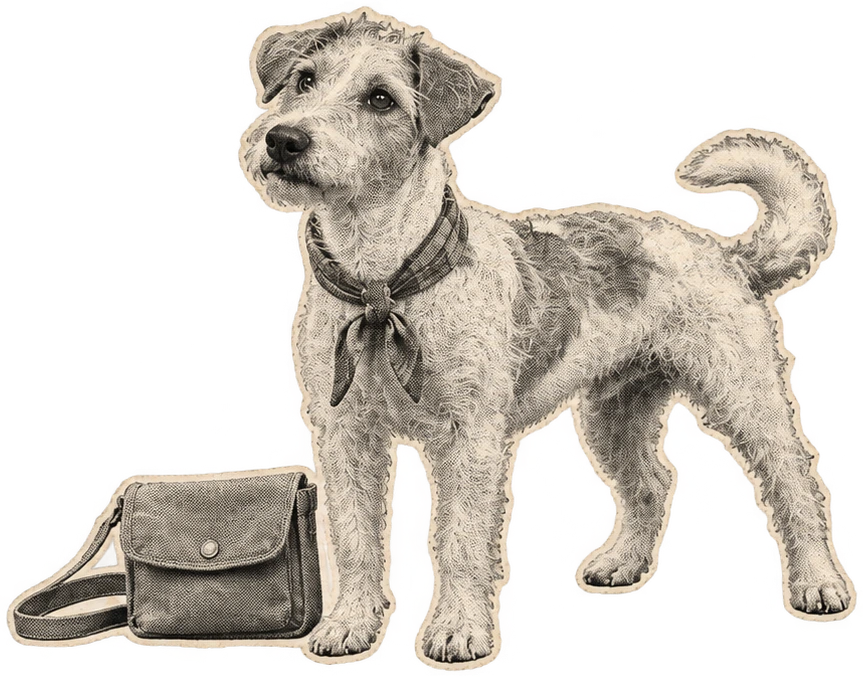
Before and after bringing one home
Ask to meet a puppy with their mum where they were raised and see identifiable screening records for both parents. Ask which Poodle variety appears on the paperwork. If you’re adopting, find out what the rescue has actually seen near small animals and what the dog is like when somebody takes a comb out. 3114647
If the dog’s already on the sofa, check the coat and pick a walk where their best trick isn’t escaping you to look at a hedge. Start one easy search game and take any paperwork along to the vet. It doesn’t all need doing at once, but you’ll be glad you didn’t leave the combing until the mat has its own postcode. 45811
Jackapoo notes / 13
Ask for evidence you can use
| Find out | What to ask or do |
|---|---|
| The ancestry | Ask for the actual parent details, including the Poodle variety if known. 311 |
| Health evidence | Get results tied to specific dogs and check which tests were done. 1146 |
| Life with the dog | Ask about handling, lead behaviour and any other animals. 52747 |
| Allergy | Seek clinical advice rather than trusting a sales claim. 2122 |
Sources
- S1Royal Kennel Club guide to named crossbreeds and differences between individualsSource · checked 21 November 2026
- S2Royal Kennel Club record of a Jack Russell and Poodle cross in ScrufftsSource · checked 21 November 2026
- S3Royal Kennel Club crossbred parentage, screening and coat variationSource · checked 21 November 2026
- S4PDSA grooming different types of coats and matsSource · checked 21 November 2026
- S5Dogs Trust managing dogs that chaseSource · checked 21 November 2026
- S6PDSA at-home coat and skin checksSource · checked 21 November 2026
- S7Dogs Trust recall training and long-line useSource · checked 21 November 2026
- S8Dogs Trust enrichment, scent work and indoor searchesSource · checked 21 November 2026
- S9Dogs Trust managing window barking and blocked viewsSource · checked 21 November 2026
- S10Dogs Trust settle trainingSource · checked 21 November 2026
- S11Royal Kennel Club formal parent breed Health Standard rowsSource · checked 21 November 2026
- S12Royal Kennel Club Jack Russell Terrier official standardSource · checked 21 November 2026
- S13Royal Kennel Club separate Parson Russell standardSource · checked 21 November 2026
- S14Dogs Trust lead handling and harness fittingSource · checked 21 November 2026
- S15Royal Kennel Club list of recognised UK pedigree breedsSource · checked 21 November 2026
- S16Royal Kennel Club Toy Poodle breed history and profileSource · checked 21 November 2026
- S17Royal Kennel Club Miniature Poodle breed history and profileSource · checked 21 November 2026
- S18Royal Kennel Club Standard Poodle breed history and profileSource · checked 21 November 2026
- S19PDSA weight and body conditionSource · checked 21 November 2026
- S20Dogs Trust safe car travel and equipmentSource · checked 21 November 2026
- S21Allergy UK pet allergy factsheet and allergensSource · checked 21 November 2026
- S22Published study of dog allergen in hair, coats and homesSource · checked 21 November 2026
- S23PDSA grass seeds and paw signsSource · checked 21 November 2026
- S24PDSA Jack Russell Terrier breed care contextSource · checked 21 November 2026
- S25Dogs Trust body language and individual responseSource · checked 21 November 2026
- S26RSPCA reward-based training and professional helpSource · checked 21 November 2026
- S27Dogs Trust gradual handling and signs of discomfortSource · checked 21 November 2026
- S28Dogs Trust supervised food search and activity boxSource · checked 21 November 2026
- S29Dogs Trust swapping items and handling stealingSource · checked 21 November 2026
- S30UK Government Countryside Code and livestock guidanceSource · checked 21 November 2026
- S31PDSA exercise by age and individual dogSource · checked 21 November 2026
- S32PDSA canine limping and stiffness guidanceSource · checked 21 November 2026
- S33PDSA skipping gait and luxating patellaSource · checked 21 November 2026
- S34Dogs Trust building time alone at the dog’s paceSource · checked 21 November 2026
- S35PDSA separation distress signs and supportSource · checked 21 November 2026
- S36Dogs Trust active supervision with childrenSource · checked 21 November 2026
- S37Dogs Trust introducing dogs and cats and using separationSource · checked 21 November 2026
- S38Dogs Trust introducing dogs to a resident dogSource · checked 21 November 2026
- S39British Veterinary Association canine Eye Scheme scopeSource · checked 21 November 2026
- S40British Veterinary Association limits of health screeningSource · checked 21 November 2026
- S41PDSA painful or closed eye and veterinary assessmentSource · checked 21 November 2026
- S42Bryson et al. original 2024 UK study of three other Poodle crossesSource · checked 21 November 2026
- S43Dogs Trust UK breed-level lifespan tableSource · checked 21 November 2026
- S44PDSA cost of owning a dogSource · checked 21 November 2026
- S45Dogs Trust choosing a dog walkerSource · checked 21 November 2026
- S46RSPCA advice on buying a puppy and asking for health recordsSource · checked 21 November 2026
- S47Dogs Trust adoption and settling guidanceSource · checked 21 November 2026
- S48Royal Kennel Club scope of Miniature Poodle osteochondrodysplasia DNA testingSource · checked 21 November 2026
