Breed guide / Italian Spinone
Living with an Italian Spinone
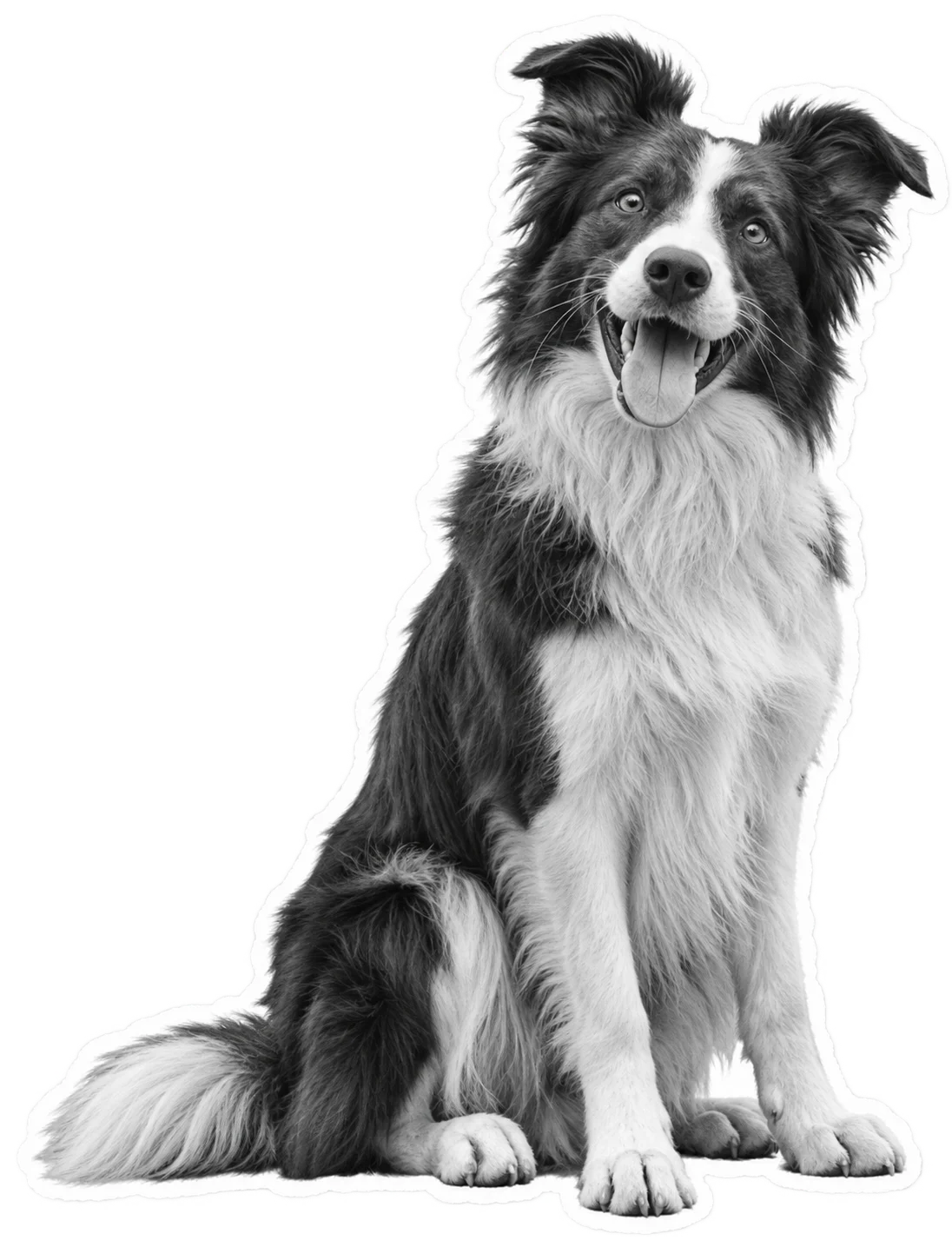
The Italian Spinone is a big, rough-coated pointing dog with a square build and a face that somehow looks both serious and mildly disappointed. It’s an Italian gundog bred to find game and work with a person, not just a heavy dog with a nice beard. Watch one work through a patch of long grass and the useful bit of that history becomes obvious: they can spend a long time investigating something you didn’t even notice. 1 2 3 9
Jump to a section
Sort the path, the paws and the pace
If yours keeps going to the end of the walk but gets up stiff at home, notice when it happens. A quieter, shorter outing and a call to the vet about a new or recurring change beat finding out how much they’ll tolerate. Keep the route to their bed grippy and put the towel where checking toes, ears and beard is easy. 15 16 29 33 34
Give the dog a chance to put the nose to work safely. Pick a broad, quiet route where you can turn early, and reward a check-in before the dog is shoulder-deep in the verge. The point isn’t to stop all sniffing. It’s to be able to leave together when you need to. 11 19 26 27
Italian Spinone notes / 01
Short version
| Start here | Do this |
|---|---|
| Slippery floor | Add a secured runner on the route the dog actually uses. 33 |
| Wet walk | Check the beard, ears and feet before the dog settles. 2 15 |
| Hard to turn away from scent | Practise at more distance and reward the easy version. 11 27 |
| Suddenly trying to vomit without bringing anything up | Call the emergency vet now, especially with a swollen tummy or restlessness. 32 |
Same Spinone, different name on the page
Italian Spinone is the Royal Kennel Club name. Spinone Italiano is the Italian name and the way you’ll see it in some international sources. It isn’t a rough-coated Bracco Italiano: the two have separate breed records. The Spinone’s wiry jacket is part of the picture, not a substitute for documented ancestry or observing an individual dog. 1 2 3 5 6
A dog’s look doesn’t tell you whether they’ll work like a particular line or settle in your house. Learn what yours does when the lead goes on, when it comes off and what happens in between. 12 27 29
Check if the giant beard and broad chest fit the actual car
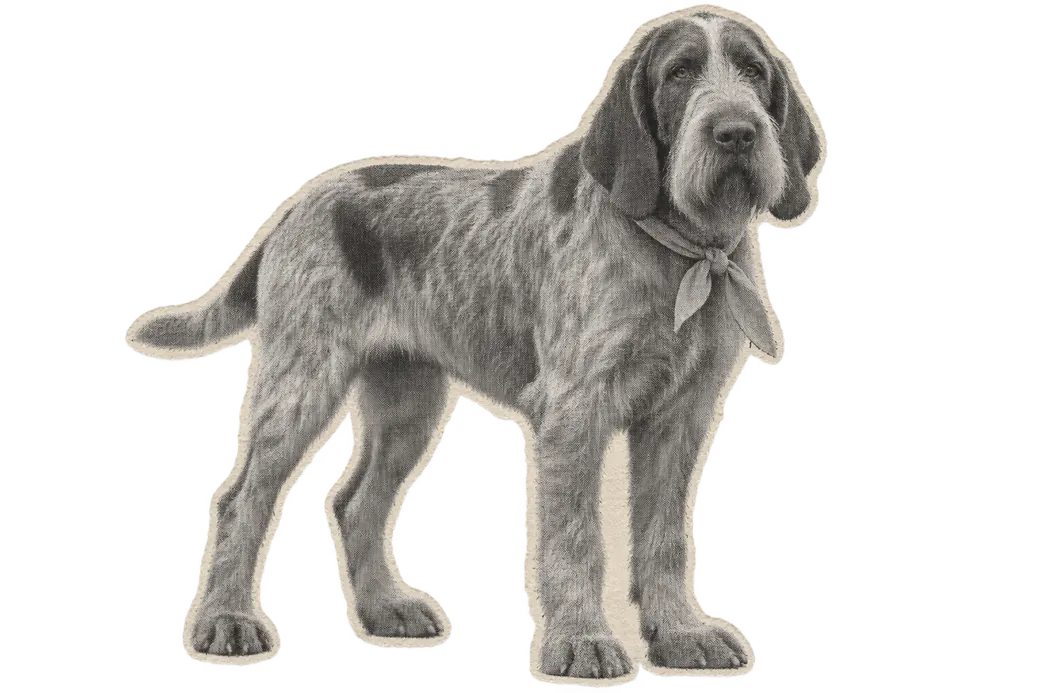
The UK standard gives heights of 60–70 cm for males and 58–65 cm for females. It describes a substantial build, but treat those measurements as context, not an individual target. Feel the dog’s ribs and waist and let the vet help you assess body condition if you’re unsure. 2 4 18
Measure the car space with room to turn and lie down. If your dog can’t comfortably step in, choose a stable grippy route and rehearse it slowly while they’re well. Use a travel restraint suited to the setup rather than assuming the walking harness does both jobs. 19 20 33
Italian Spinone notes / 03
Size and weight
Put the beard on the list
The coat is rough and the face has pronounced eyebrows and beard. Feel for damp patches and loose plant debris after a walk. Lift the beard gently and check underneath, then check around collar, ears and toes. If the dog starts shaking one ear repeatedly on the way back from rough cover, that’s not a grooming complaint to shrug off. 2 13 15 21 22
Choose a groomer familiar with rough coats if you’re unsure how to manage the jacket. At home, make the handling short and calm. A tight mat is someone else’s job if you can’t see the skin well enough to deal with it safely. 13 16 17
Italian Spinone notes / 04
Coat and grooming
Don’t confuse a steady look with a finished dog
A dog can have a steady-looking face and still need time to settle with visitors or a busy household. Let them approach if they want to, give them a way to walk away and teach a resting place with no visitor in it. A large friendly dog can make a small hallway feel very full. 2 12 13 14
Practise short departures separately from exercise. If they distress when left, get a clear look at what happens on a recording and make the exercise easier; an extra lap of the park isn’t a reliable solution. 23 24 25
Italian Spinone notes / 05
Temperament
Teach the turn while the field is still boring
Practise a smooth return on a quiet route, reward it and sometimes let the dog go back to safe sniffing. If they go still at a scent, use the space and lead you’ve already set up rather than finding out how compelling a new recall is at that moment. 11 19 26 27
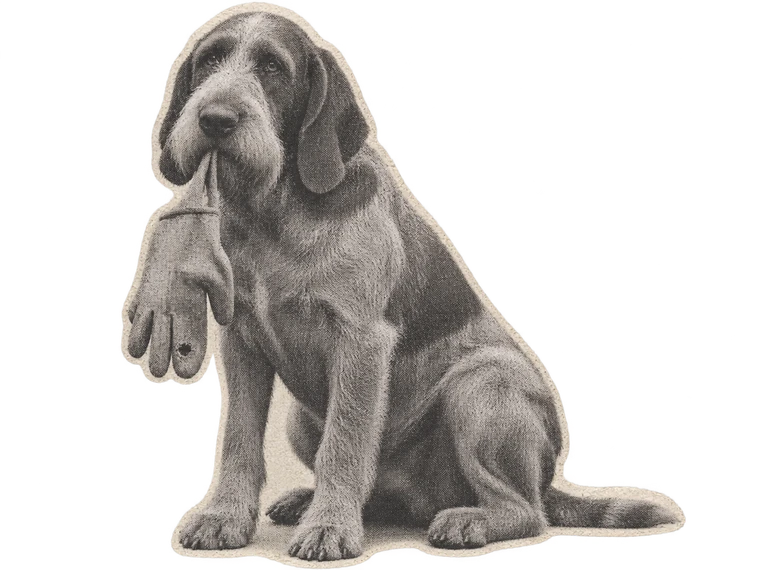
A few minutes finding a toy can be a good job without pulling dogs into a busy park or rehearsing a chase. At the end, put it away and practise settling. Give both parts of the game some attention. 12 26 28
Get a good outing without making it an endurance test
Use walks that suit the dog’s maturity, fitness and joints. Build movement gradually if they’re new to the route or coming back from time off. A growing large dog or one who’s recently gone stiff needs an individual plan, not somebody else’s distance. In hot weather, choose safer times or skip the outing. 10 29 31 34
Keep a lead on where safety and wildlife need it. A long line can have a use on open ground but is a poor fit around traffic, crowded paths or tangling cover. For dogs who like water, first pick somewhere safe to enter and get out, and leave unsafe water alone. 19 27 30 51
Italian Spinone notes / 07
Exercise
The wet dog needs somewhere to land
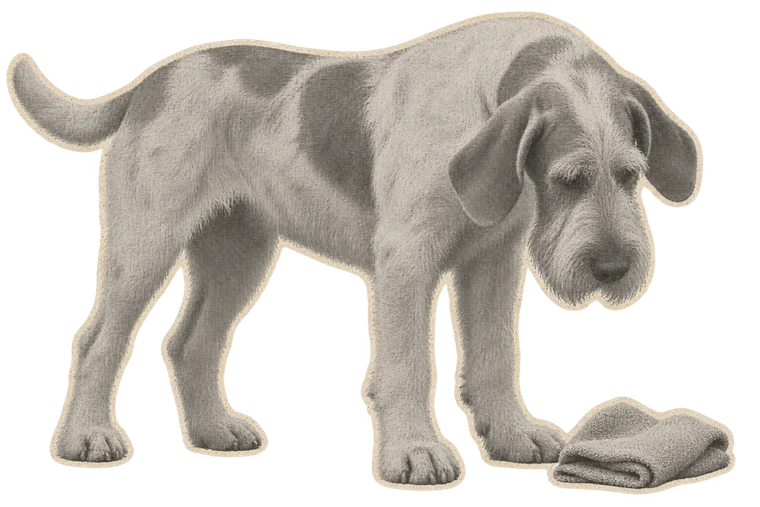
Set up a towel station out of the way and a separate place to lie down. On smooth floors, check the turns, not just the straight bit of hallway. Use secured mats where needed. If the dog won’t come through a doorway it used to manage easily, think beyond obedience: it may be slippery or they may be sore. 15 16 33 34
Teach the dog to rest somewhere they’re not being bumped by the family. Front doors work better with a quiet pause and a clear route than with everyone sharing the same square foot. 12 13 26
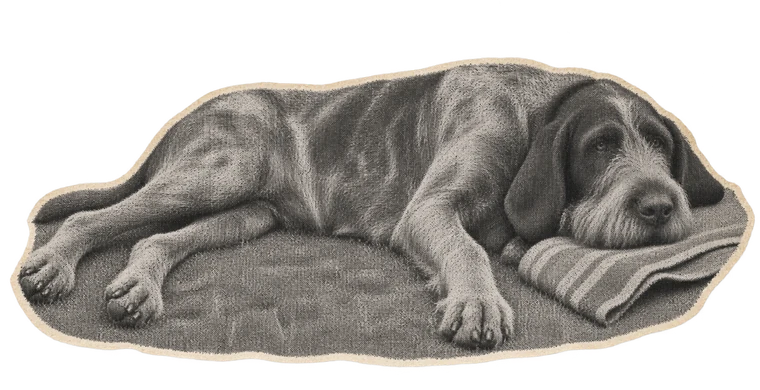
Friendly still needs room
Supervise children, give the dog somewhere to go and separate if you can’t watch. Even an enthusiastic greeting can bowl over a smaller person. Keep children out of the bed and keep big greetings out of narrow halls. 13 36
Introduce other dogs with distance and keep prized chews apart as needed. Set up a cat’s escape route before you put animals together. If one animal can’t move without being followed, stop and get support rather than turning the first introduction into a repeat performance. 25 35 37 38
Hips, elbows, eyes and cerebellar ataxia
The current Royal Kennel Club row lists cerebellar ataxia (CA) DNA, BVA/RKC hip scoring and elbow grading at Good Practice. The BVA/RKC/ISDS eye scheme sits at Best Practice. Separate RKC registration rules, effective from 6 January 2025, address imported Spinoni and litters from overseas sires: check the current wording and the proof of CA status for the exact situation. A registration rule is not a diagnosis or an instruction for treating your dog. 1 7 39 40 41 42
In the breed, an original study identified an association between a particular ITPR1 expansion and inherited juvenile ataxia. That explains why the testing matters, not how common new unsteadiness is or what caused it in an individual. A current gait change needs vet assessment. If your dog tries to vomit repeatedly without bringing anything up, or suddenly bloats and seems distressed, call the emergency vet immediately. 8 10 32 34
Italian Spinone notes / 10
Health
| Record or symptom | Practical meaning |
|---|---|
| CA DNA | Named RKC Good Practice test; verify actual test and result, not only ‘clear lines’. 1 7 39 |
| Hips and elbows | Good Practice; results describe screening and do not diagnose today’s limp. 34 39 40 41 |
| Eyes | Best Practice clinical scheme; distinct from the CA genetic result. 39 42 |
| Import or overseas sire | Check the separate current RKC registration policy and evidence. 1 |
| New poor coordination | Speak to the vet rather than assuming inherited CA from the name. 8 34 |
| Unproductive retching or sudden bloat | Treat as urgent; call the emergency vet immediately. 10 32 |
| Lifespan | The 2024 UK study’s Spinone Italiano row reports 11.9 years median, 95% CI 11.6–12.4, with 215 deaths reported. A cohort estimate cannot predict your dog’s lifespan. 45 46 |
Price what life with a large muddy dog actually needs
Price a suitable travel setup, grooming help if needed and whoever you’ll use for walks or holiday cover. Give a walker the real brief: how they manage near cover and what to do if the dog gets stiff. Check your plan for moving a large dog who suddenly can’t get into the car. 16 20 27 43 47
Read the insurance terms and agree how an emergency bill would be paid before one turns up. The important figure isn’t just the premium. 48
Italian Spinone notes / 11
Costs
What the Italian pointing history explains
This is an old Italian pointing breed. The modern breed records keep it distinct from the Bracco and describe the robust rough-coated dog used for hunting. In UK gundog terms, finding, pointing and retrieving are different parts of working with a person. 1 2 3 6 9
You don’t need to reproduce the historic job. Let the dog investigate safely, give it a purpose and stop at a point where it can settle. Getting home with a dog who still listens is a more useful outcome than counting how many fields you did. 12 26 27 28
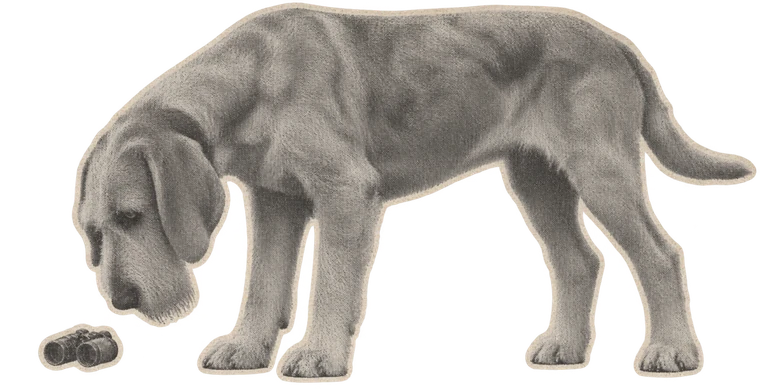
Look for a dog who fits your actual week
Meet adults if you can. Ask how they walk, how they get into a car and whether they can sleep through an ordinary evening. See the mother with a litter where it’s raised and ask for actual health results. With a rescue, ask what they know about the dog and what they’re still finding out. 1 7 20 23 44 49 50
Work through a wet day when you’re both tired. Can the dog get a decent outing without slipping all the way to the car? Can you check its feet without a fight? Is there room for it to get a proper sleep? That’s more useful than comparing which dog looks nicest with its beard dry for once. 12 13 15 33
Italian Spinone notes / 13
Bringing one home
| Ask | Good evidence |
|---|---|
| Can I see health results? | Named dogs, CA, hips, elbows and eye information, plus current registration proof where relevant. 1 39 49 |
| Where does the dog settle? | An example from life rather than a general description. 12 23 |
| What are daily care and walks like? | Real coat, feet and lead handling. 13 16 27 |
| What’s still unknown? | Direct answers and contact with people who can help. 25 44 |
Sources
- S1Royal Kennel Club Italian Spinone UK breed profile, screening and registrationSource · checked 21 November 2026
- S2Royal Kennel Club Italian Spinone official UK standardSource · checked 21 November 2026
- S3FCI Italian Spinone nomenclature and recognitionSource · checked 21 November 2026
- S4UK Italian Spinone club breed standard history and sizeSource · checked 21 November 2026
- S5Royal Kennel Club separate UK Gundog breed entriesSource · checked 21 November 2026
- S6Italian national kennel organisation breed account, distinct from BraccoSource · checked 21 November 2026
- S7Italian Spinone Club of Great Britain CA guidance, including historical linkage testingSource · checked 21 November 2026
- S8Forman et al. primary Italian Spinone paper, ITPR1 associationSource · checked 21 November 2026
- S9Royal Kennel Club hunt, point and retrieve work explanationSource · checked 21 November 2026
- S10PDSA Italian Spinone vet profile and relevant health concernsSource · checked 21 November 2026
- S11Dogs Trust preventing or managing chasingSource · checked 21 November 2026
- S12Dogs Trust settling practiceSource · checked 21 November 2026
- S13Dogs Trust comfortable handlingSource · checked 21 November 2026
- S14Dogs Trust reactivity and spaceSource · checked 21 November 2026
- S15PDSA vet guidance on home health checksSource · checked 21 November 2026
- S16PDSA vet guidance on groomingSource · checked 21 November 2026
- S17Blue Cross general grooming supportSource · checked 21 November 2026
- S18PDSA vet guidance on body conditionSource · checked 21 November 2026
- S19Dogs Trust harness fittingSource · checked 21 November 2026
- S20Dogs Trust safe travelSource · checked 21 November 2026
- S21PDSA vet guidance on grass seedsSource · checked 21 November 2026
- S22PDSA vet guidance on ear symptomsSource · checked 21 November 2026
- S23Dogs Trust introducing time aloneSource · checked 21 November 2026
- S24Dogs Trust recognising separation distressSource · checked 21 November 2026
- S25Dogs Trust sourcing behaviour supportSource · checked 21 November 2026
- S26Dogs Trust positive reinforcementSource · checked 21 November 2026
- S27Dogs Trust recall and long lineSource · checked 21 November 2026
- S28Dogs Trust enrichment and search gamesSource · checked 21 November 2026
- S29PDSA vet guidance on exerciseSource · checked 21 November 2026
- S30Natural England keeping dogs under control in the countrysideSource · checked 21 November 2026
- S31Dogs Trust warm-weather careSource · checked 21 November 2026
- S32PDSA immediate action for GDVSource · checked 21 November 2026
- S33Canine Arthritis Management accessible home and car adviceSource · checked 21 November 2026
- S34PDSA vet guidance on stiffness and limpingSource · checked 21 November 2026
- S35Dogs Trust resource guardingSource · checked 21 November 2026
- S36Dogs Trust supervising dogs around childrenSource · checked 21 November 2026
- S37Dogs Trust introducing dogs and catsSource · checked 21 November 2026
- S38Dogs Trust introducing dogsSource · checked 21 November 2026
- S39Royal Kennel Club exact Italian Spinone Health Standard rowSource · checked 21 November 2026
- S40Royal Kennel Club BVA/RKC hip scoringSource · checked 21 November 2026
- S41Royal Kennel Club BVA/RKC elbow screeningSource · checked 21 November 2026
- S42Royal Kennel Club BVA/RKC/ISDS clinical eye schemeSource · checked 21 November 2026
- S43PDSA moving an injured pet and calling aheadSource · checked 21 November 2026
- S44Dogs Trust rehoming guidanceSource · checked 21 November 2026
- S45Dogs Trust original UK breed lifespan tableSource · checked 21 November 2026
- S46McMillan et al. original lifespan study and methodsSource · checked 21 November 2026
- S47Dogs Trust finding a dog walkerSource · checked 21 November 2026
- S48PDSA costs and insuranceSource · checked 21 November 2026
- S49Royal Kennel Club Health Test Results FinderSource · checked 21 November 2026
- S50RSPCA buying a puppy and seeing the motherSource · checked 21 November 2026
- S51PDSA veterinary advice on safe places to swimSource · checked 21 November 2026