
Breed guide / Irish Setter
Living with an Irish Setter
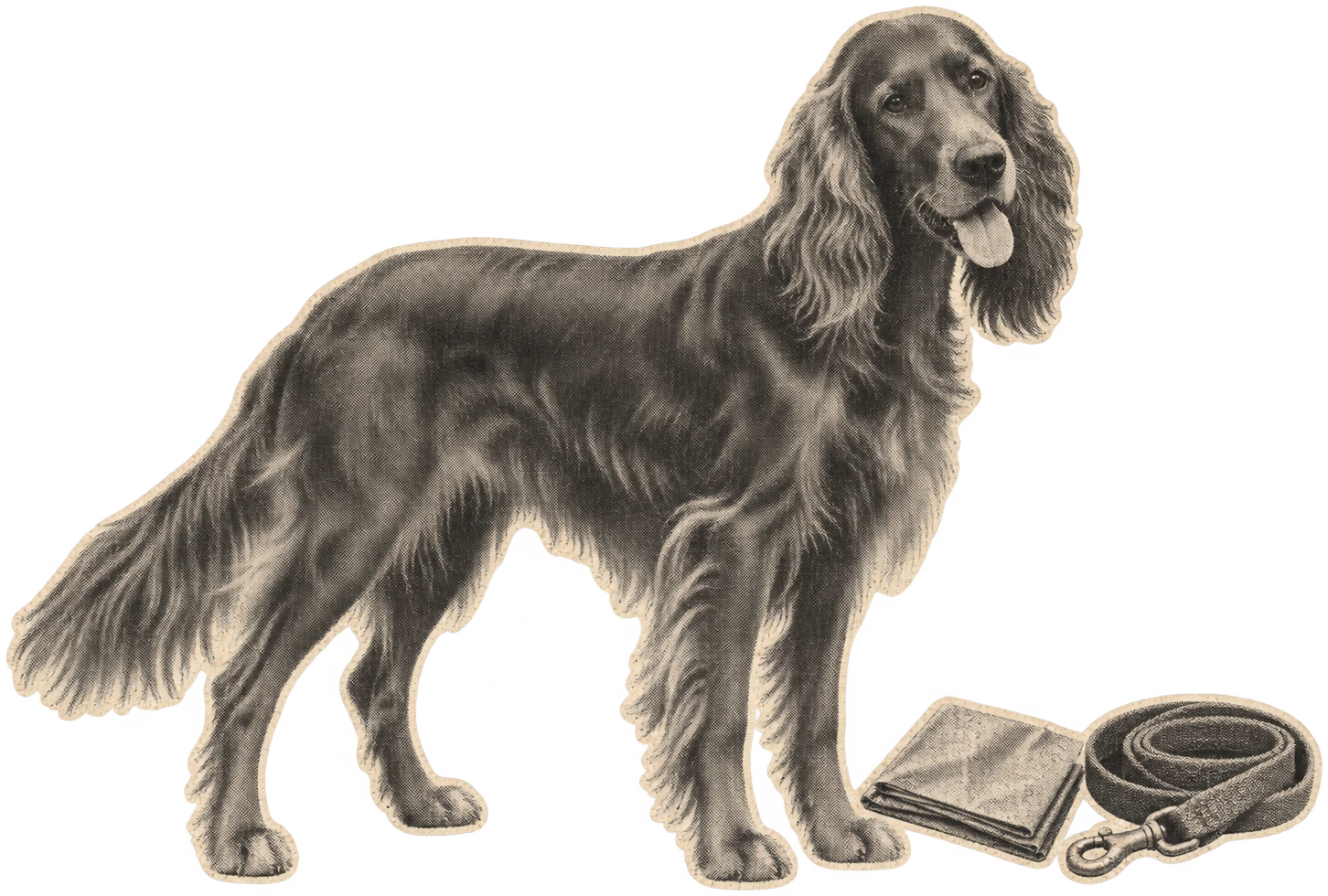
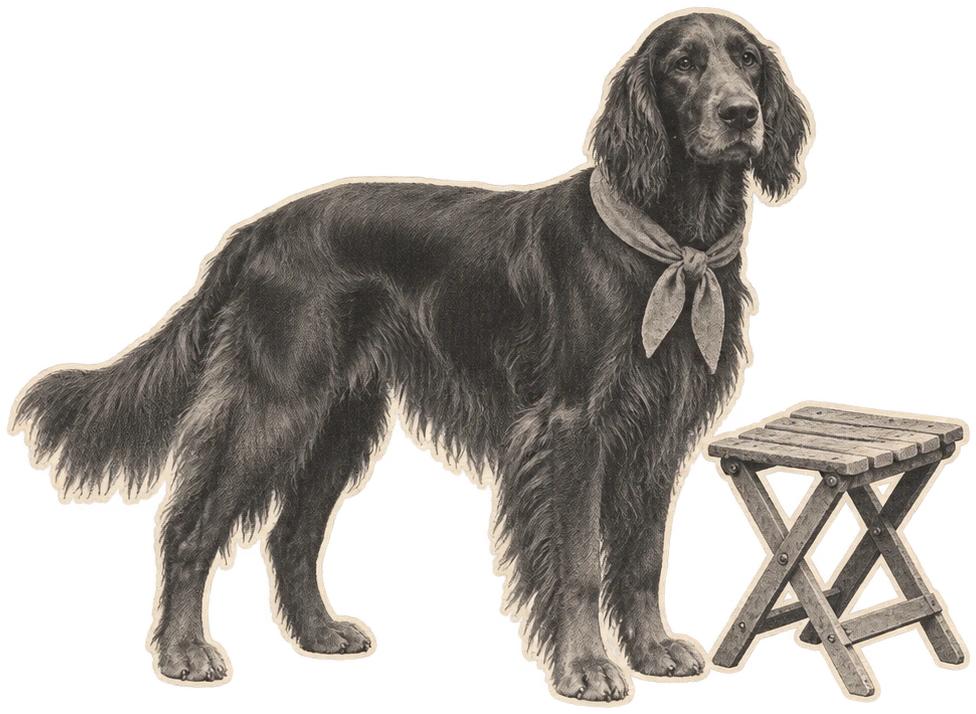
The Irish Setter is an athletic Irish gundog with a chestnut coat and long, feathered ears. If yours catches a scent, the little detour you had in mind can become the main event. The trick is finding walks where they can use their nose without disappearing over the horizon, bringing them back down to earth afterwards, and getting the brambles out from behind the ears before they end up on your sofa. 12345
Jump to a section
The short version
Get a cue to come back working somewhere quiet first. If you’re on a path with birds, livestock or roads, keep the dog on a well-managed lead until you’ve got suitable space. Try a search game where you can see what the dog’s doing instead of sending them into the next postcode after a scent. 3 4 5 6
Check behind the ears and through the feathering after a walk. Save the emergency vet number as well. Repeated attempts to vomit without bringing anything up, especially with restlessness, may be bloat and need an immediate call. You don’t need to see a swollen belly first. 2 7 8 9
Irish Setter notes / 01
Where to start
| Start here | Useful first move |
|---|---|
| Recall | Start on easy ground and keep a safe backup while you build it. 5 |
| Exercise | Make time for sniffing and searching, not just distance. 4 6 |
| Grooming | Check the ears, legs and tail after rough ground. 2 7 |
| Dry retching or suspected bloat | Call the emergency vet immediately. 9 |
Irish Setter and Irish Red & White Setter are separate breeds
The Royal Kennel Club calls this breed the Irish Setter. Irish Red Setter is the name used by the international breed federation for the same breed. The Irish Red & White Setter has its own separate UK standard and health guidance. A small bit of white on an Irish Setter’s chest or toes doesn’t on its own make it an Irish Red & White Setter. 1 2 10 11
A tall dog that still needs to fit through the boot opening
The PDSA owner guide quotes a height range of 54–67 cm. That’s an idea of scale, not a Royal Kennel Club height limit or a target for your dog. Measure the actual chest before buying a harness and feel for ribs and waist under the coat. 2 3 12 13
Check that the dog can get into the car, turn around and lie down with their restraint fitted. If they hesitate to jump up when they used to manage it easily, think about soreness and footing before you put it down to a dog who’s having second thoughts about the vet. 14 15 16
The feathering is where you’ll find the rest of the field
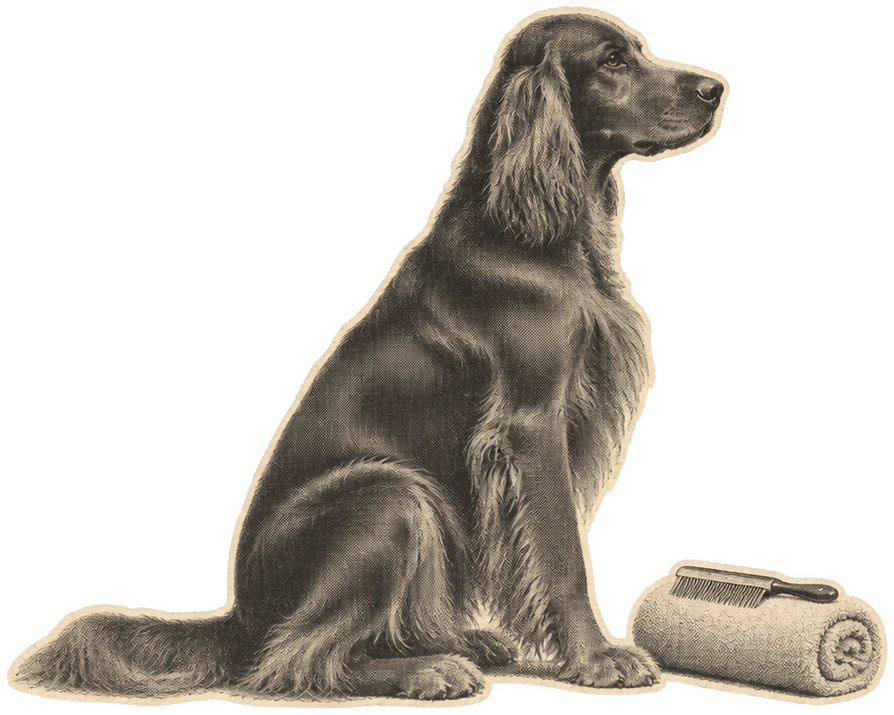
The written breed standard describes a flat coat with longer hair on the ears, legs and tail. Part the hair and work through small sections, especially in the places that rub. A coat can look silky on top while there’s a knot sitting behind an ear. Start with the loose bits and get help with a tight mat rather than cutting next to the skin. 2 3 7 17
After walking through long grass, check the ears, between the toes and where the feathering trails. Dry damp hair around the ears and watch for persistent head shaking, smell or soreness. That’s not a reason to put anything down the ear at home; ask a vet. 7 8 18
Irish Setter notes / 04
Check the feathers
Watch when the dog switches on, not just when they disappear
A dog that slows down, lifts their head or takes a sudden interest in the far side of a hedge may already be busy with something you haven’t noticed. For some Setters it’s a scent; for others it’s movement. Give yourself space to turn away before the lead goes tight. Work on what sets your dog off, not what you’ve been told Setters always do. 3 4 19 20
Back at home, check whether they can settle once the walk is over. Put the lead and toys away and make space for a breather. If a dog that used to enjoy a walk suddenly hangs back or avoids being touched, consider pain before adding more practice or more distance. 15 16 21 22
Irish Setter notes / 05
Watch the first look
| What you see | First move |
|---|---|
| Eyes or nose fixed on something | Make space and practise turning away before it gets harder. 19 20 |
| Still pacing after the walk | Give them a quiet place and notice what’s keeping them up. 21 22 |
| New avoidance of touch or walking | Look for discomfort and ask the vet about a noticeable change. 15 16 |
Give the nose a shorter job with an actual finish
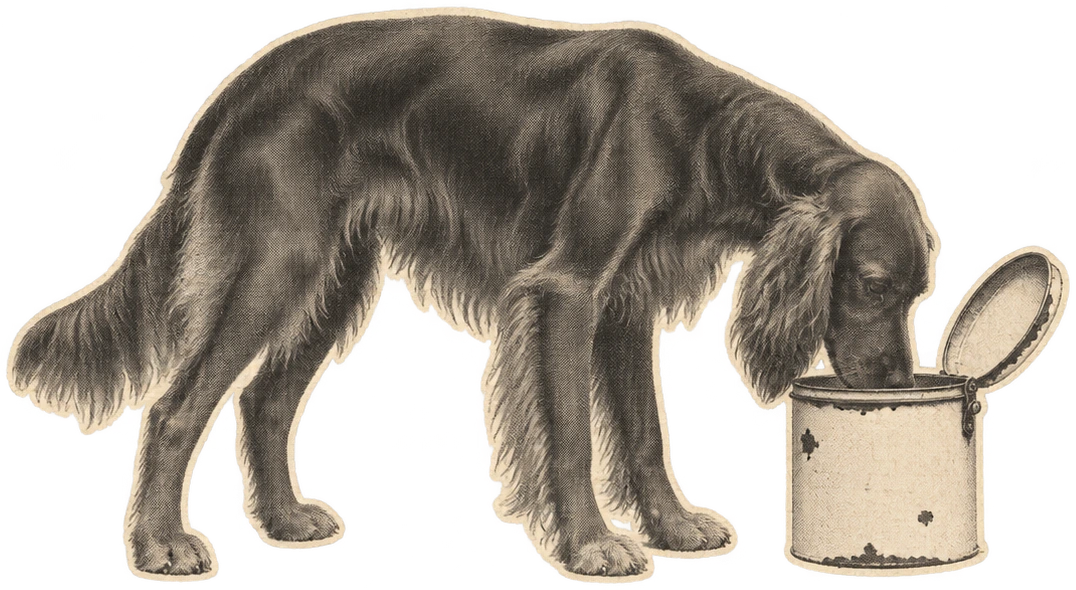
Put a familiar toy in a small patch of easy grass or let the dog find it in an open box. Make the find simple at first and reward them when they come back towards you. Don’t make it harder until they know what they’re looking for. You want them to get good at a game you can both play, not get better at leaving. 5 6 23
Practise the recall on its own when it’s easy. If you use a long line, attach it to a well-fitted harness and train away from roads, other dogs and hedges it can catch in. End the walk with a few minutes of calmer activity or rest instead of starting another round by default. 5 12 21 22
Find a route that works when the birds are out
An adult that’s comfortable doing more can explore varied routes, but the amount of exercise needs to suit the individual. Build up longer outings and offer somewhere safe to sniff properly rather than a series of fast laps. Keep a lead on around livestock and choose a secure area if you need to practise without a line. 3 4 5 24 25
In warm weather, go at a cooler time or cut the route down. If the dog starts moving differently, lags on a walk they usually enjoy or limps afterwards, get advice on the change. They might still want to set off after something exciting with a sore leg. That doesn’t make it a good test. 15 24 26
Irish Setter notes / 07
Pick your route
| Situation | Plan |
|---|---|
| Normal cool day | Some ground to cover and some time to sniff. 4 24 |
| Stock or wildlife near the route | Use a lead and keep well clear. 5 20 25 |
| Hot weather | Adjust time, length and access to shade or water. 26 |
| New limp or change in pace | Ease off and ask the vet rather than training through it. 15 24 |
Give the dog a drying spot that isn’t your furniture
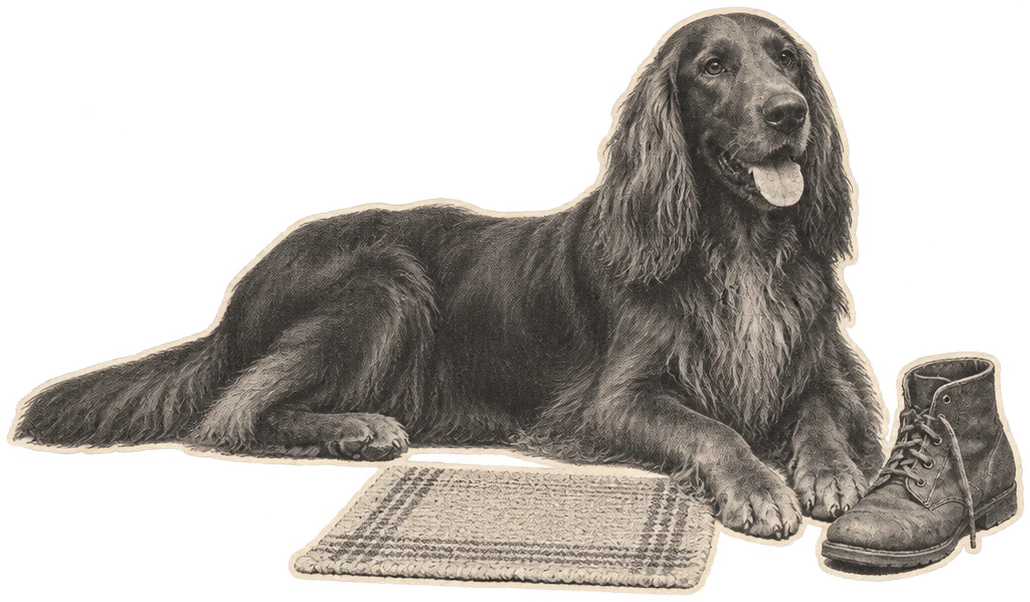
Set up a towel and space to turn by the door so you can check the legs without having to follow them through the house. Pick a dry rest spot with an easy route and grippy floor, especially for a dog that’s tall, older or sore. If your dog is worried when left, practise shorter periods they can manage and ask for help with distress. 7 14 21 27 28
Check garden gates and make a plan for arrivals before opening the front door. If your dog tends to head straight towards any open space, a second barrier is useful while you’re getting the lead. 29 30
Let children and pets meet the dog at a pace that suits both
Stay close enough to step in when children and dogs are together. If running brings the dog into the game full tilt, separate them calmly and let the dog settle. A tall dog can bump straight into somebody while trying to join in. Make sure they have somewhere to get away as well. 19 22 31
With a cat or a smaller animal, give them their own route and space, and manage early meetings. A dog that looks up at every flick of movement needs room and a bit of practice, not an introduction that relies on the cat staying perfectly still. 19 20 32 33
Health: the eye test names matter, and bloat can’t wait
The Royal Kennel Club’s Irish Setter page lists genetic diversity and the PRA rcd4 DNA test under Good Practice. Under Best Practice it adds CLAD and PRA rcd1 DNA tests, plus hip, elbow and clinical eye screening. The RKC also has specific registration rules for imports and litters from overseas sires involving CLAD and rcd1; those are distinct from routine owner advice. An rcd1 result isn’t an rcd4 result, and neither replaces the eye exam. 1 34 35 36 37 38 39 40
Original research identified a specific variant for rcd1 in affected Irish Setters. Published clinical reports of CLAD in affected Irish Setters document an inherited immune condition, not how often a dog in the UK has it now. If your dog starts struggling in dim light, a vet can check why. Don’t try to pick an answer from the list of DNA tests. 35 36 37 39 41 42 43
If the dog keeps trying to vomit with little or nothing coming up, especially with pacing, drooling, weakness or swelling, call the emergency vet immediately about possible GDV. Don’t wait for the belly to look bigger or try to treat it at home. The Dogs Trust 2024 UK study reported a median lifespan of 12.9 years for Irish Setters; that’s separate from risk of bloat and doesn’t predict one dog’s lifespan. 3 9 44 45
Irish Setter notes / 10
Health conditions and screening
| Topic | What you can do |
|---|---|
| Eyes | Ask for both specific PRA results and the separate clinical examination. 1 35 37 39 |
| CLAD | Ask which dog and variant the result refers to. 1 36 |
| Hips and elbows | Read both parents’ scheme results and get new limping checked. 15 38 46 |
| Lifespan | A UK study median of 12.9 years, not an age every dog reaches. 44 45 |
| Screening and breeding | Check the named records and RKC advice for the circumstances. 1 34 40 47 |
| Eye or movement changes | Ask the vet when you see a change, regardless of the paperwork. 15 43 |
| Urgent conditions | Suspected GDV needs an immediate call, even without obvious swelling. 9 |
Price the care you’ll actually use
Take account of grooming for the ears and feathers even if you’ll do most of it at home. Ask a walker what they’ll do around birds, stock and narrow paths and whether they’re happy with the dog’s current recall. “He comes back most of the time” is more useful if you explain what happens the rest of the time. 5 7 25 48
Check routine vet costs and insurance terms including ongoing care, limits and exclusions. Plan how you’d travel to the out-of-hours vet; don’t make the first trip the occasion you learn how long it takes from your house. 9 14 49
Irish Setter notes / 11
Price the real week
The chestnut coat isn’t the only thing Ireland gave it
This breed developed in Ireland as a working gundog. The UK standard still describes an athletic build and feathering, and the international registry records the Irish Red Setter separately from the Red and White. Those details explain the name and some of the shape, not how a dog on your sofa is going to act tomorrow. 1 2 10 11
Meet the dog on a walk, then see how the walk ends
If you’re adopting, ask to see what the dog does when there are other things to look at and when the walk is finished. Ask where they’ve had a chance to settle or be left alone. A dog in a busy kennel might not show you what a quiet afternoon at home looks like. 4 21 27 50
For a puppy, see the litter with its mum and check the actual parent results. Ask about the two different PRA tests, CLAD and the clinical screens. If you can, walk alongside an adult Setter and see how they’re handled when something catches their attention. It tells you more than watching a tired puppy sleep. 1 5 35 36 37 47 51
Irish Setter notes / 13
Ask what they’ve seen
| Ask | Why it helps |
|---|---|
| What happens around wildlife or stock? | Helps plan routes and safe practice. 5 20 25 |
| What screening results can I see? | Confirms each actual test, dog and result. 1 47 |
| How do they cope with being brushed? | Gives you a comfortable starting point. 7 17 |
| What do they do once they get home? | Helps you see what’s needed beyond the walk. 21 50 |
Sources
- S1Royal Kennel Club individual Irish Setter breed profile and current screening guidanceSource · checked 21 November 2026
- S2Royal Kennel Club Irish Setter written UK standard and coatSource · checked 21 November 2026
- S3PDSA veterinary Irish Setter owner breed profile, scale and careSource · checked 21 November 2026
- S4Dogs Trust Irish Setter owner and rescue profileSource · checked 21 November 2026
- S5Dogs Trust building recall and using a long lineSource · checked 21 November 2026
- S6Dogs Trust enrichment and scent-based gamesSource · checked 21 November 2026
- S7PDSA caring for dog coat and skinSource · checked 21 November 2026
- S8PDSA checking coat, paws and ears at homeSource · checked 21 November 2026
- S9PDSA veterinary signs of GDV and immediate emergency actionSource · checked 21 November 2026
- S10Fédération Cynologique Internationale Irish Red Setter nomenclatureSource · checked 21 November 2026
- S11Royal Kennel Club separate Irish Red & White Setter written standardSource · checked 21 November 2026
- S12Dogs Trust fitting and introducing a harnessSource · checked 21 November 2026
- S13PDSA individual body condition checkSource · checked 21 November 2026
- S14Canine Arthritis Management veterinary home access and non-slip flooringSource · checked 21 November 2026
- S15PDSA veterinary advice on limping and painSource · checked 21 November 2026
- S16Dogs Trust safely travelling with a dogSource · checked 21 November 2026
- S17Dogs Trust comfortable handling and groomingSource · checked 21 November 2026
- S18PDSA veterinary ear infection signs and actionSource · checked 21 November 2026
- S19Dogs Trust reading canine body languageSource · checked 21 November 2026
- S20Dogs Trust safe strategies for chasing and reacting to movementSource · checked 21 November 2026
- S21Dogs Trust teaching a dog to settleSource · checked 21 November 2026
- S22Dogs Trust management of overexcitement and restlessnessSource · checked 21 November 2026
- S23Dogs Trust reward-based training principlesSource · checked 21 November 2026
- S24PDSA exercise choices by age and conditionSource · checked 21 November 2026
- S25Natural England countryside code and control around livestockSource · checked 21 November 2026
- S26Dogs Trust hot-weather safetySource · checked 21 November 2026
- S27Dogs Trust easing a dog into time aloneSource · checked 21 November 2026
- S28Dogs Trust recognising distress when aloneSource · checked 21 November 2026
- S29Dogs Trust preventing escapes and checking gatesSource · checked 21 November 2026
- S30Dogs Trust safe arrivals and managing visitorsSource · checked 21 November 2026
- S31Dogs Trust safe supervision of children and dogsSource · checked 21 November 2026
- S32Dogs Trust introduction to cats and safe routes apartSource · checked 21 November 2026
- S33Dogs Trust introductions to another dogSource · checked 21 November 2026
- S34Royal Kennel Club central Health Standard: Irish Setter Good and BestSource · checked 21 November 2026
- S35Royal Kennel Club PRA rcd4 specific DNA testSource · checked 21 November 2026
- S36Royal Kennel Club CLAD specific DNA testSource · checked 21 November 2026
- S37Royal Kennel Club recorded DNA tests, including PRA rcd1Source · checked 21 November 2026
- S38British Veterinary Association Hip Dysplasia SchemeSource · checked 21 November 2026
- S39British Veterinary Association clinical Eye SchemeSource · checked 21 November 2026
- S40Royal Kennel Club notice of separate DNA registration-control policy changesSource · checked 21 November 2026
- S41Original Irish Setter rcd1 variant studySource · checked 21 November 2026
- S42Original clinical report of 12 affected Irish Setters with CLADSource · checked 21 November 2026
- S43PDSA veterinary guidance on eye symptomsSource · checked 21 November 2026
- S44McMillan et al. original UK lifespan studySource · checked 21 November 2026
- S45Dogs Trust original UK study table, Irish Setter rowSource · checked 21 November 2026
- S46British Veterinary Association Elbow Dysplasia SchemeSource · checked 21 November 2026
- S47Royal Kennel Club named-dog health results finderSource · checked 21 November 2026
- S48Dogs Trust choosing a suitable walkerSource · checked 21 November 2026
- S49PDSA dog ownership costs and insuranceSource · checked 21 November 2026
- S50Dogs Trust settling a rehomed dogSource · checked 21 November 2026
- S51RSPCA choosing a responsible breeder and visiting a litterSource · checked 21 November 2026
