
Breed guide / Havanese
Living with a Havanese
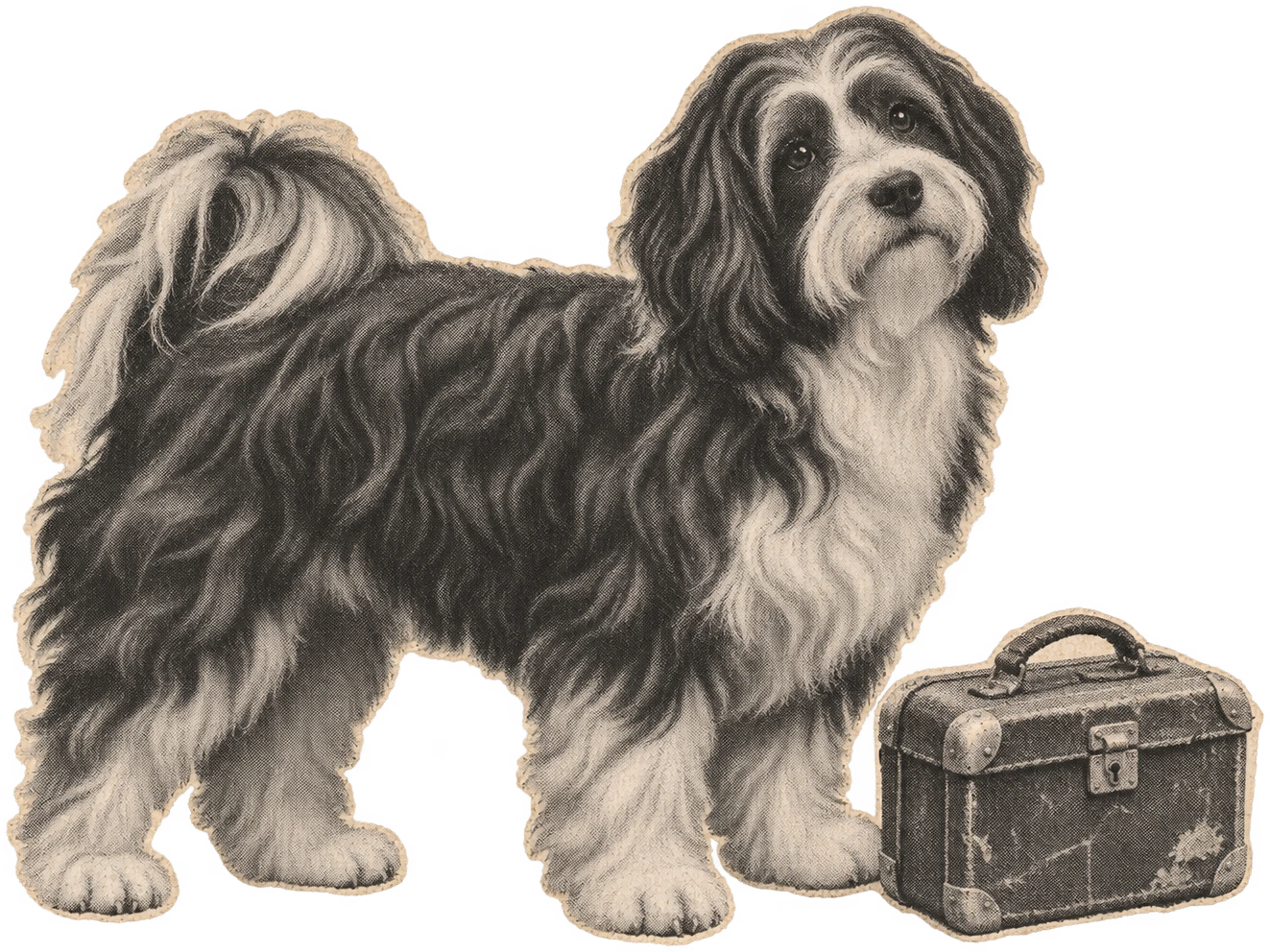
The Havanese is Cuba’s small bichon-type companion dog, with a long, often wavy coat and an unfortunate knack for putting their face under your hand the second you sit down to do something. The home routine that helps isn’t non-stop company. It’s getting them comfortable with a comb, giving them ordinary time outdoors and teaching them that someone leaving the room doesn’t always mean they have to follow. 1234
Jump to a section
The short version
If you normally go straight over the top with a brush, try parting the hair behind one ear. That’s where a knot can be well on its way before the rest of the coat looks like it needs doing. Check the harness line too, especially after a wet walk. 2 3 5 6
Use short, low-pressure departures while the dog can still relax. If they pace, whine or scratch as soon as you go, check what’s happening with a recording and get help rather than stretching the absence. Keeping a dog close and teaching them to cope when they’re alone are both useful things. 4 7 8
Havanese notes / 01
Where to start
| Start with | What helps |
|---|---|
| Behind the ears | Part a small patch and check down to the skin. 3 5 |
| Practising time alone | Keep it short enough that the dog can relax. 4 7 |
| Walks | Let them stop and sniff, with the harness fitted under the coat. 6 9 |
| Eye or gait changes | A sore eye or repeated skip is for a vet, not the grooming diary. 10 11 |
Havanese, Bichon Frise and Coton aren’t the same dog
The Royal Kennel Club puts the Havanese in the Bichon family but gives it its own breed standard. The Bichon Frise and Coton de Tulear have separate standards. A pale coat and a small dog with hair over its eyes won’t tell you which one you’re looking at. For screening records, check the actual breed and dog, not the nearest familiar name. 1 2 12 13
Fit the harness before the coat grows round it
The UK written standard gives an ideal shoulder height of 23–28 cm and describes a dog a little longer than tall. It doesn’t tell you what yours should weigh or how much space they need under a strap. Measure close to the body without getting hair caught in buckles. 2 6 14
Walk a few steps and watch the armpits and shoulders; make sure they can turn without a strap moving forward or rubbing. When checking condition, feel the ribs and waist rather than watching the sides of a freshly dried coat move in the wind. 6 14
Havanese notes / 03
Fit under the coat
Brush the bits nobody sees
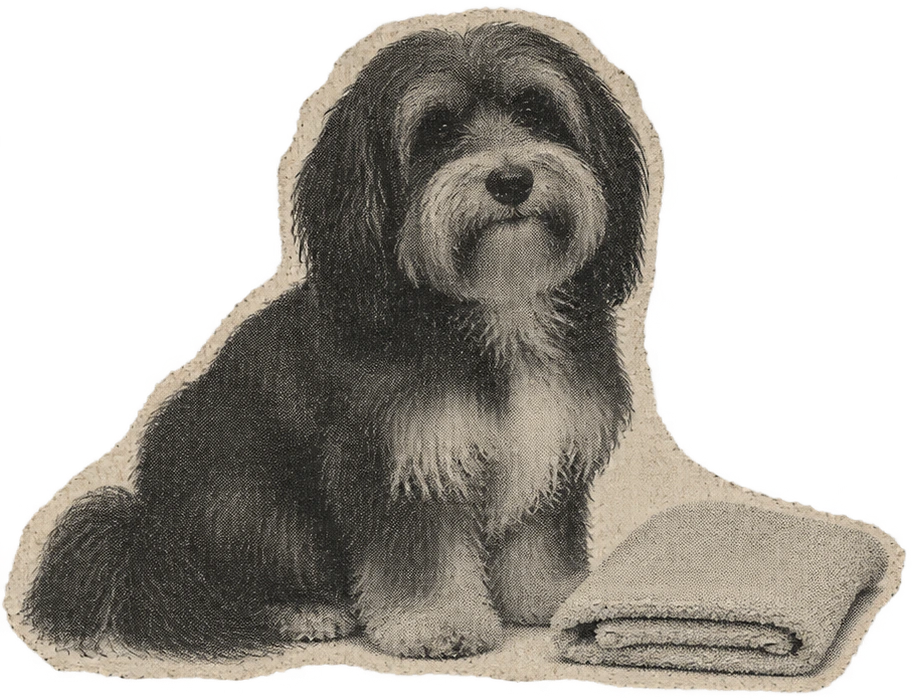
For a long coat, get into a daily checking and brushing rhythm that suits your dog. Use your fingers to separate the hair at the ears, between the front legs and where it bends at the collar or harness. If it’s matted close to the skin, get help from a groomer rather than trying to get scissors under it. 2 3 5 15
A comfortable pet trim is not the same project as keeping a show coat. Ask the groomer which areas still need checking after a trim. Get the dog used to touching a foot or lifting an ear for a second, rather than saving up an entire evening of combing for when they’ve finally sat down. 5 15 16
Havanese notes / 04
Check the hair
| Where | What to do |
|---|---|
| Behind ears | Take small sections and stop if the skin or hair is sore to handle. 3 5 |
| Chest and legs | Check where the straps rub and where the legs fold up. 5 6 |
| Feet | Check between the toes and around the pads after wet ground or long grass. 17 |
| Tight mat or pet trim | Ask the groomer, and keep a feasible routine in between appointments. 5 15 |
Is it the doorbell or you walking out?
A Havanese following you from room to room isn’t on its own proof of separation distress. Check what happens after you shut the door. A short recording can show whether they have a look then lie down or spend the whole time pacing, crying or scratching at the door. 4 7
If the problem is a street view or visitors, make a space that gives them distance from that trigger and practise the move when nothing’s going on. If they can’t relax while you’re out, work on easier absences and ask for behaviour help if they keep struggling. Don’t expect a radio to solve a problem you haven’t watched. 4 7 8 18 19
Havanese notes / 05
Watch the door
| What they’re doing | Try this first |
|---|---|
| Watching and barking at the same window | Break up the view and reward a calm move away. 18 19 |
| Following you but resting when you go | Keep departures ordinary and easy for now. 4 7 |
| Distressed when you go out | Use a recording, make the steps easier and get help if it persists. 7 8 |
Give them a job they can finish
Hide a bit of their normal ration or a toy in an easy, safe place they can reach. Teach getting onto a mat separately, when nobody’s at the door. A place you can reward them for choosing is more useful than moving them there by hand each time. 9 18 20
Keep handling sessions short. Reward letting you run your fingers down a bit of coat or lift the edge of an ear, then let them go. Teach recall on an easy walk without getting so close to a busy road that you have to trust it before it’s ready. 16 21
Small legs can still go somewhere interesting
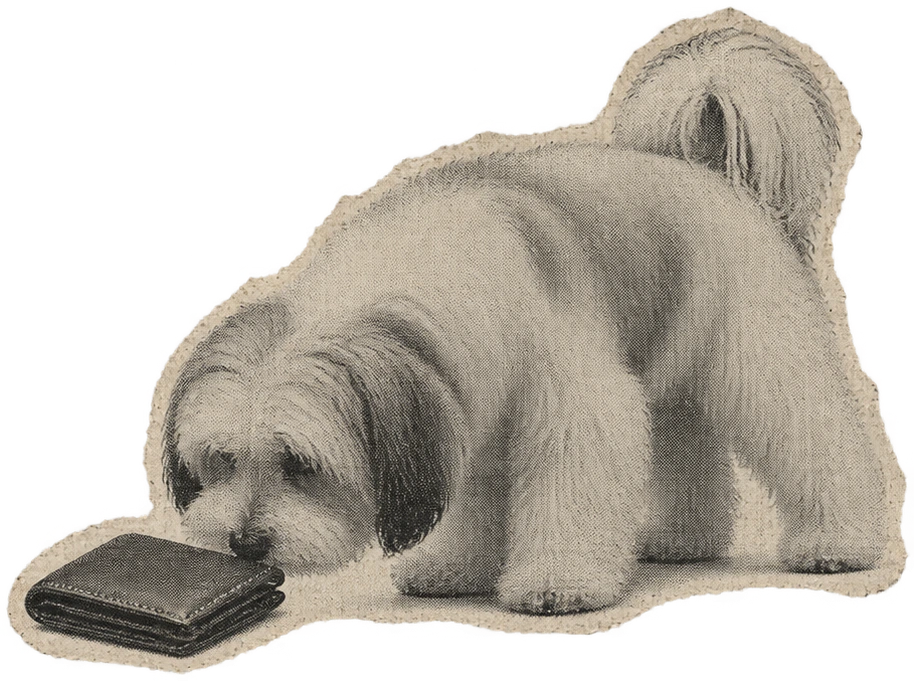
Give the dog regular outings where they can move at their own pace, stop to sniff and choose a direction now and then. A quieter route with good footing can be more useful than trying to keep up with a brisk group. Adjust the walk for the dog’s age, health and the weather rather than trying to make a standard number of minutes fit. 3 9 21 22
A repeating skip, limp or reluctance to take a step is worth a vet check. Note which leg and what the dog was doing, if you can see it without making them repeat it. In hot weather, go earlier or later and shorten the outing rather than leaving the difficult bit until they’re tired. 11 22 23 24
Havanese notes / 07
At their pace
| Situation | What works better |
|---|---|
| Fit adult | Regular walks with room for sniffing and some easy movement. 3 9 |
| Shoulder-to-shoulder footpath | Pick an easier route or pass where you have space. 9 21 |
| Hot day or unwell dog | Adjust timing, route and duration to their needs. 22 23 |
| A repeated skip or limp | Note what you see and have it assessed. 11 24 |
Give them somewhere to sleep that isn’t a lap
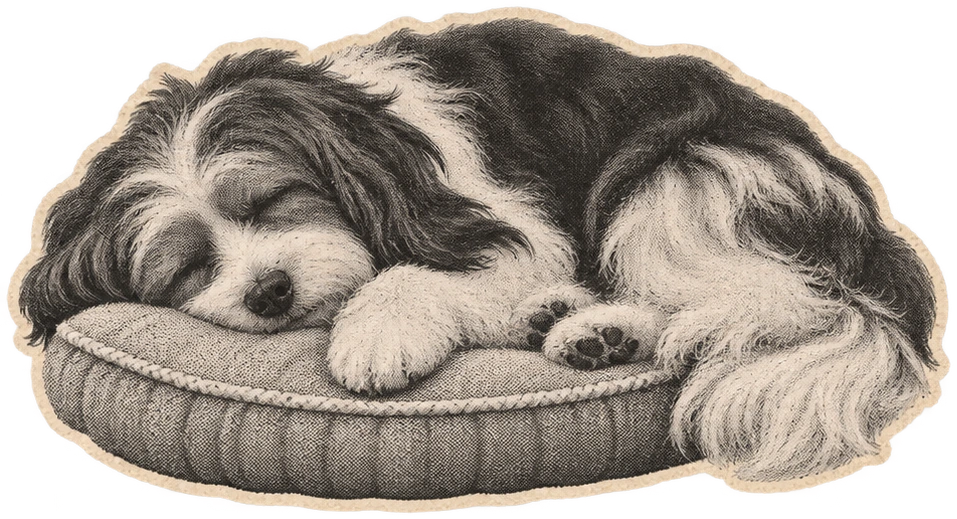
Create a quiet floor-level bed they can choose without crossing the busiest part of the room. If you use a mat for visitors, keep an everyday bed that doesn’t mean somebody is about to ring the bell. Put a runner down if the dog regularly slips at the turn to their water. 18 20 25
For alone-time practice, use somewhere the dog already feels comfortable. If a door or gate makes them more worried, start with smaller changes while you’re still nearby rather than shutting them out for longer. A camera can help you see whether the setup is actually working. 4 7 18
Havanese notes / 08
Somewhere to rest
Let the dog finish saying hello
Instead of asking every visitor to lean down, have them give the dog room and let the dog approach if they want. Children and dogs need active adult supervision, even with a small companion dog. Don’t lift the dog into someone’s arms to finish an introduction they’ve already walked away from. 16 19 26
Make introductions to a cat or another dog gradual. Give each animal somewhere they can withdraw without being followed, and separate food or prized toys if either is worried. Tail movement alone doesn’t tell you the whole conversation. 19 27 28 29
Keep the eye dates and knee questions separate
PDSA lists eye conditions including progressive retinal atrophy in Havanese. A 2023 study of mostly Nordic Havanese found associations with one subtype of cataract, posterior polar cataract, and highlighted why the age at eye examination matters. That isn’t a current UK prevalence figure, a ready-made test for the breed or an explanation for every cloudy eye. If the dog is suddenly squinting, holding an eye shut or showing a sudden vision change, contact the vet promptly. 3 10 30 31
For breeding dogs the Royal Kennel Club’s Good Practice is the BVA/RKC/ISDS Eye Scheme. Best Practice adds elbow screening. Separately, the Havanese Club of Great Britain recommends its own patella check; the Havanese Breed Society UK also advocates hip screening, but that is not in the current RKC tier. Ask for named, dated results and discuss what is appropriate for the line with your vet. 1 32 33 34 35 36
The Dogs Trust UK 2024 table estimates a median lifespan of 14.5 years from 381 Havanese records, including 56 deaths. The table doesn’t show an upper confidence limit. There’s information there, but it isn’t precise enough to treat as a forecast for any individual dog. 37 38
Havanese notes / 10
Health conditions and screening
| Health question | Useful answer |
|---|---|
| A sore or suddenly changed eye? | Contact your vet promptly rather than relying on a screening result. 10 30 |
| What is RKC Good Practice? | Eye screening under the BVA/RKC/ISDS scheme. 1 32 34 |
| What is added in Best Practice? | BVA/RKC elbow screening. 1 32 36 |
| What’s the patella check? | A separate breed club scheme; ask to see the result for the actual dog. 11 33 |
| What about hips? | A UK breed society advocates screening, distinct from current RKC tiers. 32 35 |
| Repeated hopping or lameness? | Ask the vet to examine the dog; a skip can have different causes. 11 24 |
| What did the cohort say? | 14.5 years was the survival median estimated from that dataset. 37 38 |
Price the grooming routine, not just the first trim
Ask how often a groomer expects to see the dog for the coat you want to maintain. A cut that leaves the hair where it knots fastest may save little work at home. Leave some room in the budget for a groomer who can build trust if they’re already worried about paws or ears. 5 15 16 39
If you need a walker or daytime help, ask what they’ll do with a dog who is slow to settle when left. A short visit or a walk at the right pace may be more useful than a big group they can’t switch off in. Check what insurance actually covers and keep the vet’s details somewhere other people can find them. 7 39 40
Havanese notes / 11
Price the routine
| What might cost money | Decide first |
|---|---|
| Grooming | The cut, home work and interval that fit this dog. 5 15 |
| Vet and insurance | Local fees and any important restrictions on the cover. 39 |
| Help with a walk | Whether they can match the dog’s pace and comfort. 40 |
| Behaviour support | Who can help if short absences are already too much. 7 8 |
Cuba is the bit worth getting right
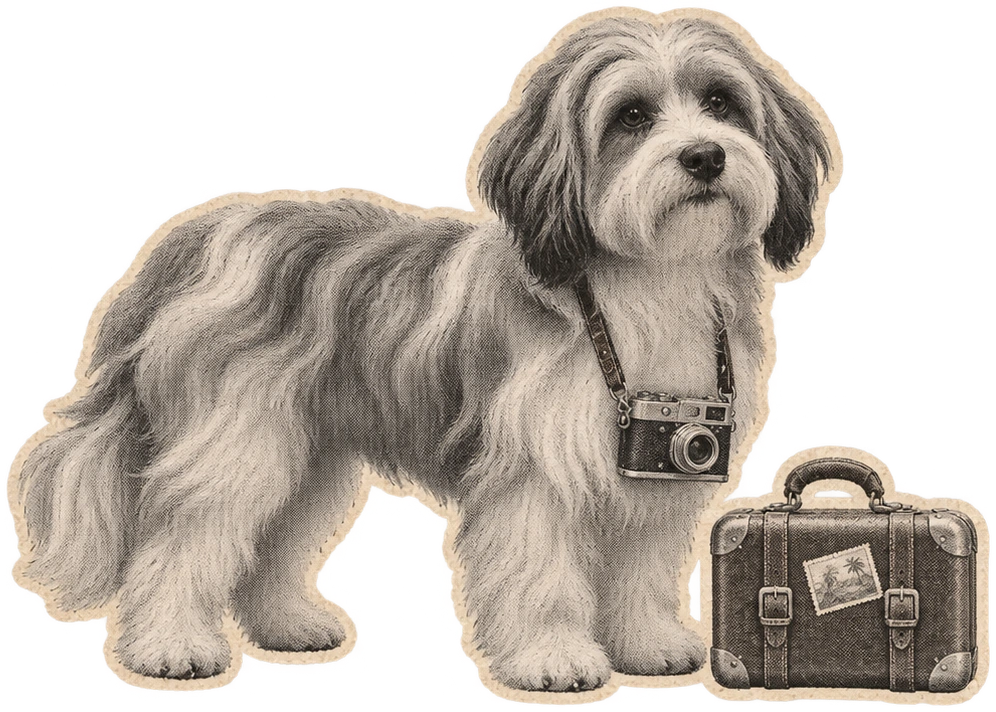
The Royal Kennel Club describes the Havanese as Cuba’s national dog and part of the Bichon family, with a probable link to Mediterranean dogs brought by traders. The FCI likewise gives Cuba as the country of origin and records a Western Mediterranean connection. The route and exact ancestors are historical accounts, not a pedigree you can draw for every living Havanese. 1 41
Havanese notes / 12
Cuban roots
| Detail | What it tells you |
|---|---|
| Cuban breed | The Havanese has a distinct identity even within the Bichon family. 1 41 |
| Mediterranean connection | Part of the breed’s historical account, not documented parents for an individual. 1 41 |
| Recognised toy breed | An established UK standard, not a requirement to sit on a lap all day. 1 2 |
Ask about the bits of the day nobody puts in the advert
For rescue, ask how the dog is groomed now, what they do when left, and how they get on meeting new people. See whether they can settle when nothing’s being offered to them. If you’re buying a puppy, see the litter with its mother where they’re raised and ask for dated eye and elbow records for parents, alongside any separate breed club checks. 4 16 32 33 42 43 44
With a dog already at home, make the next thing easier rather than trying to fix the whole week at once. Sometimes that’s practising a door closing for a few seconds. Sometimes it’s paying someone who knows the coat to sort one painful mat first. 4 5 7 16
Havanese notes / 13
Ask about a day
| Ask about | Why it helps |
|---|---|
| Time on their own | Find out the longest ordinary spell they currently manage comfortably. 4 7 43 |
| Coat handling | Keep the parts of their current routine that are already easy. 5 16 |
| Named and dated screening | See what was tested, who did it and when. 32 33 42 |
| A calm introduction | Watch the dog meet people without making them stay in the middle of it. 16 19 43 |
Sources
- S1Royal Kennel Club Havanese breed profile, history and contemporary tier detailSource · checked 21 November 2026
- S2Royal Kennel Club Havanese breed standard, 23–28 cm and coatSource · checked 21 November 2026
- S3PDSA veterinary Havanese health and everyday careSource · checked 21 November 2026
- S4Dogs Trust introducing time alone, using a recordingSource · checked 21 November 2026
- S5PDSA veterinary grooming and coat maintenanceSource · checked 21 November 2026
- S6Dogs Trust harness fitting and checking free movementSource · checked 21 November 2026
- S7Dogs Trust identifying and getting help for separation distressSource · checked 21 November 2026
- S8Dogs Trust qualified behavioural and training supportSource · checked 21 November 2026
- S9Dogs Trust enriching ordinary walks with sniffing and different surfacesSource · checked 21 November 2026
- S10PDSA veterinary guidance for painful eyesSource · checked 21 November 2026
- S11PDSA slipping kneecap signs, assessment and Yorkshire Terrier contextSource · checked 21 November 2026
- S12Royal Kennel Club separate Bichon Frise breed standardSource · checked 21 November 2026
- S13Royal Kennel Club separate Coton de Tulear breed standardSource · checked 21 November 2026
- S14PDSA body condition at homeSource · checked 21 November 2026
- S15Havanese Club of Great Britain long coat and grooming contextSource · checked 21 November 2026
- S16Dogs Trust building comfort with handlingSource · checked 21 November 2026
- S17PDSA veterinary guidance on grass seeds and pawsSource · checked 21 November 2026
- S18Dogs Trust building settling skillsSource · checked 21 November 2026
- S19Dogs Trust canine body languageSource · checked 21 November 2026
- S20Dogs Trust calm doorway trainingSource · checked 21 November 2026
- S21Dogs Trust recall and long-line trainingSource · checked 21 November 2026
- S22PDSA tailoring activity to age and conditionSource · checked 21 November 2026
- S23Dogs Trust safe outings in hot weatherSource · checked 21 November 2026
- S24PDSA veterinary guidance for a new or persistent limpSource · checked 21 November 2026
- S25Canine Arthritis Management veterinary access and safe flooring guidanceSource · checked 21 November 2026
- S26Dogs Trust children and dog supervisionSource · checked 21 November 2026
- S27Dogs Trust safer dog and cat introductionsSource · checked 21 November 2026
- S28Dogs Trust introductions to another dogSource · checked 21 November 2026
- S29Dogs Trust resource guarding and separate feedingSource · checked 21 November 2026
- S30PDSA veterinary cataract guidanceSource · checked 21 November 2026
- S31Bellamy and Lingaas 2023 original Havanese cataracts association studySource · checked 21 November 2026
- S32Royal Kennel Club live central Health Standard and Basset Hound tier rowSource · checked 21 November 2026
- S33Havanese Club of Great Britain breed club screening and patella checkSource · checked 21 November 2026
- S34Royal Kennel Club BVA/RKC/ISDS Eye Scheme and screening limitsSource · checked 21 November 2026
- S35Havanese Breed Society UK explanation and separate hip advocacySource · checked 21 November 2026
- S36Royal Kennel Club elbow dysplasia screening informationSource · checked 21 November 2026
- S37Dogs Trust 2024 study table, Lakeland row and countsSource · checked 21 November 2026
- S38McMillan et al. original UK dog longevity studySource · checked 21 November 2026
- S39PDSA dog ownership costs and insuranceSource · checked 21 November 2026
- S40Dogs Trust finding a suitable walkerSource · checked 21 November 2026
- S41FCI international Havanese entry and Cuban originSource · checked 21 November 2026
- S42Royal Kennel Club health results finderSource · checked 21 November 2026
- S43Dogs Trust settling a rescue dogSource · checked 21 November 2026
- S44RSPCA buying a puppy and seeing mother with the litterSource · checked 21 November 2026
