
Breed guide / Field Spaniel
Living with a Field Spaniel
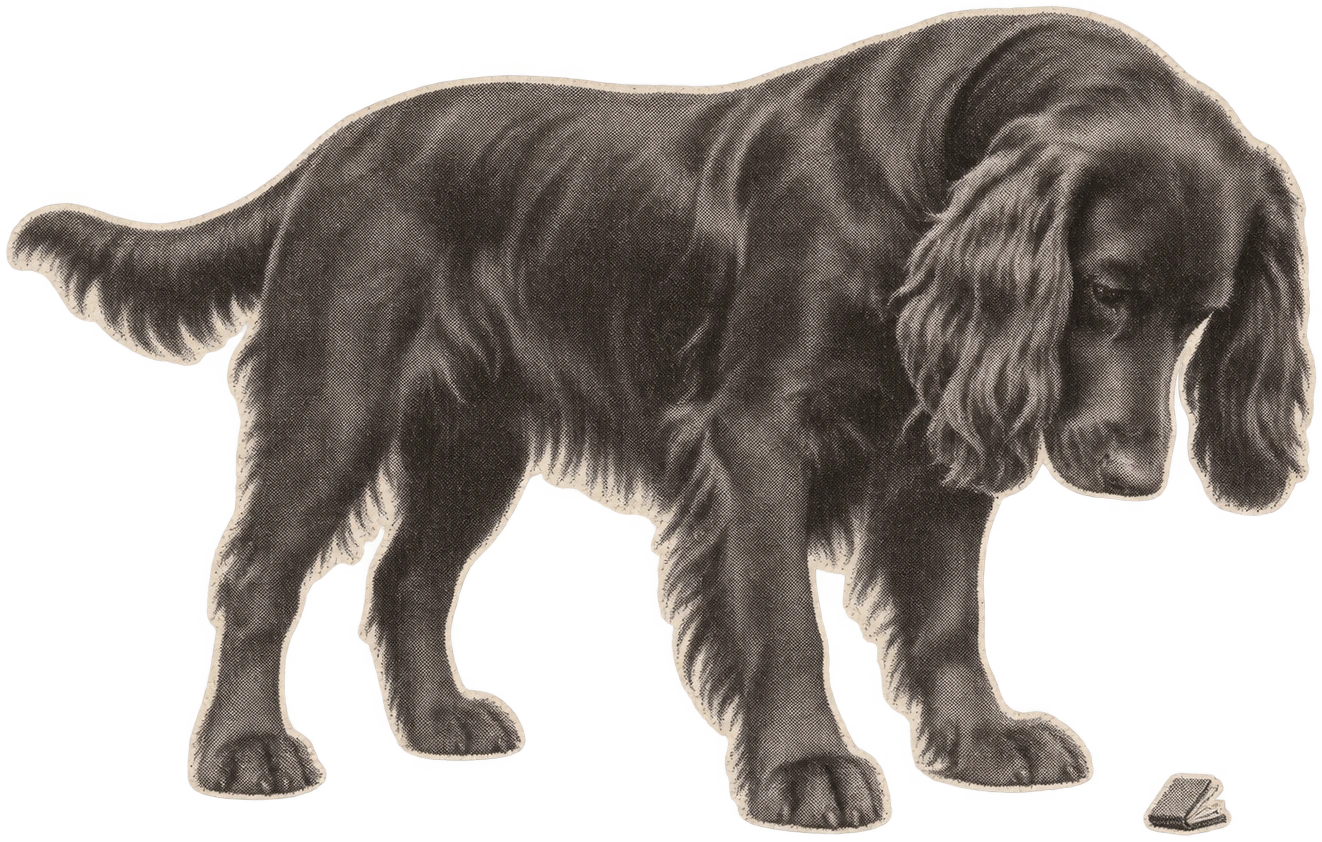
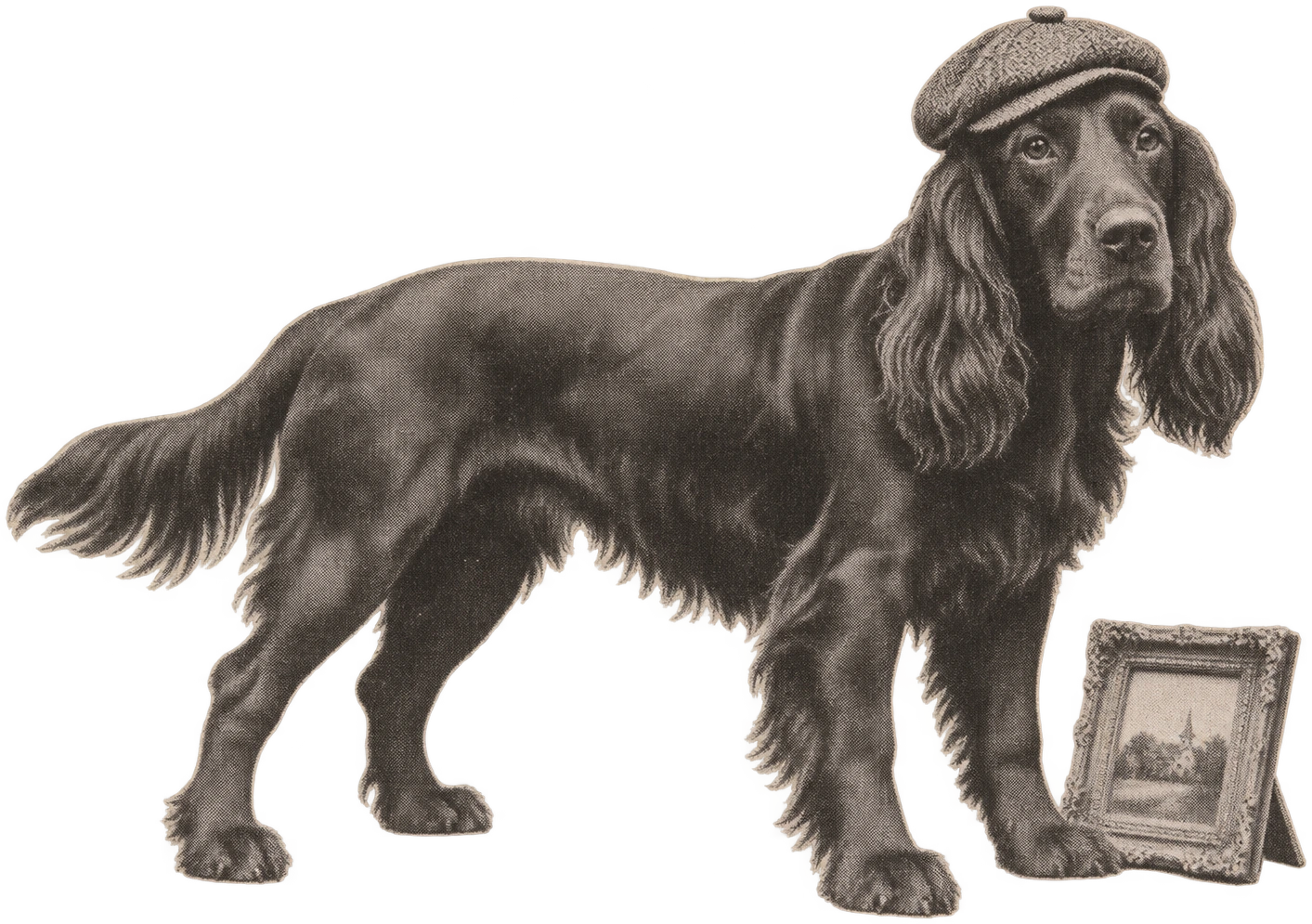
The Field Spaniel is its own British gundog, with a long, sturdy body, a silky coat and low-set ears. It isn’t what you call a Cocker that works in a field. A Field may have their nose down for most of a walk and still want to know what you’re doing with the shopping when you get home. Give them a proper chance to sniff, a way to settle afterwards and a quick check under those ears when they’ve been out in the wet. 123172425
Jump to a section
The short version
Put some sniff time into an ordinary walk rather than making the whole thing a march to the park. Pick a spot with room to turn, and teach a return from things the dog can actually leave. Use a shorter lead before the narrow bit of path or the livestock gate; that’s easier than trying to take up ten metres of line when you’ve already got company. 8 15 23 24 27
Give the ears a look after wet or rough walks and comb the places that catch debris. An ear that suddenly hurts, smells different or keeps setting off head shaking is for the vet, not something to explore with a cotton bud. 17 18 19 37
Field Spaniel notes / 01
Where to start
| Start here | What to do |
|---|---|
| Sniff time | Leave space to stop and smell without blocking the path. 23 24 |
| End a search | Put the game away and give the dog an easy way to settle. 11 25 |
| Ears and feet | Look and feel gently for damp, debris or a sore spot. 17 18 19 |
| Recurring stiffness | Notice when it happens and get it checked. 29 39 |
“Field” is the name, not the job description
The Royal Kennel Club lists Spaniel (Field) as a separate breed. Working Cocker and working Springer are descriptions of lines or work within other breeds; they don’t become Field Spaniels because they do the same sort of job. The Field is on the RKC’s Vulnerable Native Breeds list. That designation is about registrations, not how well one particular dog suits the household. 1 2 9 12 14
Field Spaniel notes / 02
Check the name
Longer in the body than the head shot suggests
The UK standard lists about 46 cm at the shoulder and 18–25 kg. Those are reference figures, not a target weight. Make sure the dog can turn and lie naturally in their car setup, and check a harness while they walk and bend to sniff. The body should be measured where straps rest, not at the thickest part of the feathering. 2 4 15 16
Field Spaniel notes / 03
Measure yours
The bit under the ear deserves a look
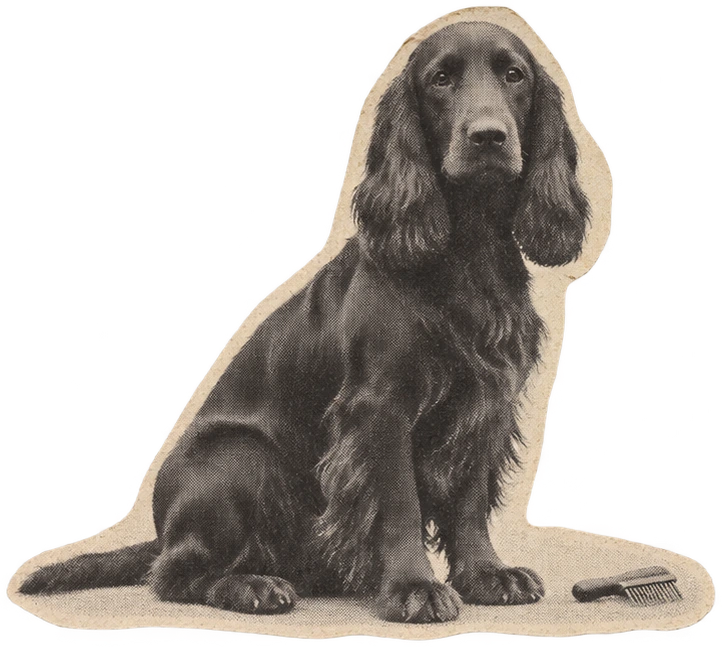
The Field’s long silky coat is usually flatter on the body than the fringe makes you think. Check the hair beneath the ears, along the belly and around the feathered legs. A towel and a short comb when the dog’s comfortable are better than trying to sort out the whole lot once it’s knotted. Ask for help with tight mats before they start pulling on skin. 2 3 5 17 20
After rough grass, check feet and visible outer ears for seeds or irritation. If head shaking starts suddenly and doesn’t quit, or a foot is sore and being licked, let the vet check it. A clean-looking outer ear doesn’t rule out a problem farther in. 18 19 37
Field Spaniel notes / 04
Look under the ears
| Where | Care that helps |
|---|---|
| Under the ears | Check for tangled hair and damp at skin level. 5 17 |
| Long hair on legs and belly | Comb small sections and check that nothing’s caught. 5 17 |
| Toes after grass | Look at visible skin without probing a sore area. 18 19 |
| Ear pain, new smell or discharge | Arrange a vet check; don’t push anything into the canal. 19 37 |
Check whether the dog wants company or needs help
If your Field settles on the kitchen floor while you’re busy, they may simply like being nearby. If they start pacing or barking when you leave, record what happens instead of guessing from how pleased they are when you get back. Repeated distress needs support, not a series of longer outings without them. 6 7 22 25
For visitors, let the dog move away from attention. Reward coming back or investigating by choice instead of asking someone to follow the dog round the room with a treat. 11 20 21
Field Spaniel notes / 05
Let them switch off
Teach a search you can finish
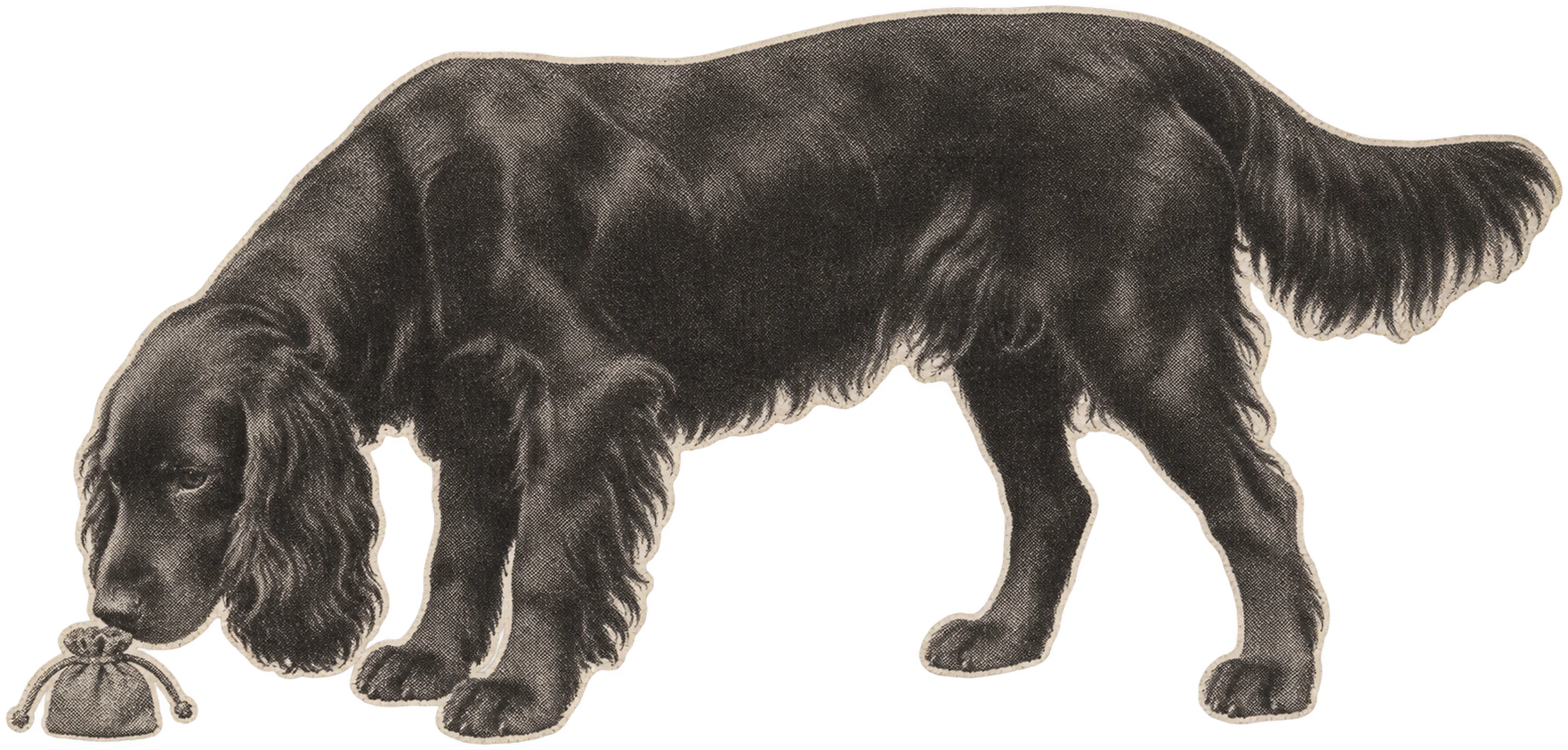
Put part of the normal food ration or a familiar toy somewhere easy to find. Reward a return after the search and occasionally let the dog go back out and continue, so coming to you doesn’t always cancel the sniff. When you’re done, clear the clues and move to a quiet spot. Start in the garden or at home, not in the same bramble patch they’ve been trying to reach all month. 11 23 24 25
Don’t make exercise a daily tug of war
A longer walk is not the only way to make an outing useful. Change pace, build in sniffing and let a fit adult explore where it’s safe. Keep control around livestock and wildlife, and change direction at a distance if a tight path gives the dog no chance to pass comfortably. A long line is for suitable open ground and a well-fitting harness; skip it on the crowded stretch. 8 15 21 23 26 27
Field Spaniel notes / 07
Look ahead
| What you’re up against | Better choice |
|---|---|
| Walk with time to spare | Include stretches where the dog can slow down without getting in the way. 24 26 |
| Livestock or narrow access | Shorter lead and an early route change if needed. 8 23 27 |
| Heat, currents or algae | Use cooler times and choose dry routes around suspect water. 13 28 |
| A new recurrent limp | Let the vet assess it rather than trying to walk it off. 26 29 |
Put the towel somewhere you can reach
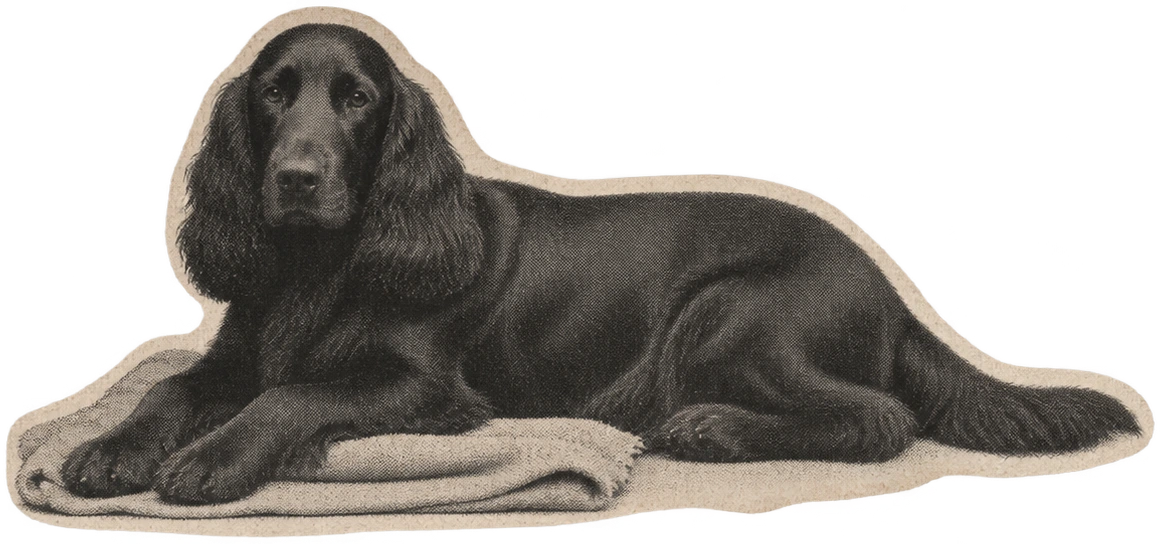
Have a spot at the door with good footing and enough space to check a foot while the dog’s relaxed. Decide where the dog can go afterwards. The bed doesn’t need to be close enough for you to see it from every room, especially if everybody steps round it to make tea. 20 25 30 31
Set up introductions while everyone is still calm
With children, supervise and stop before a game gets frantic. With other animals, allow time and space to move off. Let the cat reach somewhere the dog can’t follow, and start without highly valued food or toys on the floor. If one animal gets chased every time they move, separate them and ask for help with a plan. 8 21 22 31 32 33 34
Field Spaniel notes / 09
Give them a way out
Health: ask for the report rather than the word “tested”
For breeding, the RKC Field Spaniel profile stresses genetic diversity in Good Practice. The central table does not list a breed-specific screening test in that column. Best Practice lists BVA/RKC hip and elbow screening and the BVA/RKC/ISDS eye scheme. Check both parents’ results separately. Don’t apply English Springer or Cocker test lists to a Field Spaniel. 1 9 12 35 36 38 39 46
The Field Spaniel Society’s 2023 survey is a useful record of what owners reported, not a random sample or the likelihood that your dog will develop a condition. The Dogs Trust UK study gave a median lifespan of 13.1 years, with an interval of 12.5–13.4 years and 136 recorded deaths. It describes a cohort, not how long a dog is guaranteed to live without health conditions. 40 41 43
Tell the vet about a limp that keeps coming back, or repeated shaking or an ear that hurts. Contact a vet urgently if the dog has a painful eye or sudden difficulty seeing. Previous screening doesn’t tell you what’s happening today. 29 37 42 45
Field Spaniel notes / 10
Health conditions and screening
| Health conditions and screening | What’s useful |
|---|---|
| Good Practice | Ask how family history and genetic diversity were considered. 1 35 |
| Hips and elbows | Check official results for each parent, not just a general claim. 1 35 38 39 |
| Eyes | Ask for the separate eye report and what it covers. 1 35 36 |
| Persistent limping | Note when you see it and get the dog assessed. 29 39 |
| Painful eye or sudden vision changes | Phone the vet urgently, regardless of earlier results. 42 45 |
| Breed society survey | Owner reports, not current UK disease prevalence. 43 |
| 13.1 years | Published UK sample median lifespan, not a prediction. 40 41 |
Budget for the boring stuff first
Check what a groomer would charge for the sort of maintenance your dog needs. If you’ll use a walker, ask where they go and how they manage a dog who enjoys hunting through rough cover. Vet contingency and insurance terms matter more than buying a matching set of leads. Look at the limits and exclusions before you need them. 10 17 23 44
Field Spaniel notes / 11
Price the coat
| Expense | Useful question |
|---|---|
| Dog walker | Does the plan suit a dog who may want nose time rather than pace? 10 23 |
| Grooming | What do they cover around the ears, legs and knots? 17 20 |
| Vet and insurance | Which costs are excluded, and what could you pay yourself? 44 |
| Outdoor kit | What fits and keeps the dog under control now? 15 |
A spaniel history, not a synonym
The Field has shared roots with other British spaniels. The RKC history records Sussex Spaniel influence and later outcrossing with other breeds, including Springers. The UK Field Spaniel Society was formed in 1923 with an interest in field trials. That history doesn’t turn a modern Cocker or Springer into a Field Spaniel, and it doesn’t require your own dog to do a trial. 1 3 9 12
Ask to see the everyday version
Ask what happens when the dog comes in wet, someone comes round or a walk is shorter than they expected. If you’re adopting, ask about time alone, ears and paws, and other animals. With a litter, meet the mother where the pups are raised and look at both parents’ actual health results. Someone giving you a clear example of how the dog settles is more useful than another picture of them standing nicely. 6 20 25 32 35 46 47
Field Spaniel notes / 13
Ask about a day
| Ask this | What to listen for |
|---|---|
| How does the dog walk? | Where they can be managed calmly and what happens around wildlife. 8 23 |
| What happens after a wet walk? | Whether the dog can rest and tolerate gentle checking. 17 20 25 |
| Can I read the reports for both parents? | Named eyes, hips and elbows results, not just “all clear”. 35 36 46 |
| Can I meet the mother with the litter? | See their usual surroundings and ask what they are getting used to. 47 |
Sources
- S1Royal Kennel Club official Field Spaniel profile and live tiersSource · checked 21 November 2026
- S2Royal Kennel Club Field Spaniel breed standardSource · checked 21 November 2026
- S3The Field Spaniel Society UK, formed 1923, breed club and historical purposeSource · checked 21 November 2026
- S4Dogs Trust safe and comfortable dog travel in a carSource · checked 21 November 2026
- S5PDSA veterinary grooming and coat maintenanceSource · checked 21 November 2026
- S6Dogs Trust introducing time alone, using a recordingSource · checked 21 November 2026
- S7Dogs Trust recognising and getting help for separation distressSource · checked 21 November 2026
- S8Dogs Trust safer handling around chasing and wildlifeSource · checked 21 November 2026
- S9Royal Kennel Club separate Cocker Spaniel breed entrySource · checked 21 November 2026
- S10Dogs Trust finding a suitable dog walkerSource · checked 21 November 2026
- S11Dogs Trust reward-based trainingSource · checked 21 November 2026
- S12Royal Kennel Club separate English Springer Spaniel profile and testsSource · checked 21 November 2026
- S13PDSA dog water safety, currents, exits and suspected algaeSource · checked 21 November 2026
- S14Royal Kennel Club Vulnerable Native Breeds and registration-based statusSource · checked 21 November 2026
- S15Dogs Trust harness fitting and checking free movementSource · checked 21 November 2026
- S16PDSA body condition at homeSource · checked 21 November 2026
- S17Blue Cross assessing and caring for coat, skin and matsSource · checked 21 November 2026
- S18PDSA home health check including feet and skinSource · checked 21 November 2026
- S19PDSA veterinary guidance on grass seeds and the signs at ears or pawsSource · checked 21 November 2026
- S20Dogs Trust building comfort with handlingSource · checked 21 November 2026
- S21Dogs Trust recognising and managing reactivitySource · checked 21 November 2026
- S22Dogs Trust sourcing qualified behavioural supportSource · checked 21 November 2026
- S23Dogs Trust recall and long-line trainingSource · checked 21 November 2026
- S24Dogs Trust safe enrichment and search gamesSource · checked 21 November 2026
- S25Dogs Trust building settling skillsSource · checked 21 November 2026
- S26PDSA tailoring dog exercise to the individualSource · checked 21 November 2026
- S27Natural England Countryside Code on keeping dogs under controlSource · checked 21 November 2026
- S28Dogs Trust safe outings in hot weatherSource · checked 21 November 2026
- S29PDSA veterinary guidance for limping and stiffnessSource · checked 21 November 2026
- S30Canine Arthritis Management veterinary access and safe flooring guidanceSource · checked 21 November 2026
- S31Dogs Trust children and dog supervisionSource · checked 21 November 2026
- S32Dogs Trust safer dog and cat introductionsSource · checked 21 November 2026
- S33Dogs Trust introductions to another dogSource · checked 21 November 2026
- S34Dogs Trust resource guarding and separate feedingSource · checked 21 November 2026
- S35Royal Kennel Club central live Health Standard exact Field Spaniel rowSource · checked 21 November 2026
- S36Royal Kennel Club BVA/RKC/ISDS Eye SchemeSource · checked 21 November 2026
- S37PDSA symptoms and veterinary assessment of ear problemsSource · checked 21 November 2026
- S38British Veterinary Association elbow scheme and official screeningSource · checked 21 November 2026
- S39British Veterinary Association/Royal Kennel Club hip scoring schemeSource · checked 21 November 2026
- S40Dogs Trust original UK longevity table exact Field Spaniel rowSource · checked 21 November 2026
- S41Primary 2024 McMillan UK longevity studySource · checked 21 November 2026
- S42PDSA veterinary red or swollen eyes guidanceSource · checked 21 November 2026
- S43Field Spaniel Society original 2023 owner survey and methodologySource · checked 21 November 2026
- S44PDSA costs and insuranceSource · checked 21 November 2026
- S45PDSA veterinary guidance on blindness or sudden loss of visionSource · checked 21 November 2026
- S46Royal Kennel Club health results finderSource · checked 21 November 2026
- S47RSPCA buying a puppy and seeing mother with the litterSource · checked 21 November 2026
