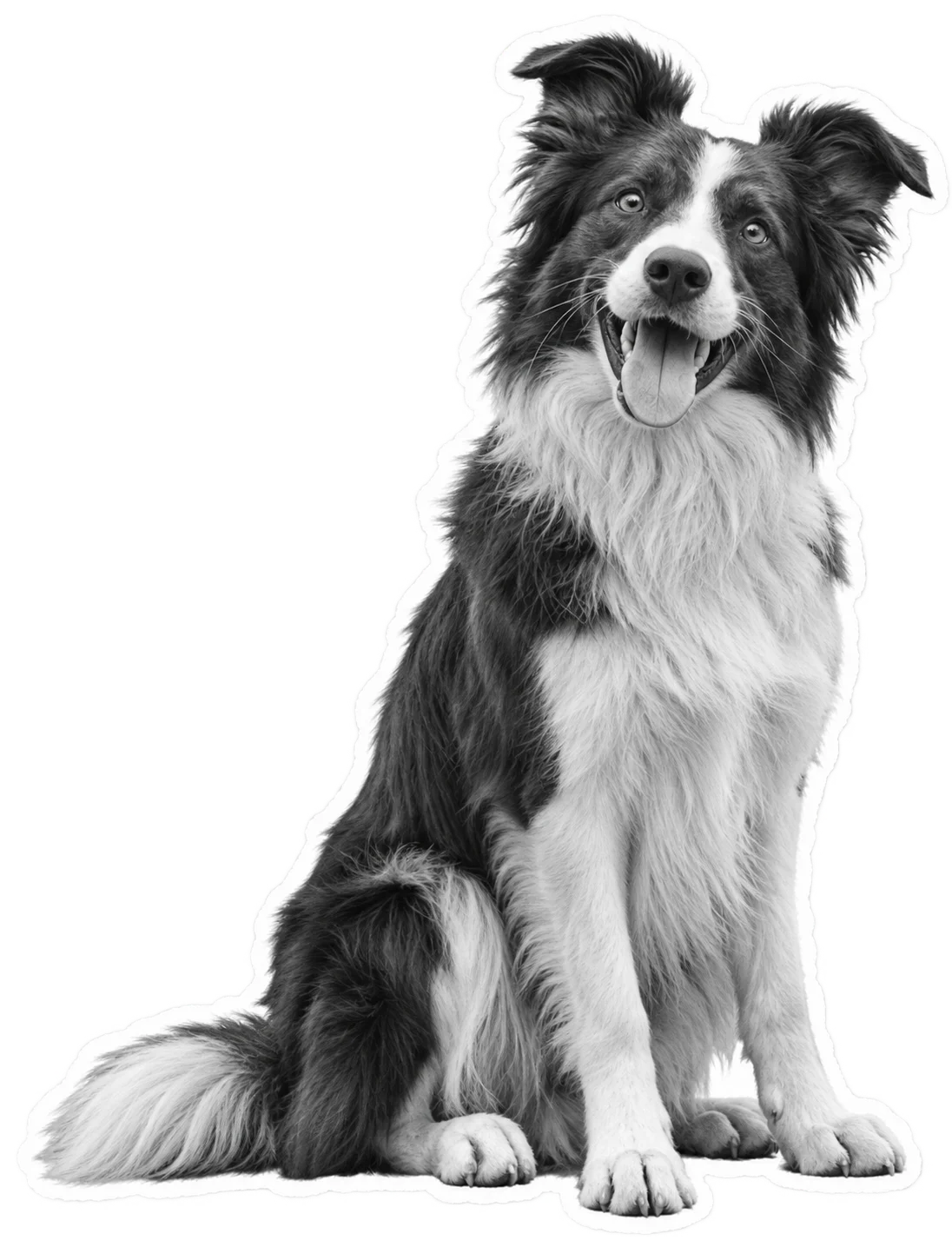
Breed guide / Doxiepoo
Living with a Doxiepoo
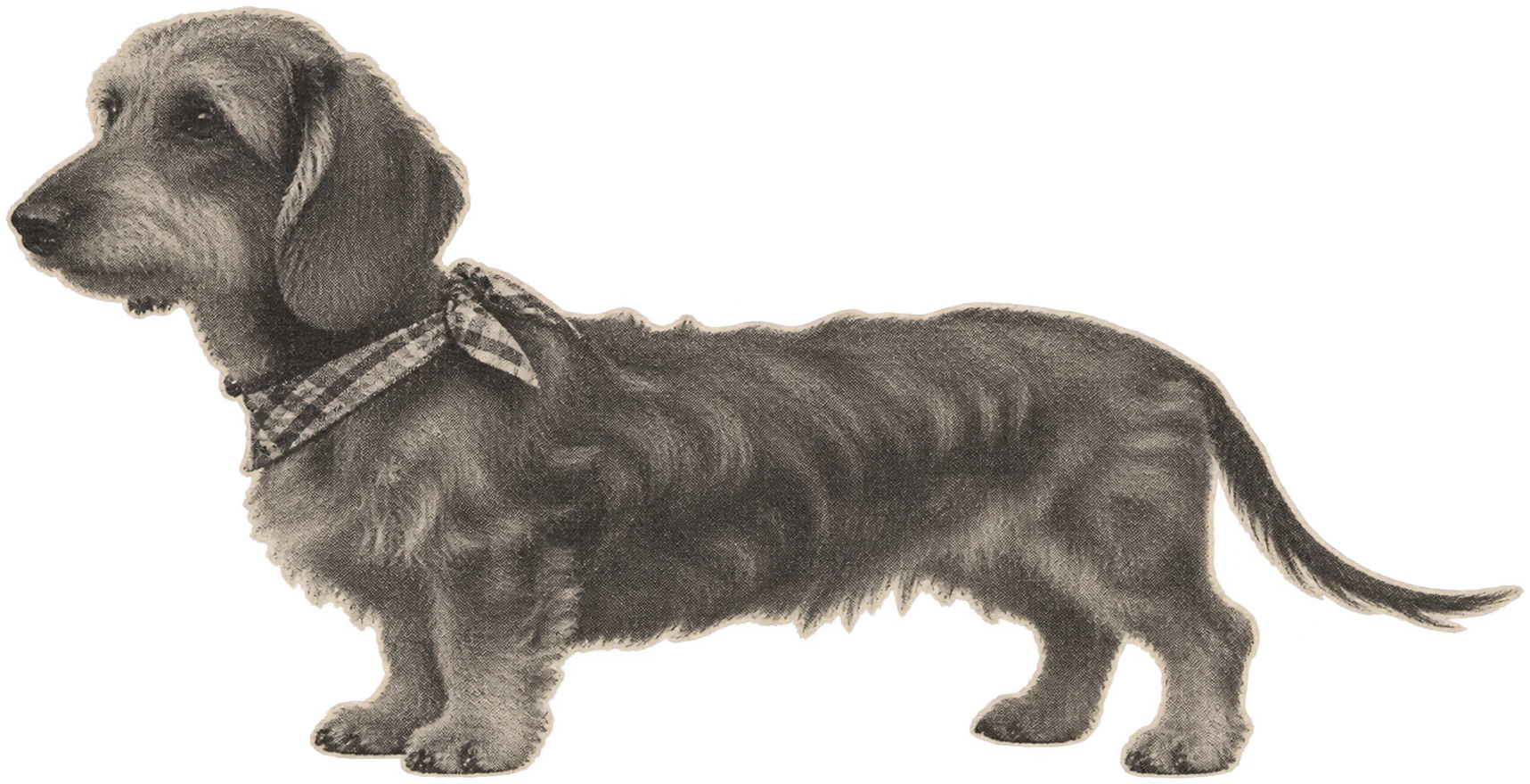
A Doxiepoo is a Dachshund crossed with a Poodle. That’s the name sorted, but not the length of the dog’s legs, how their coat behaves or what health checks the parents needed. If you already live with one, give their nose a job, find where they slip getting off the floor and get familiar with how they normally walk. A new wobble or a back that suddenly hurts needs a vet, not a guess about which parent they take after. 123243042
Jump to a section
The short version
Watch the dog crossing the floor, turning at the door and getting to bed. Give them better grip and a way to settle without repeatedly scrambling for a high spot. That’s about making their day easier, not making the house a guarantee against back trouble. 15 25 30 42
Notice how they normally walk. A new reluctance to move, a yelp when picked up or a change in the way they use their back legs needs advice. If they suddenly drag a leg, become very weak behind, can’t walk or are in severe pain, call an emergency vet immediately. Don’t ask them to do it again to check. 18 29 42 45
Doxiepoo notes / 01
Where to start
| Start here | What to do |
|---|---|
| Slippery corners | Put stable grip where they get up and turn. 30 |
| Movement | Learn the normal walk; get new stiffness, yelping or a limp checked. 29 42 |
| Wet coat | Look at the collar line, legs and beard to see what needs attention. 5 17 |
| Sudden weakness or severe pain | Call an emergency vet, and ask how to move them safely if needed. 42 45 |
Ask which Dachshund and which Poodle
Doxiepoo, Doxie-Poo and Doxiedoodle are names used for Dachshund × Poodle ancestry, not a Royal Kennel Club pedigree breed with a set standard. There are six UK Dachshund varieties: standard-size or Miniature and smooth, long or wire coat. The Poodle parent may be Toy, Miniature or Standard. Ask which parents are actually documented rather than using a photograph or a nickname to choose their testing list. 1 2 3 8 9 12 35
Fit kit to the whole dog, not just the neck
Some dogs with this ancestry are lower and longer than others. Measure the chest and check the harness when they move, lower their head and turn. Straps can look fine standing up and then travel into the front legs on a walk. Feel the ribs and waist through the coat, and use a safe travel setup that fits the dog rather than one inherited from a different dog. 4 15 16
Work out what the coat needs this week
It may be smooth, wavy, wiry or curly. Check the bits that get dragged through a verge or sit underneath a strap. If the coat knots easily, work in little sections and ask a groomer to show you how to check down to the skin. Don’t pull on a tight knot or cut close to a moving dog. 2 3 5 17 18 20
After long grass, check toes and visible outer ears, and get pain or sudden head shaking checked. No curl pattern or amount of shedding makes a dog allergy-free; if it matters to the household, get individual advice instead of trusting that promise. 10 17 19 37
Doxiepoo notes / 04
Check the coat
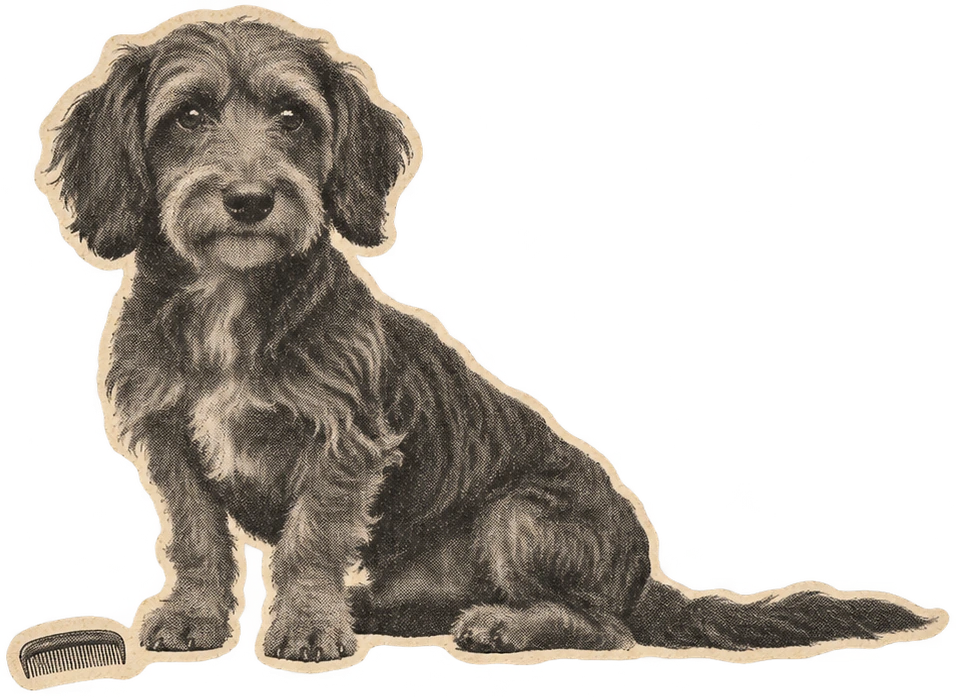
| Where | What helps |
|---|---|
| Armpits and straps | Check for rubbed skin, dampness or tangles. 5 15 17 |
| Beard and feet | Check after wet walks or grass, and use gentle short handling. 18 19 |
| Tight mat or sore spot | Get help instead of combing harder. 17 20 |
| Allergy claims | A low-shedding coat is not evidence a household member won’t react. 10 |
Separate excitement from discomfort
A dog who likes to investigate the room you’re in may still be fine alone. If they pace, bark or pant when you leave, get a short recording and make the next step easier, not longer. A dog who’s newly avoiding stairs, a touch or part of the walk may be telling you something hurts. Get it checked before treating it as a training problem. 6 7 20 22 29 42
Doxiepoo notes / 05
Let them switch off
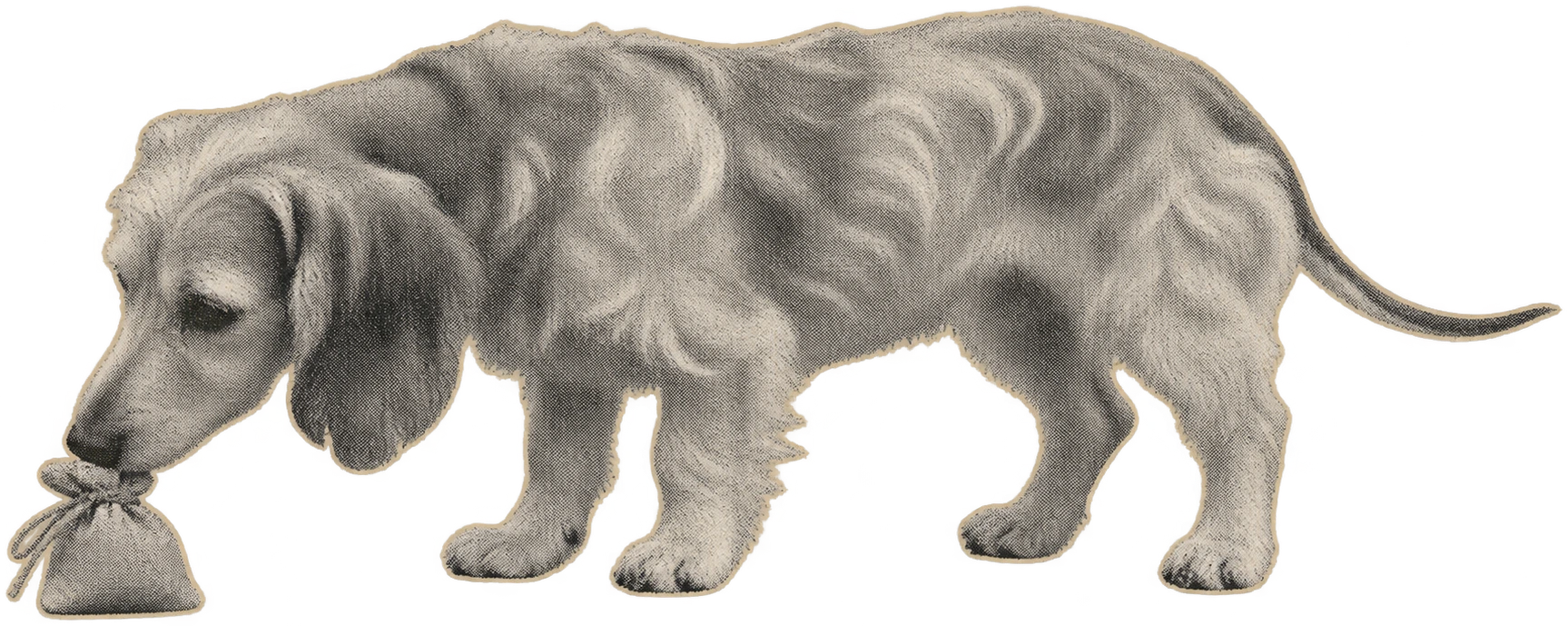
Keep easy searches at floor level
Put a few bits of their normal ration in safe spots they can reach without clambering. Start where it’s easy to find them. Call them back after one, reward the return, then sometimes let them go and look again. Teach a wait away from the door as a separate job. There’s no need to use furniture as an obstacle course to make training interesting. 11 23 24 25 30
Let a comfortable dog keep moving
Healthy dogs need regular movement, even if they’re low to the ground. Give a fit adult a steady route with room to sniff. Adjust for the dog’s age, weather and comfort. The Dachshund lifestyle survey doesn’t prove you should make a dog jump or use stairs to protect its spine. Equally, don’t turn a breed label into a ban on normal movement. If your vet gives activity advice for a painful or recovering dog, follow that individual plan. 13 23 26 28 38 42
Doxiepoo notes / 07
Look ahead
| Situation | Better call |
|---|---|
| Fit adult on a normal day | Regular easy movement with time to sniff. 23 24 26 |
| Very hot day | Make the route shorter or change the time. 28 |
| Recurring limp or stiffness | Ask the vet instead of trying to walk the dog through it. 29 42 |
| Sudden pain or weak back legs | Stop exercising and call the vet urgently. 42 45 |
Put the grippy mat at the corner they actually use
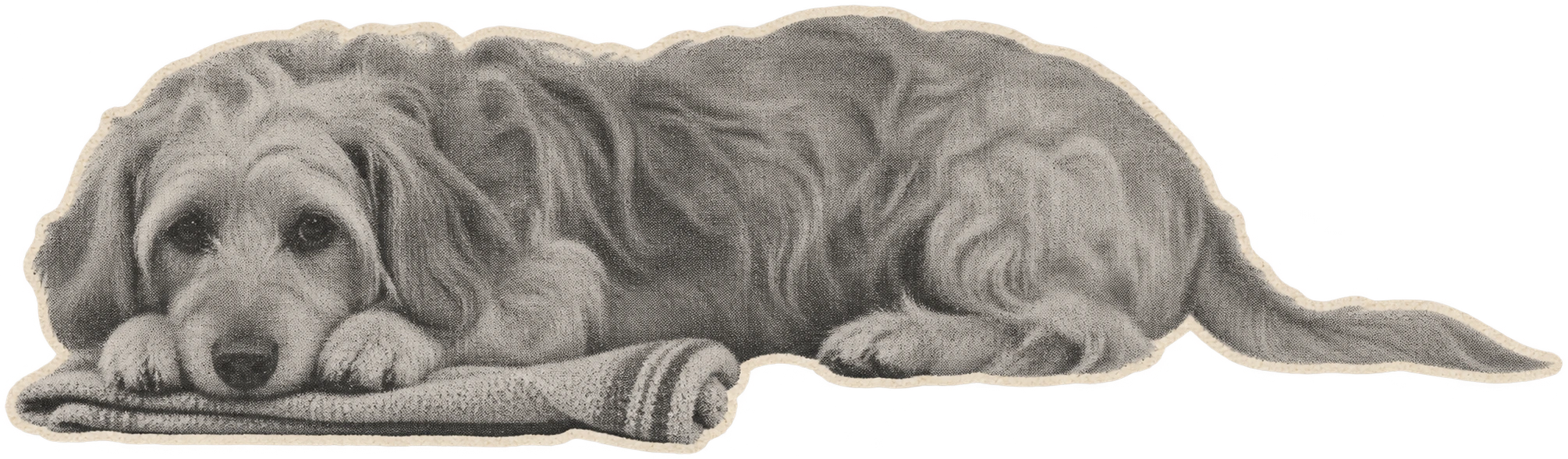
Give them a stable way to get to a low bed and clear clutter around the places they turn. If getting onto furniture is difficult, a low comfortable resting spot can be easier than making them keep trying. Don’t test steps, jumps or new equipment on a dog who’s just started showing pain. Check or change the setup with your vet if movement is already a problem. 20 25 30 42
Let the dog meet everybody on their own feet
Supervise children and stop them lifting, chasing or crowding the dog. People can sit down and let the dog come over. With other animals, leave a way apart, and keep food or favoured chews out of an introduction if they’re going to matter. If the dog becomes worried or fixated, separate and get help before trying again. 20 21 22 31 32 33 34
Health: read both parents’ records, not a generic panel
For breeding, RKC Good Practice lists the Dachshund IVDD X-ray scheme for all six varieties, plus Lafora DNA for Miniature Wire Haired. Additional Best Practice is eye screening for all six, with cord1-PRA DNA for the three Miniature varieties. A score can inform breeding choices; it isn’t a diagnosis or a lifetime promise for either parent or puppy. 2 35 36 39 46
On the Poodle side, Standard Best Practice lists rcd4-PRA, prcd-PRA and vWD1 DNA, eyes and hips. Miniature Best Practice lists OC and prcd-PRA DNA, eyes and hips. Toy lists prcd-PRA as Good Practice, with eyes and hips additional Best Practice. These are separate records for the documented varieties, not a single Doxiepoo health standard. 3 8 9 35 46
IVDD is disease of the discs in the spine. The DachsLife survey found associations in Dachshunds, but it didn’t measure risk in this cross or prove that changing one habit will stop it. Sudden hind-leg weakness, dragging, inability to walk or severe back pain need urgent veterinary attention. Do not try to manipulate the back or make them walk to prove it; phone for advice on safe movement. Neither parent’s lifespan figures tell us how long a Doxiepoo will live. 38 39 40 42 43 45
Doxiepoo notes / 10
Health conditions and screening
| Health conditions and screening | What’s useful |
|---|---|
| All six Dachshund varieties | IVDD X-ray Good Practice and eye screening additional Best Practice. 35 36 39 |
| Miniature Dachshunds | Additional cord1-PRA Best on all three; Lafora Good for the Miniature Wire Haired. 35 39 |
| Standard or Miniature Poodle | Check the exact named variety’s DNA, eye and joint results. 3 8 35 |
| Toy Poodle | prcd-PRA Good; eye and hip results additional Best. 9 35 |
| Acute back pain or weak, dragging legs | Call a vet urgently and ask how to move them safely. 42 45 |
| Evidence about daily activity | Dachshund associations don’t establish what prevents IVDD or how often the cross develops it. 38 43 |
| Lifespan | A parent-breed figure is not a cross estimate. 1 40 |
Plan for practical care, not a fixed “small dog” price
Ask a groomer what the individual coat needs and whether they’ll pause if the dog is uncomfortable. Think about vet contingency and read insurance exclusions, including what they do about prior back symptoms. If you’ll need a walker, ask whether they can adjust the route and follow the dog’s individual exercise advice if it changes. 14 17 26 44
Doxiepoo notes / 11
Price the coat
| Expense | Good question |
|---|---|
| Grooming | What have you included for this coat and handling? 17 20 |
| Vet and insurance | What would I pay if a problem is excluded or there’s an excess? 44 |
| Walker or care | Can they adjust activity and take changes in movement seriously? 14 26 |
| Home and travel | Does the actual dog fit safely and move comfortably? 4 15 |
Different parents, different backgrounds
The Dachshund has a hunting background. The Standard Poodle’s history includes retrieving from water. Those are two bits of history, not a prediction that the cross wants to dig up the garden or jump into the local lake. Try a safe simple search and see what the dog in front of you actually enjoys. 1 2 3 12 24
Doxiepoo notes / 12
Parent names
Find out what the dog does on an ordinary day
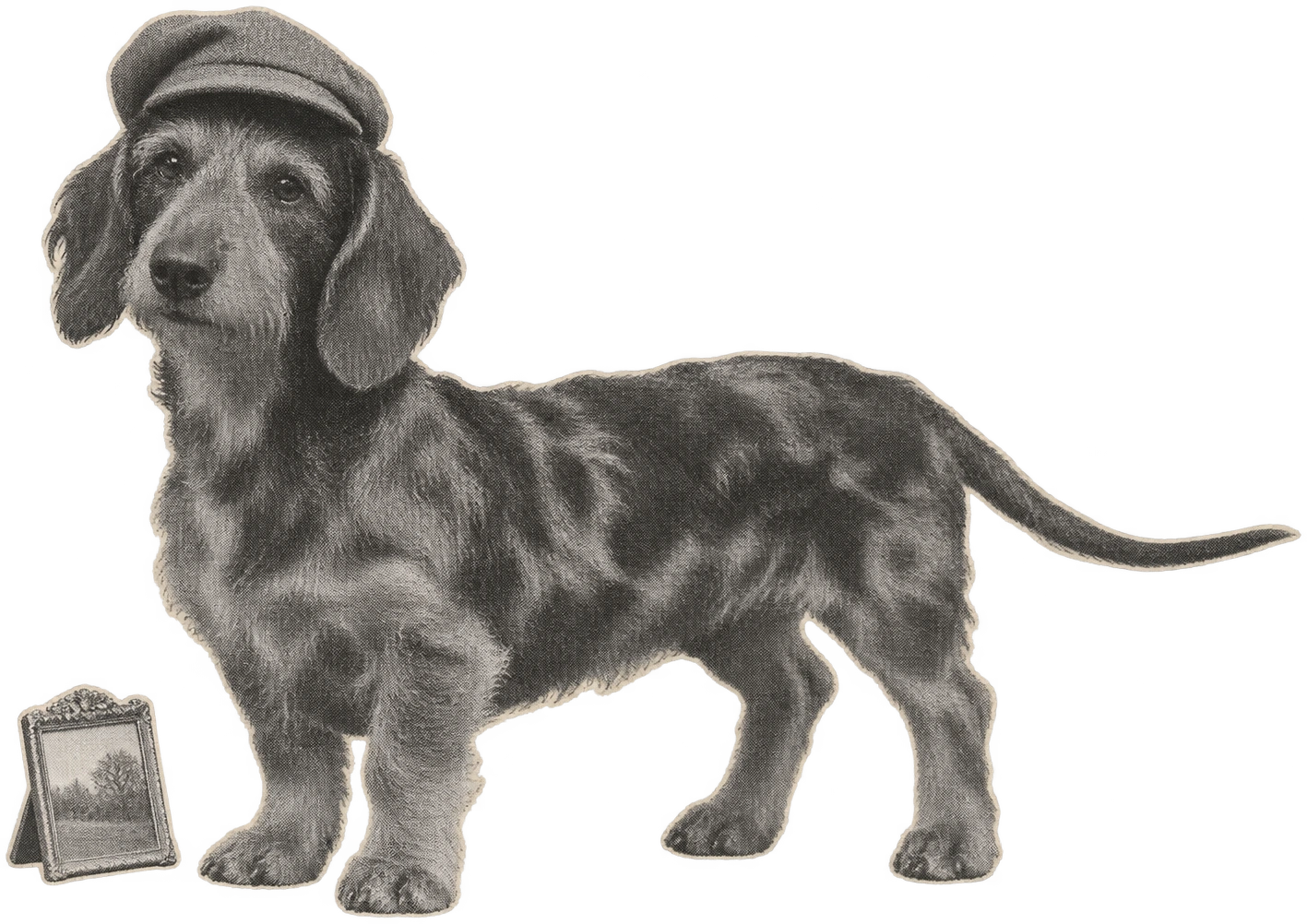
If adopting, ask about normal movement, brushing, time alone and any previous pain or veterinary advice. If you’re considering a puppy, meet it with its mother where it’s being raised and ask for the parent records and what any results actually cover. If nobody knows the ancestry, leave it as unknown and work with the dog in front of you. 6 17 20 35 42 46 47
Doxiepoo notes / 13
Ask about a day
| Ask this | What helps |
|---|---|
| Any history of pain or stiffness? | Specific examples and any vet guidance, not “they’re just like that”. 29 42 |
| How does the coat behave? | See what the dog tolerates and where they need help. 5 17 20 |
| Can I read parent results? | Exact varieties, original results and clear gaps if something isn’t known. 35 46 |
| Can I meet the litter with their mother? | See how and where they’re raised. 47 |
Sources
- S1Independent US Designer Kennel Club terminology for Doxie-Poo/Doxiedoodle, naming onlySource · checked 21 November 2026
- S2Royal Kennel Club full standards directory, six Dachshund entries and separate Poodle varietiesSource · checked 21 November 2026
- S3Royal Kennel Club Standard Poodle history and health testsSource · checked 21 November 2026
- S4Dogs Trust safe dog travel in the carSource · checked 21 November 2026
- S5PDSA veterinary grooming and coat maintenanceSource · checked 21 November 2026
- S6Dogs Trust introducing time alone, using a recordingSource · checked 21 November 2026
- S7Dogs Trust recognising and getting help for separation distressSource · checked 21 November 2026
- S8Royal Kennel Club Miniature Poodle separate health standardSource · checked 21 November 2026
- S9Royal Kennel Club Toy Poodle separate health standardSource · checked 21 November 2026
- S10American College of Allergy, Asthma and Immunology on dog allergens and low-shedding claimsSource · checked 21 November 2026
- S11Dogs Trust reward-based trainingSource · checked 21 November 2026
- S12Royal Kennel Club Dachshund (Smooth Haired) historic parent background and varietySource · checked 21 November 2026
- S13Dachshund Health UK age-appropriate exercise and evidence advice for DachshundsSource · checked 21 November 2026
- S14Dogs Trust finding a suitable dog walkerSource · checked 21 November 2026
- S15Dogs Trust harness fitting and checking free movementSource · checked 21 November 2026
- S16PDSA body condition at homeSource · checked 21 November 2026
- S17Blue Cross assessing and caring for coat, skin and matsSource · checked 21 November 2026
- S18PDSA home health check including feet and skinSource · checked 21 November 2026
- S19PDSA veterinary guidance on grass seeds and the signs at ears or pawsSource · checked 21 November 2026
- S20Dogs Trust building comfort with handlingSource · checked 21 November 2026
- S21Dogs Trust recognising and managing reactivitySource · checked 21 November 2026
- S22Dogs Trust sourcing qualified behavioural supportSource · checked 21 November 2026
- S23Dogs Trust recall and long-line trainingSource · checked 21 November 2026
- S24Dogs Trust safe enrichment and search gamesSource · checked 21 November 2026
- S25Dogs Trust building settling skillsSource · checked 21 November 2026
- S26PDSA tailoring dog exercise to the individualSource · checked 21 November 2026
- S27Natural England Countryside Code on keeping dogs under controlSource · checked 21 November 2026
- S28Dogs Trust safe outings in hot weatherSource · checked 21 November 2026
- S29PDSA veterinary advice on limping and stiffnessSource · checked 21 November 2026
- S30Canine Arthritis Management veterinary access and safe flooring guidanceSource · checked 21 November 2026
- S31Dogs Trust children and dog supervisionSource · checked 21 November 2026
- S32Dogs Trust safer dog and cat introductionsSource · checked 21 November 2026
- S33Dogs Trust introductions to another dogSource · checked 21 November 2026
- S34Dogs Trust resource guarding and separate feedingSource · checked 21 November 2026
- S35Royal Kennel Club current exact parent variety rows in central Health StandardSource · checked 21 November 2026
- S36Royal Kennel Club BVA/RKC/ISDS Eye SchemeSource · checked 21 November 2026
- S37PDSA symptoms and veterinary assessment of ear problemsSource · checked 21 November 2026
- S38DachsLife original Dachshund cross-sectional lifestyle and IVDD surveySource · checked 21 November 2026
- S39Royal Kennel Club and Dachshund Health UK X-ray screening for all Dachshund varietiesSource · checked 21 November 2026
- S40Dogs Trust original UK named-breed longevity table; not an estimate of this crossSource · checked 21 November 2026
- S41Original McMillan UK longevity studySource · checked 21 November 2026
- S42PDSA veterinary guidance on IVDD signs, diagnosis and urgencySource · checked 21 November 2026
- S43Dachshund Health UK current UK parent scheme and tier summarySource · checked 21 November 2026
- S44PDSA costs and insuranceSource · checked 21 November 2026
- S45PDSA veterinary guidance on moving a dog with suspected back injurySource · checked 21 November 2026
- S46Royal Kennel Club health results finderSource · checked 21 November 2026
- S47RSPCA buying a puppy and seeing mother with the litterSource · checked 21 November 2026