
Breed guide / Coton de Tulear
Living with a Coton de Tulear
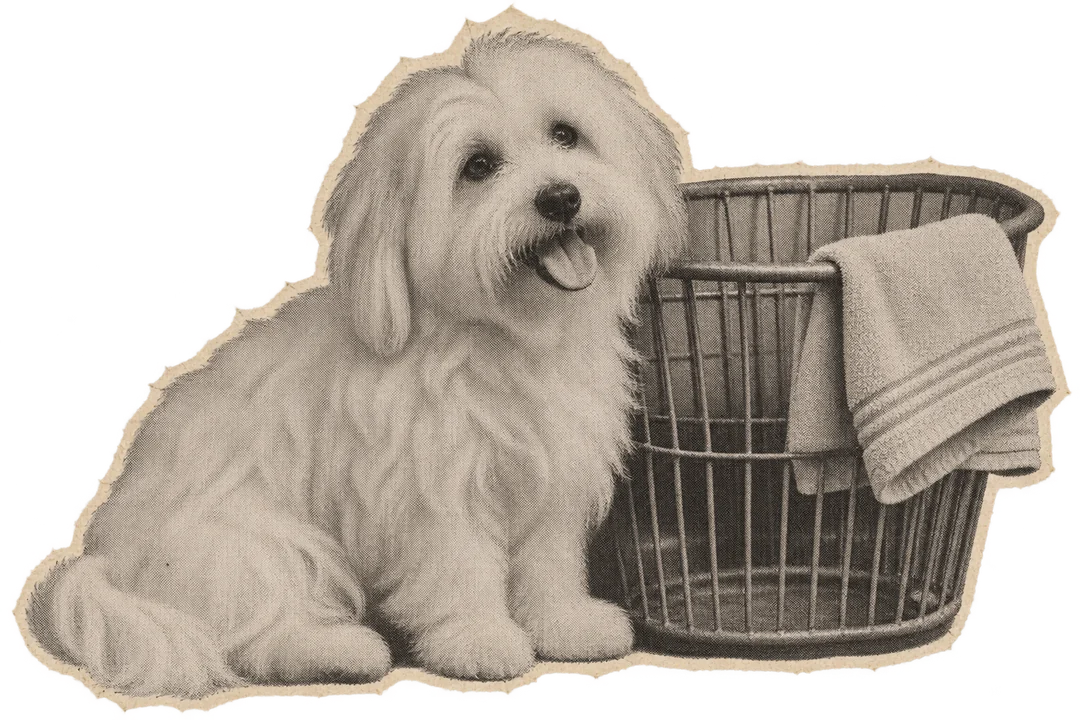
The Coton de Tulear is a small companion dog from Madagascar with hair that feels more like cotton than a Poodle’s tight curl. That coat is lovely until the bit under the collar starts knitting itself together. Get to know what the hair feels like at the roots, and give the dog a say in when you stop combing. It’ll make life easier for both of you. 1234
Jump to a section
Get a comb to the roots
Part a small section with your fingers so you can see the skin. Work through the section gently instead of smoothing the top and calling it done. Start behind the ears and in the places where kit rubs. If you find a tight mat, especially close to thin skin, leave the scissors in the drawer and ask a groomer. 345
Coton de Tulear notes / 01
Field notes
| What you find | What to do |
|---|---|
| Top looks smooth, comb stops underneath | Part a smaller section and check it before pulling. 34 |
| Same knot where the harness sits | Check the fit, keep tabs on that spot and ask your groomer what would make it easier. 346 |
| Skin is sore or the dog starts guarding the area | Stop grooming there and ask your vet. 45 |
What makes a Coton a Coton?
Coton de Tulear notes / 02
Field notes
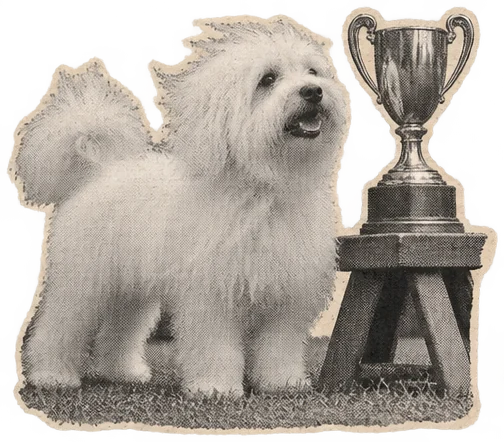
The Royal Kennel Club puts the Coton in the Toy group. Its standard describes a mostly white, slightly longer-than-tall dog with dark pigmentation, drop ears and a coat without a woolly undercoat. A little wave fits the description; tight curls don’t. The Maltese and Bichon Frisé are their own breeds, not alternate names for a Coton. 178
The show coat isn’t the only conversation
Coton de Tulear notes / 03
Field notes
Show guidance describes a natural coat with only feet tidied. For day-to-day care, ask a breed-experienced groomer what you can comfortably maintain on your dog and what to do about existing knots. If you use a towel after a wet outing, gently blot rather than scruffing everything up. If the dog is heading for the sofa, check the fringe and feet before the sofa finds out how muddy it is. 1345
Don’t make the brush a hostage situation
Coton de Tulear notes / 04
Field notes
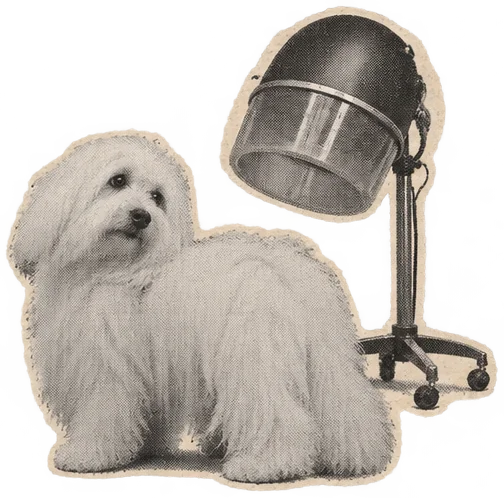
Show the brush, work where your dog is comfortable and let them move off. If they’ll happily stand for the shoulders but turn away when you reach an ear, don’t make the ear the starting point next time. Tell the groomer what you’ve noticed; a dog that can pause at home may still struggle with being held or with a dryer. 345
See what happens when you actually leave
Coton de Tulear notes / 05
Field notes

A dog that follows you round the kitchen may settle as soon as you go, or spend the whole time by the door. A recording will give you a better answer than assuming either. Build departures the dog can tolerate. If they’re pacing, vocalising or unable to rest, cut the difficulty and get support rather than making every outing longer. 910
Kit that works under the fluff
Coton de Tulear notes / 06
Field notes
The UK breed standard gives heights of 25–30 cm for dogs and 22–27 cm for bitches. A standard isn’t a harness size. Measure your own dog and check with your fingers where the straps bear weight. Brush the coat flat enough to feel the fit, then watch them walk and turn. Use a separate suitable setup for travelling in a car. 1611
Take the dog for a walk, not a carry by default
Coton de Tulear notes / 07
Field notes
Choose quieter ground if bigger dogs, wheels or feet make a route hard. A Coton that likes walking still needs time to explore at its own pace. If yours likes a game, try an easy search or a reward-based class that adapts activities to the individual. Don’t let the idea of a Toy dog be the reason every outing happens from someone’s arms. 6121314
Great company, not a parcel to pass round
Coton de Tulear notes / 08
Field notes
White fur makes changes easier to spot
Coton de Tulear notes / 09
Field notes
Health records without the alphabet soup
The Royal Kennel Club’s profile puts genetic diversity under Good Practice, with no named test in that central column, and lists the BVA/RKC/ISDS eye scheme under Best Practice. The UK breed club has separate information on IVDD and recommends certain DNA tests for breeding dogs, including CMR2 and CDDY. A DNA risk marker, a clinical eye exam and a vet examining a dog that hurts are different things. 2192021
Coton de Tulear notes / 10
Field notes
| Topic | What the evidence can tell you |
|---|---|
| IVDD | A club scheme or CDDY result is not a diagnosis. If your dog suddenly cannot walk normally, is dragging limbs or is in severe pain, call the vet straight away. 202122 |
| Eyes | Ask for an actual dated eye certificate for named parents; CMR2 DNA doesn’t replace the exam. 2192021 |
| Neonatal ataxia | An original study documented a GRM1 variant in affected Coton puppies. That finding does not establish a current UK rate or explain a wobbly adult without assessment. 23 |
| Lifespan | The 2024 UK study reports a median of 14.2 years from a sample of 319 Cotons with 44 deaths. The lower confidence limit was 13.1 years; the table didn’t report an upper limit. Don’t turn a sparse estimate into an age anyone is promised. 2425 |
Get the grooming quote before you need the rescue job
Coton de Tulear notes / 11
Field notes
A dog from Madagascar, not a French name that became an origin story
Coton de Tulear notes / 12
Field notes
Meet the dog on a normal day
Coton de Tulear notes / 13
Field notes
Ask to see what grooming looks like when nobody’s getting ready for a show or a photo. For a puppy, see the mother where she lives with the litter and read the parents’ actual health records. For a rescue, ask which bits of grooming the dog accepts, how they behave when left and whether anybody has observed them on a busy walk. It’s fine if they don’t know the answer yet; it’s useful to know that they don’t. 234592829
Sources
- S1Royal Kennel Club breed standard and historySource · checked 21 November 2026
- S2Royal Kennel Club profile, health and genetic diversitySource · checked 21 November 2026
- S3Coton de Tuléar Club of the United Kingdom, groomingSource · checked 21 November 2026
- S4PDSA veterinary grooming careSource · checked 21 November 2026
- S5Dogs Trust handlingSource · checked 21 November 2026
- S6Dogs Trust harness fittingSource · checked 21 November 2026
- S7Royal Kennel Club separate Maltese profileSource · checked 21 November 2026
- S8Royal Kennel Club separate Bichon Frisé profileSource · checked 21 November 2026
- S9Dogs Trust building time aloneSource · checked 21 November 2026
- S10Dogs Trust separation distressSource · checked 21 November 2026
- S11Dogs Trust car travelSource · checked 21 November 2026
- S12Dogs Trust reactivity and giving spaceSource · checked 21 November 2026
- S13PDSA exerciseSource · checked 21 November 2026
- S14Dogs Trust enrichmentSource · checked 21 November 2026
- S15Dogs Trust visitor trainingSource · checked 21 November 2026
- S16Dogs Trust dogs and childrenSource · checked 21 November 2026
- S17PDSA tear stainingSource · checked 21 November 2026
- S18PDSA eye problems and urgent painSource · checked 21 November 2026
- S19Royal Kennel Club current health tiers and separate listed club schemesSource · checked 21 November 2026
- S20UK Coton breed club health and IVDDSource · checked 21 November 2026
- S21UK Coton breed club’s specific DNA advice to breedersSource · checked 21 November 2026
- S22PDSA veterinary IVDD guidanceSource · checked 21 November 2026
- S23Zeng et al., original GRM1 and Bandera neonatal ataxia studySource · checked 21 November 2026
- S24Dogs Trust research team’s original UK longevity results tableSource · checked 21 November 2026
- S25McMillan et al., original UK longevity study and methodsSource · checked 21 November 2026
- S26PDSA cost of ownershipSource · checked 21 November 2026
- S27FCI official breed entry and originSource · checked 21 November 2026
- S28RSPCA puppy buyingSource · checked 21 November 2026
- S29Dogs Trust rescue matchingSource · checked 21 November 2026
