
Breed guide / Collie
Living with a Collie
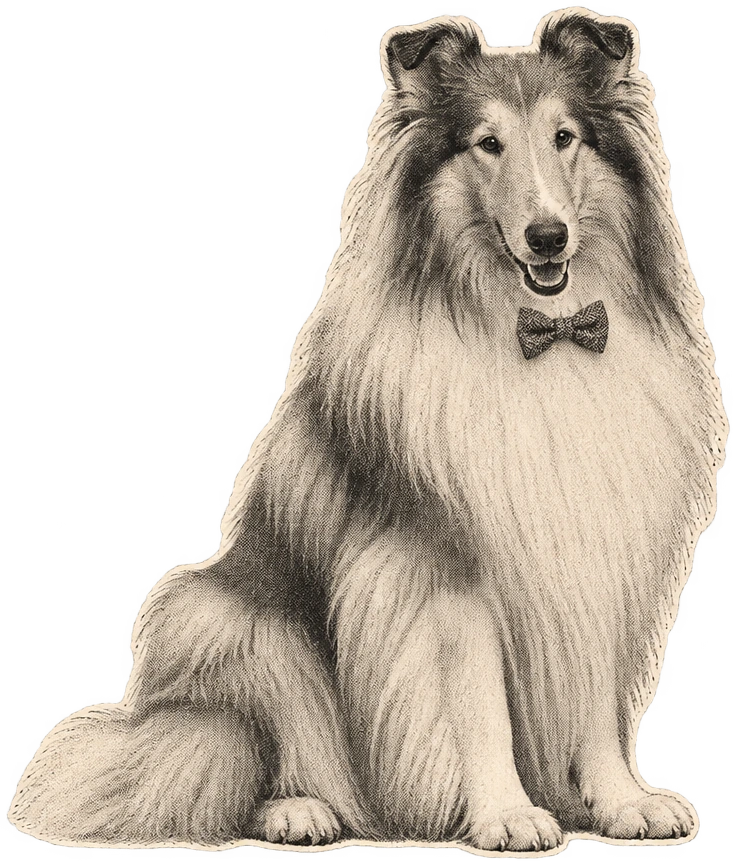
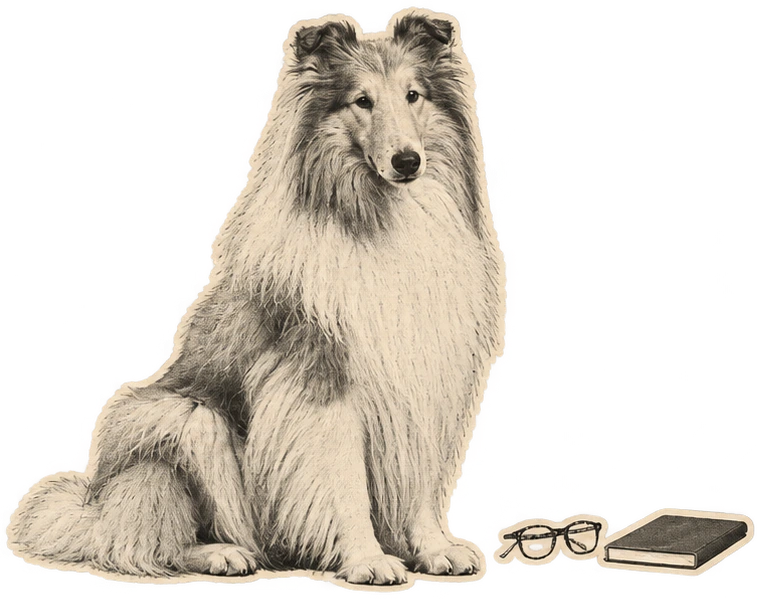
Think Lassie and you’re looking at a Rough Collie. The Smooth Collie has the same broad Scottish working roots under a much shorter coat. You’ll recognise the long narrow head on both. Neither is another name for a Border Collie. Start with the coat you’re dealing with and how your dog copes when the hall gets busy. If you have an MDR1 result, make sure it’s on their vet record. 123456
Jump to a section
The short version
Run a comb behind the ears of a Rough Collie after a damp walk. You can have a lovely tidy-looking dog with a knot tucked underneath the mane. With a Smooth, you’ll get to the skin much more easily, but they still have a dense undercoat. That short coat can leave an impressive amount of itself in the car. 127
If you have an MDR1 result, ask the practice to put it on the dog’s record. Some dogs with the variant are more sensitive to certain medicines. Don’t stop a prescribed drug or try to interpret the dose yourself. Speak to the vet who’s giving it. 568
Collie notes / 01
Check the coat and vet record
| Start with this | What to do |
|---|---|
| Identify the coat | Rough or Smooth tells you where the grooming work is. Border Collie is a different breed. 123 |
| Watch who gets the dog’s attention | If bikes or runners set them off, make space before they’re pulling towards them. 910 |
| Keep the vet record useful | Share any MDR1 result, even if it was done by a previous owner. 68 |
| Check the actual health results | The Royal Kennel Club’s Rough and Smooth entries have different testing tiers. 5 |
Rough and Smooth aren’t Border Collies
The Royal Kennel Club lists Collie (Rough) and Collie (Smooth) separately in its Pastoral group. A Rough has a long outer coat over a soft and dense undercoat. A Smooth still has a dense undercoat, but the top lies short and flat. Border Collies have their own standard. 123
A dog can look like one of these without having documented ancestry. If the rescue is uncertain, focus on what the dog does on a walk and how the coat feels to brush, rather than deciding from a photograph that it must have a certain personality. 71011
The coat can fool your eye
Both UK standards list adult males at 56 to 61 cm at the shoulder. The female range is 51 to 56 cm. The Smooth standard also gives weight ranges; the Rough standard does not. These are show references rather than measurements from an average UK household. 12
On a Rough, feel through the coat instead of eyeballing their shape. Your vet can show you how to find the ribs and check the waist. Fit harnesses by the actual dog, with the coat sitting normally, and make sure the straps move cleanly without bunching the fur under the front legs. 71213
Collie notes / 03
Fit the kit to the actual dog
Rough coat and Smooth coat have different jobs
Part a Rough’s coat round the collar and behind the ears. Work through a patch you can see rather than trying to make the brush reach through the whole mane at once. Check feathering where the legs rub. If a knot sits tight against the skin, put the scissors down and ask a groomer. 1714
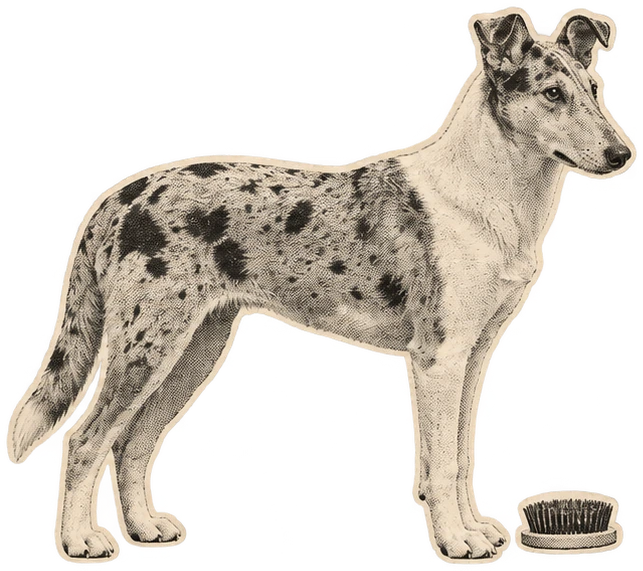
A Smooth doesn’t need the same long session, but brushing helps catch loose hair. After a wet walk check the feet and look for grass seeds, particularly if they’re suddenly paying a lot of attention to one paw. If you think a seed is embedded, call the vet rather than digging for treasure. 2715
Collie notes / 04
Know which coat you have
| Coat or spot | What to do |
|---|---|
| Rough: behind ears and under collar | Part the hair and check close in; brushing the outside can miss a knot. 17 |
| Rough: feathering and underside | Check after wet walks and briars. Ask for help with tight mats. 1715 |
| Smooth: coat and undercoat | Brush gently and look for skin changes or soreness. 2714 |
| Both: feet | Check after rough or long grass; talk to the vet about a persistent lick or limp. 1516 |
Notice the dog, not the reputation
A Collie who watches the room closely is giving you information. If your dog tenses when a bike goes past, step further away. Reward them when they look back at you, before the bike’s close enough that nothing you say means anything. Practise in a quiet place first. A shared working history doesn’t mean every dog will chase. 491017
At home, see whether visitors get a brief look or a ten-minute announcement. Pick somewhere for the dog to settle away from the doorway. Give a worried dog room to move away, and ask a qualified professional for help if a pattern is getting worse. 17181920
Collie notes / 05
Give them room
Give them a job they can finish
Hide a toy in an easy place and let the dog find it while you stand still. When that’s become too easy, make it a little harder. They don’t have to be running circles round you to have a decent time. A snuffle about for part of dinner is useful on a day you’re short of time. 2122
Teach a calm cue to turn with you when there’s not much to look at. Do it first on a loose lead rather than trying to teach the manoeuvre as a bicycle goes past your elbow. Use a secured long line where appropriate when you’re practising recall away from traffic or livestock. 9101323
Collie notes / 06
Useful jobs for a normal day
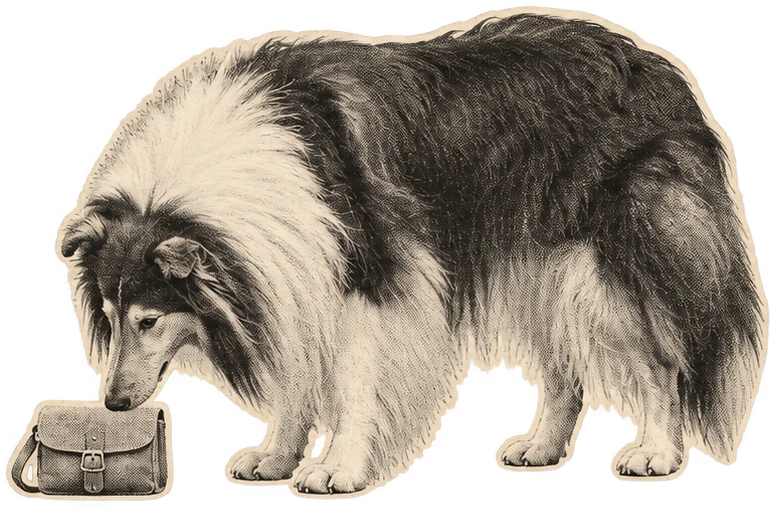
Let the walk include a bit of nose work
Build activity around your adult dog’s health and fitness. If there’s a quiet place to stop and sniff, give them time there instead of hearing about the same bike for the rest of the walk. Keep the lead on around livestock and make sure you have room to leave if either animal gets worried. 9212526
The Rough’s coat is a good reason to have shade and a shorter route planned in warm weather, but a clipped look doesn’t make a Smooth heatproof. If a dog starts limping or struggling on a walk they used to cope with, talk to the vet rather than adding a bigger loop to build stamina. 162527
Collie notes / 07
Keep the walk comfortable
| Situation | Better option |
|---|---|
| Cyclists on a narrow path | Choose a route with space to pass or move out of the way. 910 |
| Livestock nearby | Use a lead and follow the guidance for your nation and route. 26 |
| Warm conditions | Choose cooler hours and shade. Leave it altogether if it’s too hot. 27 |
| Exercise is suddenly harder | Change the outing and seek veterinary advice about ongoing changes. 1625 |
Make room for a proper kip
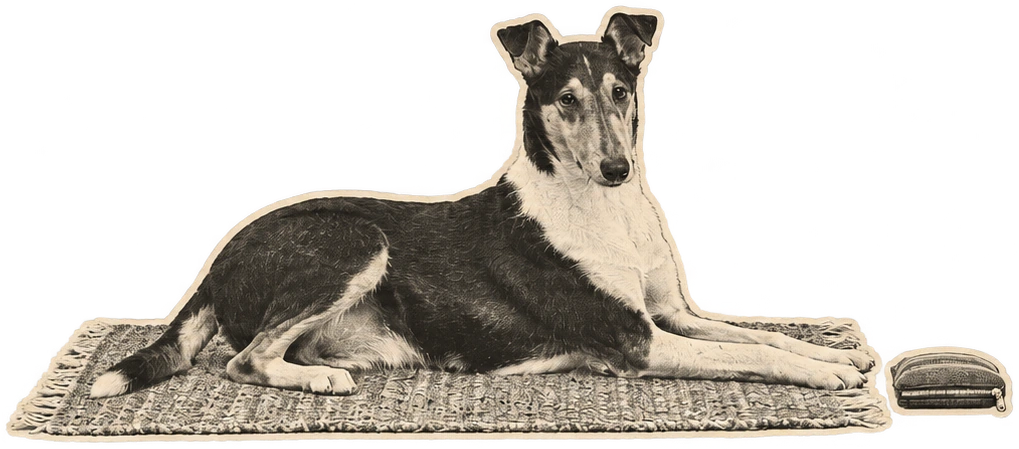
Give them a place to sleep where they aren’t on reception duty. For a dog who gets up to check every sound on the landing, moving the bed away from the door can help make settling easier. Practise while the house is quiet; you can’t teach a nap over a man drilling a hole in your wall. 1819
Do time alone gradually and see what actually happens after you leave. If they pace or bark consistently, use shorter absences for now and ask for help. Don’t make the first time they’re alone coincide with someone doing building work next door. 2829
Collie notes / 08
A place to rest
Kids and other animals
An adult needs to watch dogs and children together. Keep a dog’s bed out of the running route and give them somewhere they can rest without being touched. If fast movement bothers your dog, separate them before the children start their indoor Olympics. 91730
When introducing a cat, protect the cat’s escape route and stop chasing before it becomes the daily entertainment. With an existing dog, make introductions somewhere both dogs can move apart. Put prized toys away until you know what each dog is comfortable sharing. 3132
Which health results matter?
In November 2026 the Royal Kennel Club lists adult and litter eye screening alongside hip screening as Good Practice for the Rough Collie. For Best Practice add DNA tests for CEA/CH and MDR1 as well as PRA-rcd2 and DM. The Smooth Collie row has no tests listed under Good Practice. It puts the Eye Scheme and hips under Best Practice, together with the same four DNA tests. A blank column is not a clean bill of health. Ask for the actual results from the breeding dogs. Show them to your vet and ask what they mean for this dog. 53334353637
The 2024 UK lifespan table gives 13.3 years as the median for its “Collie” row (95% confidence interval 13.3 to 13.6; 2,171 dogs). It doesn’t split that row into Rough and Smooth, and it lists the Border Collie separately. An inherited-condition test doesn’t tell you whether this dog has sore eyes today; if they close or rub one repeatedly, contact the vet promptly. 383940
Collie notes / 10
Health conditions and screening
| Screening or condition | What to know |
|---|---|
| Rough Good Practice | BVA/RKC/ISDS Eye Scheme, BVA/RKC hips, and BVA/RKC/ISDS litter eye screening. 5 |
| Rough Best Practice additions | DNA: CEA/CH, MDR1, PRA-rcd2 and DM. 5 |
| Smooth Best Practice | Eye Scheme and hips, plus CEA/CH, PRA-rcd2, DM and MDR1 DNA. No Good Practice tests listed on that row. 5 |
| MDR1 | It concerns drug sensitivity. Give the result to the vet rather than changing medication yourself. 68 |
| Eye examination and DNA | They answer different questions. Ask which allele or condition the result covers; a DNA test does not replace a clinical exam. 333435 |
| New eye pain or limping | Seek veterinary advice; screening results don’t diagnose new symptoms. 1640 |
| UK lifespan context | 13.3 years median for the study’s unsplit “Collie” row, not separate breed estimates. 3839 |
Price the dog you’ve actually got
Get a grooming quote for the Rough coat you want to keep. A shorter visit is one thing; sorting out felt underneath a long mane is another. Ask the groomer which areas to keep on top of between appointments. For a Smooth, an easy coat isn’t a reason to miss the ordinary vet and insurance costs. 12741
Look at the excess and any limits your insurance puts on a condition, then check what will be excluded if there’s already a known problem. Make a plan for who walks the dog when you’re not there, particularly if safe routes take a bit more thinking about. 94142
Collie notes / 11
Budget beyond the food
| Cost | What to check |
|---|---|
| Grooming | Rough-coat appointments if needed, with the right brush and comb at home. 17 |
| Veterinary care | Routine prices at your practice and what the cover excludes. 41 |
| Equipment | Good fit over the dog’s actual coat. 13 |
| Backup walking | Someone who understands your dog and knows the routes that work. 942 |
Scottish working roots
The Royal Kennel Club traces the Rough and Smooth to working sheepdogs of Scotland. Both the British registry and the FCI publish separate standards for Rough and Smooth. The coat difference isn’t a recent haircut someone came up with for summer. 4434445
The Royal Kennel Club’s Rough history notes a sable dog called Old Cockie, born in 1868, as an early influence on the colour’s popularity. A different sort of fame came with Lassie. Neither the celebrated coat nor the screen dog tells you how the one at your feet will feel about being left alone. 42846
Before and after one comes home
If you’re buying a puppy, meet them with their mum where they were raised and ask for the relevant health records. With a Rough, ask to see the litter eye screening as well as the parents’ records. If a rescue knows the dog, ask how they get on during a brush and what happens when a bike or child goes past. 59244748
If the dog is already home, make the next thing small enough that you’ll actually do it. Try a short comb check while they’re relaxed, or show them how to leave the path with you before you meet the school-run crowd. If there’s an MDR1 result sitting in an email, get it into their vet record. 68924
Collie notes / 13
Ask for evidence you can use
| Find out | What to ask |
|---|---|
| Which coat or breed entry | Ask how the ancestry is documented, and check what the actual coat needs. 127 |
| Health evidence | Ask for results naming the dog or litter, and match them to the Rough/Smooth row. 547 |
| Handling | Ask about brushing, visitors and moving distractions. 91848 |
| Support after bringing them home | Register with a vet and save any MDR1 or screening records. 6848 |
Sources
- S1Royal Kennel Club Rough Collie official standardSource · checked 21 November 2026
- S2Royal Kennel Club Smooth Collie official standardSource · checked 21 November 2026
- S3Royal Kennel Club separate Border Collie breed standardSource · checked 21 November 2026
- S4Royal Kennel Club Rough Collie breed account and shared originsSource · checked 21 November 2026
- S5Royal Kennel Club Health Standard rows and tier definitionsSource · checked 21 November 2026
- S6Washington State University veterinary diagnostic service on MDR1 in dogsSource · checked 21 November 2026
- S7PDSA on grooming, different coat types and matted hairSource · checked 21 November 2026
- S8Royal Kennel Club scope of MDR1 DNA testingSource · checked 21 November 2026
- S9Dogs Trust managing trigger distance on walksSource · checked 21 November 2026
- S10Woodgreen dogs and fear of trafficSource · checked 21 November 2026
- S11Dogs Trust matching a dog and adoptingSource · checked 21 November 2026
- S12PDSA healthy body condition and weightSource · checked 21 November 2026
- S13Dogs Trust walking on lead and kit guidanceSource · checked 21 November 2026
- S14PDSA hands-on health checksSource · checked 21 November 2026
- S15PDSA grass seeds, symptoms and when to seek helpSource · checked 21 November 2026
- S16PDSA limping and stiffness in dogsSource · checked 21 November 2026
- S17Dogs Trust signs of worry and body languageSource · checked 21 November 2026
- S18Dogs Trust preparing for visitorsSource · checked 21 November 2026
- S19Dogs Trust settle trainingSource · checked 21 November 2026
- S20RSPCA reward-based training and seeking qualified helpSource · checked 21 November 2026
- S21Dogs Trust enrichment and scent gamesSource · checked 21 November 2026
- S22Dogs Trust positive reinforcement and rewardsSource · checked 21 November 2026
- S23Dogs Trust recall training and long-line practiceSource · checked 21 November 2026
- S24Dogs Trust gentle handling and trainingSource · checked 21 November 2026
- S25PDSA choosing exercise for the individual dogSource · checked 21 November 2026
- S26UK Government Countryside Code and dog controlSource · checked 21 November 2026
- S27PDSA heatstroke prevention and symptomsSource · checked 21 November 2026
- S28Dogs Trust training time alone graduallySource · checked 21 November 2026
- S29PDSA separation distress and getting helpSource · checked 21 November 2026
- S30Dogs Trust safety around childrenSource · checked 21 November 2026
- S31Dogs Trust on cats and dogs at homeSource · checked 21 November 2026
- S32Dogs Trust advice on introducing another dogSource · checked 21 November 2026
- S33British Veterinary Association on the Eye SchemeSource · checked 21 November 2026
- S34Royal Kennel Club CEA/CH DNA testing scopeSource · checked 21 November 2026
- S35Royal Kennel Club on PRA and different testable formsSource · checked 21 November 2026
- S36British Veterinary Association canine health screening and limitationsSource · checked 21 November 2026
- S37Royal Kennel Club eye and litter screening guidanceSource · checked 21 November 2026
- S38Dogs Trust UK lifespan estimates for the Collie and separate Border Collie rowsSource · checked 21 November 2026
- S39Original 2024 UK companion dog breed lifespan studySource · checked 21 November 2026
- S40PDSA painful or closed eye symptomsSource · checked 21 November 2026
- S41PDSA cost of owning a dogSource · checked 21 November 2026
- S42Dogs Trust how to find a good dog walkerSource · checked 21 November 2026
- S43FCI international Rough Collie classificationSource · checked 21 November 2026
- S44FCI international Smooth Collie classificationSource · checked 21 November 2026
- S45Royal Kennel Club Smooth Collie overview and originSource · checked 21 November 2026
- S46American Kennel Club overview of the Collie, including LassieSource · checked 21 November 2026
- S47RSPCA responsible puppy buying and breeder checksSource · checked 21 November 2026
- S48Dogs Trust support for a newly rehomed dogSource · checked 21 November 2026
