
Breed guide / Chug
Living with a Chug
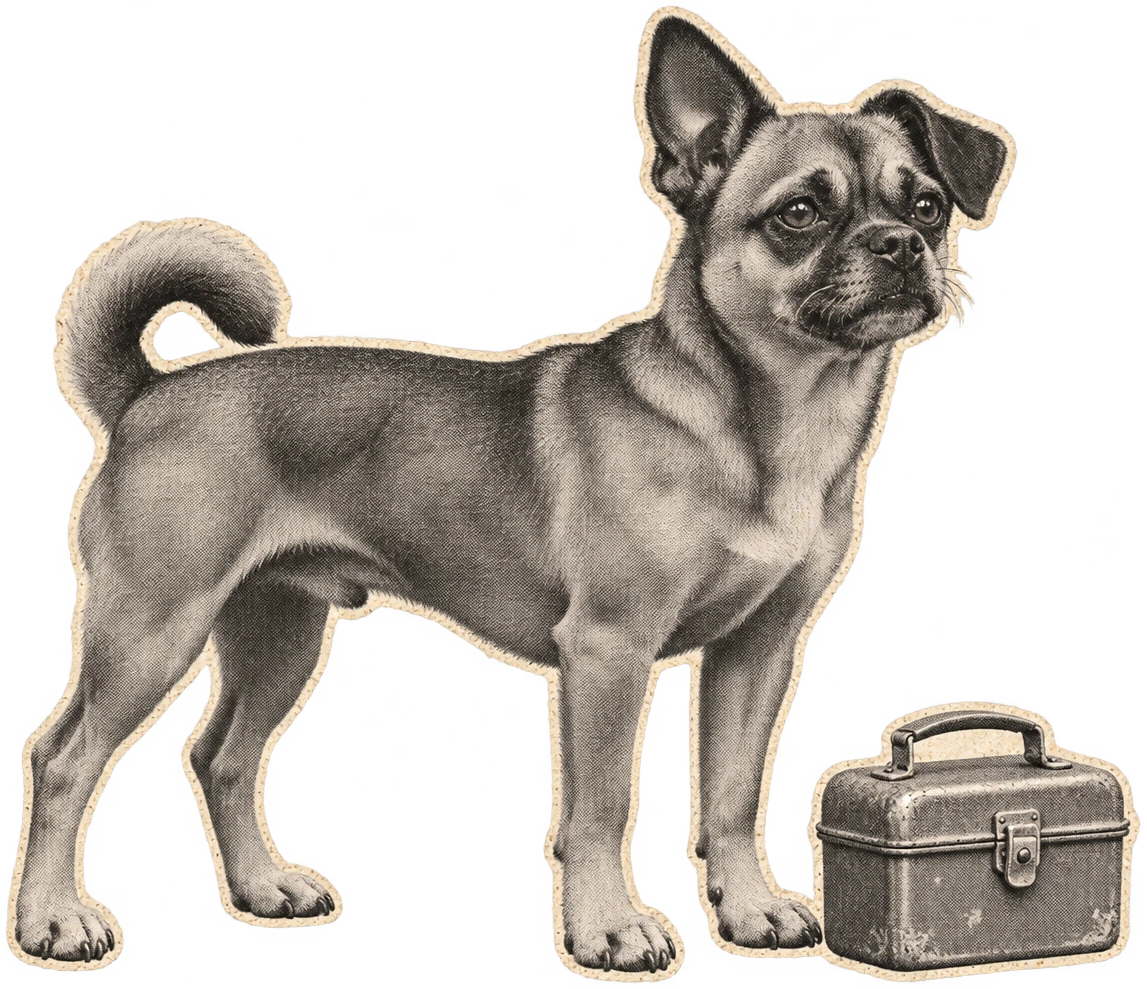
A Chug is a Pug crossed with a Chihuahua. One can look much more like a Pug than the next, and the name won’t tell you how well your dog breathes after a walk. Listen to them when they’re comfortable and how they recover after ordinary activity. Regular noisy breathing or having to stop and catch their breath isn’t a feature to get used to. 12345
Jump to a section
The short version
Note what your dog sounds like at rest and after an ordinary walk on a cool day. If they’re regularly snorting, slowing down or taking a long time to settle, book a vet check. Don’t take them out to prove how far they can go. If they’re struggling to breathe, have blue or grey gums, or collapse, call the emergency vet immediately. 4 5 6
Fit the harness to the actual chest, not the size of the collar, and make a quiet, low resting place with decent grip around it. Get them used to having their mouth looked at before anyone needs to get a toothbrush all the way round. 7 8 9 10
Chug notes / 01
Where to start
| Start with | Useful next move |
|---|---|
| Regular noisy breathing | Make a vet appointment; don’t write it off as Pug noise. 4 5 |
| Breathing distress or collapse | Call the emergency vet immediately. 6 |
| Harness fit | Try it while they turn and take a few steps. 7 |
| Teeth | Start with a brief, gentle look at the side of the mouth. 9 10 |
Same first letter, very different parents
Chug means Pug and Chihuahua. A Puggle has Beagle ancestry instead of Chihuahua. A Pomchi has Pomeranian ancestry instead of Pug. Those are descriptions of ancestry, not Royal Kennel Club standards, and a dog’s photo can’t tell you who both parents were. 1 2 3 11 12 13
Measure the chest, not the nose
A short-backed, wide-chested dog and a fine-boned dog with a narrow shoulder can both be sold under this label. The Pug and Chihuahua standards are useful for understanding the named parents but don’t give a Chug adult weight or a safe muzzle length. A longer-looking nose doesn’t prove the rest of the airway works properly. 5 13 45 46
Use your hands to check body condition, then see whether the harness stays clear of the throat and front legs as the dog walks and backs up. Ask the vet what body condition suits them if you aren’t sure. Keeping a dog lean is useful, but it isn’t treatment for a breathing problem that needs assessing. 4 7 14
Chug notes / 03
Fit the dog
There may be folds, or there may just be a dog
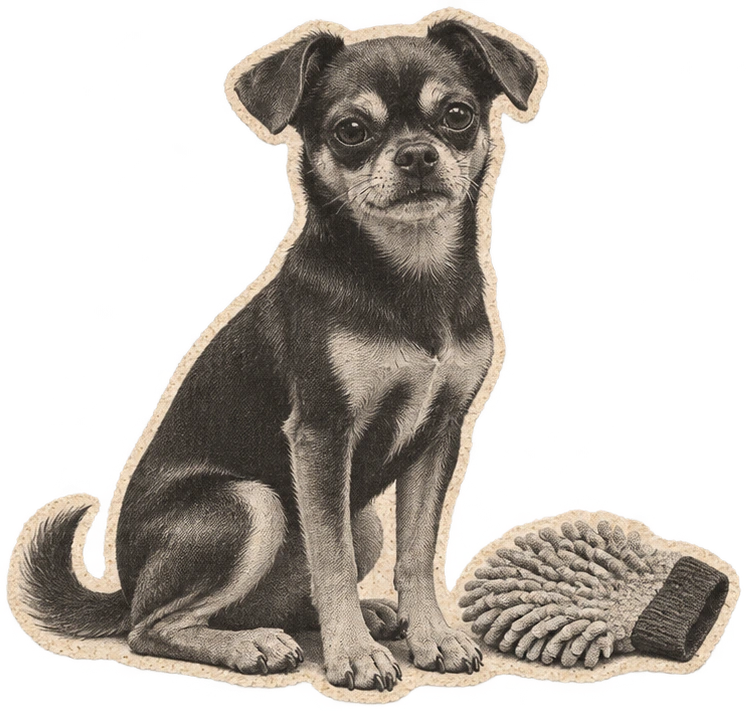
Use a soft brush for an easy short coat; if your dog has longer hair near the ears, chest or tail, see where it actually tangles. If there are skin folds, get the vet or vet nurse to show you how to check them. Look for trapped damp, new redness, smell or soreness rather than scrubbing every crease because a Pug might have one. 2 3 15 16 17
Look at the eyes when the dog is relaxed. A suddenly cloudy, painful or tightly shut eye needs prompt vet advice, not another wipe with the coat cloth. Keep each check brief and give them a break before it becomes something they dodge as soon as they see you coming. 17 18 19
Chug notes / 04
Check the folds
| Spot | What to do |
|---|---|
| Coat under straps | Check for rubbing, a wet patch or a knot that isn’t obvious from above. 7 15 |
| Face or tail folds, if present | Look for discomfort and ask for advice on their care. 16 17 |
| A sore or shut eye | Get prompt vet advice. 18 |
| Grooming sessions | Get one small check right before adding another. 19 |
Work out what’s winding them up
If your Chug starts barking as people come through the door, see whether it’s the bell, the movement or being crowded in a narrow space. Plan a quiet spot and show them how to get there before the next visitor. When they’ve stepped back on their own, you don’t need to bring them forward for introductions. 20 21 22
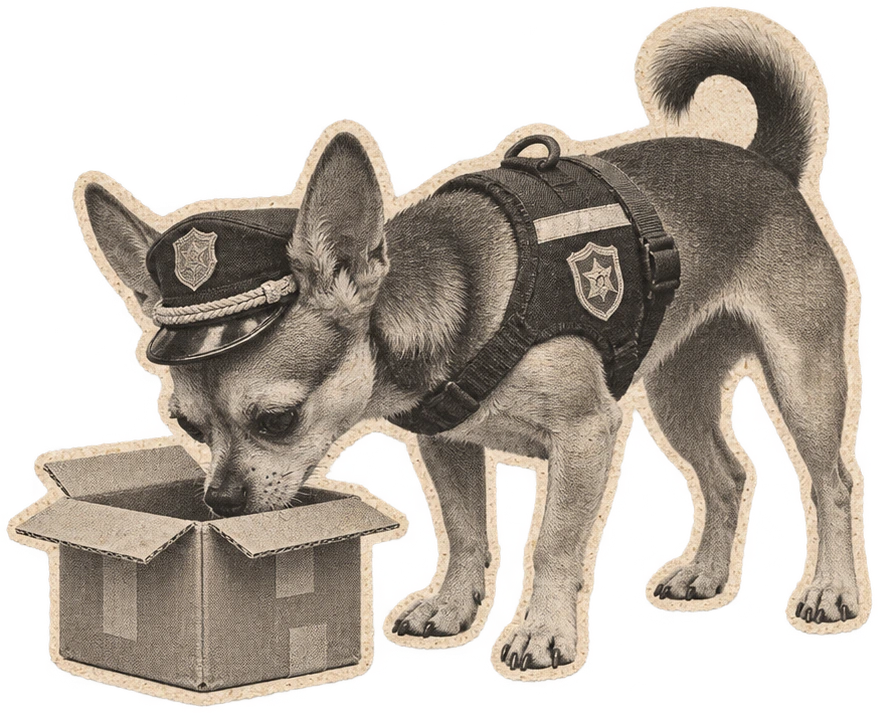
Is the noise an actual bark or a rough sound while they’re trying to draw breath? Notice when it happens. If you’re seeing breathing changes as they get excited, get veterinary advice rather than making it a training exercise. Distress when left alone needs its own plan. 4 5 23
Chug notes / 05
Hear the difference
Keep the good stuff low to the ground
Give the dog an easy job at floor level. Find a piece of normal ration behind the leg of a chair, touch a hand, or step onto a mat and let the world go past. Start with one or two goes while they’re interested. If they show breathing difficulty, stop rather than making the next repetition faster. 4 22 24 25
Teach recall in a quiet space, with the reward already to hand. For mouth and paw checks, work on one small movement the dog can accept, not holding them still for the full job. Low-key handling pays off in a much less eventful grooming session. 9 10 19 26
Chug notes / 06
Keep it low-key
Don’t give them a walk they have to fight to finish
Choose a cool time, shade and a route where turning round is easy. Go at the dog’s pace and notice if they start making more effort than usual to breathe or stop repeatedly. It’s better to cut a walk short than use exercise to test a suspected airway problem. Keep a cool plan for the car as well. 4 5 27 28
If you suspect overheating, move them out of the heat, start cooling promptly and phone the vet for guidance; don’t wait to see whether they get better on their own. With severe breathing trouble or collapse, call the emergency vet immediately. 6 28 29
Chug notes / 07
Plan a cool walk
| Situation | Better plan |
|---|---|
| Normal walk | Quiet regular outings that let your dog sniff and turn back easily. 27 |
| Warm or stuffy day | Cooler timing and shorter options; don’t risk a hot car. 28 29 |
| Repeated lagging or noisy recovery | Get the change checked instead of trying more exercise. 4 5 |
| Severe breathing trouble, collapse or suspected heatstroke | Act immediately, call the vet and follow urgent guidance. 6 28 29 |
Look down where everybody steps
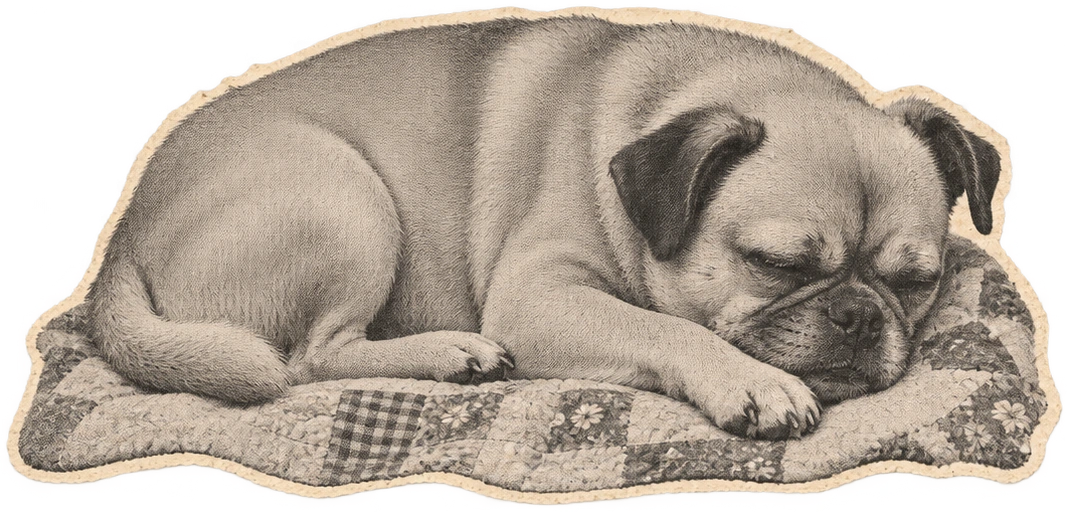
Watch the route from the dog’s bed to water and the garden. If it takes them across a slippery turn, put a grippy runner there. If someone needs to get past carrying the laundry every five minutes, move the bed. A dog can still want to sit with you without needing to sleep in the busiest corner. 8 22 30
For a dog who launches off the sofa, offer a lower place to rest or use a stable, easy route they’re comfortable with. If they pause before taking a step they used to do, watch how they move on ordinary flooring and speak to the vet if it keeps happening. 8 31
Little dogs still need an exit
Keep an adult nearby when children and dog share a space. Teach children to let the dog walk off rather than picking them back up for another cuddle. Don’t get a tired dog through a hectic room on the lap of somebody who can’t see when they stop enjoying it. 19 20 30
When introducing another dog, start with room to move and let both get away from the interaction. Keep meals or prized toys separate if either gets tense. If you have a cat, let it keep routes and places the dog can’t follow. 20 32 33 34
Breathing first, certificates second
BOAS is a disorder in which the airway is obstructed. Habitual noise, increased breathing effort, problems with exercise or slow recovery warrant a vet check. Struggling to breathe, blue or grey gums or collapse is an emergency. A short video of a mild, passing episode can help if it’s safe to take one, but don’t delay care or provoke symptoms to get it. 4 5 6
Separate UK VetCompass studies using 2016 records reported much higher adjusted odds of recorded BOAS among Pugs versus non-Pugs, and identified dental disease and retained baby teeth among common Chihuahua findings. These are parent-breed studies, not Chug incidence. The cross doesn’t guarantee better breathing or teeth, and there’s no verified UK median lifespan for Chugs used here. 35 36
For breeding dogs, the Royal Kennel Club’s Pug Good Practice lists respiratory grading and eye screening, with hip screening and the Pug dog encephalitis DNA test in Best Practice as additional tests. For both Chihuahua coats, eye screening is Best Practice; respiratory grading is already available, newly recognised in August 2026 and scheduled for formal inclusion from January 2027. That’s about these named breeds, not a formal grading pathway for Chugs. Talk to a vet about symptoms regardless of parents’ grades. 2 3 37 38 44
Chug notes / 10
Health conditions and screening
| Question | Sensible answer |
|---|---|
| Noisy breathing or slow recovery most days? | Book an exam; don’t do a home exercise test. 4 5 |
| Struggling to breathe, blue or grey gums or collapse? | Call the emergency vet immediately. 6 |
| Pug Good Practice? | RKC/Cambridge respiratory grading and BVA/RKC/ISDS eye examination. 2 37 |
| Pug additional Best Practice? | Hip screening and Pug dog encephalitis DNA test in addition to the above. 2 37 |
| Chihuahua screening? | Eye Best; respiratory scheme available now, formally added from January 2027 as listed. 3 37 38 44 |
| Cross disease rates or lifespan? | No verified UK cross figure used; don’t borrow parent numbers. 35 36 |
| Mouth or a recurring limp? | Ask your vet for an assessment; a skip isn’t a diagnosis. 9 31 39 |
The small bag of food isn’t the whole budget
Check the cost of routine dental checks and how a policy treats dental work, airway problems and things your dog already had symptoms of. Get the out-of-hours number saved in a place everyone who looks after the dog can find it. 6 9 40
Ask a walker how they’d change the plan on a hot day, and what they’d do if this dog got unusually noisy or tired. A dog who needs a gentler outing won’t be better served by taking the longest group slot you can get. 4 28 41
Chug notes / 11
The actual budget
| Budget line | Ask about |
|---|---|
| Walking equipment | Proper fit and enough adjustment for the chest and shoulders. 7 |
| Dental care | What routine checks cost, and which treatment if any is included. 9 40 |
| Insurance | How exclusions and pre-existing symptoms are handled. 40 |
| Walking help | Heat, signs of trouble and when they would get the dog home early. 28 41 |
Two breed histories, no reason to invent a third
The Pug and Chihuahua have their own histories and standards. The name Chug tells you which two breeds are usually meant, but it doesn’t establish when a particular line started or who the parents of a particular dog were. The useful bit is the documented family and what the dog actually does, not a story about which parent gave them the ears. 1 2 3 13
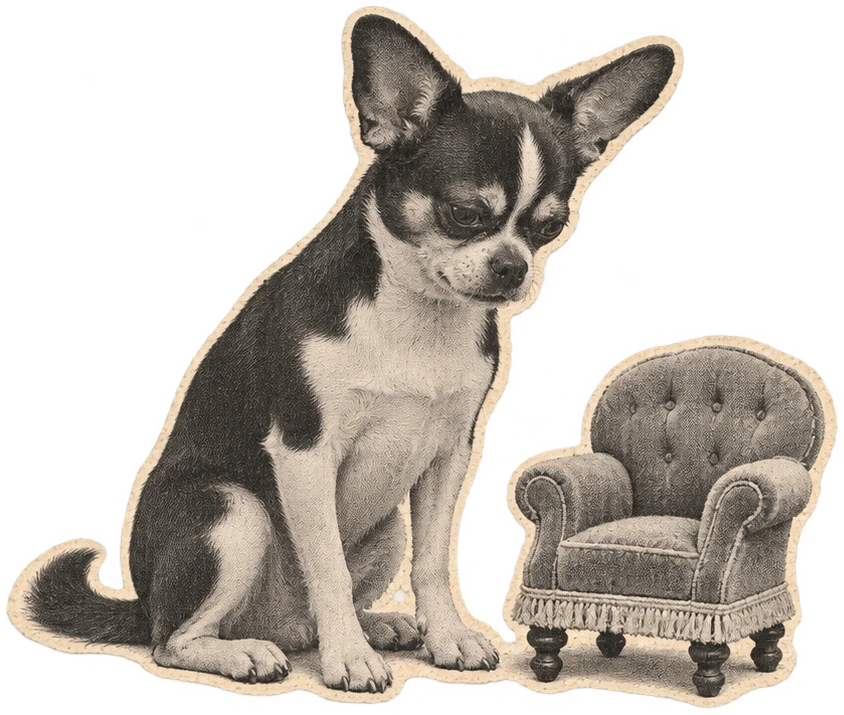
See the dog resting and walking normally
For rescue, ask about routine walks, sleep, breathing history and any treatment already underway. For a puppy, meet them with their mother where they’re raised, ask for the actual parents’ screening records and look for adults who can get round comfortably. Don’t accept obvious breathing trouble as the cost of the look you want, or a promise that crossbreeding has fixed the airway. 4 5 37 38 42 43
If you already live with a Chug, write down what’s changed in the dog, not what the breed label says should happen. That’s a better starting point for a vet or groomer, and it gives the next person who walks your dog something useful to watch for. 4 17 41
Chug notes / 13
See the ordinary day
| Ask to see | Why it matters |
|---|---|
| Ordinary movement and rest | How comfortably the dog handles daily activity without being pushed. 4 5 42 |
| Current health history | Follow up existing mouth, eye, movement or breathing concerns. 4 9 18 31 |
| Dated results for identified parents | Shows what was actually done; doesn’t predict every puppy’s airway. 37 38 43 |
| Where and how they’ve been raised | Lets you see the dogs and the daily setup rather than relying on the advert. 42 43 |
Sources
- S1PetMD veterinarian-reviewed Chug label and parentage onlySource · checked 21 November 2026
- S2Royal Kennel Club Pug profile and current screening tiersSource · checked 21 November 2026
- S3Royal Kennel Club Chihuahua Long Coat profile and current screeningSource · checked 21 November 2026
- S4PDSA veterinary BOAS guidance and when to see a vetSource · checked 21 November 2026
- S5University of Cambridge Veterinary Medicine BOAS recognition and diagnosisSource · checked 21 November 2026
- S6PDSA veterinary emergency advice for pets struggling to breatheSource · checked 21 November 2026
- S7Dogs Trust harness fitting and checking free movementSource · checked 21 November 2026
- S8Canine Arthritis Management veterinary access and safe flooring guidanceSource · checked 21 November 2026
- S9PDSA veterinary mouth check and signs to show a vetSource · checked 21 November 2026
- S10Dogs Trust gradual gentle toothbrushing trainingSource · checked 21 November 2026
- S11PetMD veterinarian-reviewed Puggle parentage, name onlySource · checked 21 November 2026
- S12PetMD veterinarian-reviewed Pomchi parentage, name onlySource · checked 21 November 2026
- S13Royal Kennel Club full directory of pedigree breed standardsSource · checked 21 November 2026
- S14PDSA body condition at homeSource · checked 21 November 2026
- S15PDSA veterinary grooming and coat maintenanceSource · checked 21 November 2026
- S16PDSA veterinary guidance on skin fold dermatitisSource · checked 21 November 2026
- S17PDSA practical home health checksSource · checked 21 November 2026
- S18PDSA veterinary guidance for painful eyesSource · checked 21 November 2026
- S19Dogs Trust building comfort with handlingSource · checked 21 November 2026
- S20Dogs Trust canine body languageSource · checked 21 November 2026
- S21Dogs Trust calm doorway trainingSource · checked 21 November 2026
- S22Dogs Trust building settling skillsSource · checked 21 November 2026
- S23Dogs Trust identifying and getting help for separation distressSource · checked 21 November 2026
- S24Dogs Trust target-training at a manageable heightSource · checked 21 November 2026
- S25Dogs Trust safe enrichment and search gamesSource · checked 21 November 2026
- S26Dogs Trust recall and long-line trainingSource · checked 21 November 2026
- S27PDSA tailoring activity to age and conditionSource · checked 21 November 2026
- S28Dogs Trust safe outings in hot weatherSource · checked 21 November 2026
- S29PDSA UK veterinary heatstroke first aidSource · checked 21 November 2026
- S30Dogs Trust children and dog supervisionSource · checked 21 November 2026
- S31PDSA veterinary guidance for a new or persistent limpSource · checked 21 November 2026
- S32Dogs Trust introductions to another dogSource · checked 21 November 2026
- S33Dogs Trust safer dog and cat introductionsSource · checked 21 November 2026
- S34Dogs Trust resource guarding and separate feedingSource · checked 21 November 2026
- S35O’Neill et al. original VetCompass UK Pug study, 2022Source · checked 21 November 2026
- S36O’Neill et al. original VetCompass UK Chihuahua study, 2020Source · checked 21 November 2026
- S37Royal Kennel Club live central Health Standard and Basset Hound tier rowSource · checked 21 November 2026
- S38Royal Kennel Club and Cambridge respiratory scheme current eligibility and limitationsSource · checked 21 November 2026
- S39PDSA slipping kneecap signs, assessment and Yorkshire Terrier contextSource · checked 21 November 2026
- S40PDSA dog ownership costs and insuranceSource · checked 21 November 2026
- S41Dogs Trust finding a suitable walkerSource · checked 21 November 2026
- S42Dogs Trust settling a rescue dogSource · checked 21 November 2026
- S43RSPCA buying a puppy and seeing mother with the litterSource · checked 21 November 2026
- S44Royal Kennel Club Chihuahua Smooth Coat profile and January 2027 timingSource · checked 21 November 2026
- S45Royal Kennel Club Pug written standardSource · checked 21 November 2026
- S46Royal Kennel Club Chihuahua Smooth Coat written standardSource · checked 21 November 2026
