
Breed guide / Chow Chow
Living with a Chow Chow
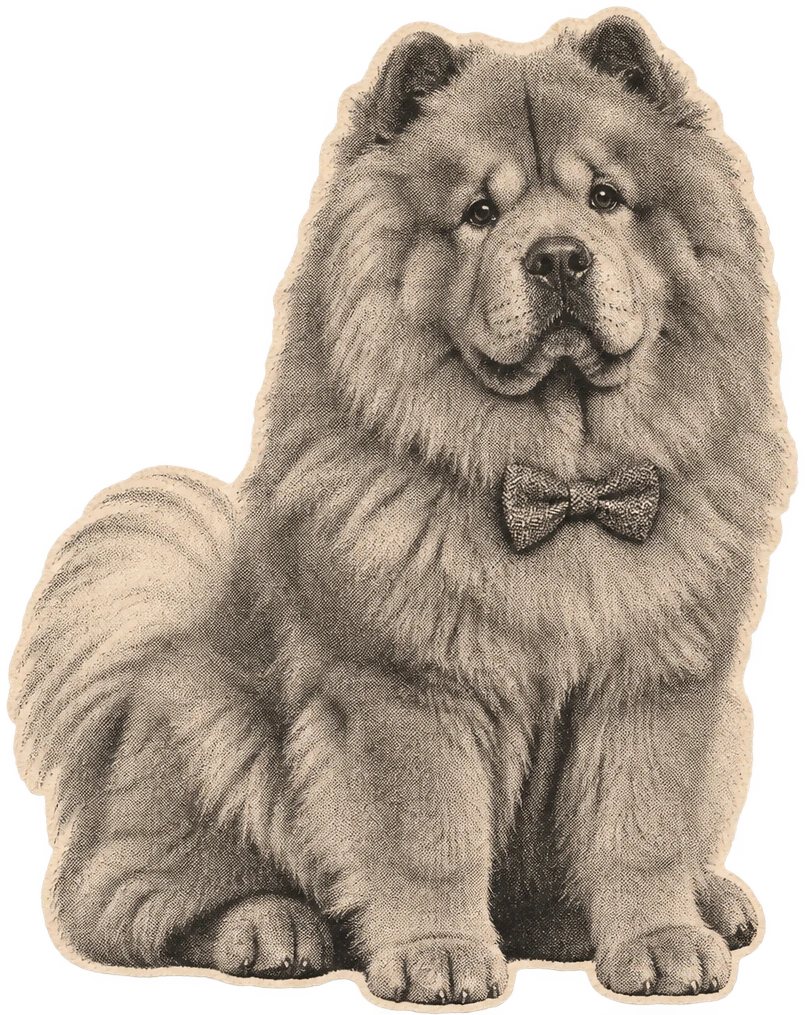
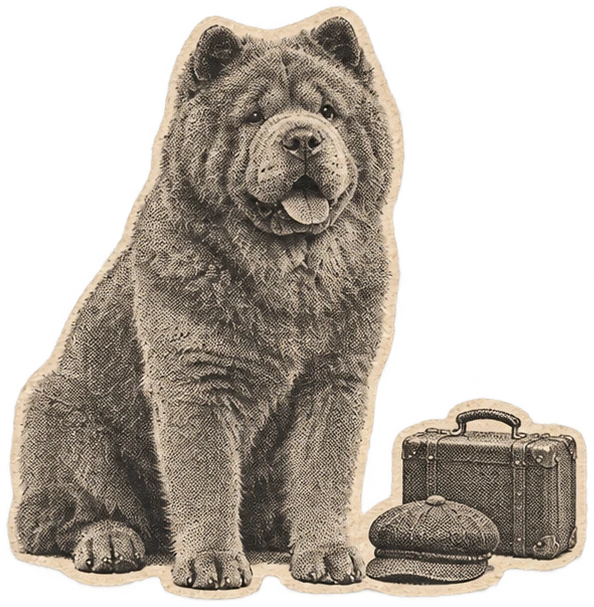
A Chow Chow is a sturdy Chinese spitz with small upright ears and a tail carried over its back. The famous mane belongs to the Rough coat. There’s a shorter Smooth coat too, and it still packs in a fair bit of hair. At home, pay attention to how easily your dog breathes and moves, especially on warm days. Give them a way to get away from hands they didn’t ask for. That big coat makes people want to touch them; it doesn’t oblige the dog to stand there and take it. 123456
Jump to a section
The short version
Change the walk if it’s getting warm. Get out earlier on a shady route and take water. If the dog is panting hard and failing to settle, looks weak or struggles to breathe, don’t hang about to see if another five minutes does it. If you suspect heatstroke, call for emergency veterinary help while starting to cool them. 4789
Watch how they respond to handling before trying to brush the whole dog. Part the coat somewhere easy to reach and reward them for staying with you. If they move away, give them a break. A sudden change in how they tolerate touch may be about pain rather than opinions. 6101112
Chow Chow notes / 01
Check the coat and breathing
| Sort this first | What to do |
|---|---|
| Warm weather | Plan a cooler, shorter route or leave the walk until conditions are safe. 47 |
| Breathing | Ask a vet about repeated noisy breathing. Difficulty breathing is an emergency. 39 |
| Coat | Part it near the skin and deal with one patch at a time. 1011 |
| Touch | Give the dog space to move away and don’t let strangers insist on a cuddle. 56 |
Rough and Smooth are both Chow Chows
The Royal Kennel Club describes two coats within the same breed standard. The Rough has a long standing coat and a soft undercoat, with more hair round the neck. A Smooth’s coat is shorter and still dense. It isn’t a Rough Chow after a haircut. 12
The breed standard describes a dark tongue. That’s normal colouring for the breed and isn’t a substitute for knowing what’s usual for your own dog. If you see sudden breathing trouble or collapse, it’s an emergency whatever the tongue normally looks like. 1913
A broad dog under all that hair
The Royal Kennel Club puts males at 48 to 56 cm at the shoulder and females at 46 to 51 cm. Those are figures from the show standard, not a UK population survey. The standard doesn’t give an adult weight range. Feel the dog’s ribs and ask the vet about body condition instead of judging from the size of the mane. 114
Fit the harness to their chest and watch them walk and turn in it. Check where the front legs move and where the straps touch the neck. That coat can hide a poor fit until the dog has spent half a walk trying to turn round and see what’s rubbing. 1015
The important bit of the coat is under the top bit
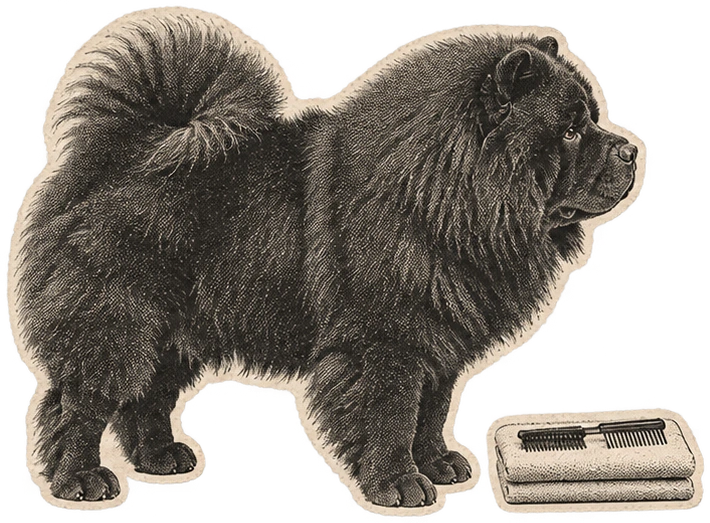
On a Rough, part the hair under the collar and behind the ears. Work through a small section rather than going over the mane until it looks tidy. Ask a groomer to show you the bit near the skin that the brush is missing. If a mat is tight, leave the scissors in the drawer. 11011
A Smooth still has plenty of coat to brush. Check for red skin or a damp patch that smells, particularly where equipment sits. Teach them to stand on a mat while you reach for the brush. Stop before it takes two people and a large quantity of cheese to get anything done. 16101112
Chow Chow notes / 04
Get under the top coat
| Where to look | What helps |
|---|---|
| Rough mane and behind ears | Part the hair and check it at the base. Ask a groomer about tight mats. 110 |
| Smooth coat | Brush gently enough to check the skin without dragging it. 11011 |
| Harness and collar contact | Check the coat and skin where straps rub. 1115 |
| Redness, smell or soreness | Ask your vet rather than brushing harder or trying a new shampoo. 1112 |
Let them say no to the greeting
Don’t decide the dog is fine with something because they haven’t barked. If they turn their head away or move behind you, let them go. Ask the visitor to sit down rather than reaching over the front of the dog. When you get that bit right, nobody needs to find out how much the dog will put up with. 5616
If door arrivals already cause a problem, work on the setup first. Give the dog a room or a quiet space behind a barrier before you open the door. If there’s a reaction every time or you’re worried someone might get hurt, separate the dog. Ask a qualified behaviour professional for a plan. 161718
Train for the bits you’ll actually need
Reward a brief touch the dog accepts. Stop there to begin with. A dog who can choose to stay will give you better information than one you’re holding still. Build up to the places you’ll need to touch when you groom or check them. If they suddenly won’t let you near one spot, speak to the vet. 6111219
Practise turning in a quiet place when the lead is loose. It’s useful when a narrow pavement fills up or when another dog makes yours uncomfortable. Reward the dog for coming with you rather than trying to haul them out of their spot. 151920
Chow Chow notes / 06
Useful jobs for a normal day
Keep the outing comfortable in the heat
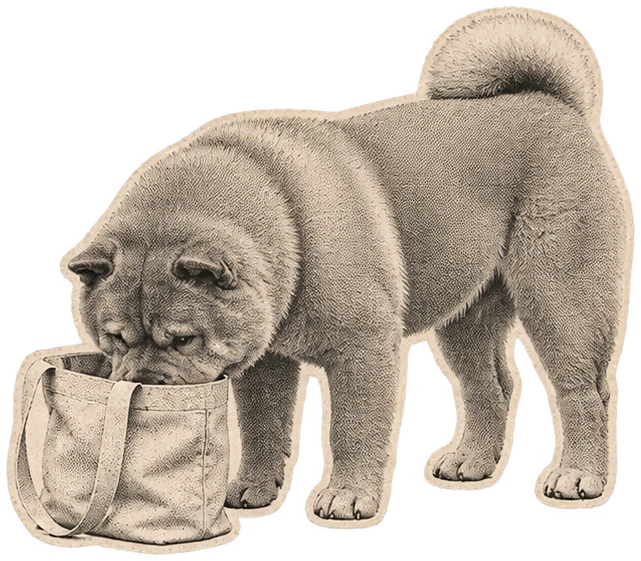
A UK VetCompass study found Chow Chows were among the breeds with higher recorded odds of heat-related illness in its 2016 primary-care data. That doesn’t give the odds for your dog on today’s walk. It does give you a good reason to take heat seriously, with either coat. Use shorter routes at cooler times and skip hard exercise when it’s warm. 472223
Choose activity according to the dog’s fitness and how comfortably they recover. If their breathing is repeatedly noisy after familiar outings, ask the vet rather than adding distance to get them fit. For suspected heatstroke you need emergency veterinary advice straight away. Begin cooling while you get help. 378924
Chow Chow notes / 07
Keep the walk comfortable
| Situation | Better plan |
|---|---|
| Warm day | Get out during cooler hours only if it’s safe. Keep water and shade available. 47 |
| Too hot to walk | Use a quiet indoor sniffing game somewhere cool. 725 |
| Noisy recovery | Stop and give them a break. Ask the vet about repeated signs; distress needs emergency care. 39 |
| Suspected heatstroke | Start cooling and call a vet urgently. Follow the veterinary first-aid guidance. 78 |
Give them a cool place to kip
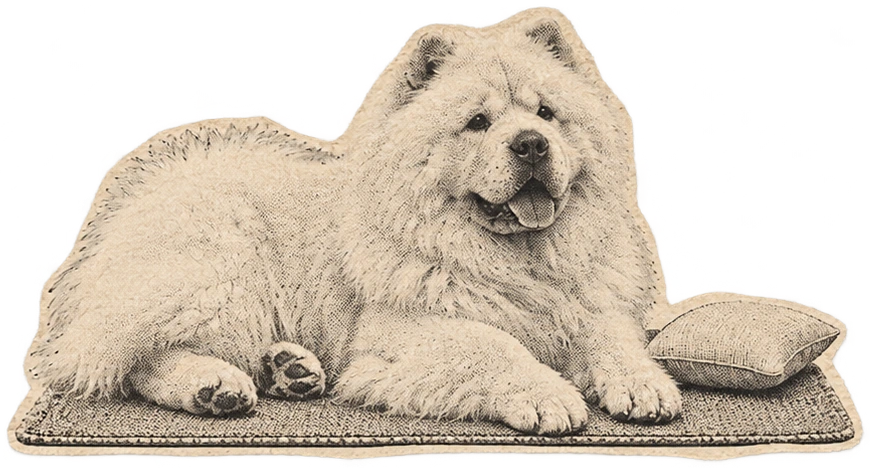
Make a resting spot away from the busiest route through the house. Keep it out of direct sun and give the dog the choice to move somewhere cooler. They may pick the kitchen tiles over the bed you spent ages choosing. You can take that personally or leave them to enjoy the tiles. 4721
Build time alone gradually and check what they actually do once you leave. If the dog keeps pacing, vocalising or moving from place to place without settling, make the next absence shorter. Ask for help if it’s becoming a routine. 2627
Family, visitors and other animals
Supervise children and dogs together and let your dog get up and walk away. Set a rule that nobody follows them to their bed. Fussing a dog because they look like a toy is asking the dog to do all the work of ending the interaction. 5628
Start cat introductions with separation and an escape route the dog can’t block. Give two dogs space when they first meet, and be ready to take a break. If yours isn’t interested in playing, don’t use the other dog to make them more sociable. 5202930
Which health checks are worth seeing?
In November 2026 the Royal Kennel Club’s Chow Chow row lists elbow screening and the BVA/RKC/ISDS Eye Scheme alongside hip screening under Good Practice. It doesn’t list separate Best Practice additions on the row. The breed council also runs its own scheme. Ask to see actual eye and joint results for the breeding dogs and ask the vet how to interpret them, rather than expecting them to rule out every condition. 31323334
Breed Watch flags respiratory difficulty and eyelid issues, among other points. The published Cambridge/RKC Respiratory Function Grading list doesn’t include Chow Chow at the date checked, but clinical care is still available: noisy or difficult breathing should be discussed with a vet, with emergency help for distress. A sore or held-shut eye needs prompt advice too. The 2024 UK longevity study estimated 12.1 years median for Chow Chows in its data (95% confidence interval 11.7 to 12.5; 940 dogs). That’s cohort context, not a prediction for yours. 393536373839
Chow Chow notes / 10
Health conditions and screening
| What to ask about | What that tells you |
|---|---|
| Eyes | RKC Good Practice lists the clinical Eye Scheme. Ask for the exam result. 3133 |
| Hips and elbows | Both listed in Good Practice. Get the separate results. 3134 |
| Best Practice and breed club | No separate additions listed on the November breed row; the club scheme is separate. 3132 |
| A sore or closed eye | Call the vet promptly. Don’t wait for an eye scheme appointment. 3536 |
| Breathing | RFG scheme eligibility doesn’t determine whether your own vet can assess symptoms. Distress is urgent. 3937 |
| Heat | Make a cooling plan for warm days. Suspected heatstroke needs emergency vet care. 7822 |
| Lifespan | UK 2024 cohort median 12.1 years, not an individual promise. 3839 |
Allow time and money for the coat you have
Ask a groomer to quote for your dog’s actual coat and how much they can comfortably handle in one appointment. If yours won’t let anyone hold the brush near them, book help before the coat becomes urgent. A full appointment only gets harder when the first question is how to get a tight mat out. 61040
Check vet prices locally. Look at the insurance conditions and get someone you trust to follow the dog’s walking and handling routine if you’re away. Write down what you do in the heat and who to call. They shouldn’t have to work it out on the hottest day of the year. 474041
Chow Chow notes / 11
Budget beyond the food
| Budget item | What to check |
|---|---|
| Grooming | Quote for the specific coat and the work you can do between visits. 1040 |
| Routine and emergency vet care | Local practice prices and out-of-hours contact details. 40 |
| Cover | Excess, limits and exclusions, especially pre-existing conditions. 40 |
| Backup care | Somebody who follows your lead handling and heat plan. 4741 |
A Chinese breed with two familiar coats
The international FCI register records China as the Chow Chow’s country of origin. In Britain it sits in the Royal Kennel Club’s Utility group. That includes both coats. The history is more useful than a story that tells you the dog must live up to some ancient job. 1242
The breed’s recognisable ears and tail show up in both coats. If you’ve only seen the Rough in photographs, a Smooth can feel like a surprise. It’s still much the same dog description underneath, just with less work behind the ears. 12
Before and after bringing one home
Find out how the dog handles a brush and whether they breathe comfortably after ordinary activity. Meet a puppy with their mum where they were raised. Ask for the health results and go over what happens when a stranger walks in. For a dog from a rescue, ask what the team has observed rather than relying on a general breed description. 3510314344
If they’re already home, sort one short grooming session and one reliable route for warm days. Give the dog a clear place to go when anyone visits. There’s no need to change everything in a week, but knowing where to go when the hallway gets busy could make today easier for both of you. 461621
Chow Chow notes / 13
Ask for evidence you can use
| First questions | What to check |
|---|---|
| Breathing and movement | See the dog at rest and after an ordinary outing; ask the vet about concerns. 3924 |
| Paperwork | See actual parental eye, hip and elbow results, not a generic “health checked”. 3143 |
| Handling | Ask how the dog behaves around brushing and visitors. 61644 |
| First days at home | Set up a cool resting place and register with a vet. 444 |
Sources
- S1Royal Kennel Club Chow Chow standard, coat, tongue and sizesSource · checked 21 November 2026
- S2Royal Kennel Club Chow Chow breed profile and British groupingSource · checked 21 November 2026
- S3Royal Kennel Club Breed Watch for Chow Chows and breathing concernsSource · checked 21 November 2026
- S4PDSA keeping dogs cool including thick-coated Chow ChowsSource · checked 21 November 2026
- S5Dogs Trust body language and signs a dog needs spaceSource · checked 21 November 2026
- S6Dogs Trust gentle handling practiceSource · checked 21 November 2026
- S7PDSA signs, risks and urgency of heatstroke in dogsSource · checked 21 November 2026
- S8PDSA emergency heatstroke first aidSource · checked 21 November 2026
- S9PDSA emergency breathing problemsSource · checked 21 November 2026
- S10PDSA grooming different coats and managing matsSource · checked 21 November 2026
- S11PDSA at-home health, skin and coat checksSource · checked 21 November 2026
- S12PDSA skin problems in dogsSource · checked 21 November 2026
- S13FCI Chow Chow breed standard and normal pigmentationSource · checked 21 November 2026
- S14PDSA checking healthy weight and body conditionSource · checked 21 November 2026
- S15Dogs Trust walking on lead and equipment fitSource · checked 21 November 2026
- S16Dogs Trust preparing for visitorsSource · checked 21 November 2026
- S17Dogs Trust safety and seeking help for aggressive behaviour around visitorsSource · checked 21 November 2026
- S18RSPCA reward approach and finding a qualified trainer or behaviouristSource · checked 21 November 2026
- S19Dogs Trust positive reinforcement and rewardsSource · checked 21 November 2026
- S20Dogs Trust reactivity, distance and lead handlingSource · checked 21 November 2026
- S21Dogs Trust training a calm settleSource · checked 21 November 2026
- S22Hall et al. UK 2016 primary care heat-related illness studySource · checked 21 November 2026
- S23Hall et al. UK primary care study of triggers for heat-related illnessSource · checked 21 November 2026
- S24PDSA exercise advice for individual dogsSource · checked 21 November 2026
- S25Dogs Trust indoor enrichment and scent workSource · checked 21 November 2026
- S26Dogs Trust gradual time-alone trainingSource · checked 21 November 2026
- S27PDSA separation distress signs and helpSource · checked 21 November 2026
- S28Dogs Trust active supervision and giving dogs space around childrenSource · checked 21 November 2026
- S29Dogs Trust introductions and escape routes for catsSource · checked 21 November 2026
- S30Dogs Trust introducing another dogSource · checked 21 November 2026
- S31Royal Kennel Club formal Health Standard and Chow Chow rowSource · checked 21 November 2026
- S32Chow Chow Breed Council separate club health schemeSource · checked 21 November 2026
- S33BVA canine Eye Scheme and scopeSource · checked 21 November 2026
- S34British Veterinary Association clinical screening and limitationsSource · checked 21 November 2026
- S35PDSA entropion signs and assessmentSource · checked 21 November 2026
- S36PDSA painful or held-shut eye adviceSource · checked 21 November 2026
- S37RKC and Cambridge Respiratory Function Grading published breed eligibilitySource · checked 21 November 2026
- S38Dogs Trust 2024 UK breed lifespan tableSource · checked 21 November 2026
- S39Original 2024 study of longevity in UK dogsSource · checked 21 November 2026
- S40PDSA cost of owning a dog and insurance considerationsSource · checked 21 November 2026
- S41Dogs Trust finding a suitable dog walkerSource · checked 21 November 2026
- S42FCI Chow Chow register and country of originSource · checked 21 November 2026
- S43RSPCA guide to responsible puppy breedersSource · checked 21 November 2026
- S44Dogs Trust settling a rescue dog into a new homeSource · checked 21 November 2026
