
Breed guide / Chorkie
Living with a Chorkie
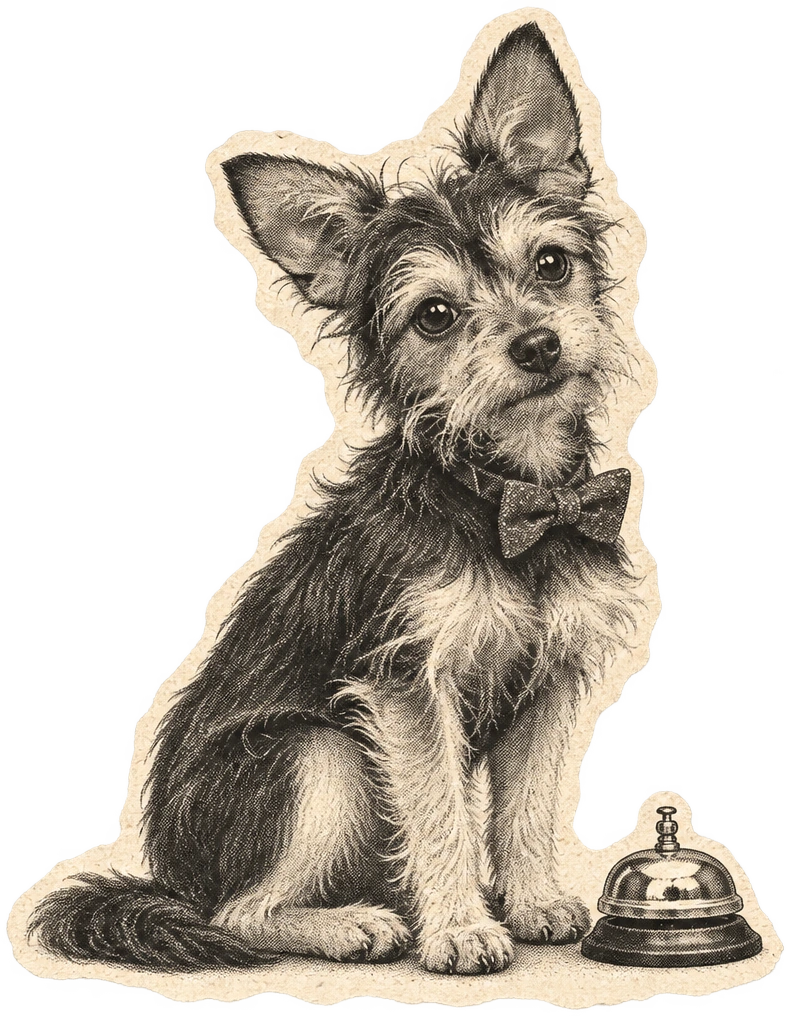
A Chorkie is a Chihuahua and Yorkshire Terrier cross. They’re often small enough to scoop up without thinking, which is exactly why it’s worth thinking before you do. Give them a way to get out of a busy spot on their own feet and fit the harness to the actual dog. Start getting them comfortable with mouth checks early. Finding out they dislike it on the day they’ve got a sore tooth is poor timing for both of you. 123456
Jump to a section
The short version
Teach the dog to come to you or step onto a mat rather than picking them up every time you need them to move. For some dogs, a hand reaching in without warning is the bit they don’t like. Give them a second to move towards you. If they turn away, try a different way to get them where they need to go. 789
Ask your vet to show you how to check the mouth and build up to toothbrushing without a struggle. If the dog starts dropping food, eating on one side or objecting to touch around the mouth, make an appointment rather than brushing more firmly. 5610
Chorkie notes / 01
Handling and mouth checks
| What to sort first | What helps |
|---|---|
| Handling | Give a cue and the option to come closer rather than picking them up without warning. 78 |
| Teeth | Get a routine the dog can tolerate and ask the vet about signs of pain. 5610 |
| Harness | Check security without rubbing or pressing on the throat. 311 |
| Ancestry | Ask what was actually recorded on both sides. 12 |
A name for a cross, not a promise about the dog
A UK terrier rescue has recorded a Chihuahua and Yorkshire Terrier mix as a Chorkie. It’s an informal cross name, not a Royal Kennel Club pedigree breed. For a first cross, you should be able to identify one parent of each breed. Later crosses and incomplete histories make the label less precise. 121213
The Royal Kennel Club separately lists Long Coat and Smooth Coat Chihuahuas. Yorkshire Terriers have a separate listing. Your dog’s coat might tell you what to do with a comb, but it won’t tell you which names are on the paperwork. 241415
Chorkie notes / 02
Separate breeds
Fit small-dog equipment properly
The two parent standards have small reference weights. They aren’t an upper limit or a target for the cross. Don’t buy on a promise that a puppy will always fit in a certain bag. An adult dog’s chest and length are better information than a sales label. 24141516
Check a harness in motion and see whether the dog can back out of it. For a coat or jumper, make sure they can walk without a leg getting trapped. Ask your practice to show you how to work out a healthy weight for the dog rather than feeding them to match a parent’s size. 3111617
Chorkie notes / 03
Fit the kit to the actual dog
Do the coat in small patches
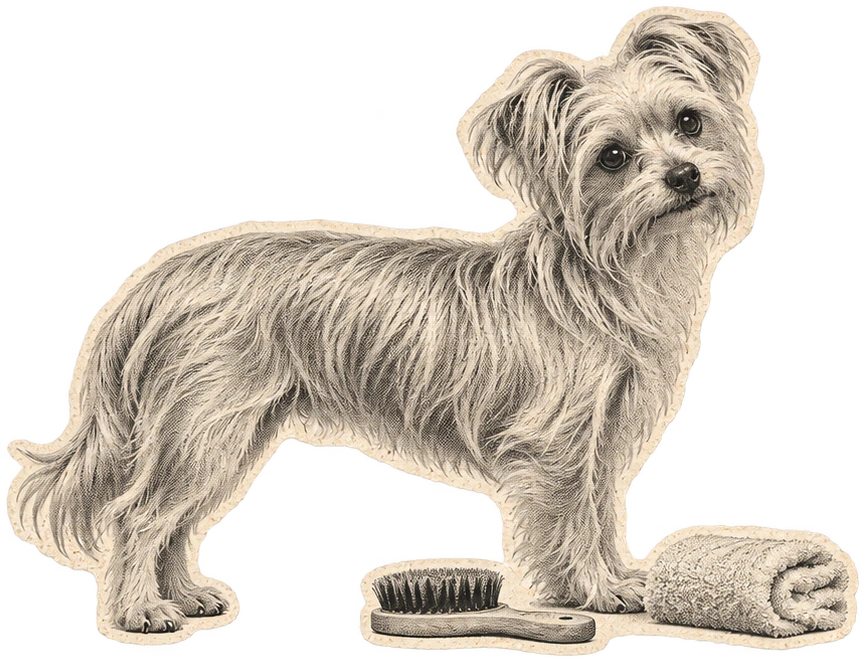
A shorter coat may only need a gentle brush. Silky hair can catch behind the ears and around the legs, so check a patch close to the skin rather than making the surface look neat. Ask a groomer what works for the coat in front of them. Leave tight mats to someone who can get them out without cutting the skin. 21819
Practise a short face check when the dog’s relaxed. They can learn to stay there while you look, without having to let you do all the grooming in one sitting. If the dog starts squinting or a sore eye appears, call the vet rather than assuming a fringe is irritating it. 71921
Chorkie notes / 04
Check one patch at a time
| Where to check | Useful care |
|---|---|
| Behind ears | Check near the roots if the coat tangles. 1819 |
| Legs and under harness | Dry gently after wet walks and check where hair rubs. 1819 |
| Around eyes | Prompt veterinary advice for squinting or holding an eye shut. 21 |
| Nails and feet | Check regularly and ask for a demonstration if trimming is difficult. 1920 |
A small dog still gets to say no
If your dog tucks their head when a visitor leans over, ask the visitor to stand back. Let them meet at floor level if the dog wants to approach. You don’t need to pass them round because they fit in one arm. 7822
Reduce the view if they spend the day rushing to a window. Reward them for settling somewhere else. Don’t treat barking as something you have to live with because the dog is little. If it’s getting worse or you think they’re worried, get help working out what sets it off. 892324
Chorkie notes / 05
Give them room
Little jobs they can do on the floor
Use a mat as a place the dog can choose to go. Reward them when they step onto it. Practise while you can give them your attention, then use it when you need them out from under your feet. It’s more useful than fishing under furniture every time someone opens a cupboard. 925
Put a familiar toy where the dog can find it without climbing onto anything. Watch for a good moment to finish before you add another round. Reward a gentle touch at the side of the mouth during a separate handling session. Stop if they pull away and try an easier step next time. 72526
Give them a walk, not a tour in your arms
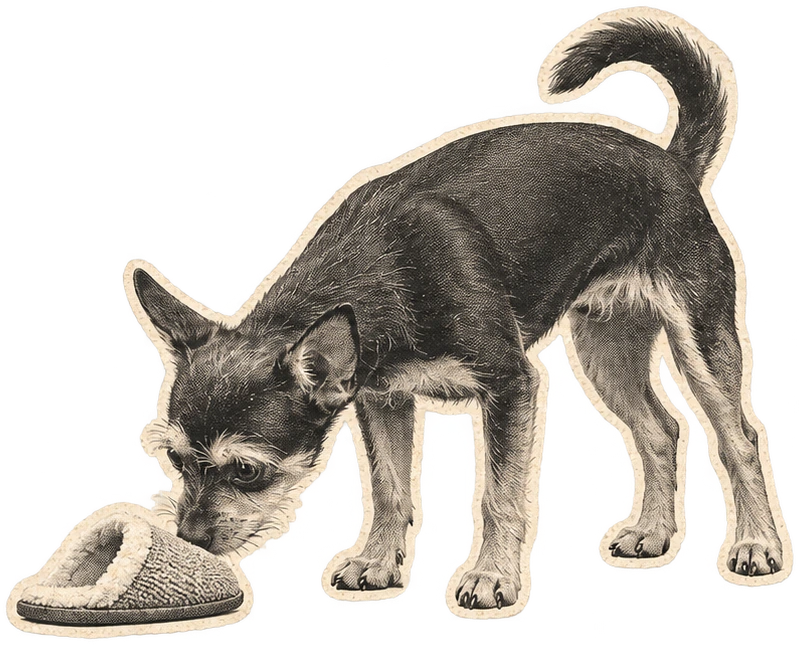
Plan a walk the dog can manage on their feet. Let them sniff at a pace that works for them and give busy feet and bigger dogs extra room. If the route is difficult, pick a quieter one. Carrying a dog for safety is one thing; it doesn’t have to be the whole outing. 3272829
Talk to the vet if they repeatedly skip on a back leg or start limping. A sore knee is one possibility, and a video of what you saw can be useful if it doesn’t delay care. For a persistent cough or a new noisy recovery, book a check as well. Difficulty breathing needs emergency help. 30313233
Chorkie notes / 07
Keep the walk comfortable
| On a walk | Better option |
|---|---|
| Busy path | Pick more space rather than trying to go between feet. 2728 |
| Needs a shorter outing | Match distance to the dog and leave time to sniff. 2629 |
| Skipping step or repeated limp | Get veterinary advice and adjust activity meanwhile. 293031 |
| Difficulty breathing | Emergency veterinary help. Don’t wait for a planned appointment. 33 |
Make it easier to get about at home
Give them a bed out of the main walkway. Look for regular jumps down from furniture or slippery places where they land. If they’re having trouble getting down, block access or ask the vet about safer ways to arrange the room rather than waiting for a stumble. 293134
Teach time alone gradually and check whether they settle after you leave. If they can’t, make the next absence shorter and seek help if it keeps happening. A dog doesn’t become less worried because they’re small enough to share your lap most of the evening. 3536
Children and other pets
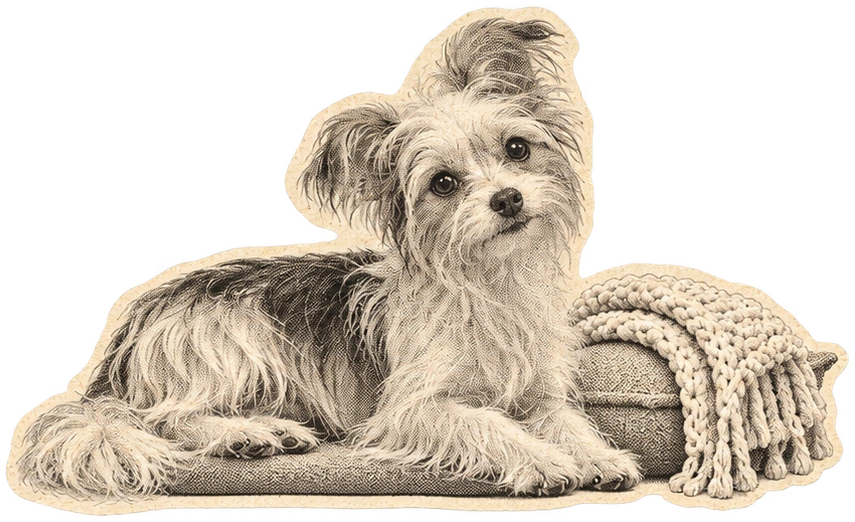
Supervise children and the dog together. Let the child call the dog over rather than taking them off the floor. Keep a quiet spot where children don’t follow. Set that up before the house gets busy and nobody has a free hand. 7837
When introducing a cat, give both animals a way to move away. Put some space between dogs on a first meeting. If there’s a big size difference, don’t leave them to bowl each other over while they work out the rules. End the interaction if either looks worried. 8283839
Parent screening is one part of the health picture
Both Chihuahua coat rows in the November 2026 Royal Kennel Club Health Standard list the BVA/RKC/ISDS Eye Scheme in Best Practice. They note that respiratory grading was recognised in August 2026. They recommend testing now and schedule formal addition for January 2027. The RKC and Cambridge scheme already lists Chihuahua, but doesn’t list Chorkie. The Yorkshire Terrier row has no formal Good or Best Practice entries listed. That does not mean it has no conditions worth discussing. Ask about the actual breeding dogs and what your vet recommends for your dog. 12404142
Dental disease was recorded by UK VetCompass in both parent breeds. That’s a reason to pay attention to the mouth, not a Chorkie diagnosis or a rate for the cross. The UK breed lifespan table doesn’t give a separate Chorkie estimate. If your dog has symptoms, contact your vet instead of trying to decide which side of the family they came from. 56434445
Chorkie notes / 10
Health conditions and screening
| Ask about | What the evidence covers |
|---|---|
| Chihuahua parent | Eye Scheme as November Best Practice. RFG available for Chihuahua; formal addition dated January 2027. 404142 |
| Yorkshire Terrier parent | No formal tests in the dated row. Discuss relevant individual or family conditions with the vet. 44044 |
| The actual dog’s teeth | Ask about a routine and get symptoms checked. An old parent result can’t tell you whether a tooth is sore. 56 |
| Knees | Repeated skipping or limping is worth a vet assessment. 3031 |
| Coughing, noisy or difficult breathing | Ask about repeated changes. Difficulty breathing requires emergency care. 3233 |
| Clinical checks | Look at the actual screening reports and what they tested; gaps aren’t proof of low risk. 4042 |
| Lifespan and disease rates | No representative UK Chorkie figure in the cited sources; don’t copy rates from either parent. 434445 |
A small dog doesn’t come with small vet bills
Ask what routine care costs and how the practice handles dental work if it’s needed. Check what insurance says about dental cover and existing conditions. The monthly cost is only part of what you might have to pay. 5646
Fit the harness before buying another coat. If somebody else walks the dog, show them which routes give enough space and how you ask the dog to move. Buying a bag is easier than explaining the routine, but it isn’t much of a backup plan. 11284647
Chorkie notes / 11
Budget beyond the food
Two histories and an informal name
The Royal Kennel Club’s Chihuahua account connects the breed with Mexico. Its Yorkshire Terrier account describes working dogs that developed in northern England. Those are the parents’ histories. The rescue example shows how the cross name is used, not when the first Chorkie was bred. 14849
A dog who looks quite Yorkshire Terrier might prefer standing on the rug watching you to getting involved in whatever the old breed description says. Get down to their level and see what they choose to do. That’s where the useful part of the story starts. 82649
Before and after bringing one home
If you’re buying a puppy, meet them with their mum and ask to see named screening results. Get the actual parent information instead of a promise that the dog will be exceptionally tiny. If you’re adopting, find out how the dog reacts when someone picks them up and what they’ve been comfortable doing on foot. 27125051
If they’re already with you, teach one easy way for them to move out of a busy spot. Try a short mouth-handling session at a quiet time unless you think something hurts. Put the vet’s number somewhere everyone can find it and call if there’s a new symptom. 57910
Chorkie notes / 13
Ask for evidence you can use
| Find out | What to ask or do |
|---|---|
| Ancestry | Ask which dog is documented on each side. 12 |
| Health checks | Look at the actual records. Speak to your vet about mouth and joint care. 53040 |
| Handling | See how they like to move and how they respond to a nearby hand. 78 |
| First week | Set up a quiet place, a properly fitted harness and a veterinary contact. 91151 |
Sources
- S1Terrier SOS UK rescue’s documented Chihuahua and Yorkshire Terrier crossSource · checked 21 November 2026
- S2Royal Kennel Club crossbreed names and variable inheritanceSource · checked 21 November 2026
- S3PDSA Chihuahua care and harness adviceSource · checked 21 November 2026
- S4Royal Kennel Club Yorkshire Terrier breed standardSource · checked 21 November 2026
- S5PDSA dental disease signs and veterinary adviceSource · checked 21 November 2026
- S6PDSA vet guidance on dog tooth careSource · checked 21 November 2026
- S7Dogs Trust dog handling and letting animals move awaySource · checked 21 November 2026
- S8Dogs Trust body language and consent signalsSource · checked 21 November 2026
- S9Dogs Trust quiet settle and mat trainingSource · checked 21 November 2026
- S10PDSA mouth and tooth checksSource · checked 21 November 2026
- S11Dogs Trust safe leads and harness fitSource · checked 21 November 2026
- S12Royal Kennel Club generations and health tests in crossesSource · checked 21 November 2026
- S13Royal Kennel Club recognised pedigree breedsSource · checked 21 November 2026
- S14Royal Kennel Club Chihuahua Long Coat standardSource · checked 21 November 2026
- S15Royal Kennel Club Chihuahua Smooth Coat standardSource · checked 21 November 2026
- S16PDSA body condition and healthy dog weightSource · checked 21 November 2026
- S17Dogs Trust safe travel and comfortable dog equipmentSource · checked 21 November 2026
- S18PDSA grooming dogs with different coatsSource · checked 21 November 2026
- S19PDSA Yorkie care, coat and veterinary contextSource · checked 21 November 2026
- S20PDSA how to get advice and learn to clip a dog’s nailsSource · checked 21 November 2026
- S21PDSA urgent advice for painful or closed eyesSource · checked 21 November 2026
- S22Dogs Trust preparing for visitorsSource · checked 21 November 2026
- S23Dogs Trust managing barking at windows and other triggersSource · checked 21 November 2026
- S24RSPCA reward-based training and qualified professional supportSource · checked 21 November 2026
- S25Dogs Trust positive reinforcementSource · checked 21 November 2026
- S26Dogs Trust floor-based enrichment and scent gamesSource · checked 21 November 2026
- S27Dogs Trust Chihuahua walk and enrichment contextSource · checked 21 November 2026
- S28Dogs Trust walking around triggers and making spaceSource · checked 21 November 2026
- S29PDSA adapting exercise for the individual dogSource · checked 21 November 2026
- S30PDSA luxating patella symptoms and veterinary careSource · checked 21 November 2026
- S31PDSA new limping, stiffness and veterinary helpSource · checked 21 November 2026
- S32PDSA coughing in dogs and clinical adviceSource · checked 21 November 2026
- S33PDSA emergency advice for pets having difficulty breathingSource · checked 21 November 2026
- S34PDSA non-slip flooring and mobility adjustmentsSource · checked 21 November 2026
- S35Dogs Trust gradual time-alone trainingSource · checked 21 November 2026
- S36PDSA separation distress and getting helpSource · checked 21 November 2026
- S37Dogs Trust active supervision for children and dogsSource · checked 21 November 2026
- S38Dogs Trust safe cat and dog introductionsSource · checked 21 November 2026
- S39Dogs Trust introducing a dog to another dogSource · checked 21 November 2026
- S40Royal Kennel Club Health Standard for Chihuahua coats and Yorkshire Terrier, including January 2027 stagingSource · checked 21 November 2026
- S41Royal Kennel Club and Cambridge current Respiratory Function Grading scheme eligibilitySource · checked 21 November 2026
- S42British Veterinary Association canine health screening scope and limitsSource · checked 21 November 2026
- S43Original UK VetCompass study of Chihuahuas under 2016 primary careSource · checked 21 November 2026
- S44Original UK VetCompass study of Yorkshire Terriers under 2016 primary careSource · checked 21 November 2026
- S45Dogs Trust UK dog lifespan table by recorded breedSource · checked 21 November 2026
- S46PDSA typical dog ownership costs and insurance considerationsSource · checked 21 November 2026
- S47Dogs Trust how to choose a dog walkerSource · checked 21 November 2026
- S48Royal Kennel Club Chihuahua history and breed profileSource · checked 21 November 2026
- S49Royal Kennel Club Yorkshire Terrier history and breed profileSource · checked 21 November 2026
- S50RSPCA responsible puppy purchase and meeting the motherSource · checked 21 November 2026
- S51Dogs Trust settling a rehomed dog at homeSource · checked 21 November 2026
