
Breed guide / Bedlington Terrier
Living with a Bedlington Terrier
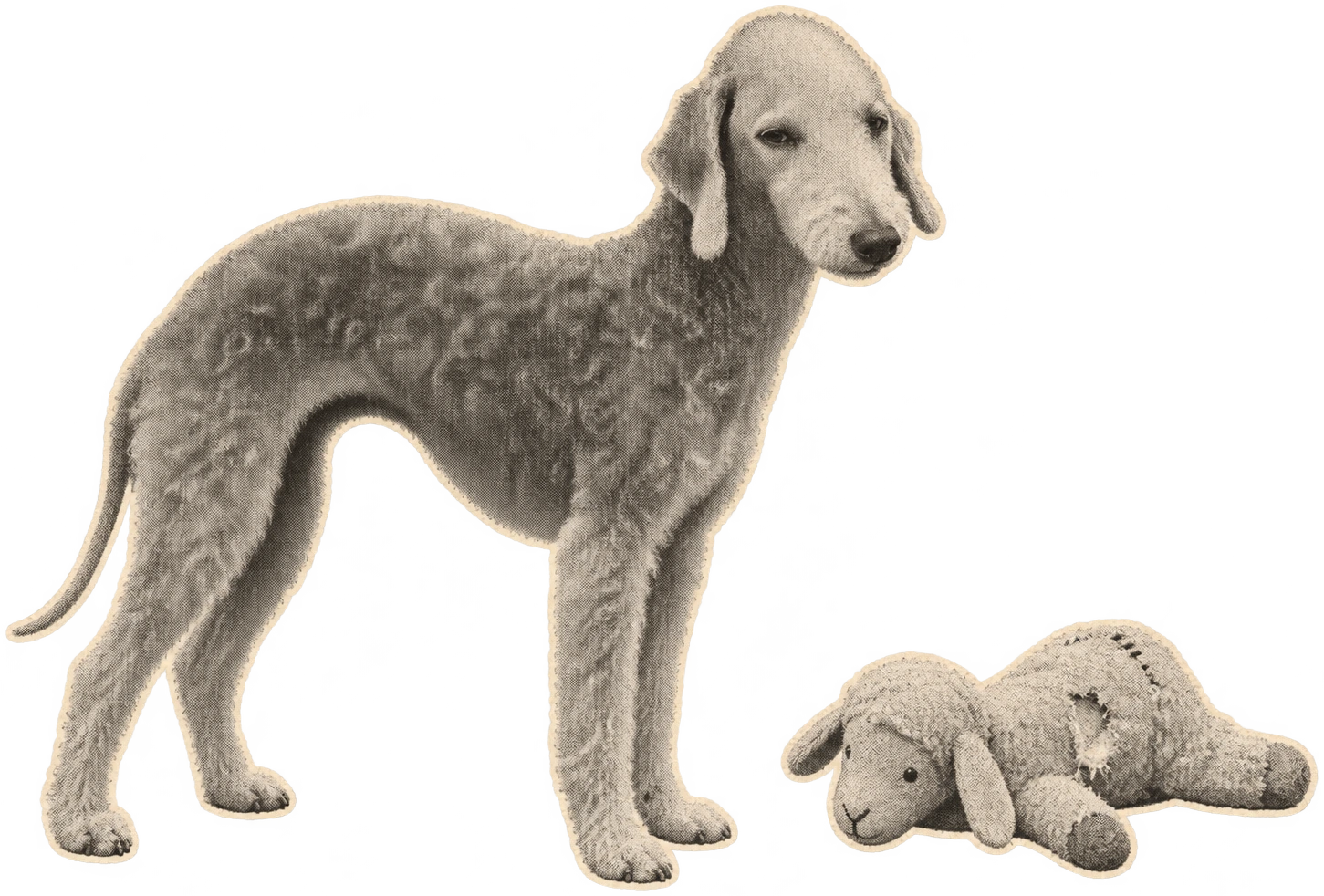
The Bedlington Terrier is a lightly built Northumberland terrier with an arched back, a narrow head and a coat that can make it look like a lamb from the right angle. Then something moves in the hedge and you remember which animal you’ve actually brought out. The day-to-day jobs are keeping the soft coat manageable, giving them a way to put that nose to work and knowing what the copper toxicosis test does and doesn’t tell you. 12345
Jump to a section
The short version
On walks, notice when your dog spots something before you do. If their head snaps round and the body goes still, add a bit of distance and ask them to come with you while they still can. The useful practice is turning away from something mildly interesting, not trying it out when the rabbit is already halfway across the field. 3 6 7 8
Get used to parting the coat under the collar and checking between the toes. Keep the vet’s copy of any copper test result with the actual gene and test name. “Clear” on its own has been used for more than one test and doesn’t make every future liver problem impossible. 4 5 9 10 11
Bedlington Terrier notes / 01
Where to start
| Start here | First move |
|---|---|
| On a walk | Practise leaving lower-level distractions before relying on the cue. 6 8 |
| Coat after a walk | Check under straps and down at paw level, not just the haircut. 9 10 |
| Vet records | Keep the actual lab report, not just the word “clear”. 4 5 11 |
| An off day | If reduced appetite, weight loss or vomiting persists, speak to the vet. 12 13 |
Bedlington is a place as well as a haircut
The Royal Kennel Club lists Bedlington Terrier as its own breed. Rothbury Terrier is a name from older accounts of the same Northumberland dog, not a separate coat type. A Bedlington Whippet usually means a cross; you can’t assign it this breed’s standard or its health evidence from the name alone. 1 2 14 15
Light on its feet isn’t the same as tiny
The UK standard gives a height of about 41 cm at the shoulder, with slight variation, and a weight of 8–10 kg. That describes the standard, not what your dog should weigh at the next vet visit. There’s a deep chest under that coat, so use a tape measure and check the harness when they’re walking or turning. 2 16 17
Feel for ribs and look for the waist rather than copying the outline in a breed photo. If they’ve just had a shorter trim they can look surprisingly different without putting on or losing anything. Use the same way of checking body condition from one visit to the next. 2 9 17
The coat needs more than the occasional makeover
The breed standard describes a thick, linty coat with a curl or twist, especially around the head. In practice it can mat, and a neat surface doesn’t tell you what’s going on below it. Part a small area with your fingers and gently work through it, including near the collar, behind the ears and where the legs meet the body. Ask a groomer to show you what works on your dog. 2 3 9 10
After a damp, muddy walk, check the lower legs for bits of grass and get the coat dry rather than leaving it in a wet harness. Find out what a practical pet trim does to the amount of brushing you need, instead of treating a show outline as compulsory. If a knot is too close to sore skin to tease apart easily, don’t cut it out at home. 2 3 9 10 18
Bedlington Terrier notes / 04
Where the coat knots
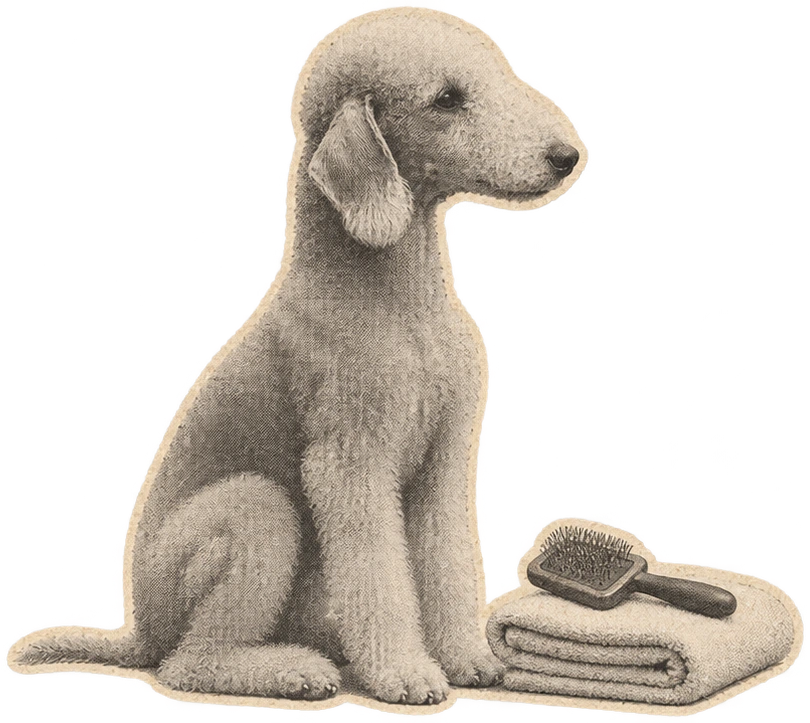
| Check here | One useful thing to do |
|---|---|
| Behind ears and beneath collar | Separate hair before deciding it’s knot-free. 9 |
| Lower legs and toes | Get out loose grass, seeds or grit so they don’t stay tangled. 9 10 |
| Harness area | Dry the coat and recheck whether straps rub. 9 16 |
| Skin under a mat | Stop tugging and get help if it’s tight or sore. 9 18 |
Watch what happens before the chase
A Bedlington can look quite composed while keeping track of everything along the verge. Plenty of dogs get excited about something moving, but not all Bedlingtons will react the same way. Find out what sets your individual dog off. On narrow routes, move away while there’s still room rather than waiting to see what the squirrel does. 3 6 7 19
Barking at the back fence and barking because the house is empty need different responses. Shift the lookout if there’s something outside that keeps setting them off. If it only happens while you’re away, a short recording can show you whether they’re having trouble settling. 20 21 22
Bedlington Terrier notes / 05
Spot the first look
| What you see | What to try first |
|---|---|
| Staring towards the hedge | Change direction before they reach the end of the lead. 6 7 |
| Barking at an outside trigger | See if cutting off the view gives them a break. 20 |
| Pacing or barking alone | Review what happens after you leave and get help with persistent distress. 21 22 |
Get the good bit of a chase without chasing anything
Try letting them find a toy hidden in easy grass or a bit of food in a shallow open box. Let them finish before taking the toy away. Search games are one way to give them something to do with that focus without winding them up more and more. If they lose interest, make it easier rather than turning the lounge upside down to hide the next thing. 8 23 24
Practise recall in a safe place first. A long line on a fitted harness gives you a backup on suitable ground, but it isn’t much use if you’re trying to manage it beside a busy road. Reward coming all the way back, and give the dog a chance to slow down once the game’s over. 8 16 24 25
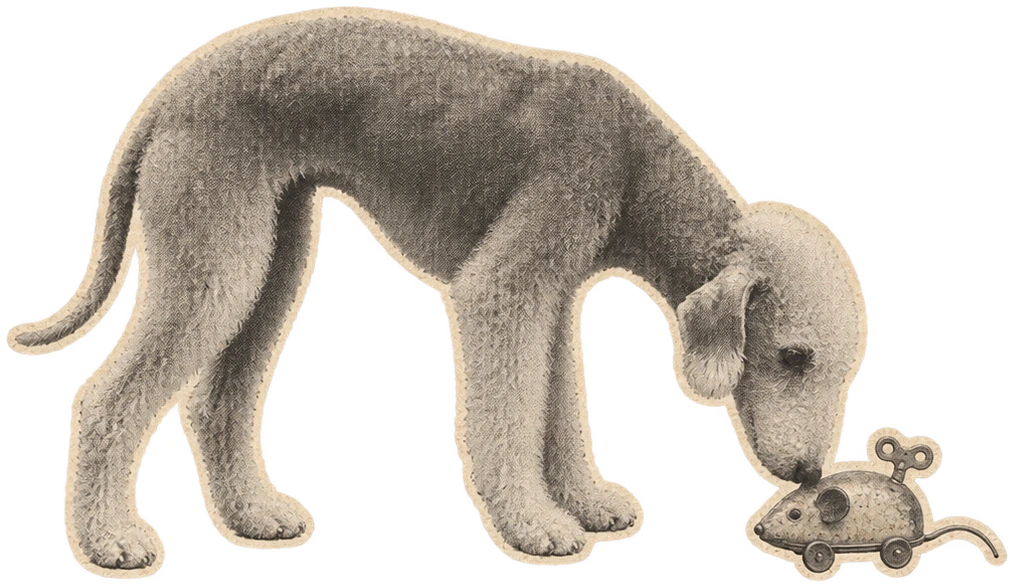
Give the dog a decent walk without testing its recall next to a rabbit warren
Find somewhere they can stretch their legs and sniff rather than only doing laps of the same pavement. Keep a lead on where wildlife, livestock or roads make a chase unsafe. If you want them to run off lead and haven’t got a reliable return yet, use a properly secure place rather than trusting a field because it looks empty. 6 8 26 27
On hot days change the time or length of the outing. Look out for repeat limping, paw licking or unexpected reluctance on familiar ground. Discuss persistent changes with a vet rather than writing them off as a dog that’s simply bored with the route. 10 28 29
Bedlington Terrier notes / 07
Pick the easier route
| Situation | Sensible plan |
|---|---|
| Open space and wildlife | Work at a distance you can manage; keep a backup lead. 6 8 |
| Livestock ahead | Shorten the lead and keep well away. 27 |
| A warm afternoon | Choose a shorter or cooler walk suited to your dog. 26 28 |
| Repeated skipping or limping | Talk to the vet and note when it happens. 29 |
Look at the garden from somewhere near the ground
Check under the gate and behind the shed rather than just looking over the fence. If next door’s cat is always on the wall, don’t leave the dog to rehearse launching itself after the cat every time they go out. Interrupt early and give them something better to do elsewhere in the garden. 6 23 30
Make somewhere dry to lie down that isn’t right alongside the front window. Put the towel and comb by the entrance, so the dog doesn’t get to the sofa with half a hedge still in its coat before you remember where they are. Help them settle for short periods apart before expecting them to cope with your full working day. 9 21 25
Bedlington Terrier notes / 08
Check at dog height
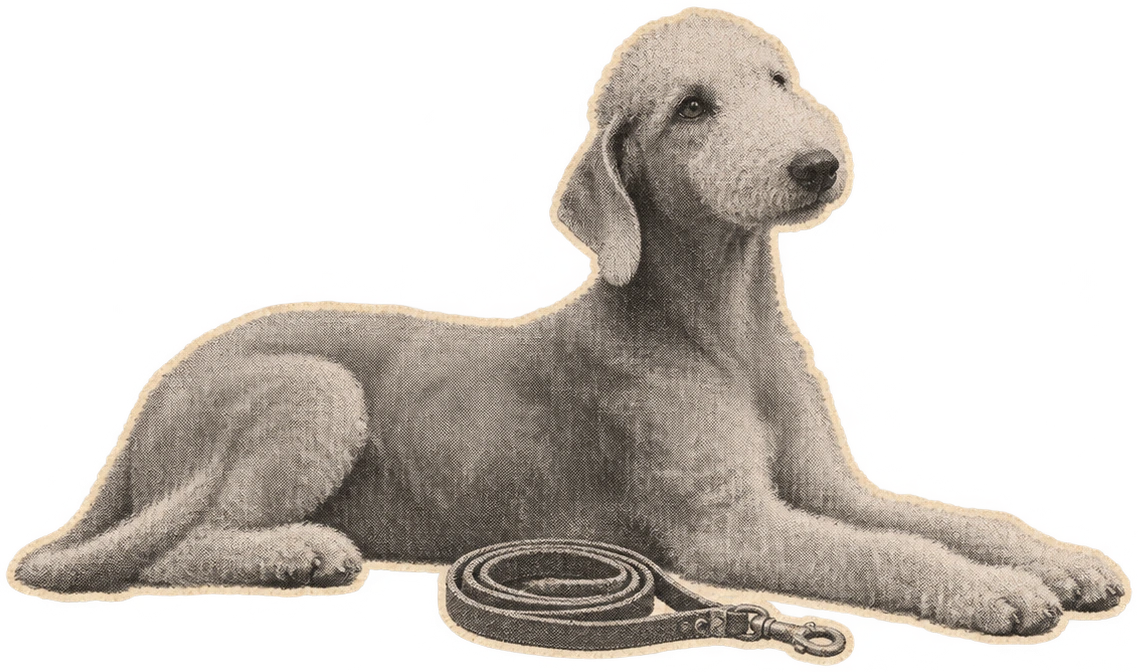
What’s living here matters as much as what’s on the breed label
With kids, let the dog have somewhere they can get away from games. Ask children to leave them alone when they’re sleeping and have an adult close enough to intervene. If the dog is following feet or clothes when things get busy, separate them calmly before somebody gets upset. 6 19 31
For cats or small pets, give them safe separate areas. A dog that has lived calmly alongside one cat hasn’t proved what it will do when a different one runs. Use controlled introductions and make sure the smaller animal isn’t responsible for getting itself out of the way. 6 32 33
Copper toxicosis: find out exactly what was tested
Copper toxicosis involves excess copper building up in the liver. The Royal Kennel Club lists direct COMMD1 testing as Good Practice and the BVA/RKC/ISDS Eye Scheme as its additional Best Practice screening. Older linkage tests followed a nearby marker, not the deletion itself. A current direct COMMD1 result is valuable for that particular deletion; even a direct COMMD1 clear does not rule out every cause of copper accumulation. If there’s an old certificate, ask whether it was linkage or a direct test. 1 4 5 11 34 35
In one 2023 study of 24 affected and 10 unaffected Bedlingtons, an ATP7B variant was associated with affected dogs. The study didn’t find a group difference for the ABCA12 variants it examined. This is a small selected sample, not a UK prevalence estimate or a universal DNA screen. A commercial panel can look for specific variants; it’s not a liver check and isn’t the same as the RKC list. Ask the vet how to interpret the actual report, especially if there’s a family history. 5 34 36 37
Talk to the vet about ongoing appetite loss, weight loss, vomiting or changes in energy. Get urgent advice about yellow gums or eyes; a collapse is an emergency. Don’t start a specialist diet or supplements based on an old certificate. The 2024 Dogs Trust study reported a breed median lifespan of 13.7 years, which is a group estimate, not the future of one dog. 12 13 37 38 39 40
Bedlington Terrier notes / 10
Health conditions and screening
| Topic | What to check |
|---|---|
| Current COMMD1 test | Direct test for a specific deletion, not a clean bill for the liver. 4 5 |
| Old linkage certificate | Find the method and check what was actually measured. 5 11 |
| ATP7B and other panels | Ask the vet about variants tested and what the evidence can support. 5 36 |
| Eyes | The separate clinical scheme is part of Best Practice for breeding. 1 35 |
| Lifespan | UK median 13.7 years, not a forecast for yours. 39 40 |
| Screening history | Get each parent’s named test, date, result and family information. 1 41 |
| Symptoms and urgent conditions | Get yellow gums or eyes checked urgently and call for emergency advice if they collapse. 12 38 |
Ask what the trim costs with your dog in front of them
Get grooming prices for the cut you actually want and the maintenance it needs. Ask whether the quote changes with a tangle and what happens if your dog is worried about having its feet handled. A good groomer won’t need to give it the exact outline you saw on a dog show to make the coat easier to live with. 2 3 9 42
Check insurance exclusions and ongoing limits, and discuss how the policy treats inherited conditions if it’s not clear from the wording. Add in routine vet checks and a walker if you need one. Tell the walker if they’ll be taking a dog who spots a rabbit about four seconds before everyone else. 6 42 43
Bedlington Terrier notes / 11
The real costs
| Cost | Ask about |
|---|---|
| Grooming | A pet trim, brush-out and any extra work for mats. 3 9 |
| Insurance | Excesses, inherited-condition wording and cover over time. 42 |
| Support when you’re out | Whether the person can manage familiar distractions on a lead. 6 43 |
| Routine care | Vet costs and kit fitted to the actual dog. 16 42 |
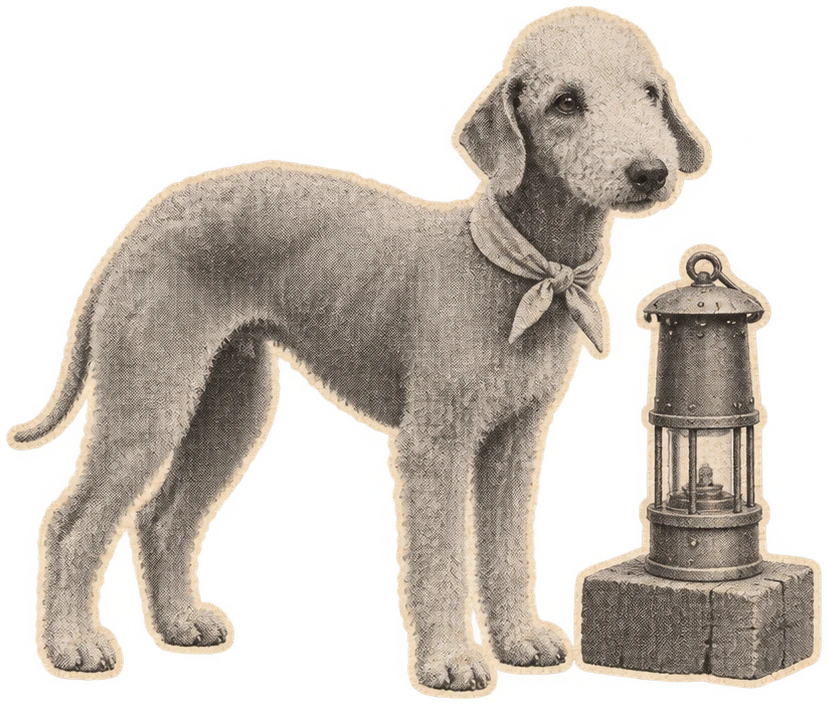
A Northumberland terrier before the lamb jokes
The Royal Kennel Club places the breed’s development around Bedlington and Rothbury. It started as a working terrier, not as a dog bred to look like a lamb. The coat and the outline are easy to spot. The useful bit for day-to-day life is remembering that there’s a light, quick dog underneath them, with its own preferences about what’s worth a look. 1 2 3 44
Bedlington Terrier notes / 12
Mining town roots
Ask to see the adult before the puppy sells you the idea
If you’re adopting, find out what happens on a lead and how the dog is with brushing, time alone and smaller animals. Ask where that was seen. A quiet walk with the foster carer and a busy kennel might tell you different things. Sort out a safe route and a calm rest spot for the first few days. 6 9 21 32 45
If there’s a litter, see the pups with their mum and check both parents’ screening results. Keep a copy of the real copper and eye paperwork. Ask what’s known about liver illness in the family, even when the direct COMMD1 result is clear. Spend ten minutes with a grown one outside if you can. The puppy has already made its case while it’s asleep. 1 4 5 35 41 46
Bedlington Terrier notes / 13
Ask about real life
| Ask | Why it helps |
|---|---|
| Which copper test was actually done? | Identifies the method, scope and result rather than relying on “clear”. 4 5 11 |
| What’s known about liver problems in close relatives? | Gives your vet context beyond the certificate. 5 37 |
| What do they do around moving animals? | Helps plan routes, lead use and safe introductions. 6 8 32 |
| What coat handling is already easy? | Gives you a sensible place to start grooming. 9 18 |
Sources
- S1Royal Kennel Club Bedlington Terrier breed, origin and current Good and Best practiceSource · checked 21 November 2026
- S2Royal Kennel Club Bedlington Terrier UK written standardSource · checked 21 November 2026
- S3PDSA veterinary Bedlington Terrier owner profileSource · checked 21 November 2026
- S4Royal Kennel Club specific COMMD1 copper toxicosis DNA testSource · checked 21 November 2026
- S5Haywood et al. 2023 original Bedlington copper toxicosis variant study, sample and historic linkage detailsSource · checked 21 November 2026
- S6Dogs Trust practical advice for chasing animals, people or trafficSource · checked 21 November 2026
- S7Dogs Trust loose-lead walking and turnsSource · checked 21 November 2026
- S8Dogs Trust recall and long-line guidanceSource · checked 21 November 2026
- S9PDSA grooming and caring for coat and skinSource · checked 21 November 2026
- S10PDSA checking coat, paws and condition at homeSource · checked 21 November 2026
- S11Royal Kennel Club dated historical scheme records distinguish linkage and COMMD1Source · checked 21 November 2026
- S12PDSA veterinary liver disease signs and care seekingSource · checked 21 November 2026
- S13PDSA veterinary guidance on appetite changesSource · checked 21 November 2026
- S14Royal Kennel Club Whippet, separate UK breedSource · checked 21 November 2026
- S15Bedlington Terrier Rescue Foundation distinguishes a Bedlington Terrier and Whippet cross from a pedigree BedlingtonSource · checked 21 November 2026
- S16Dogs Trust introducing and fitting a harnessSource · checked 21 November 2026
- S17PDSA assessing body condition in an individual dogSource · checked 21 November 2026
- S18Dogs Trust comfortable handling and groomingSource · checked 21 November 2026
- S19Dogs Trust reading canine body languageSource · checked 21 November 2026
- S20Dogs Trust identifying and reducing barking triggersSource · checked 21 November 2026
- S21Dogs Trust easing a dog into time aloneSource · checked 21 November 2026
- S22Dogs Trust signs and support for distress when aloneSource · checked 21 November 2026
- S23Dogs Trust enrichment activities and scent gamesSource · checked 21 November 2026
- S24Dogs Trust positive reinforcement methodsSource · checked 21 November 2026
- S25Dogs Trust mat and settle trainingSource · checked 21 November 2026
- S26PDSA tailoring exercise to age and healthSource · checked 21 November 2026
- S27Natural England countryside code, dogs and livestockSource · checked 21 November 2026
- S28Dogs Trust warm-weather safetySource · checked 21 November 2026
- S29PDSA veterinary advice on limpingSource · checked 21 November 2026
- S30Dogs Trust preventing escape and checking boundariesSource · checked 21 November 2026
- S31Dogs Trust safety with children and dogs at homeSource · checked 21 November 2026
- S32Dogs Trust gradual cat introductions and escape spaceSource · checked 21 November 2026
- S33Dogs Trust introducing another dog and keeping resources separateSource · checked 21 November 2026
- S34Royal Kennel Club current central Health Standard, Bedlington rowSource · checked 21 November 2026
- S35British Veterinary Association clinical Eye SchemeSource · checked 21 November 2026
- S36UC Davis Veterinary Genetics Laboratory on tested copper variants and limitationsSource · checked 21 November 2026
- S37Veterinary-reviewed MSD Veterinary Manual on copper toxicosisSource · checked 21 November 2026
- S38PDSA veterinary first aid for a collapsed petSource · checked 21 November 2026
- S39McMillan et al. 2024 original UK longevity studySource · checked 21 November 2026
- S40Dogs Trust original UK breed-specific median lifespan tableSource · checked 21 November 2026
- S41Royal Kennel Club checking actual recorded resultsSource · checked 21 November 2026
- S42PDSA routine ownership and insurance costsSource · checked 21 November 2026
- S43Dogs Trust finding a suitable walkerSource · checked 21 November 2026
- S44Midland Bedlington Terrier Club UK illustrated breed-standard interpretationSource · checked 21 November 2026
- S45Dogs Trust settling a rescue dogSource · checked 21 November 2026
- S46RSPCA breeder and puppy visit guidanceSource · checked 21 November 2026
