
Breed guide / Bearded Collie
Living with a Bearded Collie
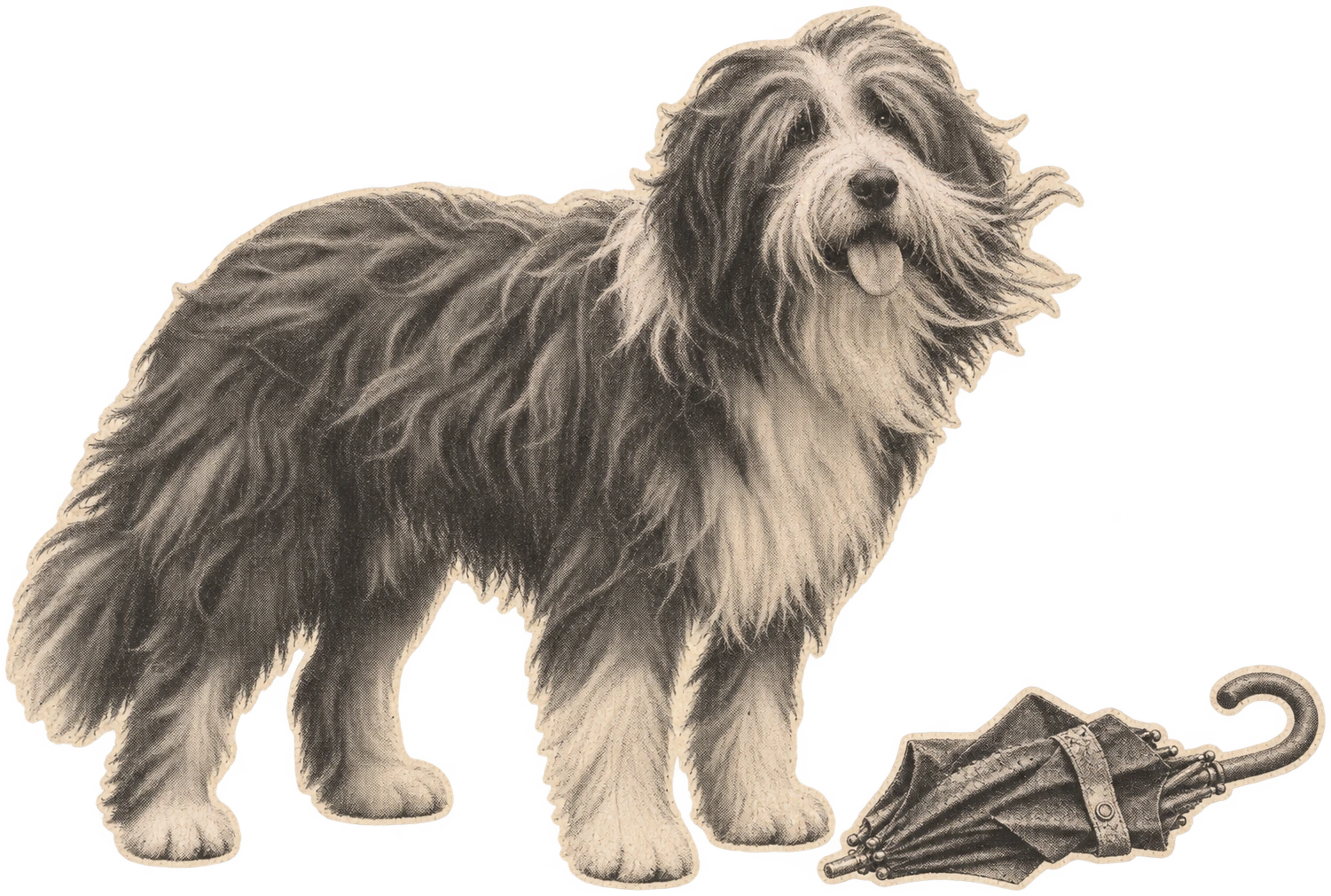
The Bearded Collie is a shaggy, medium-sized Scottish herding dog, built to cover rough ground. Look past the fringe and you’ve got a dog that may be paying very close attention to what’s moving, whether that’s sheep, a football or the kids legging it down the garden. At home you’ll get quite good at finding burrs by touch, and at telling the difference between a dog that fancies a walk and one that needs help winding down. 1234
Jump to a section
The short version
Check the coat after a walk, before you both sit down. Look under the harness, in the armpits and between the toes. It’s much quicker to get a burr out now than to find it wrapped in a tight knot after two more walks and a roll on the carpet. 2 3 5 6
If your Beardie stops and stares as the jogger goes past, don’t wait to find out what happens next. Move away and reward them for coming with you. Practise a quiet end to the walk as well. Getting a dog off the field and getting them out of work mode can be two different things. 7 8 9
Bearded Collie notes / 01
First things first
| Start here | Do this first |
|---|---|
| After the walk | Feel for burrs and tangles where the coat rubs. 5 6 |
| Fast movement | Create distance as soon as you see them fix on it. 7 10 |
| Back at home | Make a spot to settle somewhere out of the traffic. 9 |
| Outdoor recall | Practise with a line on a fitted harness where it’s safe to do so. 8 11 |
A Beardie is its own sort of collie
The Bearded Collie, also called the Beardie, is a separate breed from the Border Collie and from the Rough and Smooth Collies. The UK standard describes a lean dog under a shaggy outer coat, with longer hair around the cheeks, lower lips and chin. If you’re looking up a health test, type the full breed name. “Collie” alone takes you to all sorts of different recommendations. 1 2 12 13 14
Measure the dog, not the furry bit
The UK standard gives ideal shoulder heights of 53–56 cm for males and 51–53 cm for females. The dog underneath is leaner than the coat makes it look. Feel for the ribs and waist when checking body condition; looking at them from above is a bit like trying to guess what size coat someone’s wearing under a duvet. 2 15
Check a harness when the dog’s walking, not just standing on the shop floor. Fluff can bunch under a strap and hide where it’s rubbing. Part the coat and have a look, particularly if you’ve just changed the fit. 6 11
The beard isn’t the fiddly bit
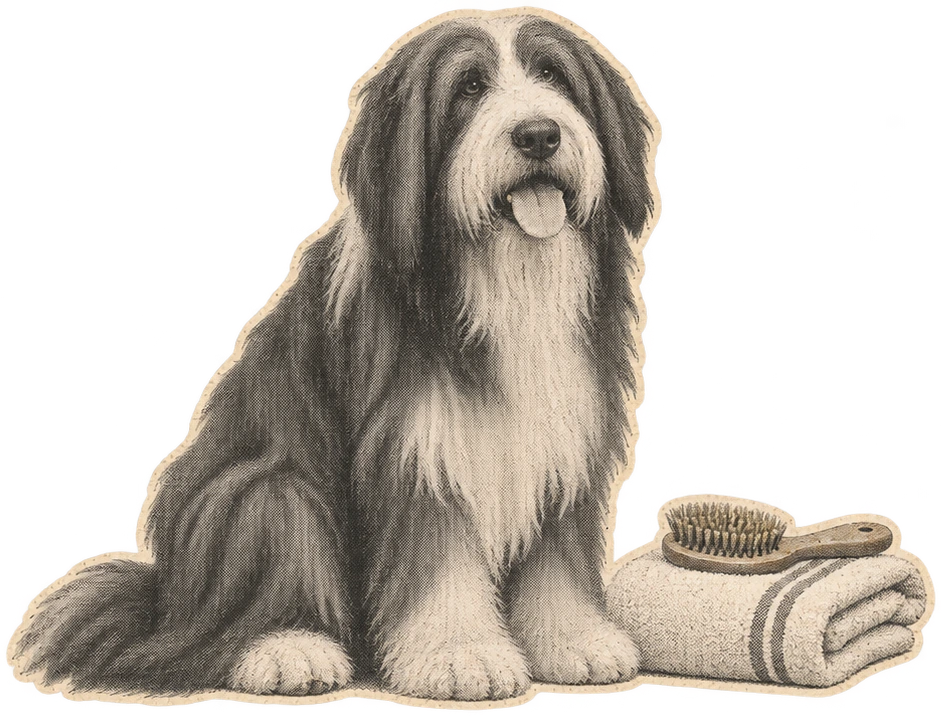
The long outer coat covers a softer undercoat. Separate the hair with one hand and work a short section through gently rather than just running a brush over the top. Start with the bits you can do comfortably and check the armpits, collar area and behind the ears before you call it done. A long fringe can fall over nice healthy eyes, but if one eye is red or held shut, don’t assume it’s just the hair. 2 3 5 16
Wipe and dry the beard after a meal if it’s full of food or stays wet. Check the lower legs and paws after muddy walks. If a mat is close to the skin or the skin looks sore, stop rather than tugging on it or taking scissors to it. A groomer can help with mats; sore skin is one for the vet. 5 6 17
Bearded Collie notes / 04
Where the knots hide
| Bit that gets missed | What to check |
|---|---|
| Armpits and collar area | Friction and small knots tucked under the top coat. 5 11 |
| Beard | Food caught under the chin or fur that stays damp. 5 6 |
| Paws and lower legs | Burrs and debris after rough ground. 5 6 |
| Base of the coat | Stop if tangles are tight or skin looks sore. 5 17 |
A fringe doesn’t stop them watching the whole room
With some Beardies it’s obvious what they’re following. Others stand quite still, then do something about it. If feet, wheels or another animal get their attention, look for the bit before the big reaction. A stiff posture and a long stare are better moments to turn away than the point when you’re being towed towards a scooter. 4 7 10
For a dog that gets excited when everyone starts moving, set up some quiet space before the school run or a visit starts. If a dog that was fine being handled suddenly backs away from a brush or the harness, consider discomfort rather than deciding they’ve got difficult overnight. 6 10 18
Bearded Collie notes / 05
Spot the moment before
| What you notice | Change to try |
|---|---|
| Long stare at something moving | Take a wider route before the lead tightens. 7 10 |
| Door or hall turns chaotic | Prepare a calm spot or barrier before visitors come through. 9 19 |
| Sudden new handling sensitivity | Check for tangles or rubbing and seek vet advice if pain is possible. 6 18 |
Give them an off switch as well as a good recall
Reward a few seconds on a mat when the house is quiet. Give them time to relax there and don’t use it to trap them while you deal with a knot. With grooming, touch or brush a small area they’re comfortable with, let them move off, then try another little bit later. The aim is a dog that will happily come back, not a record for how long you can brush them in one go. 5 9 18
Practise recall somewhere dull before you ask for it near something worth watching. If your Beardie comes back when you’re alone in the garden, that’s a useful start, not much evidence about what will happen when a bike shoots past. Keep the line on where you don’t have safe space. 7 8 11
Walk somewhere they can use their head without losing it
Use outings to move, sniff and practise coming away from things. If your route runs past traffic and bikes the whole way, look for somewhere with enough room to make those normal moments easier. If you’d like to try an activity together, short search games or a reward-based class are useful starts. The breed’s working past doesn’t mean your dog needs harder and harder exercise to be happy. 1 7 20 21
Keep the lead on around livestock and give the animals space. In warmer weather, shorten the route or move it to a cooler time, particularly if the dog is having trouble settling after ordinary exercise. Match the outing to the dog’s age, health and comfort. 20 22 23
Bearded Collie notes / 07
Take the quieter way
| Situation | Plan |
|---|---|
| Narrow pavement and bikes | Pick a wider route to practise calmer passes first. 7 |
| Ordinary cool day | Add sniffing and simple search games to a varied outing. 20 21 |
| Sheep or cattle nearby | Use a lead and keep well clear. 8 23 |
| Hot day or sore dog | Reduce the outing and ask the vet about new discomfort. 20 22 24 |
Get the wet one through the door without a lot of shouting
Put a towel within reach of the door before you go out. Get a basic routine going: dry the dog on a non-slip mat, check the places that collect bits, then leave them alone to settle. The dry towel shouldn’t be on the far side of the kitchen, because your Beardie will get the whole distance there in one glorious shake. 5 6 9 25
Give the dog a place they can get to when things are busy, and leave room to move away from other pets. Practise small amounts of time apart if they’re comfortable. A recording can help if you can’t tell whether the noise starts as you shut the door or after they’ve been alone a while. 19 26 27
Bearded Collie notes / 08
Towel at the ready
Kids running is a lot different from kids sitting down
A dog that lies beside a child reading may react very differently to the same child running with a ball. If the dog stares, follows closely or gets overexcited, put a barrier between the game and the dog. Don’t ask the child to manage it or decide the dog is only doing its job. 7 10 28
With a cat or a smaller pet, give each animal its own safe space and make sure the dog can’t block the exit. Past experience living with another pet can help you plan, but it isn’t a substitute for slow introductions and watching what your actual dog does. 4 29 30
Health: joints, a specific eye test and signs to take seriously
The Royal Kennel Club’s individual Bearded Collie page highlights genetic diversity under Good Practice and lists the CEA/CH DNA test plus hip and elbow screening under Best Practice. Ask for the parents’ actual hip and elbow results and the named DNA test, rather than “all clear”. The CEA/CH test covers a particular inherited eye condition, not all sight problems and not a replacement for getting a painful eye examined. 1 16 31 32 33 34 35 36
Addison’s disease is worth being aware of without assuming every upset stomach is Addison’s. The 2020 Bearded Collie genetics study compared 55 cases with 85 controls; that design cannot tell us how common Addison’s is in UK Beardies. Repeated unexplained vomiting, diarrhoea or low appetite is worth telling the vet about. Sudden collapse needs emergency advice, whatever the breed. 37 38 39
In the Dogs Trust 2024 UK study the Bearded Collie median lifespan was 13.9 years. That number describes a recorded population, not the age you should expect one particular dog to reach. 40 41
Bearded Collie notes / 10
Health conditions and screening
| Topic | What you can use |
|---|---|
| Hips and elbows | Ask for screening results before breeding or buying; get new limps checked. 1 24 35 36 |
| Eyes | Know which condition the CEA/CH test covers and seek advice about discomfort or changes in sight. 16 34 |
| Addison’s | Tell your vet about recurrent signs; don’t work out odds from the study’s case count. 37 38 |
| Lifespan | A UK median of 13.9 years, not a deadline. 40 41 |
| Screening records | Look up both parents by registered name and match the certificates. 1 42 |
| Breeding and diversity | Ask how the breeder considered relatedness as well as tests. 1 32 |
| Urgent signs | Call the emergency vet if your dog collapses. 38 39 |
What you’ll be paying for beyond a dog and a brush
Get a grooming quote for a full bath, dry and brush-out. Ask how they handle a dog that’s wary of the dryer and what it costs if a neglected or damaged coat needs extra work. If you’re going to keep on top of it at home, practise with the tools before putting yourself down for a whole Sunday of detangling. 3 5 43
Get insurance prices for your postcode and read the wording about ongoing conditions and excesses. If a walker is going to take over on office days, explain how the dog does around bikes and running dogs rather than finding out what that person can handle when they’re already halfway round the park. 7 43 44
Bearded Collie notes / 11
Price the week
| Budget line | What to ask |
|---|---|
| Groomer | What’s included and what happens if the dog needs more time? 5 43 |
| Insurance | What’s the excess, annual limit and ongoing cover? 43 |
| Walker or sitter | What routes and group sizes are realistic for this dog? 7 44 |
| Home kit | What fits and what will you actually wash often? 5 11 |
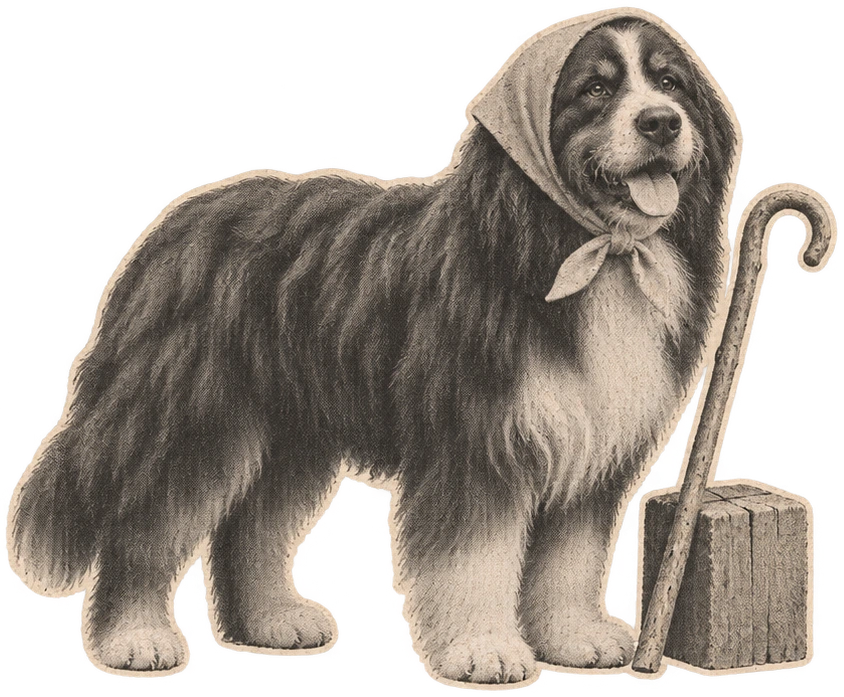
A Scottish working dog before anybody brushed it for a photo
The Royal Kennel Club describes dogs of this type working cattle and sheep in Scotland’s Borders and Highlands. The Bearded Collie Club still runs working tests. That’s where the coat and the lean working build come into the picture, rather than some mystical ability to read your mind from beneath a fringe. 1 2 45
For a pet, the useful thing to take from that is to give them suitable ways to use their attention and to practise stopping as well as starting. Not every Beardie wants the same amount of work, or finds the same things exciting. 4 9 20 21
Bearded Collie notes / 12
Working dogs from Scotland
Ask to see the dog off duty
If you’re adopting, ask what they’ve seen around normal street traffic, how the dog is for a brush and what lets them settle. Ask where those things were seen. A busy kennel, a foster house and your front room are three very different places. Keep the first few days fairly quiet while you see what your new dog makes of yours. 4 18 27 46
If there’s a litter, meet the pups with their mum and check the parents’ recorded health results. Visit an adult Beardie if you can and see how somebody checks the coat without turning it into a wrestling match. This gives you a much better sense of the day job than ten minutes with a sleepy puppy. 1 3 42 47 48
Bearded Collie notes / 13
Ask to see the everyday
| Good question | Why it’s worth asking |
|---|---|
| Which coat areas can they already tolerate? | Sets your starting point for grooming. 5 18 |
| How are they with cycles, joggers and games? | Helps you choose easier walks and manage busy moments. 7 28 |
| What are the parents’ registered names and results? | Lets you verify the screening rather than relying on a sales description. 1 42 |
| What do they do after the excitement has gone? | Gives you a clue about rest, company and alone time. 4 9 26 |
Sources
- S1Royal Kennel Club Bearded Collie individual breed profile and Good and Best headingSource · checked 21 November 2026
- S2Royal Kennel Club written Bearded Collie standardSource · checked 21 November 2026
- S3PDSA veterinary Bearded Collie breed guideSource · checked 21 November 2026
- S4Dogs Trust Bearded Collie owner and rehoming profileSource · checked 21 November 2026
- S5PDSA guidance for grooming and checking the skinSource · checked 21 November 2026
- S6PDSA tips for checking your dog's health at homeSource · checked 21 November 2026
- S7Dogs Trust guidance on dogs chasing moving thingsSource · checked 21 November 2026
- S8Dogs Trust recall guidanceSource · checked 21 November 2026
- S9Dogs Trust mat and settle trainingSource · checked 21 November 2026
- S10Dogs Trust reading body languageSource · checked 21 November 2026
- S11Dogs Trust fitting and introducing a harnessSource · checked 21 November 2026
- S12Royal Kennel Club separate Border Collie standardSource · checked 21 November 2026
- S13Royal Kennel Club separate Rough Collie standardSource · checked 21 November 2026
- S14Royal Kennel Club separate Smooth Collie standardSource · checked 21 November 2026
- S15PDSA dog body condition checkingSource · checked 21 November 2026
- S16PDSA guidance on painful or held-closed eyesSource · checked 21 November 2026
- S17PDSA veterinary guidance on skin irritationSource · checked 21 November 2026
- S18Dogs Trust non-forceful handling and groomingSource · checked 21 November 2026
- S19Dogs Trust preparing the house and dog for visitorsSource · checked 21 November 2026
- S20PDSA tailoring exercise to your dog's age and conditionSource · checked 21 November 2026
- S21Dogs Trust enrichment activities and search gamesSource · checked 21 November 2026
- S22Dogs Trust walking safely in warm weatherSource · checked 21 November 2026
- S23Natural England countryside guidance for dogs and livestockSource · checked 21 November 2026
- S24PDSA veterinary guidance on lamenessSource · checked 21 November 2026
- S25Canine Arthritis Management guidance for non-slip surfaces and comfortable accessSource · checked 21 November 2026
- S26Dogs Trust gradual introduction to being aloneSource · checked 21 November 2026
- S27Dogs Trust identifying when a dog is not coping aloneSource · checked 21 November 2026
- S28Dogs Trust family supervision and safe space for children and dogsSource · checked 21 November 2026
- S29Dogs Trust cats and dogs living togetherSource · checked 21 November 2026
- S30Dogs Trust planning introductions to another dogSource · checked 21 November 2026
- S31Royal Kennel Club central Health Standard and its Bearded Collie screening rowSource · checked 21 November 2026
- S32Royal Kennel Club managing and maintaining genetic diversitySource · checked 21 November 2026
- S33Royal Kennel Club recorded DNA variants and breed coverageSource · checked 21 November 2026
- S34Royal Kennel Club specific CEA/CH DNA testSource · checked 21 November 2026
- S35British Veterinary Association Hip Dysplasia SchemeSource · checked 21 November 2026
- S36British Veterinary Association Elbow Dysplasia SchemeSource · checked 21 November 2026
- S37Original 2020 Bearded Collie Addison's disease case-control genetics studySource · checked 21 November 2026
- S38PDSA veterinary signs and advice for canine Addison'sSource · checked 21 November 2026
- S39PDSA collapsed pet emergency adviceSource · checked 21 November 2026
- S40McMillan et al. 2024 original UK longevity studySource · checked 21 November 2026
- S41Dogs Trust original UK breed longevity table, Bearded Collie rowSource · checked 21 November 2026
- S42Royal Kennel Club checking an individual dog's recorded health screening resultsSource · checked 21 November 2026
- S43PDSA living costs and insurance guidanceSource · checked 21 November 2026
- S44Dogs Trust advice on choosing a walkerSource · checked 21 November 2026
- S45UK Bearded Collie Club's working tests and stock trial contextSource · checked 21 November 2026
- S46Dogs Trust settling a rescue dogSource · checked 21 November 2026
- S47RSPCA finding and visiting a breederSource · checked 21 November 2026
- S48UK Bearded Collie Club puppy guidanceSource · checked 21 November 2026
