
Breed guide / Australian Kelpie
Living with an Australian Kelpie
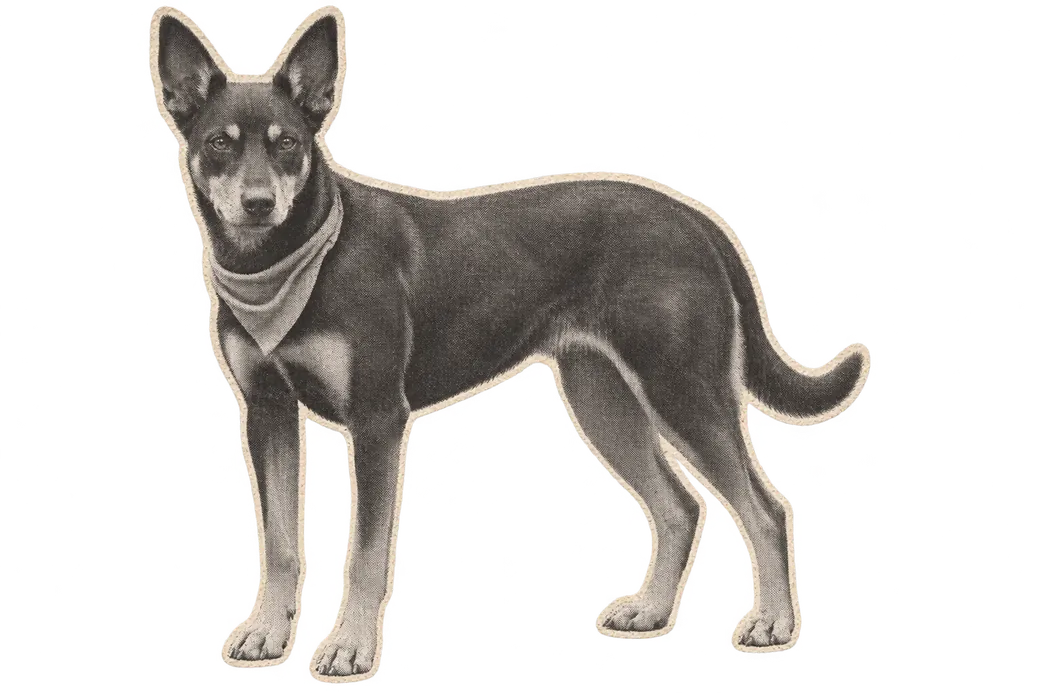
The Australian Kelpie is a lean sheepdog developed to cover ground and move livestock in Australia. It’s the sort of dog that has often spotted the thing you’re about to ask it to look at. At home, the useful skill is being able to notice something, work with you and then leave it alone. The neighbour’s wheelie bin isn’t livestock, even if it’s moving in the right direction. 1 2 4 6 11
Jump to a section
Use the first few minutes of the walk well
Before the dog gets a head of steam, give them a bit of ground where they can sniff and look back at you. Reward the check-in and practise a short turn with you. On a route with traffic or kids on scooters, make space early. Once the dog is fixed on something moving it’s harder to teach a new cue. 11 19 25 26
Give the day some proper quiet time too. A Kelpie who goes to sleep after a short search and a walk has not been short-changed. Time spent trying to settle is information about the routine, not a reason to double tomorrow’s mileage. 12 22 27 28
Australian Kelpie notes / 01
Short version
| Start here | Try this |
|---|---|
| Fixation on traffic or wheels | Keep a lead on and increase distance; reward attention back to you. 11 25 |
| Jumping up at the sound of the lead | Practise a quiet moment with the kit out and no walk yet. 12 25 |
| Always asking for another game | Build one easy end signal and a quiet activity afterwards. 12 27 |
| Suddenly lopsided or unsteady | Stop activity and call the vet. 7 33 40 |
Kelpie papers and Kelpie descriptions aren’t the same
The Australian Kelpie appears in Dogs Australia and FCI standards. The Working Kelpie Council of Australia looks after working-line records and applies its own livestock-working selection requirements. These are different pieces of information. A dog described as a Working Kelpie ought to have a working history or registration you can ask about; the label by itself doesn’t establish either. 1 2 4 5
The current Royal Kennel Club breed-standard list does not include an Australian Kelpie entry. The Australian Shepherd and Australian Cattle Dog aren’t other names for this dog. If the ancestry is unknown, treat ‘Kelpie-type’ as a description and use observations to guide care. 3 10 41
Australian Kelpie notes / 02
Names
Size won’t tell you how hard the dog leans into a harness
Dogs Australia gives shoulder heights of 46–51 cm for males and 43–48 cm for females as the breed-standard figures. Working dogs and pets vary in build. Check your own dog’s weight, ribs and waist rather than reading a lean silhouette as proof it’s the right weight. 1 4 18
Fit harnesses while the dog is walking and turning. Metal or plastic that sits clear in the kitchen might ride into the leg when they put their nose down. Choose and measure for vehicle restraint separately. 19 20
The useful coat check takes less time than the bath
The standard describes a weather-resistant outer coat with an undercoat. Check beneath the collar and harness after wet or dusty outings. Check feet and legs after rough ground. You don’t need to wash out every trace of an interesting morning, but grit under a strap or a seed between toes are worth noticing. 1 15 16 17 21
If your dog won’t put a foot down or keeps licking one place, stop and look carefully if they’ll let you. Don’t dig out a suspected embedded seed yourself. A quick check when they’re happy to stand is an easier habit to build than handling via negotiation once it hurts. 13 15 21 33
Australian Kelpie notes / 04
Coat and grooming
Keen and calm are both worth teaching
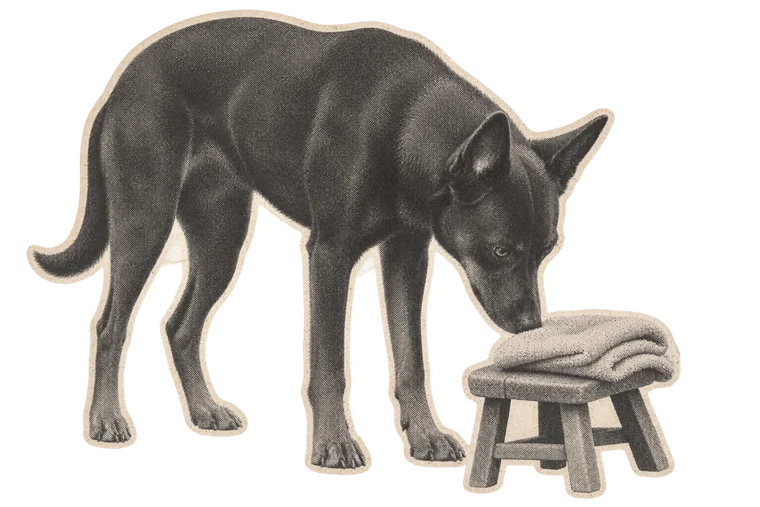
A dog bred to notice stock may also take an interest in the kids running or the postie walking off. Watch how quickly your own dog can stop watching and whether they’ll rest when nothing is happening. An easy turn away is more useful than making them sit so close to the trigger they’re vibrating. 1 11 12 14
Practise short absences separately and use a recording to see whether the dog actually rests. If they’re struggling, make the exercise easier and look for help. A difficult departure isn’t something you fix by eventually tiring the dog out each morning. 22 23 24
Practise useful jobs with a clear finish
Teach a turn in a quiet spot. Turn with the dog, reward them for following and then move on. When that works, add mild distractions at a distance. Keep dogs under control around live animals and don’t use someone else’s sheep or a jogger for training practice. 11 19 25 26 29
At home, practise a short search or a hand target and finish while you’ve still got a good result. If you want to try a sport, find a reward-based instructor who can advise about suitability and safe progression. If a dog or owner is getting overwhelmed, the plan should change. 12 24 25 27 28
A working history isn’t a fitness assessment
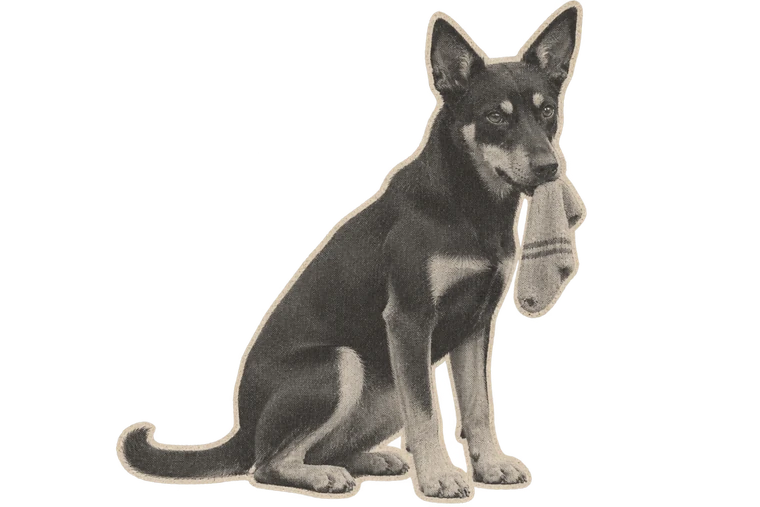
Choose exercise for the dog’s current fitness, age and health. Build activity gradually and pay attention to recovery. One Australian owner-report study of farm dogs is useful for showing what was reported in that setting, not for setting injury rates or distances for a UK pet. 28 33 39
Skip the strenuous outing in unsafe heat. If you see excessive panting, weakness or distress after exercise, stop and act. For suspected heatstroke, start cooling immediately, call the vet and follow their advice on transport. Don’t give a working-breed label more weight than what you can see happening. 30 31 32 40
Australian Kelpie notes / 07
Exercise
| Day or dog | What to do |
|---|---|
| Recently adopted or returning after time off | Start easy and build according to recovery and veterinary advice when needed. 28 33 |
| Hot weather | Change timing or choose something safe indoors. 27 30 |
| Stock ahead | Attach the lead in good time and follow local rules. 29 |
| Unusual weakness or overheating | Stop and seek vet advice; suspected heatstroke needs immediate cooling. 31 32 |
Where the dog spends the other hours
A mat at the front window isn’t necessarily a resting place. Try something away from the busiest sightline and reward the dog for using it before the street gets busy. Practise calm arrivals without asking the dog to greet every time. 12 14 25 43
Outside, secure the boundary and have a plan for doors and gates. If the dog spends its time running along the fence, shorter supervised visits and another activity can be more useful than giving them the garden all afternoon. 11 26 27 28
Children and pets aren’t part of the exercise plan
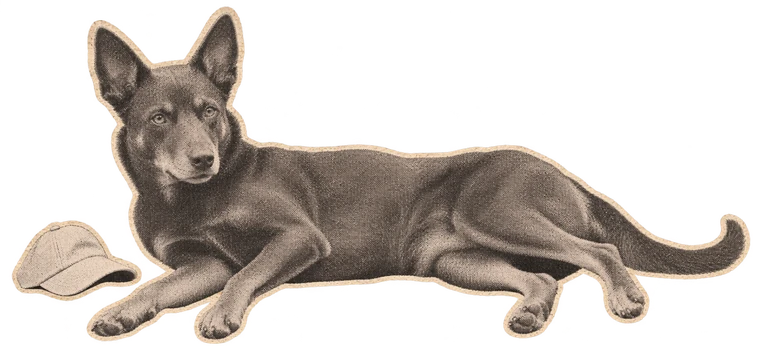
If the dog wants to follow or intercept every fast-moving person, separate them from running games. Children need adult supervision, and the dog needs a bed they can use without anyone following. Separate if you can’t actively supervise. 11 13 35
For cats, give them a place they can reach without going past the dog. Start with secure separation if you don’t know what the dog will do. Introductions to other dogs need room and short encounters; don’t ask them to share valuable toys or food yet. 24 34 36 37
What we know about Kelpie ataxia and what we don’t
There is no Royal Kennel Club Health Standard row for the Australian Kelpie. Where parents are documented, identify the registry and ask about their own screening and any known neurological history. Don’t use the test list for Australian Shepherds or Border Collies as a substitute. 1 4 7 8 38
Australian studies have described inherited cerebellar abiotrophy, which can affect coordination. A later Working Kelpie study found two major risk regions, with different patterns of how associated variants showed up clinically. This is not one universal ‘clear’ test for every cause of poor balance and it doesn’t supply a current rate in UK pets. New unsteadiness is a vet question. Sudden inability to stand or collapse needs emergency advice. 7 8 9 40
Australian Kelpie notes / 10
Health
| Evidence or symptom | What to take from it |
|---|---|
| Registry report | Breeding-body identity matters; no UK RKC row for this breed. 4 5 38 |
| Working Kelpie neurological evidence | Different risk regions, not a single all-clear. 7 8 |
| Clinical signs now | Report new poor coordination to your vet. 7 40 |
| Current emergency | Collapse or sudden inability to stand needs immediate veterinary advice. 40 |
| Exercise concerns | Stop if gait or recovery changes; ask a vet before increasing work. 28 33 |
| Evidence limits | Australian working samples do not deliver UK risk rates. 7 39 |
| Lifespan | The 2024 UK table’s broad Kelpie label had a median 12.0 years, 95% CI 11.6–13.5, with 49 deaths in the table. It does not distinguish registry or working line and cannot forecast an individual lifespan. 44 45 |
Pay for the practical things first
Secure walking and transport kit, ordinary vet care and help on busy days may be more useful than collecting sport equipment. Ask a walker how they work around livestock, bikes and other moving distractions. If their answer is only ‘we let them off and they run it out’, you haven’t learnt whether they’ll manage your dog. 11 19 20 26 46
Price classes based on how the instructor works, not whether they’ve heard of a Kelpie. Check insurance exclusions and your out-of-hours plan before you need it. 24 47
Built to move stock, not to make the house a farm
The breed’s development is part of Australian sheep farming. Working organisations still focus on dogs that can move stock in different settings, and Dogs Australia also recognises the breed in other contexts. That explains the history without telling you that every Kelpie has the same strengths or would make the same pet. 1 4 5 6
For your own dog there are a lot of useful pieces to borrow: respond to a signal, work with you, try a search and then stop. You don’t need to invent a herd out of the family to make that worthwhile. 11 12 25 27
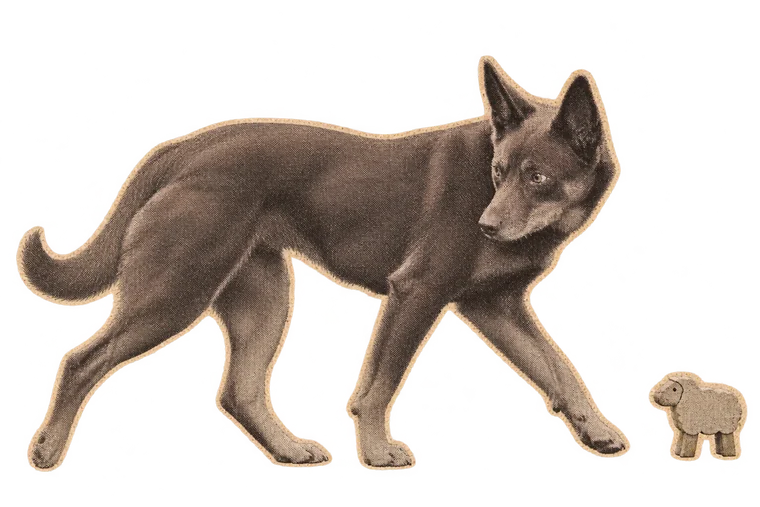
Meet the dog when there’s no show on
Ask how the dog behaves at home, how they walk on a lead and what they do in the evening. Ask a rescue what they’ve observed and what they can’t yet tell you. With a puppy, see the mother where the litter is raised and get actual records for the parents, not just an account of excellent working ability. 4 8 10 22 48
Think of a wet weekday with no sport or long walk. If you can give the dog sensible exercise, company and a way to rest without letting it run the house, that is a better sign of fit than being impressed by a dog that can cover ground. 12 27 28
Australian Kelpie notes / 13
Bringing one home
| Ask | Look for |
|---|---|
| What actually suits this dog? | Observations in both active and quiet settings. 4 10 |
| What do the records say? | Known parents, actual tests and honest gaps. 5 7 8 |
| What happens around moving things? | A realistic lead or distance plan. 11 26 |
| What if the arrangement struggles? | Vet and behaviour support, rather than just more exercise. 23 24 28 |
Sources
- S1Dogs Australia Australian Kelpie breed standard and sizeSource · checked 21 November 2026
- S2FCI official Australian Kelpie record no. 293Source · checked 21 November 2026
- S3Royal Kennel Club current UK breed standards directorySource · checked 21 November 2026
- S4Working Kelpie Council of Australia and working registrySource · checked 21 November 2026
- S5Working Kelpie Council on the scope of its registrySource · checked 21 November 2026
- S6Dogs Australia official Australian Kelpie origins and modern working useSource · checked 21 November 2026
- S7Primary paper on Australian Working Kelpies and cerebellar abiotrophySource · checked 21 November 2026
- S8Working Kelpie Council information about ataxia and available checksSource · checked 21 November 2026
- S9Original historical report of hereditary cerebellar abiotrophy in Australian KelpiesSource · checked 21 November 2026
- S10Dogs Trust rehoming and matching processSource · checked 21 November 2026
- S11Dogs Trust preventing or managing chasingSource · checked 21 November 2026
- S12Dogs Trust settling practiceSource · checked 21 November 2026
- S13Dogs Trust comfortable handlingSource · checked 21 November 2026
- S14Dogs Trust reactivity and spaceSource · checked 21 November 2026
- S15PDSA vet guidance on home health checksSource · checked 21 November 2026
- S16PDSA vet guidance on groomingSource · checked 21 November 2026
- S17Blue Cross general grooming supportSource · checked 21 November 2026
- S18PDSA vet guidance on body conditionSource · checked 21 November 2026
- S19Dogs Trust harness fittingSource · checked 21 November 2026
- S20Dogs Trust safe travelSource · checked 21 November 2026
- S21PDSA vet guidance on grass seedsSource · checked 21 November 2026
- S22Dogs Trust introducing time aloneSource · checked 21 November 2026
- S23Dogs Trust recognising separation distressSource · checked 21 November 2026
- S24Dogs Trust sourcing behaviour supportSource · checked 21 November 2026
- S25Dogs Trust positive reinforcementSource · checked 21 November 2026
- S26Dogs Trust recall and long lineSource · checked 21 November 2026
- S27Dogs Trust enrichment and search gamesSource · checked 21 November 2026
- S28PDSA vet guidance on exerciseSource · checked 21 November 2026
- S29Natural England keeping dogs under control in the countrysideSource · checked 21 November 2026
- S30Dogs Trust warm-weather careSource · checked 21 November 2026
- S31PDSA veterinary heatstroke recognition and careSource · checked 21 November 2026
- S32RSPCA cooling-first guidance for suspected canine heatstrokeSource · checked 21 November 2026
- S33PDSA vet guidance on stiffness and limpingSource · checked 21 November 2026
- S34Dogs Trust resource guardingSource · checked 21 November 2026
- S35Dogs Trust supervising dogs around childrenSource · checked 21 November 2026
- S36Dogs Trust introducing dogs and catsSource · checked 21 November 2026
- S37Dogs Trust introducing dogsSource · checked 21 November 2026
- S38Royal Kennel Club current UK Health StandardSource · checked 21 November 2026
- S39Original Australian farm working dog owner study, selection and reporting limitationsSource · checked 21 November 2026
- S40Blue Cross immediate canine emergency signsSource · checked 21 November 2026
- S41Dogs Australia recognised Australian working-dog breed listSource · checked 21 November 2026
- S42Dogs Victoria official Australian Kelpie overviewSource · checked 21 November 2026
- S43Dogs Trust training and managing barkingSource · checked 21 November 2026
- S44Dogs Trust original UK breed lifespan tableSource · checked 21 November 2026
- S45McMillan et al. original lifespan study and methodsSource · checked 21 November 2026
- S46Dogs Trust finding a dog walkerSource · checked 21 November 2026
- S47PDSA costs and insuranceSource · checked 21 November 2026
- S48RSPCA buying a puppy and seeing the motherSource · checked 21 November 2026
