
Breed guide / Alaskan Husky
Living with an Alaskan Husky
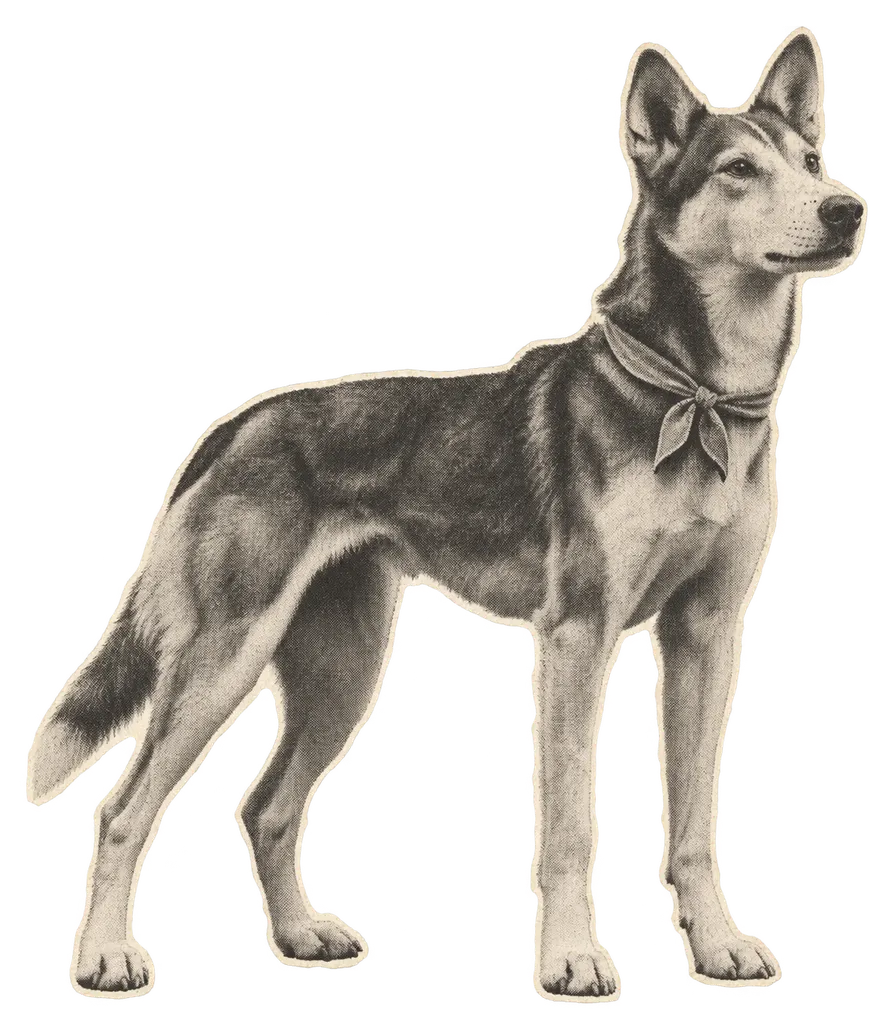
An Alaskan Husky is an athletic sled dog bred for work, not a particular pair of blue eyes, a swirly tail or a show-ring outline. The name covers working lines with different builds and family histories. In a UK home, the big questions are what your dog has actually done, what it can safely do today and how it spends the rest of the day when you’re not going anywhere. 1 2 4 7
Jump to a section
Start with the dog you have, not the picture of a sled team
If an Alaskan Husky has just come home, make the first walks unremarkable on purpose. Pick a quiet route, check they can’t back out of the harness and give them a way to pause and sniff. Add the busy bits later. A dog who used to pull with a team hasn’t necessarily walked past a school at home time or learnt what your lead means. 7 14 19 26 28
Learn how they look when happily moving, when tiring and when settled. Bring water, check the feet on the way back, and finish calmly. If you see unusual panting or they become unwilling to continue, stop. Suspected heatstroke needs immediate cooling and a call to your vet. 10 15 30 31 40
Alaskan Husky notes / 01
Short version
| Start with | Do this |
|---|---|
| New route | Use a secure fit and choose space to turn away from distractions. 14 19 |
| New or unknown activity history | Start with ordinary walks rather than guessing a running distance. 7 28 |
| Foot check | Look between toes and at pads; notice a repeated change in stride. 15 33 |
| Signs of overheating | Stop, start cooling and call your vet; cool before transport. 31 32 40 |
Alaskan is not another word for Siberian
The Alaskan Husky is a performance-bred sled-dog population without a Royal Kennel Club breed standard. The Siberian Husky and Alaskan Malamute have separate UK breed standards. Some of the populations studied share ancestry with other sled dogs, but the labels are not interchangeable and you can’t turn a coat pattern into a pedigree. 1 2 3 5 6 8
Alaskan sled dogs studied in sprint and distance lines differ in their ancestry and selection. That doesn’t supply a fixed list of parents or quietly make every dog labelled Alaskan Husky a proven racer. Ask for records; a rescue’s description may be the best account available rather than a documented pedigree. 1 4 7 8 42
Alaskan Husky notes / 02
Names
| Label | What it tells you |
|---|---|
| Alaskan Husky | A working type, not a UK conformation-standard breed. 2 3 |
| Siberian Husky or Alaskan Malamute | Separately recognised breeds, with their own care and screening context. 5 6 |
| Sprint or distance line | Selection history where known, not the dog’s current fitness or ability. 1 7 |
Fit for the individual
There’s no UK breed-standard weight or height to aim for. Working populations can differ, even before age and conditioning come into it. Weigh your dog, feel their ribs and waist, and ask the vet to help you tell a healthy athletic build from being too thin. 1 7 18
Fit ordinary walking kit for walking. If you later train to pull, ask a welfare-minded club to fit different kit for that job. Neither is necessarily a safe car restraint. Keep an eye on shoulder movement and stop using kit if it rubs or the dog can slip it. 9 15 19 20
Alaskan Husky notes / 03
Size and weight
A coat can look right for winter and still need checking
The coat will depend on the individual. Don’t assume yours is waterproof, comfortable out in every kind of weather or guaranteed a heavy double coat. Use a brush or grooming help suited to what is actually there, dry the places that hang onto moisture and get in the habit of checking beneath any wet harness. 1 7 15 16 17
Check the pads, around the nails and between toes after rough ground. New limping, a cut or repeated licking of one paw may mean they need a break and veterinary advice. Pulling or running on top of soreness doesn’t tell you how tough the dog is. It just gives the sore bit more work. 15 21 33
Alaskan Husky notes / 04
Coat and grooming
Don’t write a personality from a job title
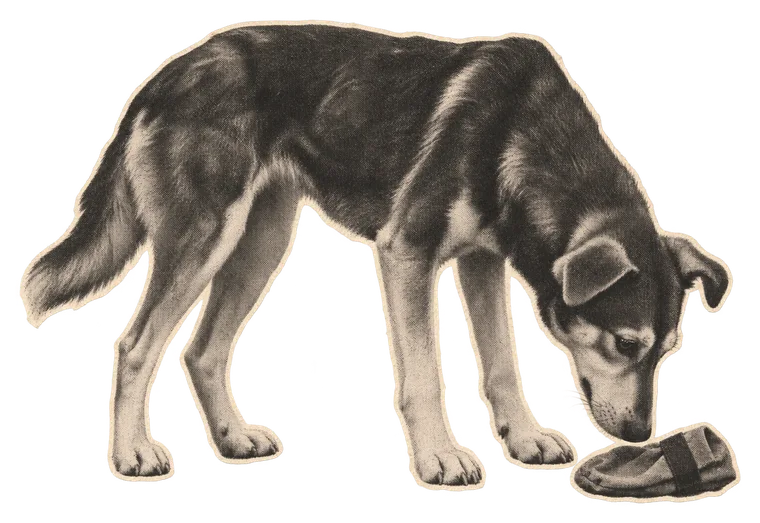
A working history can be helpful, but it doesn’t tell you how a dog will cope with strangers at the front door, being alone or living with other animals. Watch for where they can relax and where they struggle. If there’s a team-kennel history, don’t assume either that they need a house full of dogs or that they’ll cope alone from day one. 7 13 14 22 23
Build a calm home routine before judging what they need more of. A dog who gets up every time you do can practise resting while you move around nearby. Work on departures in manageable steps, and if they look distressed, give them support rather than just more miles. 12 22 23 24
Alaskan Husky notes / 05
Temperament
| Real observation | Practical response |
|---|---|
| Settled near you, upset when left | Start below the level that causes distress and seek advice. 22 23 |
| Unsure about new people | Let them move away; don’t require contact. 13 14 |
| Excited every time kit comes out | Practise quiet gear handling separately from departures. 12 25 |
Teach pulling and not pulling as different jobs
Walking to the shop and working in a pulling harness aren’t the same thing. On ordinary walks, reward a loose lead, slowing down and turning with you. For pulling sports, if the dog enjoys it and is suitable, use qualified support to teach safe setup and separate cues. Don’t start by clipping an untrained dog to a bike. 9 19 25 28
Outside, keep a lead on when you don’t know how they’ll respond to wildlife, fast movement or traffic. Rehearse recall where there’s genuinely room and separation. In a secure place, a short search for a toy is good work with an easy finish. 11 26 27 29
Alaskan Husky notes / 06
Training
When you’re exercising, have a plan for the end as well
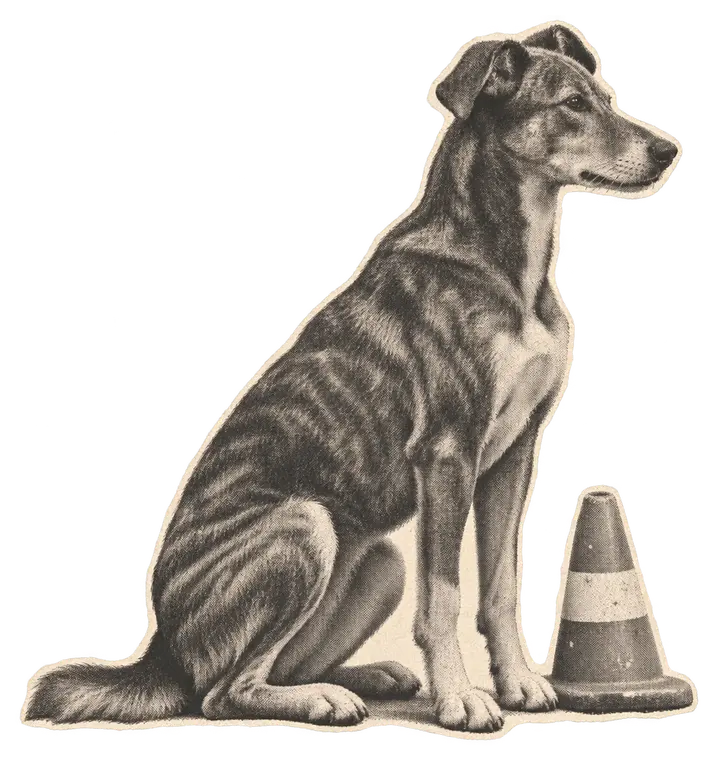
Fit, young, older, sore and newly adopted dogs need different introductions to activity. Start from the individual’s known baseline, not a racing schedule. If you’re considering canicross, talk to your vet and a reputable group about suitability, surfaces, slow conditioning and recovery. Participation is optional. 9 10 28 33
Plan for heat: shorten, change or skip the outing rather than pushing through. A UK study of dogs at canicross events found that temperature sometimes continued rising after exercise, so don't assume stopping puts an end to the risk. If you suspect heatstroke, stop exercise, start cooling promptly and call the vet; follow their transport advice. 10 30 31 32 40
Alaskan Husky notes / 07
Exercise
| Situation | Make a call |
|---|---|
| Warm or humid conditions | Choose a safer low-intensity plan or don’t go. 30 40 |
| New pulling sport | Start with suitability, kit and support, without a mileage target. 9 28 |
| Paw soreness or unusual recovery | Stop and ask for advice before restarting. 15 33 |
| Suspected heatstroke | Start cooling now; call the vet promptly, then transport as advised. 31 32 40 |
Make the safe option easy at home
Check the actual boundary, the bottom of the gate and how the door opens when deliveries arrive. Use a second barrier or get the lead on first if there’s a risk they’ll dart out. Don’t rely on a breed description to tell you who can be trusted in the garden. A place to settle away from the entrance makes the busiest part of the house more manageable. 12 19 25 26
A garden is a place to manage, not the dog’s exercise plan. Give them somewhere cool, dry and quiet to stretch out, and build in ordinary sniffing and time with people. If they used to work with other dogs, ask whoever knows them about what they do in a home setting rather than guessing from a kennel routine. 7 12 22 27 28 42
A dog team and a family home aren’t the same thing
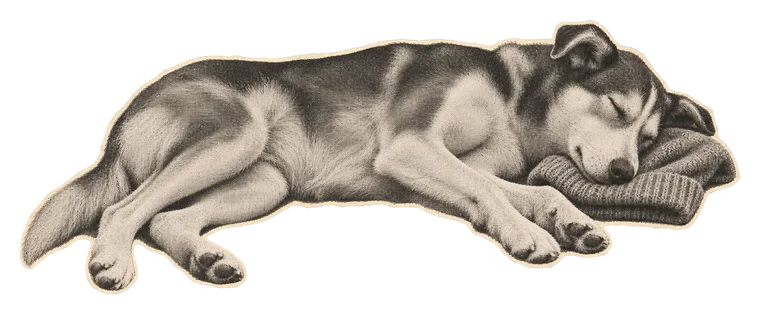
Having lived around other dogs doesn’t mean a dog will want to share its food or position in a narrow kitchen. Introduce calmly with room to move, and give each animal time away. A cat should have somewhere secure to go without passing the dog. If you don’t know how this dog behaves around smaller pets, start separated and get advice, not a test. 24 34 36 37 42
Supervise children and dogs, and make adults responsible for opening doors, clipping leads and separating running games when needed. If nobody can watch closely, separate. Children can have good times with the dog without needing to prove they can hold it on a lead. 13 19 35
Alaskan Husky notes / 09
Children and pets
No closed-breed test list or UK lifespan number
There isn’t a Royal Kennel Club pre-breeding screening row for Alaskan Husky in the way there is for recognised breeds. Ask for family and veterinary records and discuss which checks make sense for documented ancestry, the dog’s history and current plans. Don’t borrow a Siberian or Malamute scheme wholesale or call a commercial panel a universal all-clear. 2 3 5 6 7 47
Research identified an SLC19A3.1 change associated with a serious neurological disorder called Alaskan Husky encephalopathy in affected sled dogs. That finding does not put a current UK frequency on it, diagnose new unsteadiness in your dog or tell you what to feed them. If your dog develops sudden severe weakness, inability to stand, breathing difficulty or collapse, call the emergency vet. 38 39 41
Alaskan Husky notes / 10
Health
| Evidence or question | How to use it |
|---|---|
| What the label means | A working type with varied ancestry; ask for documents instead of assuming. 1 2 7 |
| Which checks apply? | Talk to the vet about known family history and individual symptoms. 5 6 7 |
| AHE variant | Specific research-backed association and not a stand-in for a clinical assessment or today’s UK frequency. 38 39 |
| Sport and heat | Suspected overheating needs immediate action even in a trained dog. 10 31 40 |
| New gait change | Stop activity, call the vet; severe weakness or inability to stand needs urgent advice. 33 41 |
| Collapse or breathing trouble | Emergency vet immediately. 41 |
| Lifespan | No defensible UK Alaskan Husky-specific median in the cited public table; don’t use a Siberian, Malamute or general crossbred number as a substitute. 43 44 |
Budget for the setup, not just the bowl
Cost out the secure walking and car kit, ordinary veterinary care and whatever help you’ll use when you’re away. A sitter used to sleepy town dogs may be excellent, but find out whether they’ll follow your gate, lead and temperature rules before giving them a key. 19 20 30 45
If you want to do a sport, pace that spend with the dog. Fit and a good introduction matter more than signing up for something you then feel obliged to go to. Check insurance exclusions and emergency arrangements rather than expecting an activity to be covered because it has a friendly name. 9 28 46
Alaskan Husky notes / 11
Costs
| Cost | What to check |
|---|---|
| Walking and travel kit | Fit and suitability for each job. 19 20 |
| Sitter or walker | Can they follow secure handling and weather limits? 30 45 |
| Sport | Pay for a safe introduction, not a future competition schedule. 9 28 |
| Care | Verify exclusions, excess and arrangements for emergencies. 41 46 |
What the working history does and doesn’t tell you
Alaskan sled-dog lines were developed for performance rather than a single show look. Modern researchers found distinct sprint and distance populations and a broader history that includes older Arctic sled-dog ancestry and more recent contributions. That’s a history of populations, not proof that you can identify an individual’s past from a photograph. 1 2 7 8
The useful lesson at home is to work with the dog as a partner. Teach practical signals, offer movement they can enjoy and end before they’re too tired. Keeping each other safe is more important than recreating someone else’s idea of a sled dog. 9 10 25 28
Ask about the dog’s day before you decide
Ask what the dog is used to, whether it can settle indoors, what happens when the gate opens and how it moves after the work is over. If the rehoming team doesn’t know, say what your household is like and ask which assumptions you should avoid. With a puppy, see the mother where the puppies are raised and ask for known lineage and matching veterinary results. 7 22 42 47 48
Imagine a warm week when running is off the table. If you’ve still got a sensible way to keep company, get outside safely and give the dog something to investigate, the arrangement has more going for it than the nice photo of the two of you in the snow. 27 28 30
Alaskan Husky notes / 13
Bringing one home
| Ask | Look for |
|---|---|
| What has this dog actually done? | Observed walks, handling, family history or work records where known. 7 42 |
| What changes with heat or soreness? | A lower-intensity option and an agreed stop point. 30 31 33 |
| How is the dog kept secure? | A real lead, gate and travel plan. 19 20 26 |
| What is unknown? | Plain answers and a way to get qualified support. 24 42 |
Sources
- S1Huson et al. original comparison of sprint and distance Alaskan sled dogsSource · checked 21 November 2026
- S2Official FCI Sledge Dog Commission on the Alaskan sled dog working population and recognitionSource · checked 21 November 2026
- S3Royal Kennel Club current complete breed directorySource · checked 21 November 2026
- S4Iditarod organiser distinguishing Siberian and Alaskan sled dogsSource · checked 21 November 2026
- S5Royal Kennel Club Siberian Husky, a separate breedSource · checked 21 November 2026
- S6Royal Kennel Club Alaskan Malamute, a separate breedSource · checked 21 November 2026
- S7Huson et al. original genomic and health description of selected sled-dog populationsSource · checked 21 November 2026
- S8Smith et al. primary comparative Arctic sled-dog genomics, historical and current distinctionsSource · checked 21 November 2026
- S9British Sleddog Sports Federation governance and rules documentationSource · checked 21 November 2026
- S10Carter and colleagues primary UK canicross cooling and activity studySource · checked 21 November 2026
- S11Dogs Trust preventing or managing chasingSource · checked 21 November 2026
- S12Dogs Trust settling practiceSource · checked 21 November 2026
- S13Dogs Trust comfortable handlingSource · checked 21 November 2026
- S14Dogs Trust reactivity and spaceSource · checked 21 November 2026
- S15PDSA vet guidance on home health checksSource · checked 21 November 2026
- S16PDSA vet guidance on groomingSource · checked 21 November 2026
- S17Blue Cross general grooming supportSource · checked 21 November 2026
- S18PDSA vet guidance on body conditionSource · checked 21 November 2026
- S19Dogs Trust harness fittingSource · checked 21 November 2026
- S20Dogs Trust safe travelSource · checked 21 November 2026
- S21PDSA vet guidance on grass seedsSource · checked 21 November 2026
- S22Dogs Trust introducing time aloneSource · checked 21 November 2026
- S23Dogs Trust recognising separation distressSource · checked 21 November 2026
- S24Dogs Trust sourcing behaviour supportSource · checked 21 November 2026
- S25Dogs Trust positive reinforcementSource · checked 21 November 2026
- S26Dogs Trust recall and long lineSource · checked 21 November 2026
- S27Dogs Trust enrichment and search gamesSource · checked 21 November 2026
- S28PDSA vet guidance on exerciseSource · checked 21 November 2026
- S29Natural England keeping dogs under control in the countrysideSource · checked 21 November 2026
- S30Dogs Trust warm-weather careSource · checked 21 November 2026
- S31PDSA veterinary heatstroke first aid and emergency signsSource · checked 21 November 2026
- S32RSPCA first aid for suspected canine heatstroke, start cooling before transportSource · checked 21 November 2026
- S33PDSA vet guidance on stiffness and limpingSource · checked 21 November 2026
- S34Dogs Trust resource guardingSource · checked 21 November 2026
- S35Dogs Trust supervising dogs around childrenSource · checked 21 November 2026
- S36Dogs Trust introducing dogs and catsSource · checked 21 November 2026
- S37Dogs Trust introducing dogsSource · checked 21 November 2026
- S38Original Alaskan Husky encephalopathy SLC19A3.1 association in affected dogsSource · checked 21 November 2026
- S39Original companion analysis of SLC19A3.1-associated pathologySource · checked 21 November 2026
- S40Royal Veterinary College VetCompass, canine heatstroke cooling and exercise precautionsSource · checked 21 November 2026
- S41Blue Cross recognising canine emergenciesSource · checked 21 November 2026
- S42Dogs Trust rehoming and matching guidanceSource · checked 21 November 2026
- S43Dogs Trust original UK breed lifespan tableSource · checked 21 November 2026
- S44McMillan et al. original lifespan study and methodsSource · checked 21 November 2026
- S45Dogs Trust finding a dog walkerSource · checked 21 November 2026
- S46PDSA costs and insuranceSource · checked 21 November 2026
- S47Royal Kennel Club Health Test Results FinderSource · checked 21 November 2026
- S48RSPCA buying a puppy and seeing the motherSource · checked 21 November 2026
