
Breed guide / Airedale Terrier
Living with an Airedale Terrier
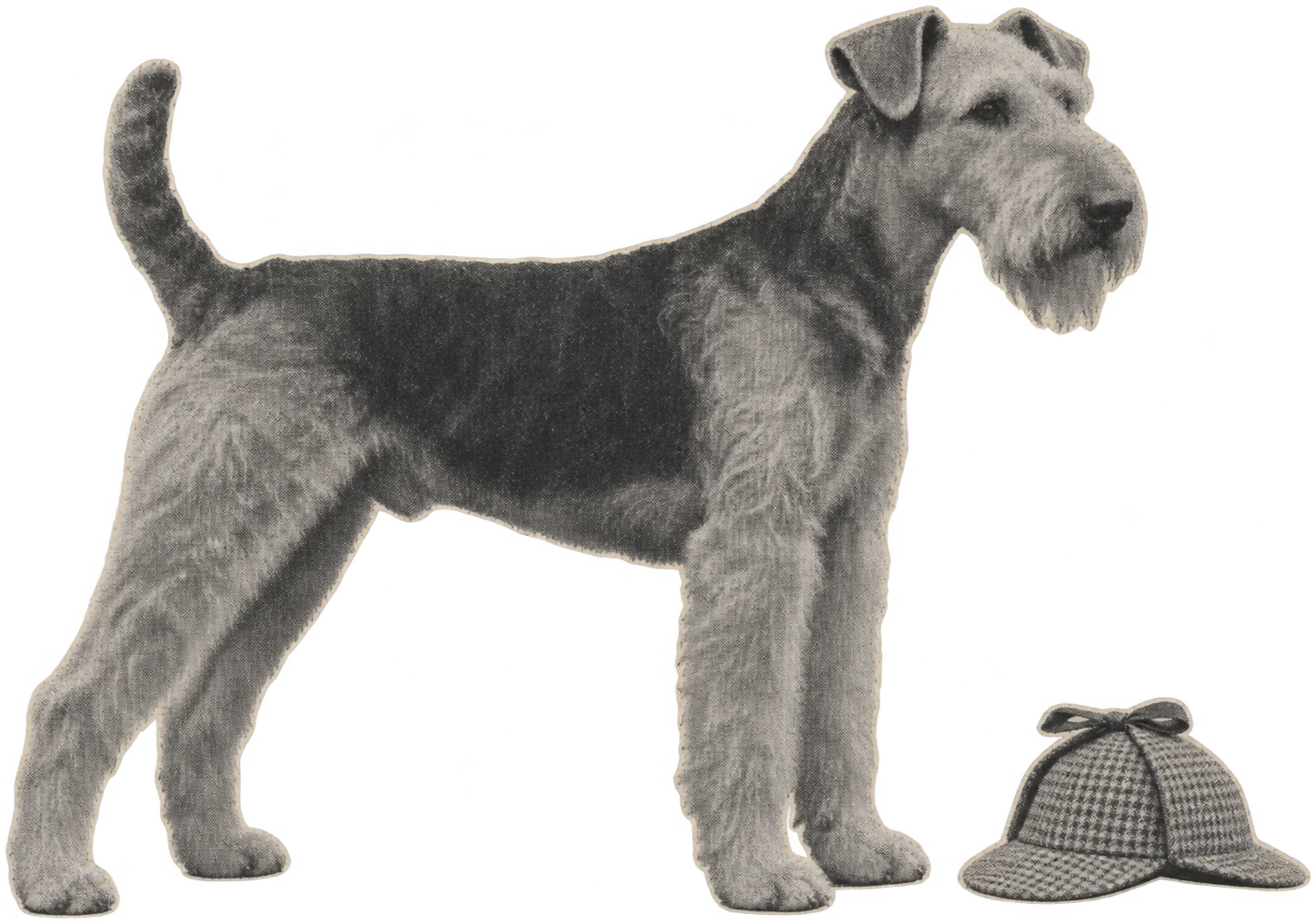
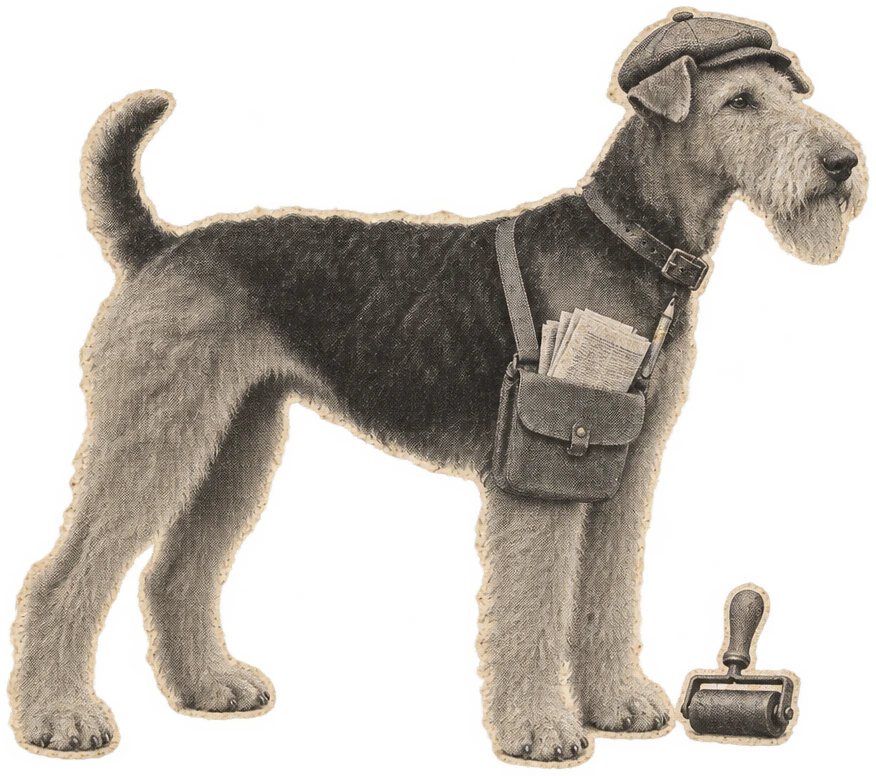
The Airedale is Yorkshire’s big, square-built working terrier. Long legs, a wiry black saddle and a beard that can carry half the water bowl to your other room. They were bred to work the banks of the Aire. If yours comes alive nosing along a hedge but goes deaf at the exact word “home”, start there: give that nose a proper job, keep the lead on where a chase could go wrong and practise coming back somewhere they'll actually hear you. 128102324
Jump to a section
The short version
Take the dog somewhere they can get their nose down without putting anybody else in a difficult spot. A quiet stretch of hedge on a lead can be a better walk than dragging them along a busy road for twice as long. Stop a few feet before the gate or field entrance so you’re not trying to turn a strong dog as the exciting thing moves past. 1 10 15 23 27
Lift the beard and check the skin under it when you get back. Comb the elbows, legs and under the collar, too. If your dog repeatedly gets up stiff or starts taking a shorter step, make a note of when it happens and speak to the vet. Getting going after a minute isn’t a clean bill of health. 5 18 29 38
Airedale Terrier notes / 01
Where to start
| Start with | What to do |
|---|---|
| Walks | Build a route with safe places to sniff and room to turn. 10 15 23 |
| Beard and legs | Look through the hair rather than just flattening the top with a brush. 5 17 |
| Pulling at a gate | Practise turning away before reaching it. 15 23 |
| Stiff first steps | Note when they happen and ask the vet. 29 38 |
Airedale, Welsh and Lakeland are different terriers
An Airedale does not mean any wiry terrier wearing a black saddle. The Royal Kennel Club gives the Airedale, Welsh Terrier and Lakeland Terrier separate standards. Compare the builds full length: the Airedale standard describes a deep, not broad chest and considerably more height than either of the other two. A photograph of a wet beard isn’t much help on its own. 2 12 13
Airedale Terrier notes / 02
Check the name
| Name | The useful distinction |
|---|---|
| Airedale Terrier | Large terrier originating in the Aire valley in Yorkshire. 1 2 |
| Welsh Terrier | A separate breed with overlap in coat colours and a written height limit of 39 cm. 12 |
| Lakeland Terrier | Another separate breed, with more colour options and a written height limit of 37 cm. 13 |
Measure the dog, then buy the kit
The UK written standard gives about 58–61 cm at the shoulder for males and 56–59 cm for females. That tells you the sort of scale you’re dealing with, not the right size harness or what your individual dog should weigh. Check fit once they pull their head down to sniff and again after a tight turn; the straps shouldn’t shift into the armpit or restrict the stride. 2 14 15 16
Airedale Terrier notes / 03
Measure yours
The brush needs to get past the top coat
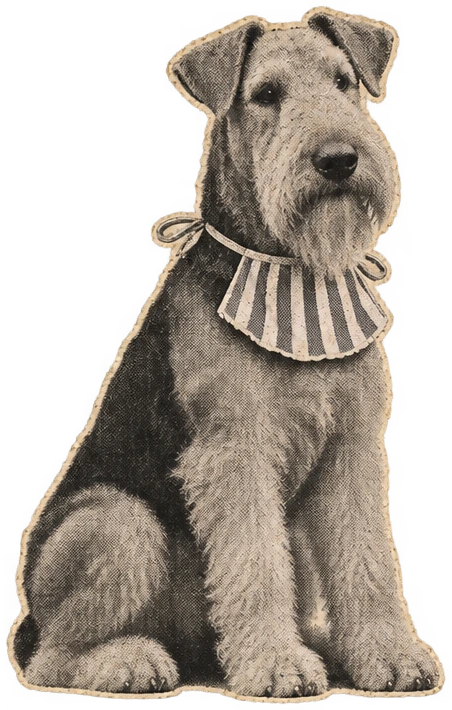
The Airedale has coarse outer hair and softer hair underneath. Work in small sections. Try the side of a leg while the dog is still comfortable, then stop for a bit. Pay particular attention to the beard, where the collar sits and where the front legs meet the body. A quick sweep over the saddle can leave the knots precisely where you’re trying not to look. 2 5 17 20
Talk to a groomer who actually does wire coats about what to clip or hand strip. It’s a coat decision for your dog, not a league table. If an area has become tight, matted or sore, get help instead of digging in with scissors or expecting the dog to put up with it. 3 5 9 17
Airedale Terrier notes / 04
Under the beard
| Where | What to do |
|---|---|
| Beard | Comb the ends gently, check the skin and dry when wet. 5 17 |
| Collar line and elbows | Part the hair and check for little tangles or rubbing. 5 18 |
| Feet after long grass | Look between toes and bring a painful or swollen spot to the vet. 18 19 |
| Professional trim | Ask about coat condition, clip versus strip and time between visits. 3 9 17 |
Find out what keeps them on the go
If your dog spends half the morning following each delivery van along the window, move the furniture enough to take away the front-row seat. Teach where you want them to go instead, while the street is quiet. If the restlessness only starts after you leave, use a brief recording to see how soon they get upset. That’s more useful than listening to someone tell you terriers are stubborn. 4 6 7 25
Airedale Terrier notes / 05
Let them switch off
| What you notice | Try this first |
|---|---|
| Same thing sets them off | Reduce the view and reward turning away before they bark. 4 21 |
| Won’t stay down after a busy walk | Give them an undisturbed place and reward a genuine pause. 11 25 |
| Panting or pacing alone | Build from easier departures and ask for help if they’re distressed. 6 7 22 |
Use the nose, then teach the turn
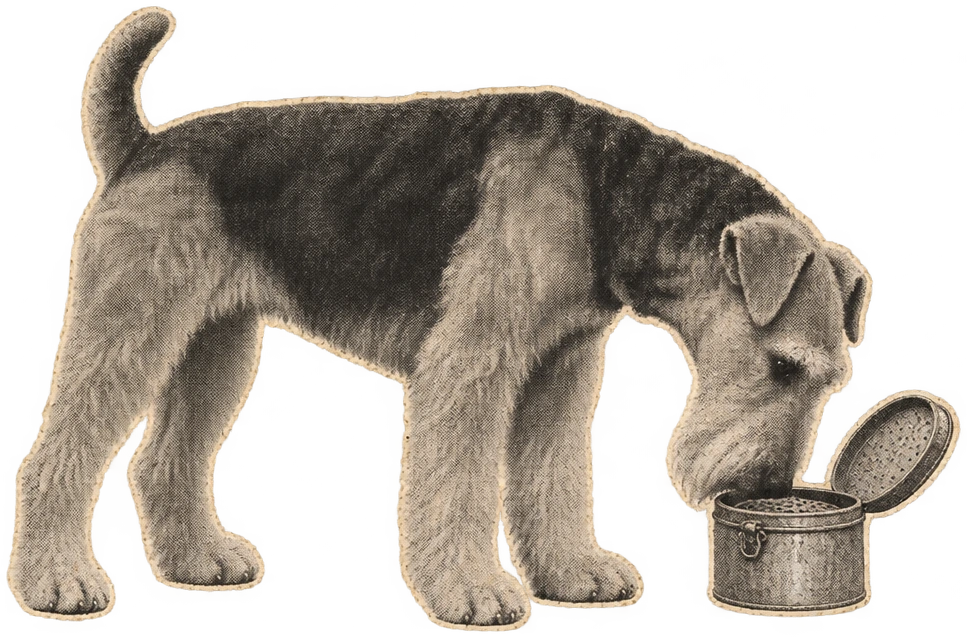
Hide a few bits of their usual food around one easy room. Let them find them without you pointing at every one, and finish while it’s still fun. Outdoors, reward the moment they turn back to you, then sometimes let them go sniff again so that checking in doesn’t always end the best part of the walk. Use a long line on a well-fitted harness only where there’s room and you can manage it safely. 11 15 23 24
Airedale Terrier notes / 06
Give it a finish
A riverbank isn't automatically a good walk
Early Airedales worked watersides, but that doesn’t make every canal edge, steep bank or fast river a safe spot to come off lead. Pick a route with genuinely safe access, look ahead for ducks and livestock, and change direction while your dog is still listening. On a shared towpath keep the line short enough for other people and bikes to pass without stepping over it. 1 8 10 23 27
The Royal Kennel Club profiles the breed at up to an hour of exercise a day. Treat that as broad background, not a dose. Two outings that give a fit adult time to sniff and move can work better than one forced march. Change the plan for heat, pain or an older dog who’s slowing, and ask your vet about growing dogs and any ongoing movement worries. 1 26 28 29
Airedale Terrier notes / 07
Plan the route
| Situation | Better call |
|---|---|
| Quiet open route | Give a fit dog a choice of pace where it’s safe. 23 26 |
| Water, traffic or livestock | Use the lead early and be ready to choose another route. 10 23 27 |
| Hot day | Pick a cooler time and keep the outing easier. 28 |
| Limp or stiffness recurring | Get the change checked instead of testing it with a longer outing. 29 38 |
Set up the house for wet feet and down time
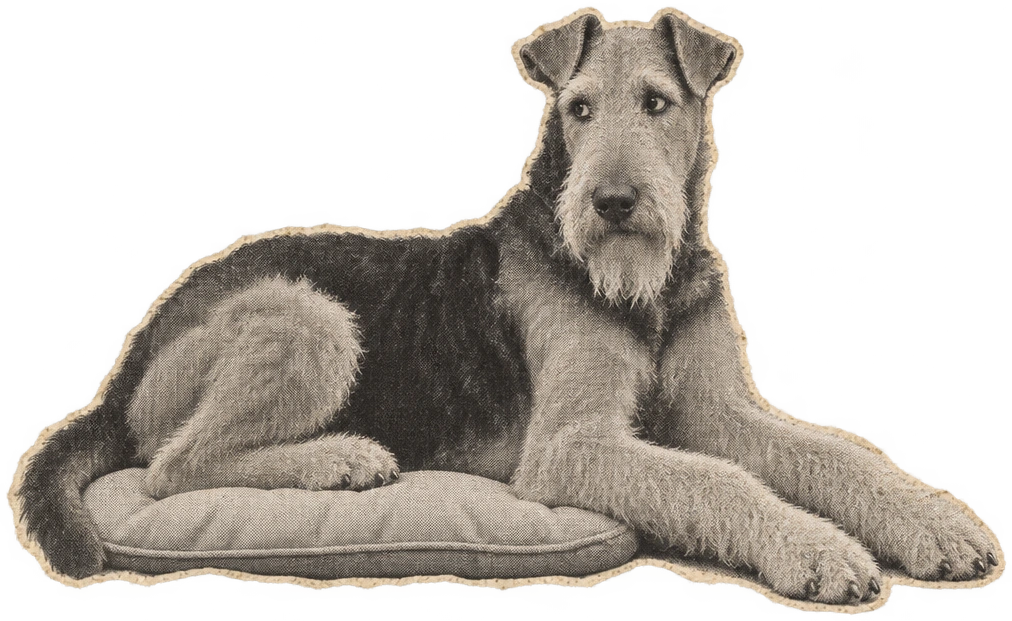
Put the towel somewhere you can reach without crowding the dog in a doorway. Teach a step onto a mat separately, then use it when they’re muddy. Give the dog a bed far enough from the front door that they don’t have to get up for every arrival, with a grippy route to it if the floor is slippery. 5 20 25 30
Airedale Terrier notes / 08
Move the bed
Give small people and animals their own space
It’s the strength and the reach you have to plan for: a child in running range or a cat at the edge of the garden doesn’t need to wait for the dog to prove what they’d do. Supervise when children and dogs share space, give the dog an area children leave alone, and set up introductions with escape routes. If that dog is fixated on a cat or a small pet, keep them separated and get advice rather than doing a test on the living-room floor. 10 21 31 32 33
Airedale Terrier notes / 09
Give them a way out
| Who’s there | Useful rule |
|---|---|
| Children | An adult supervises, and the dog’s sleeping and eating places are out of bounds. 31 |
| Cats and small pets | Separate securely when needed; don’t assume a calm first sniff proves anything. 10 32 |
| Other dogs | Give separate space and feed apart if things are tense around food. 33 34 |
Health: look at how they move
Recurring stiffness, limping after rest or a new reluctance to use the stairs is something to tell the vet, even if the dog still wants the walk. If they suddenly cannot put weight on a leg or are in severe pain, contact a vet straight away. These changes can have different causes; don’t decide it must be a hip or elbow on the strength of a breed guide. 29 36 38 39
The Royal Kennel Club lists BVA/RKC hip and elbow screening under Best Practice, with no separate Airedale entry in Good Practice. For breeding, ask for both results for both parents. The BVA’s 2024 report includes 254 Airedales tested in its five-year hip sample, with a median score of 11. Those are submitted radiographs, not a count of what percentage of Airedales have the condition. 1 35 36 37 46
The Dogs Trust UK study put median lifespan at 12.0 years, with a reported interval from 11.8 to 12.3 years. The breed table shows 556 deaths in its reported sample. That figure describes the sampled dogs; it doesn’t tell you how long yours has, or how much of the time they’ll be free of health conditions. 40 41
Airedale Terrier notes / 10
Health conditions and screening
| Health conditions and screening | What owners can use |
|---|---|
| Repeated stiffness or shorter steps | Note which side you notice and what happened just before it. Ask the vet. 29 38 |
| Sudden severe pain or no weight on a limb | Contact a veterinary practice promptly. 29 |
| Hip screening | Confirm an official result on each parent when looking at a litter. 35 36 46 |
| Elbow screening | Check each parent has its own official elbow result as well. 35 37 46 |
| Hip score data | Historical tested sample, not disease prevalence in the entire breed. 36 |
| Moving comfortably | Keep an eye on body condition and ask about changes in activity early. 16 26 38 |
| 12.0 years | UK cohort median lifespan, not an individual prediction. 40 41 |
Get a groomer’s quote for the actual coat
Ask whether the price is for a clip, a hand strip, an initial visit or getting a neglected coat back into shape. If you’ll use a dog walker, explain how your dog behaves near passing dogs or wildlife before booking. Also check insurance conditions, including the excess and what happens at renewal, not just the amount coming out this month. 3 9 42 43
Airedale Terrier notes / 11
Price the coat
| Line in the budget | Ask about |
|---|---|
| Grooming | Method, typical intervals and what happens if the coat is matted. 3 9 |
| Walker or boarding | Experience with your dog’s handling needs and how walks are organised. 21 42 |
| Vet costs | Policy limits and exclusions, plus what you would have to find yourself. 43 |
| Replaceable kit | Fit and condition of the harness or lead before ordering a replacement. 14 15 |
The name comes from a river, not a haircut
The Royal Kennel Club traces the breed to Yorkshire and the group of terrier enthusiasts around Airedale Show. The Waterside Terrier name points to work along riverbanks. Later Airedales also did tracking and wartime work. That tells you what people valued in the dogs, not what yours should be expected to do without training. 1 8 44
Airedale Terrier notes / 12
Yorkshire roots
Meet the dog on a normal day
If you’re adopting, ask what walks actually look like, when somebody last brushed through the beard and how the dog settles when there’s nothing on. Ask about living next to cats or another dog before bringing anybody together. If you’re buying a puppy, meet it with its mother where it was raised, check the parents’ documents and ask how they cope with grooming and everyday visitors. Go home and think if you need to. 3 32 35 45 46 47
Airedale Terrier notes / 13
Ask about a day
| Questions | What helps |
|---|---|
| What are walks like? | Straight answers about traffic, wildlife and sharing the path with dogs. 10 23 45 |
| How do they take being groomed? | Look for a dog who can opt out and a person who notices. 5 20 |
| Which health results can I see? | Both parents’ official hip and elbow screening results if it’s a litter. 35 46 |
| What happens after coming home? | Keep the first days quiet and let the dog settle before packing the diary. 31 45 |
Sources
- S1Royal Kennel Club Airedale Terrier profile, breed history and live Best PracticeSource · checked 21 November 2026
- S2Royal Kennel Club Airedale Terrier breed standardSource · checked 21 November 2026
- S3Airedale Terrier Club of Scotland coat and suitability notesSource · checked 21 November 2026
- S4Dogs Trust identifying barking triggersSource · checked 21 November 2026
- S5PDSA veterinary grooming and coat maintenanceSource · checked 21 November 2026
- S6Dogs Trust introducing time alone, using a recordingSource · checked 21 November 2026
- S7Dogs Trust identifying and getting help for separation distressSource · checked 21 November 2026
- S8United Kennel Club Airedale Terrier historical breed contextSource · checked 21 November 2026
- S9West of England and South Wales Airedale Terrier Club grooming and strippingSource · checked 21 November 2026
- S10Dogs Trust safe management around small animals and chasingSource · checked 21 November 2026
- S11Dogs Trust reward-based trainingSource · checked 21 November 2026
- S12Royal Kennel Club Welsh Terrier separate breed standardSource · checked 21 November 2026
- S13Royal Kennel Club Lakeland Terrier separate breed standardSource · checked 21 November 2026
- S14Dogs Trust secure fit and prevention of dogs escapingSource · checked 21 November 2026
- S15Dogs Trust harness fitting and checking free movementSource · checked 21 November 2026
- S16PDSA body condition at homeSource · checked 21 November 2026
- S17Blue Cross assessing and caring for coat, skin and matsSource · checked 21 November 2026
- S18PDSA home health check including feet and skinSource · checked 21 November 2026
- S19PDSA veterinary guidance on grass seeds and pawsSource · checked 21 November 2026
- S20Dogs Trust building comfort with handlingSource · checked 21 November 2026
- S21Dogs Trust recognising and managing reactivitySource · checked 21 November 2026
- S22Dogs Trust sourcing qualified behavioural supportSource · checked 21 November 2026
- S23Dogs Trust recall and long-line trainingSource · checked 21 November 2026
- S24Dogs Trust safe enrichment and search gamesSource · checked 21 November 2026
- S25Dogs Trust building settling skillsSource · checked 21 November 2026
- S26PDSA tailoring activity to age and conditionSource · checked 21 November 2026
- S27Natural England Countryside Code, controlling dogs around livestockSource · checked 21 November 2026
- S28Dogs Trust safe outings in hot weatherSource · checked 21 November 2026
- S29PDSA veterinary advice on limping, stiffness and urgencySource · checked 21 November 2026
- S30Canine Arthritis Management veterinary access and safe flooring guidanceSource · checked 21 November 2026
- S31Dogs Trust children and dog supervisionSource · checked 21 November 2026
- S32Dogs Trust safer dog and cat introductionsSource · checked 21 November 2026
- S33Dogs Trust introductions to another dogSource · checked 21 November 2026
- S34Dogs Trust resource guarding and separate feedingSource · checked 21 November 2026
- S35Royal Kennel Club central Health Standard, Airedale tier rowSource · checked 21 November 2026
- S36British Veterinary Association hip scheme submission statistics 2024Source · checked 21 November 2026
- S37British Veterinary Association and Royal Kennel Club elbow grading schemeSource · checked 21 November 2026
- S38PDSA veterinary guidance on hip dysplasiaSource · checked 21 November 2026
- S39PDSA veterinary guidance on elbow dysplasiaSource · checked 21 November 2026
- S40Dogs Trust 2024 UK breed lifespan table, exact Airedale Terrier rowSource · checked 21 November 2026
- S41McMillan et al. original UK dog longevity studySource · checked 21 November 2026
- S42Dogs Trust finding a suitable walkerSource · checked 21 November 2026
- S43PDSA dog ownership costs and insuranceSource · checked 21 November 2026
- S44Airedale Terrier Club of Scotland account of Aire valley originsSource · checked 21 November 2026
- S45Dogs Trust settling a rescue dogSource · checked 21 November 2026
- S46Royal Kennel Club health results finderSource · checked 21 November 2026
- S47RSPCA buying a puppy and seeing mother with the litterSource · checked 21 November 2026
